There are days when I spend hours trying to convince sand to momentarily hold a shape it was never meant to keep.
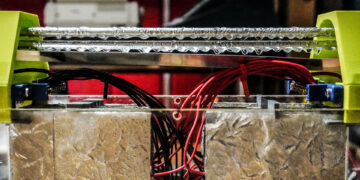
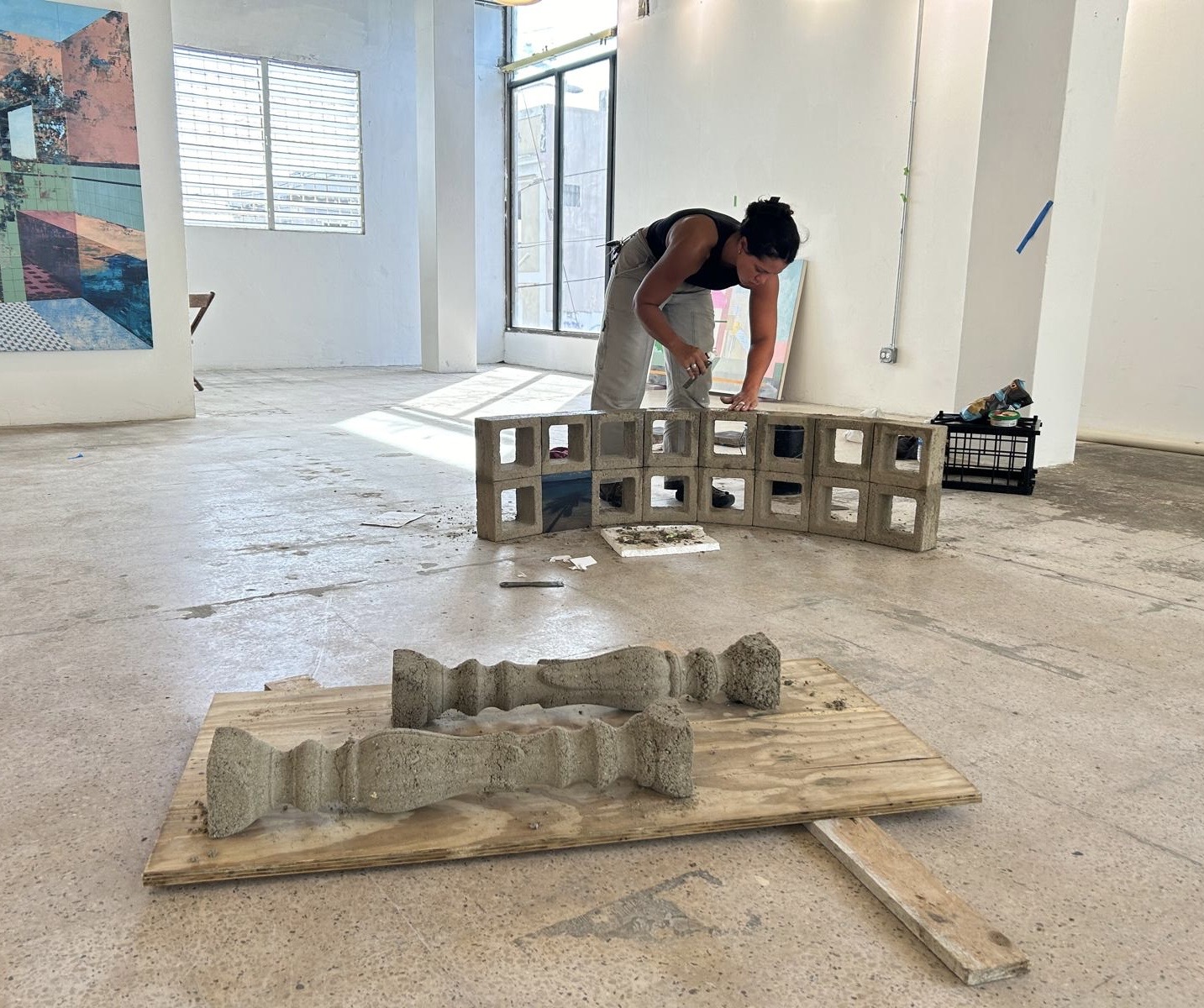
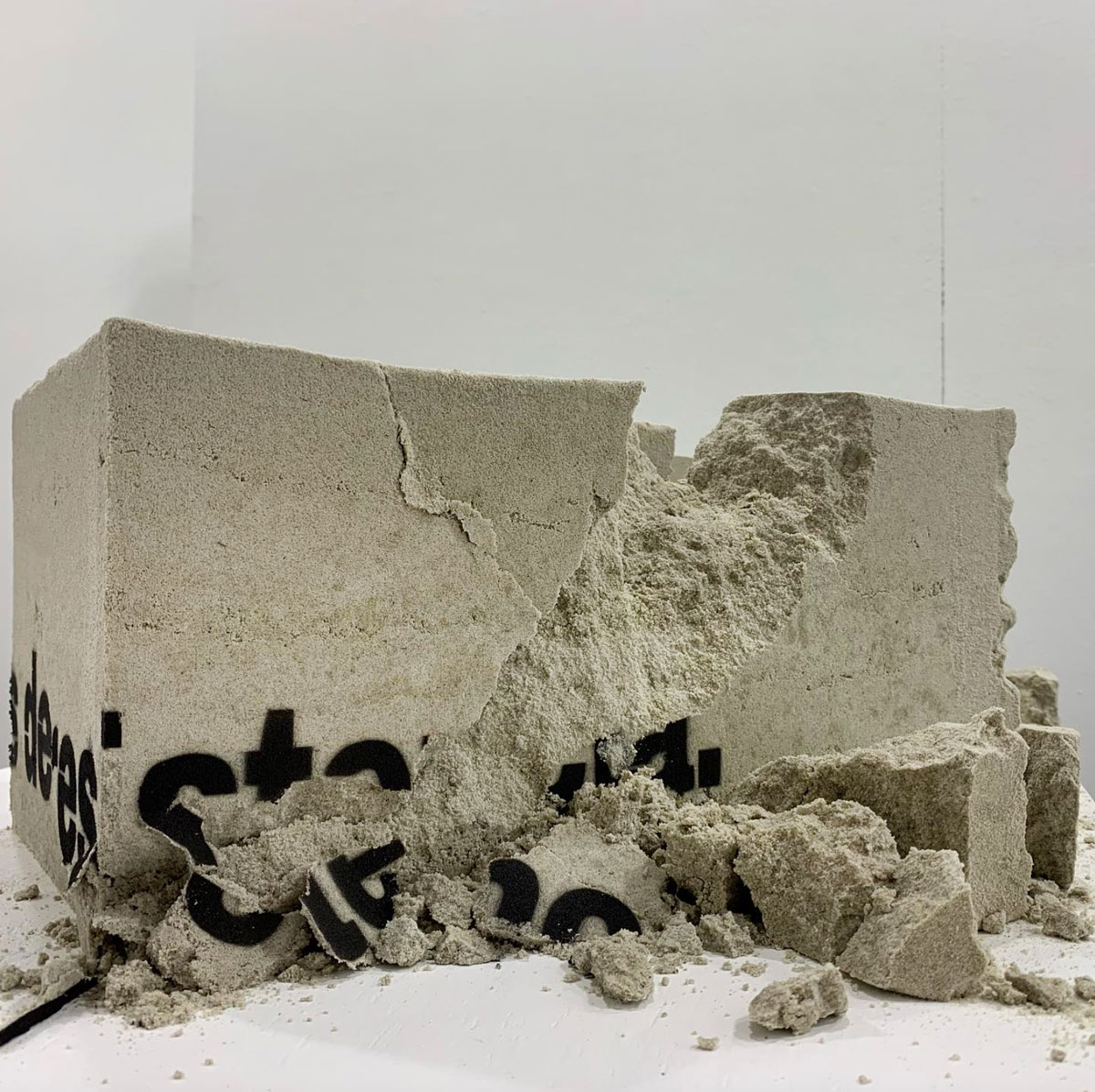
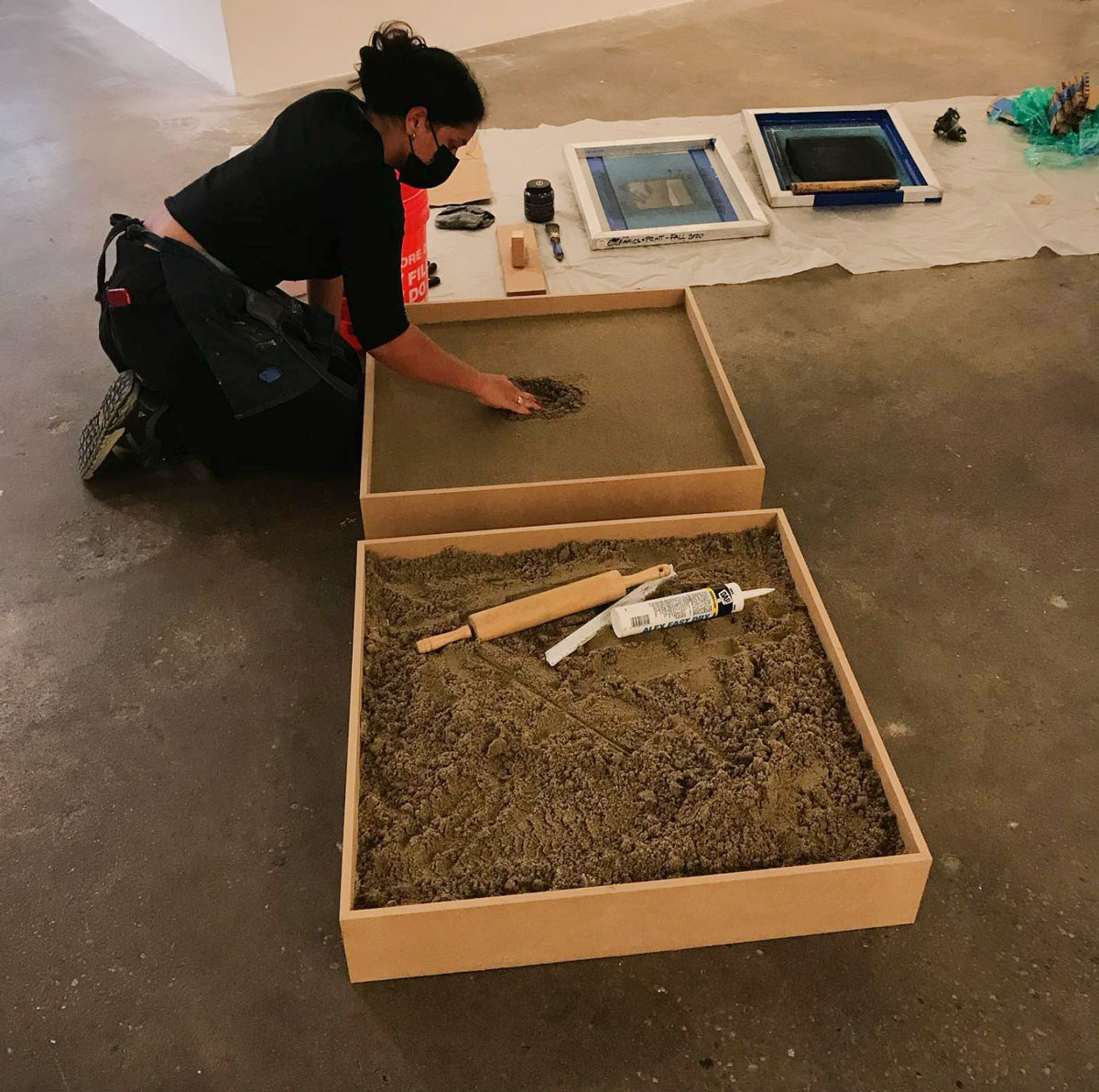
The studio is full of small negotiations. Moisture has to be measured carefully. Too much deforms the blocks as they dry, while too little makes them crack. Every mold is packed by hand and compressed grain by grain until the surface begins to resemble something solid. By the time a wall is assembled, I already know it will eventually crack. The sculptures carry their own undoing from the moment they are made.
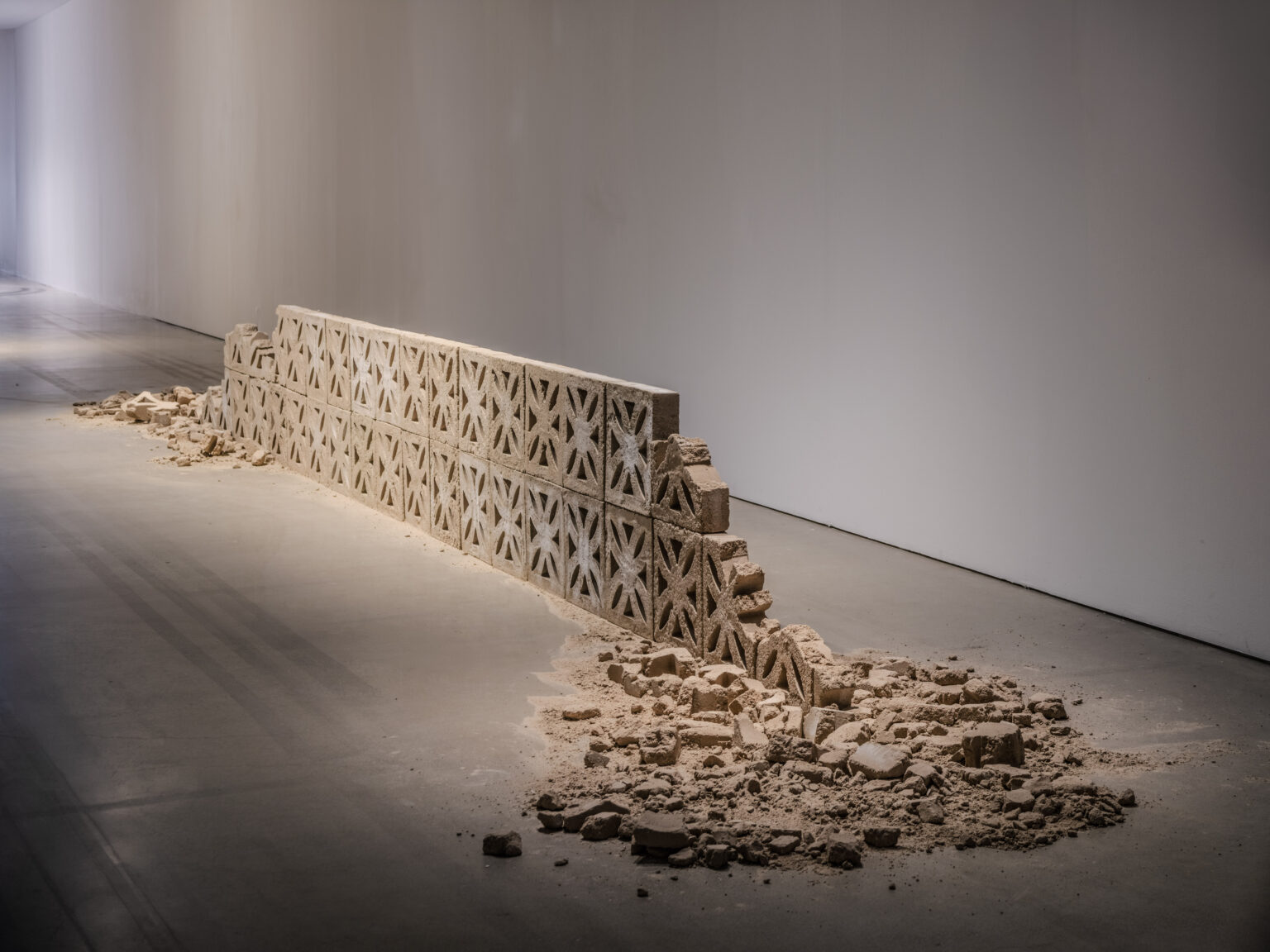
My work is often described as ephemeral, but that has never felt like the right word. Sand does not disappear. It circulates. It leaves one form only to become another. A wall collapses and returns to loose grains. An image slowly loses definition until it becomes indistinguishable from the surface beneath it. The image is not destroyed, but it is transformed, and rearranged. Over time, I realized this material was revealing another way of thinking about permanence, not as the ability to resist change but as the capacity to survive it.
I grew up in Cabo Rojo, on the southwest coast of Puerto Rico. Beaches, mangroves, salt flats, limestone cliffs, abandoned buildings, and fences all became part of the same vocabulary long before I thought of becoming an artist. These places were never static. The shoreline shifted with the tides, hurricanes redrew the coast, buildings were slowly reclaimed by vegetation, and the sea continually unsettled every attempt to establish a permanent edge between land and water.
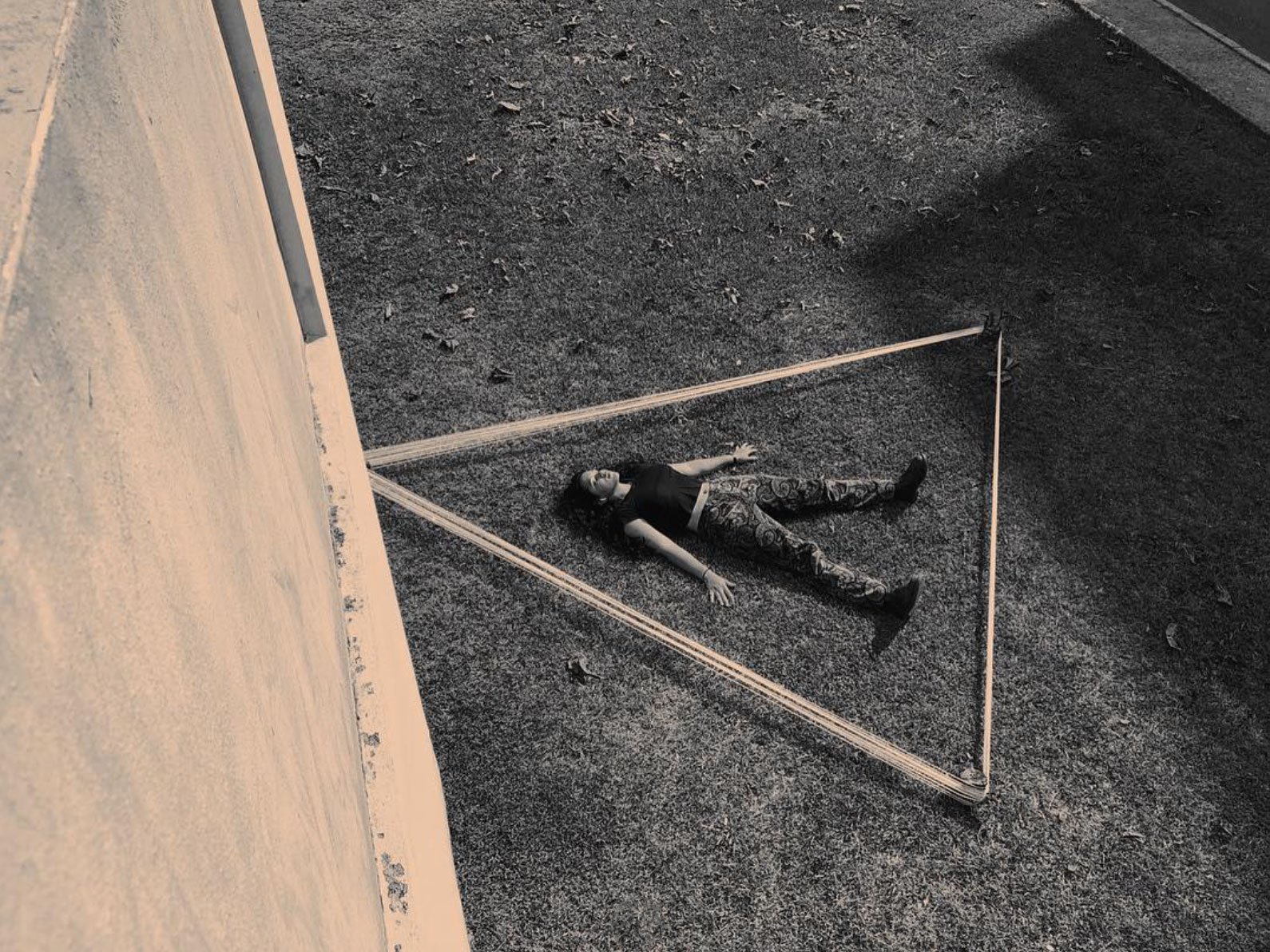
Only later did I understand that these transformations were never solely natural and that landscapes carry the traces of political forces and histories of power. I learned that fences can determine who belongs in certain spaces, while a breakwater can redirect erosion toward another shore. Even a decorative breezeblock, introduced as part of Puerto Rico’s mid-century project of modernization, carries an entire history of colonial aspirations and imported ideals of what a developing territory should be.
My understanding of Puerto Rico changed most profoundly after Hurricane María. Like many people of my generation, I found myself moving back and forth between the archipelago and the United States. During my early twenties, I first left the archipelago through a hurricane relief initiative that allowed me to continue my studies, and later through graduate school, residencies, teaching, and work. Distance altered the way I looked at the places I thought I already knew. Every return carried another disappearance. Over time, the familiar places became vulnerable to development, abandonment, and other forms of dispossession. My relationship to Puerto Rico gradually became less about proximity than about paying attention.
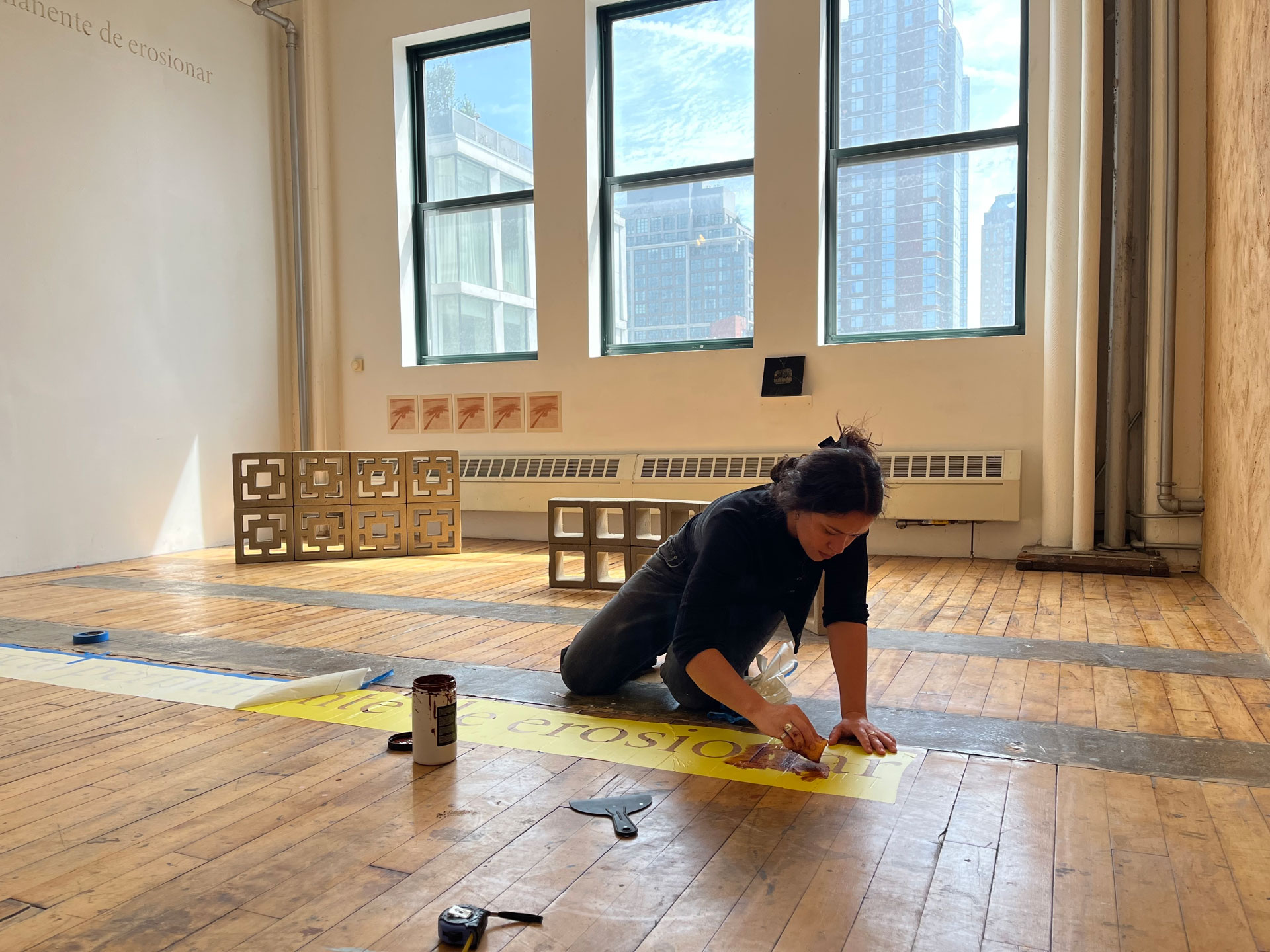
The landscapes I grew up in had always existed through cycles of adaptation, loss, and renewal. The places I cared about had never existed in a state of stillness. Mangroves, dunes and shorelines have always adapted to the shifting tides, wind patterns, and weather systems that approach the archipelago. Sand itself is endlessly displaced, yet every grain carries traces of previous formations. I began to consider these movements as a form of protection that allowed landscapes to transform while remaining connected to their previous forms.
That realization changed my studio.
Sand entered the work not simply because it came from the places I was thinking about, but because it already embodied the contradictions I was trying to understand. It is geological and intimate at once. It exists at the scale of the body and at the scale of deep time. Sand records footprints, foundations, tides, military landings, tourist economies, and ecological change without ever fixing them into a single narrative. It receives every gesture while refusing to remain exactly as it was.
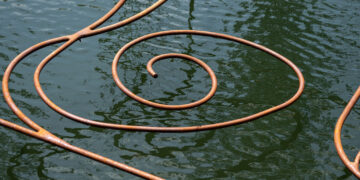
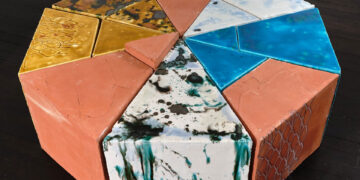
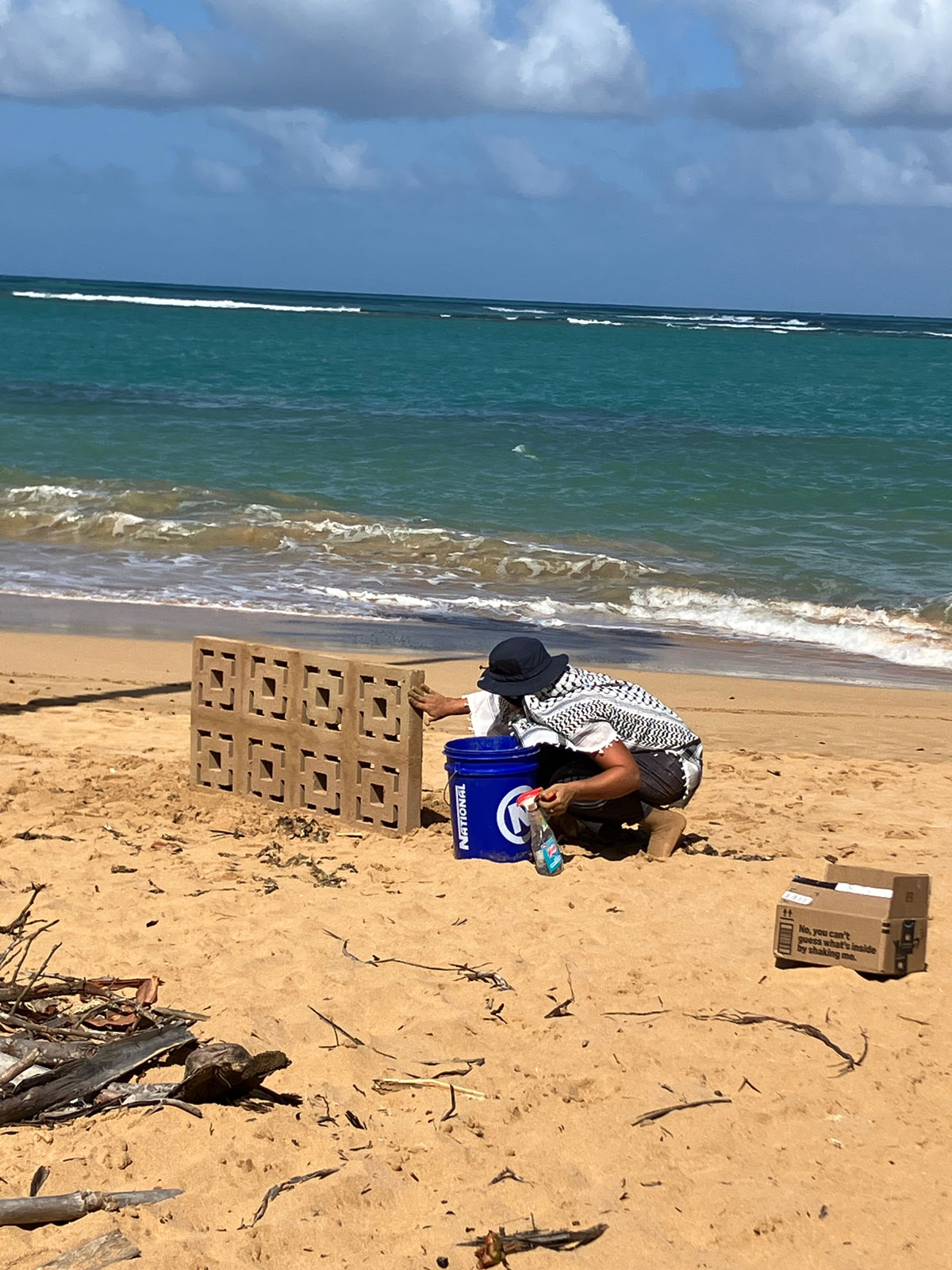
Much of my work begins by temporarily reconstructing familiar infrastructures: walls, fences, architectural blocks, and coastlines. I remake breezeblocks from compressed sand, transforming one of Puerto Rico’s most recognizable architectural forms into a structure held together only by pressure, humidity, and care. Some built near the sea, these walls slowly surrender to wind, salt, and rain. Rather than mourning their collapse, I understand it as part of the work itself. The sculptures do not fail, but their transformations carry the tension between endurance and loss.
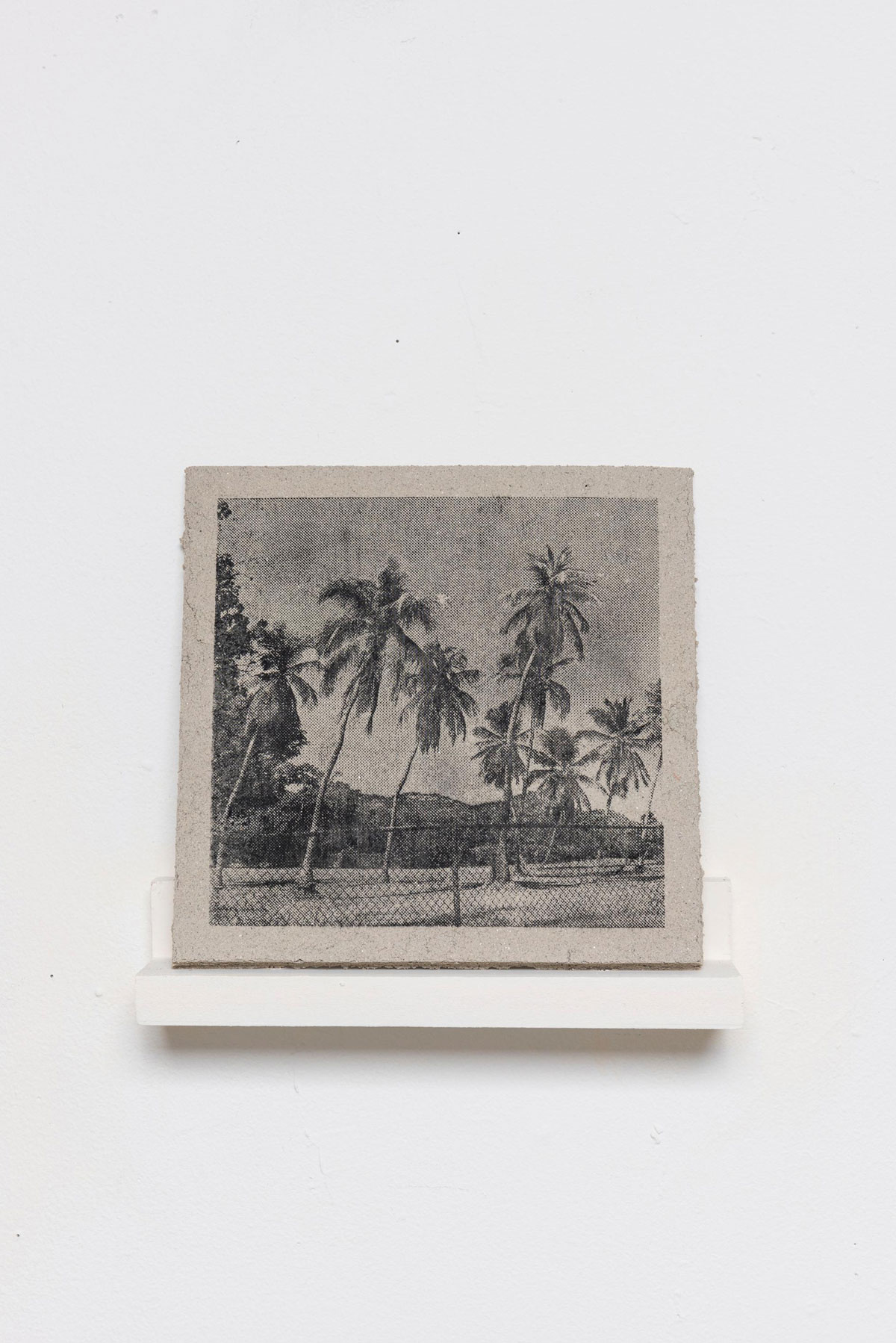
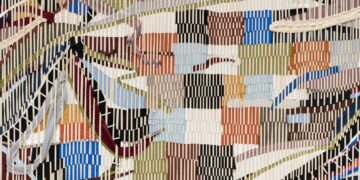
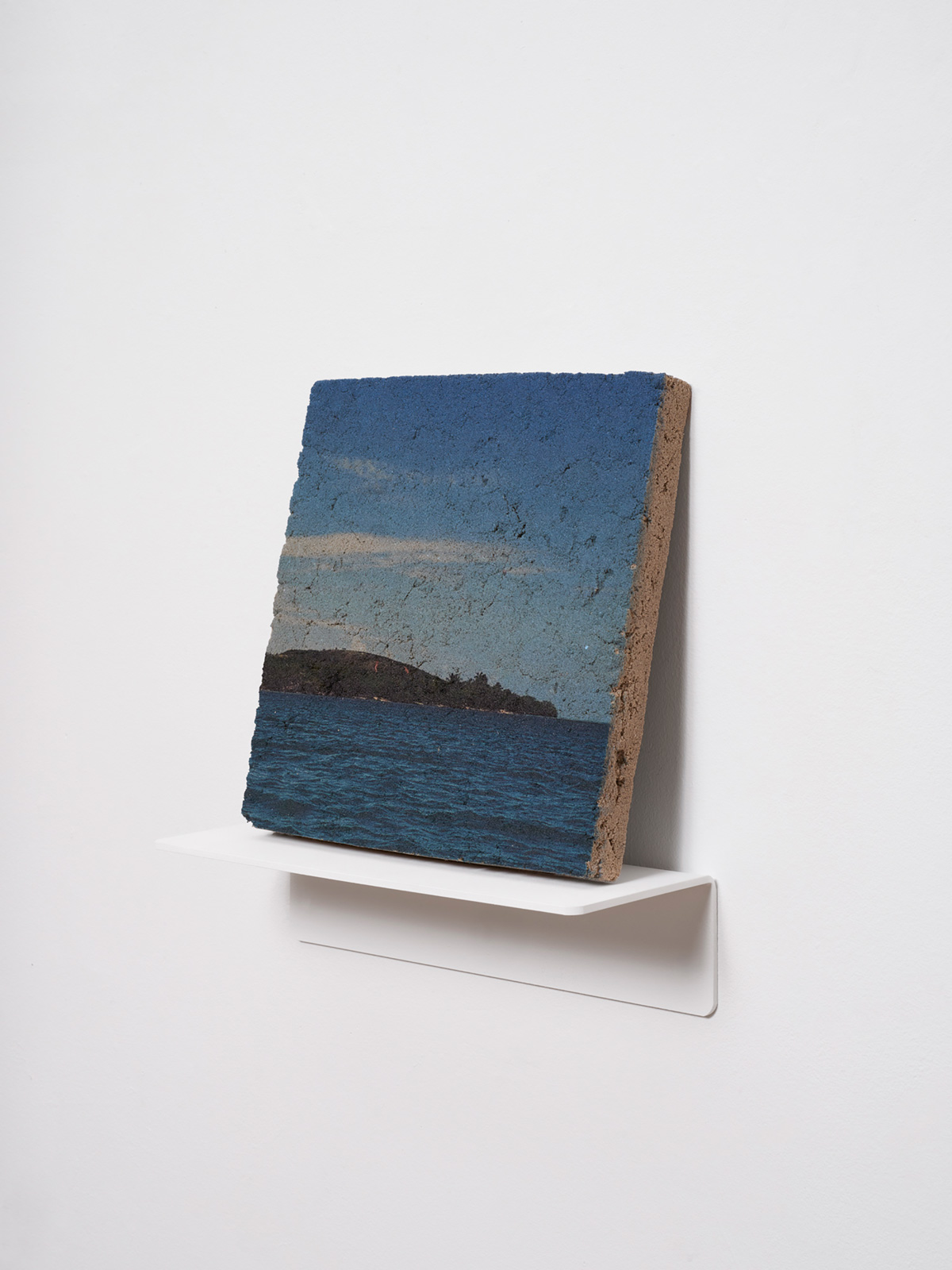
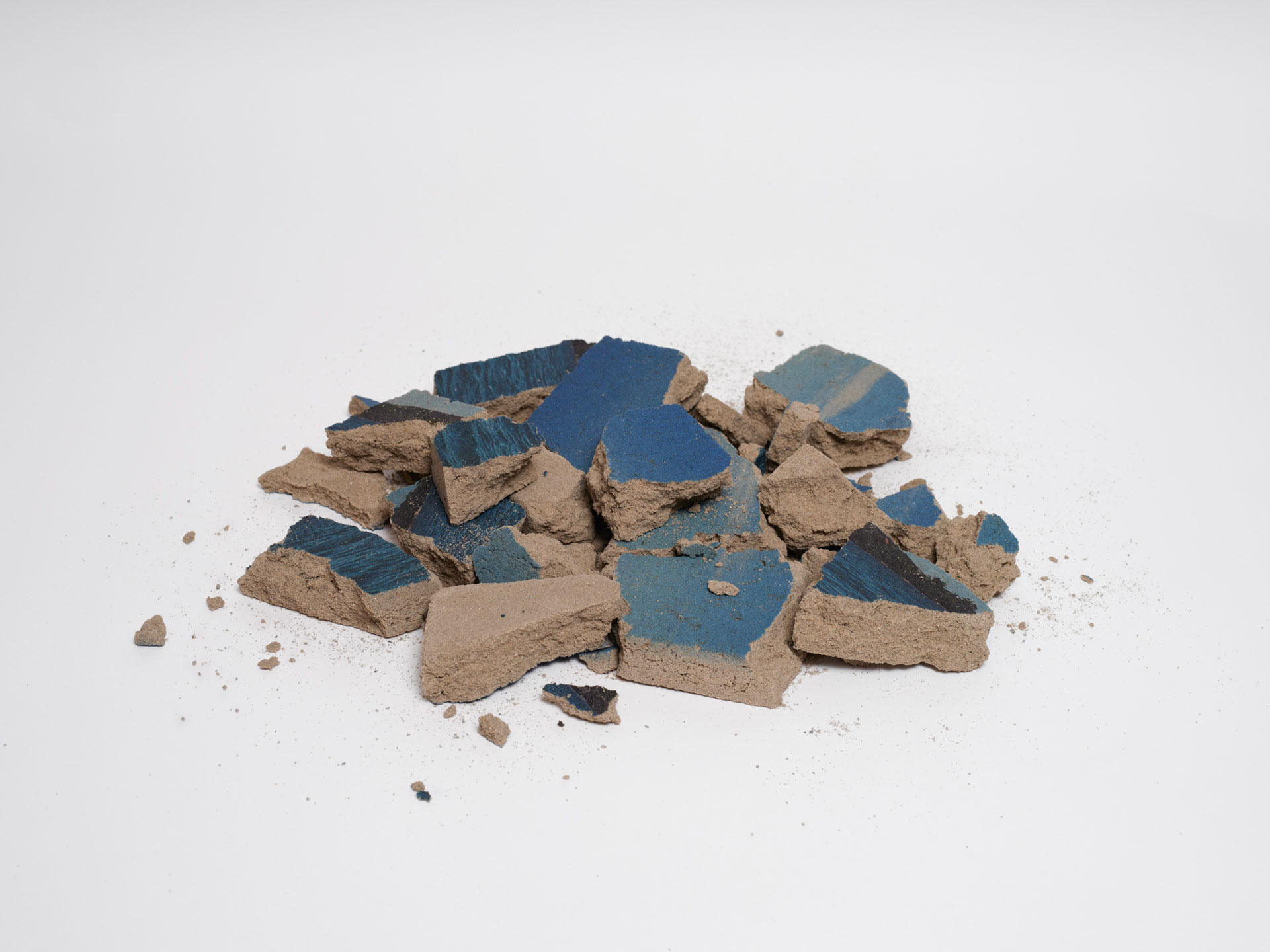
In Construyendo a base del derrumbe, a charcoal screenprint of Puerto Rico’s southwest coast slowly dissolves as vibration loosens the sand beneath it. The landscape becomes increasingly illegible until image and material are one. I am interested in that threshold where representation gives way to matter, and where the desire to clearly see a place begins to collapse. For centuries, Caribbean landscapes have been mapped, extracted, and consumed through forms of visibility that promise total legibility. I am interested in the moments when a landscape resists being fully known through its transformative qualities.
Erosion exists between loss and transformation. It is a quality through which landscapes are continually reshaped, but in Puerto Rico and many other places, it also reveals the consequences of climate vulnerability and unequal forms of protection at the expense of development. This understanding runs through the sand-cast sculptures and prints that slowly wear away, return to loose sand and resist easy recognition. These gestures are not performances of disappearance but acknowledgements that landscapes remain alive because they are capable of continual transformation.
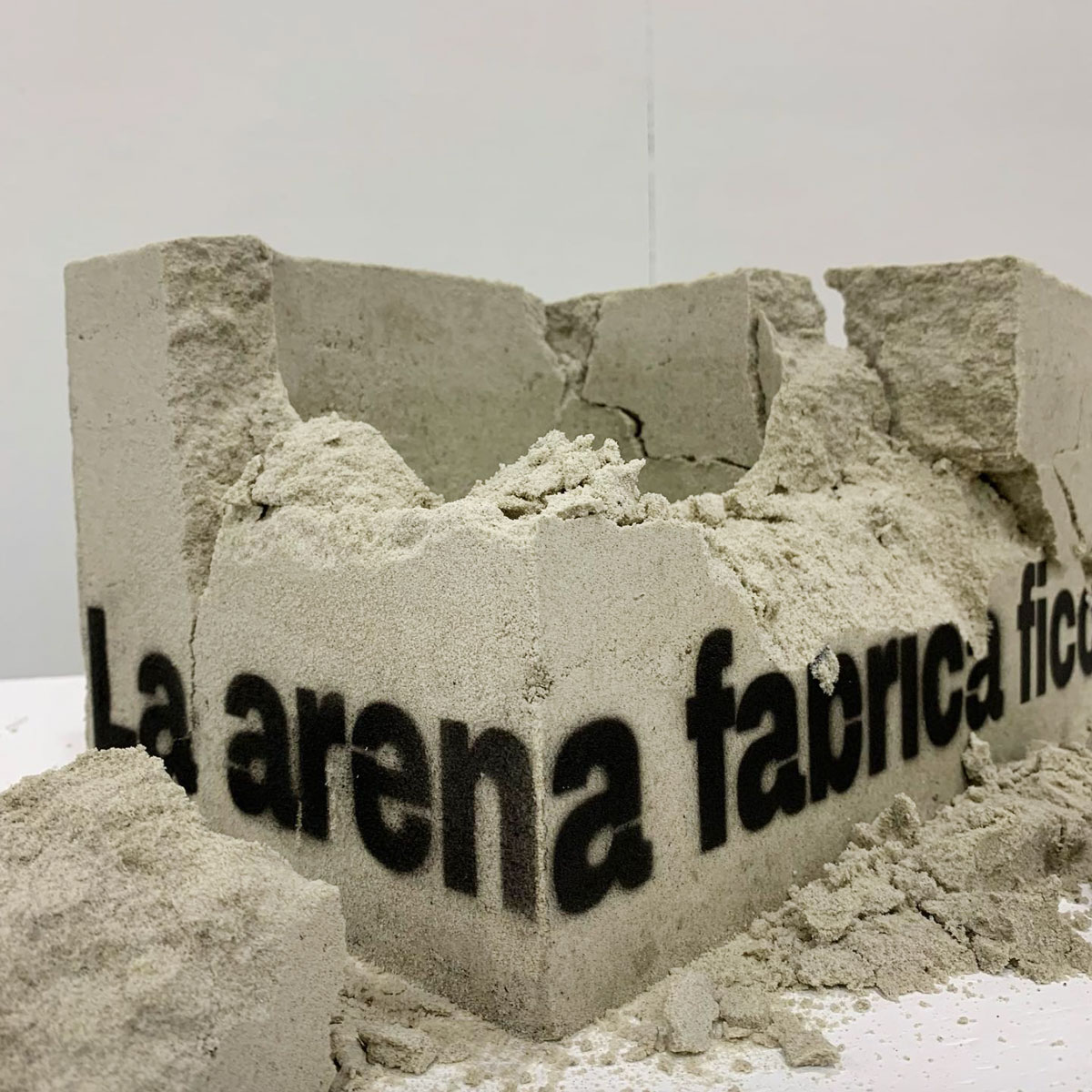
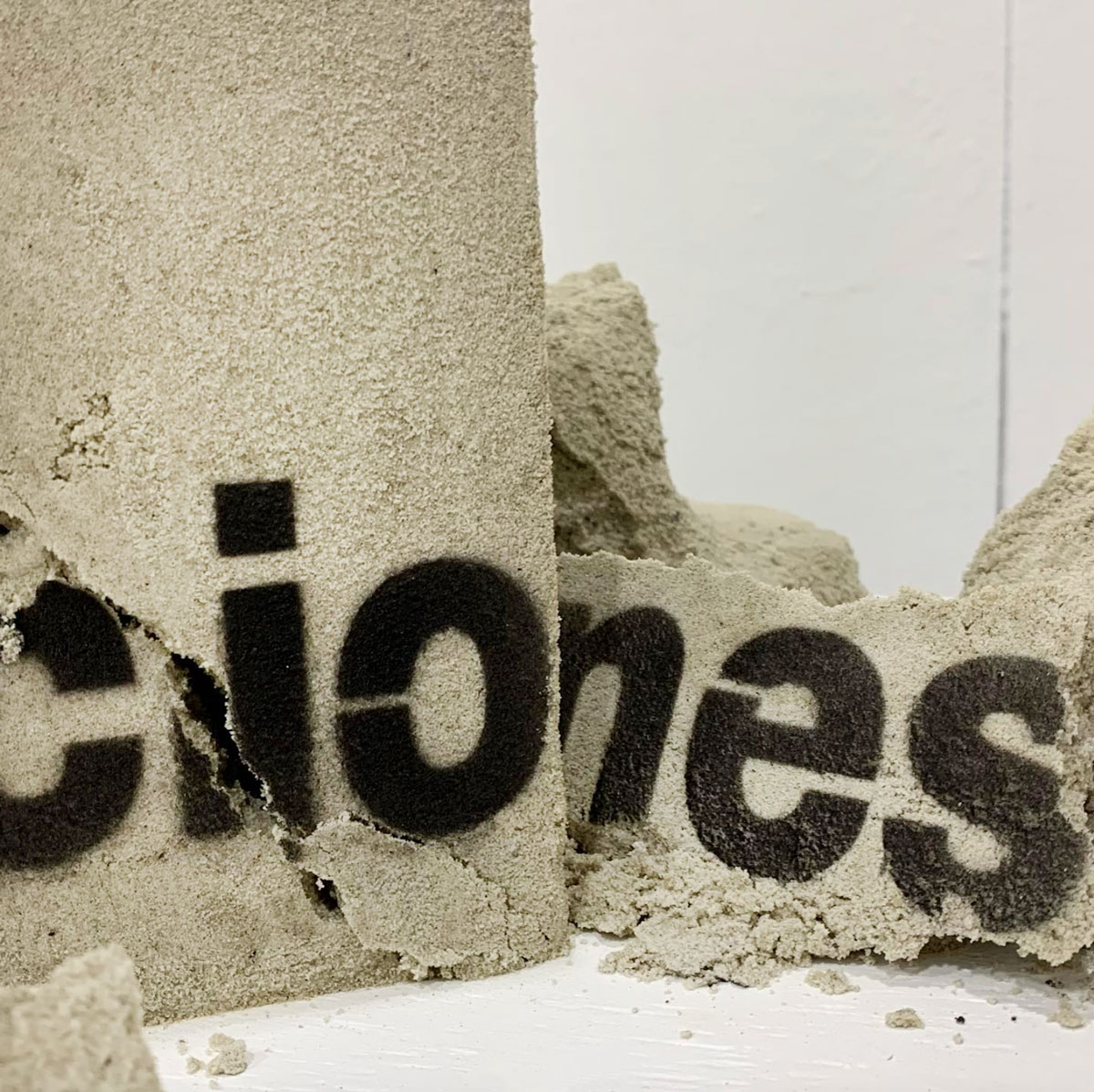
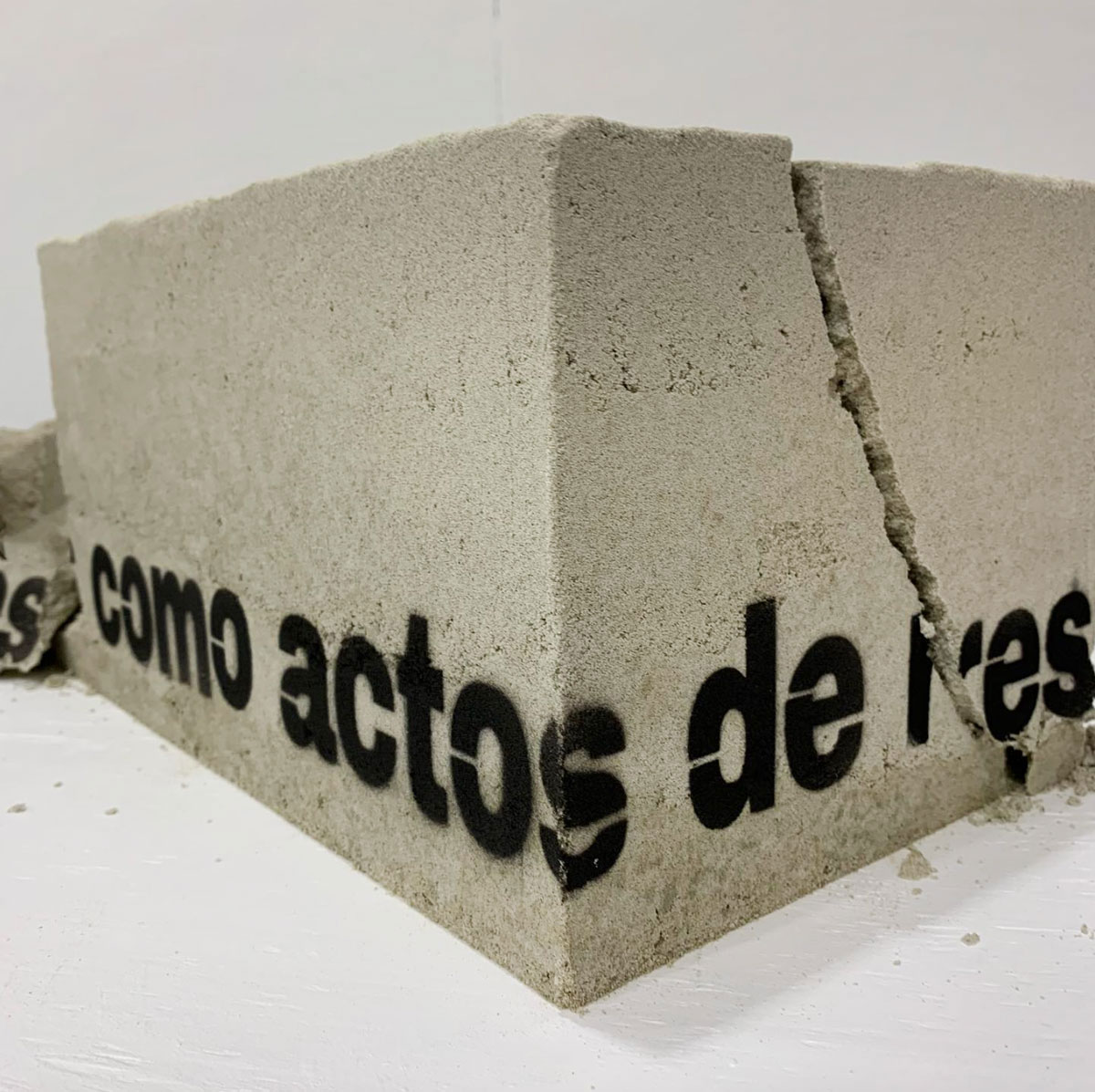
The same could be said of sand. Every grain has already belonged to countless landscapes before arriving in my studio, and it will continue long after these sculptures return to dust. There is something deeply comforting in that continuity. It reminds me that matter is never lost, it simply changes its obligations.
Transformation is not something to resist entirely, but neither is it something to accept without question. Although the landscape is constantly changing, the forces behind those changes are not always neutral. Permanence is often an illusion inherited from architecture, borders, and colonial ambitions, but so too is the idea that all forms of change are inevitable or unavoidable.
To remain attentive to the landscape is to recognize both its capacity for transformation and the histories of intervention, extraction, and loss that shape those territories.
You can find out more about Mariana Ramos Ortiz at @la.habichuela // marianaramosortiz.com
Photos: Courtesy of the artist.