Fulop’s work is perhaps best understood as a continual negotiation between what is learned and what is revealed in the moment of making. His approach has been shaped by decades of learning across Hungary, Ireland, Japan, China, Korea, and India, but his interest in tradition is not nostalgic. Instead, he treats tradition as a living matrix of knowledge—something to enter, question, and ultimately transform. At the center of this evolution is the remnants of gesture.
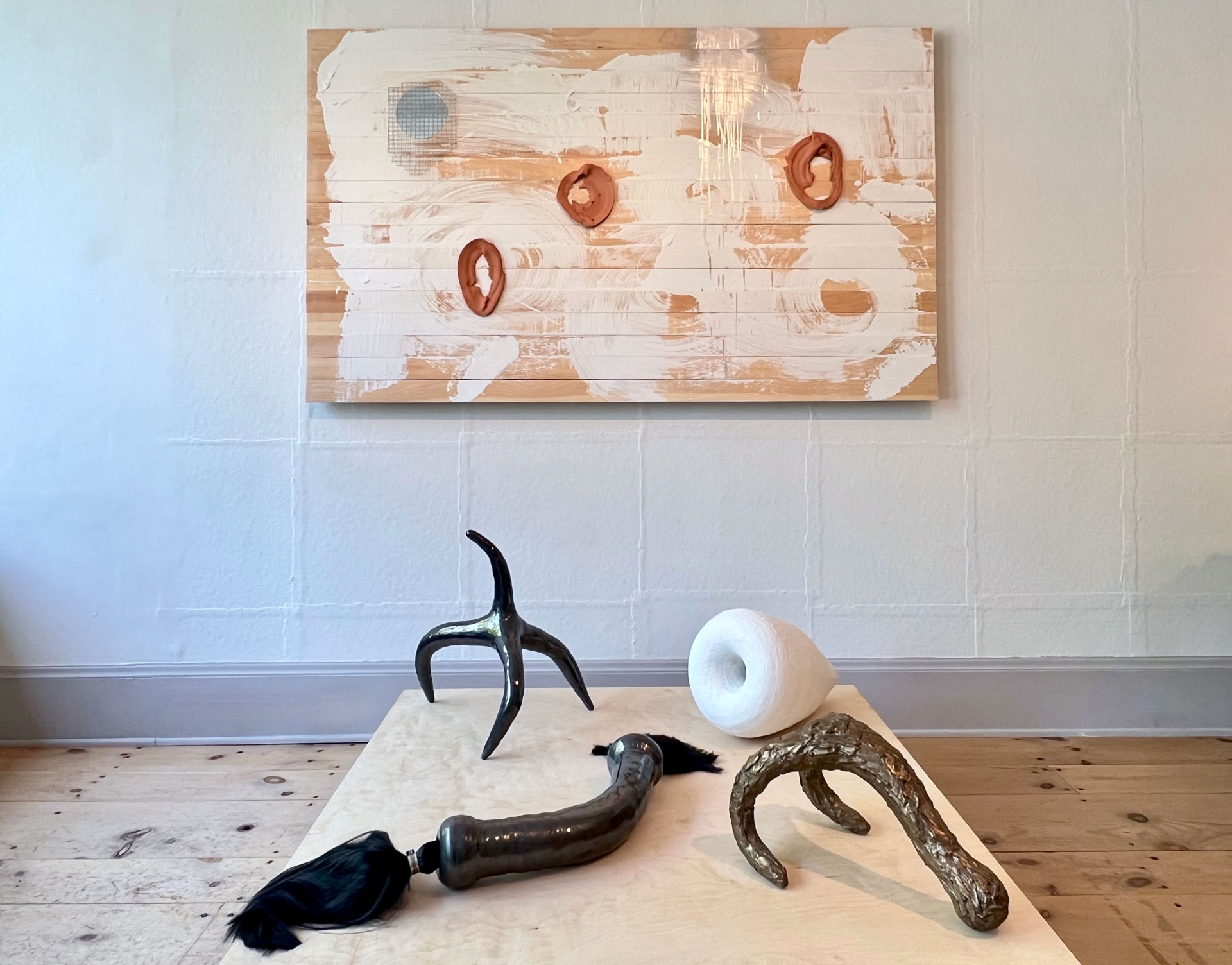
Peter Fulop, Reverie Realms at Standard Space, Sharon, CT, 2025. Installation image. Courtesy of Theodore G. Coulombe and Standard Space.
Fulop’s early education in Hungary was deeply rooted in the traditions of European pottery. He studied ceramics at Hodmezovasarhely, the historic center of Hungarian pottery, where he encountered a culture of making grounded in manual labor, local materials, wood firing, and generations of accumulated knowledge. Clay was dug, prepared, shaped, glazed, and fired by hand. The wheel was not simply a tool but a link to an ancient lineage of making.
This history remains visible in Fulop’s work. Cylinders, vessels, thrown components, and rounded forms continue to provide a structural foundation for his sculptures. Yet the vessel is rarely the destination. Fulop may begin on the wheel and then dismantle the logic of the vessel—cutting, shaving, compressing, assembling, or extending its components into sculptural forms. The wheel becomes a means of generating form rather than defining function. This shift reflects a pivotal transformation in his practice.
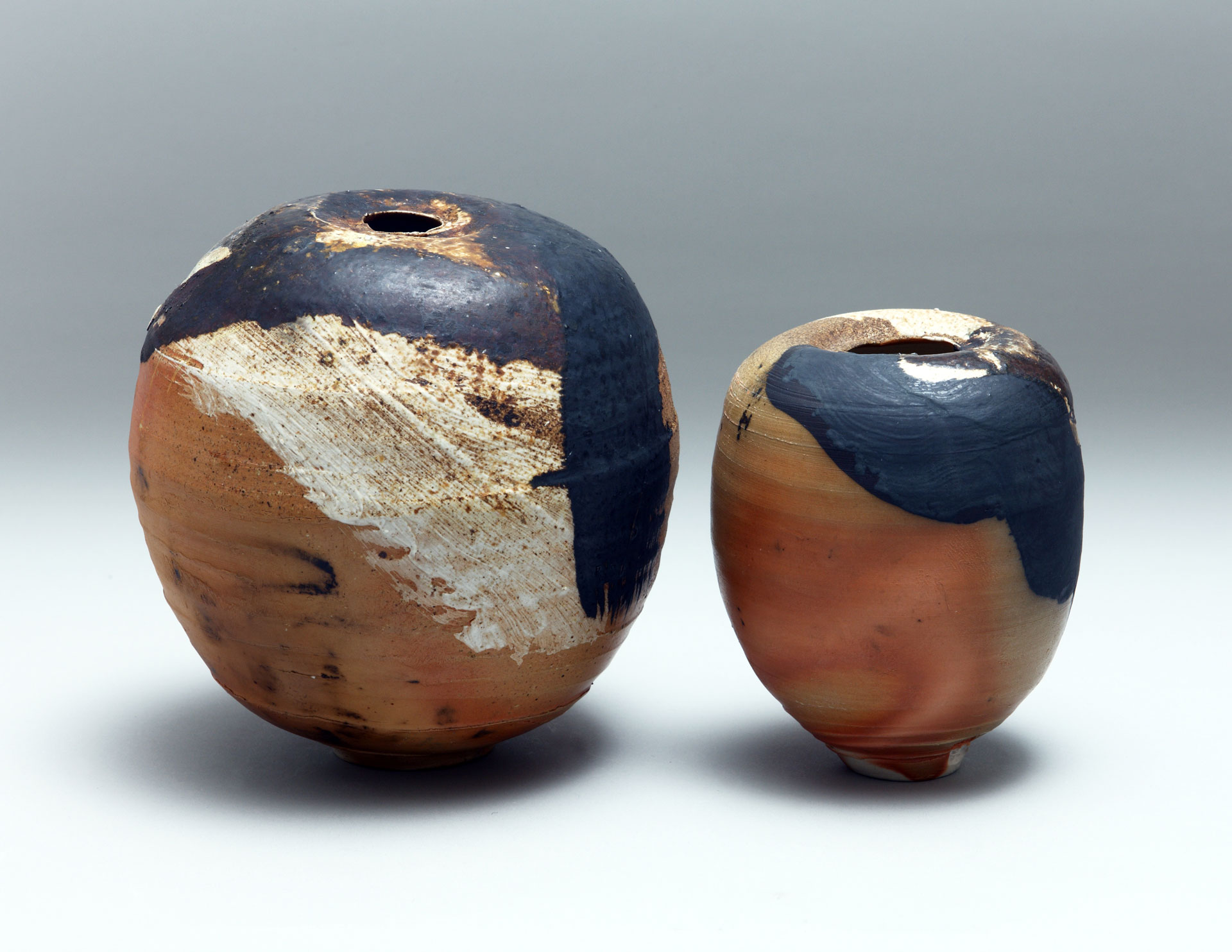
Peter Fulop, Shigaraki, Japan, 2007. Courtesy of the artist.
The traditional pottery culture in which Fulop trained existed in tension with industrialization. The introduction of plastic, aluminum, and factory production diminished the practical necessity of handmade pottery, while traditional forms increasingly became decorative commodities. This change in necessity led Fulop to investigate what remains essential within the practice, ultimately pushing him toward abstraction.
A decisive transformation occurred through Fulop’s encounters with Japanese avant-garde art such as the work of Isamu Noguchi and, particularly, through his relationship with Professor Ryoji Koie. Fulop eventually studied and lived with Koie in Japan, undertaking an apprenticeship that immersed him not only in technique but in an entirely different conception of what a ceramic object could be. Koie’s practice was informed by the Japanese avant-garde and emphasized experimentation, gesture, process, and the relationship between action and material. This experience allowed Fulop to reconsider the assumptions embedded within his European training.
Instead of striving toward geometrical perfection or a predetermined ideal form, he became interested in the expressive potential of imperfection, movement, and immediacy. The object could become a trace of an action. A mark could contain the energy of the hand that made it. The surface could register pressure, speed, hesitation, impact, or release. This idea remains fundamental to Fulop’s practice today. His sculptures are not merely shaped objects; they are manifestations of physical and psychological states.
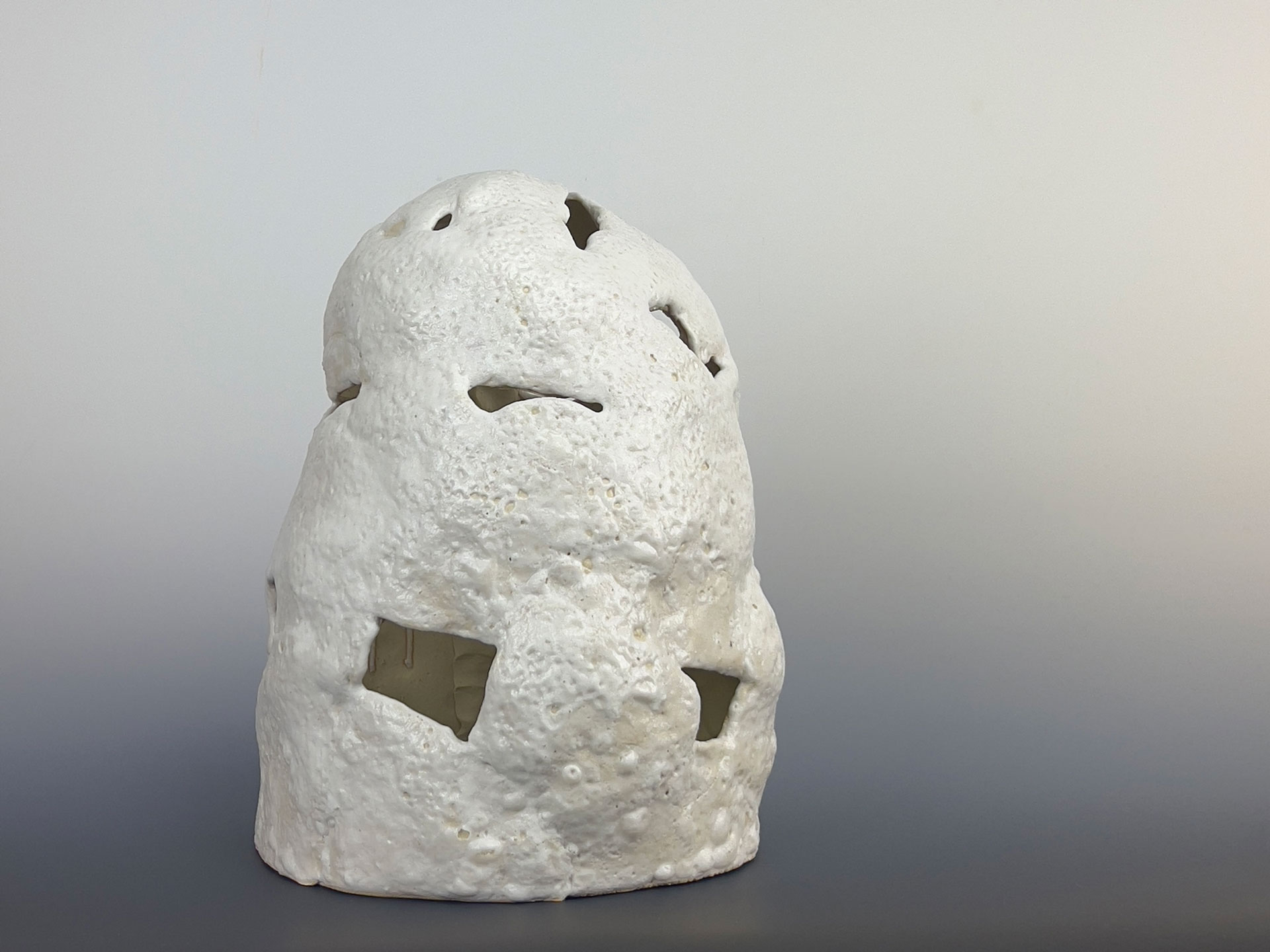
Peter Fulop, Varadi-Fulop, at KAPOW, NYC, 2024. Courtesy of Brigitta Varadi.
Peter Fulop has described his process as improvisational, allowing ideas to emerge through direct engagement with a space, material, and environment rather than relying exclusively on preliminary drawings or predetermined forms. This immediacy is particularly evident in his surfaces. Brushstrokes, incisions, impressions, abrasions, and areas of compression record the movement of the artist’s body. The finished sculpture therefore functions almost like a frozen performance.
Fulop’s use of clay is fundamentally physical. He does not attempt to conceal the material’s transformation or erase the evidence of its manipulation. Instead, he exposes the dialogue between his action and the material’s resistance. In some works, the surface is restrained and nearly monochromatic, allowing form and gesture to carry the visual weight. In others, glaze becomes an active participant, responding to fire and producing surfaces that appear metallic, atmospheric, or geological.
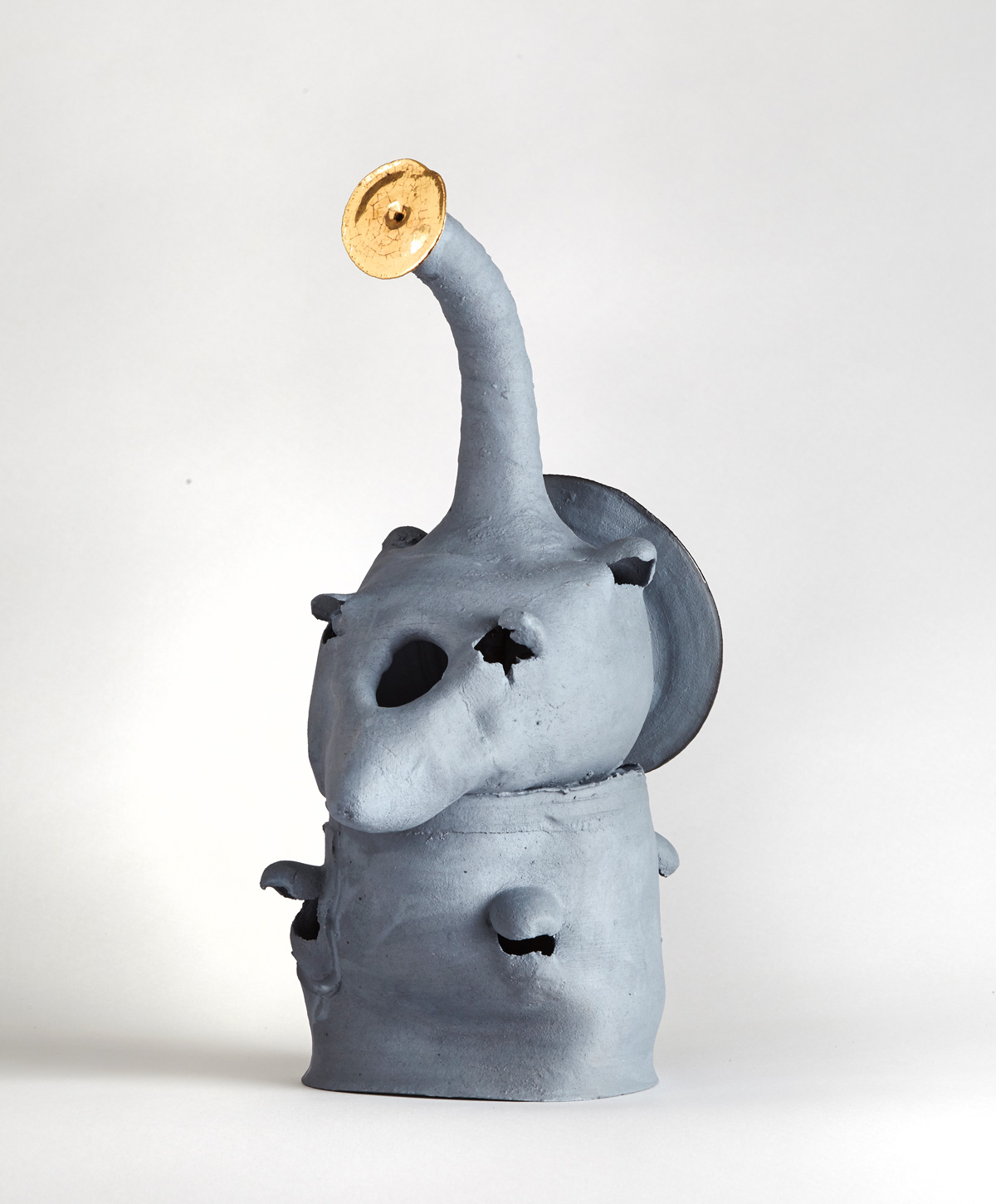
Peter Fulop, Celestial, Reverie Realms at Standard Space, Sharon, CT, 2025. Courtesy of Theodore G. Coulombe and Standard Space.
Fulop’s expansion into wood and metal deepens this investigation rather than moving him away from ceramics. Wood is both material and metaphor. Literally, it fuels the kiln that transforms clay into ceramic. Conceptually, it connects the work to vegetation, growth, decay, and the cycles through which organic matter returns to the earth. Clay and wood therefore occupy different points within the same cycle. Wood emerges from the earth as living matter and eventually decomposes back into soil. Clay begins as earth, is extracted and formed, and through firing becomes something fundamentally altered—its transformation effectively permanent.
Fulop’s attention to these relationships gives his work a geological and ecological dimension. To work with clay is to engage with a material that has already passed through immense cycles of formation and change. Metal introduces another kind of resistance. Where clay yields to pressure, metal can require cutting, striking, bending, or slashing. In Fulop’s sheet-metal works, the action can be immediate and aggressive. The mark is created through impact, and his exertion remains visible.
The action is performed before it is fully understood; reflection comes afterward. Fulop analyzes the work after the gesture has occurred rather than determining its meaning entirely in advance, this distinction is crucial to his practice. The unconscious is not illustrated—it is revealed through action. Central to Fulop’s understanding of making is the idea that the work is not imposed upon clay so much as negotiated with it.
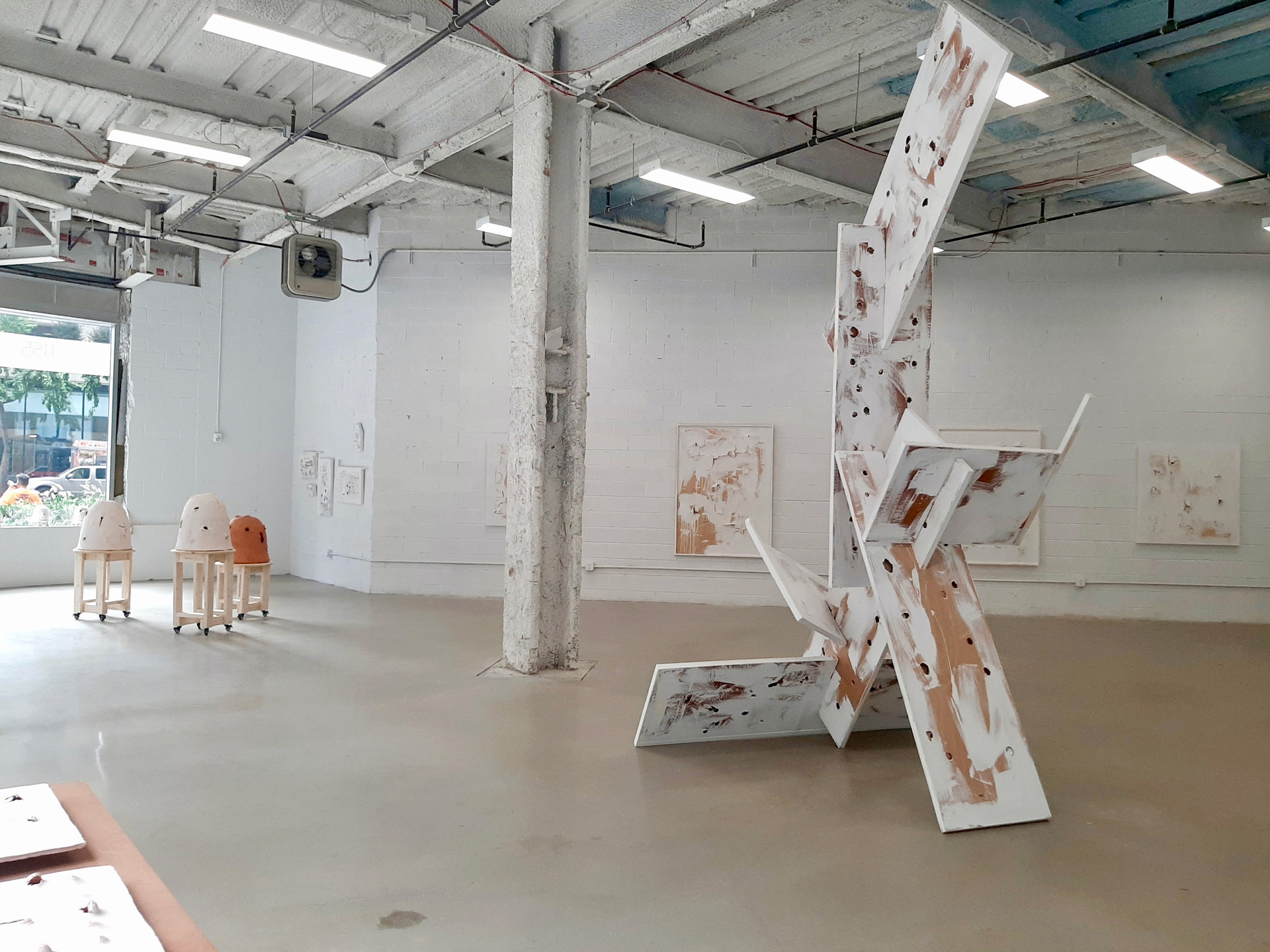
Peter Fulop, The Aesthetics of Impact, Chashama, NYC, 2021. Installation view. Image courtesy of the artist.
Fulop’s interest in sound extends this idea of gesture into another sensory register. He approaches sound as vibration suggesting that forms of energy exist whether or not they are visible. His sound-based work emerges from this interest in translating invisible movement into perceptible form. A hand striking clay produces a vibration. A brush dragged across a surface creates friction. A kiln transforms matter through heat. A sheet of metal responds to impact with sound. Each action generates energy, and each material records that energy differently. In this sense, Fulop’s sculptures might be understood as visual records of vibration, they preserve something that would otherwise disappear.
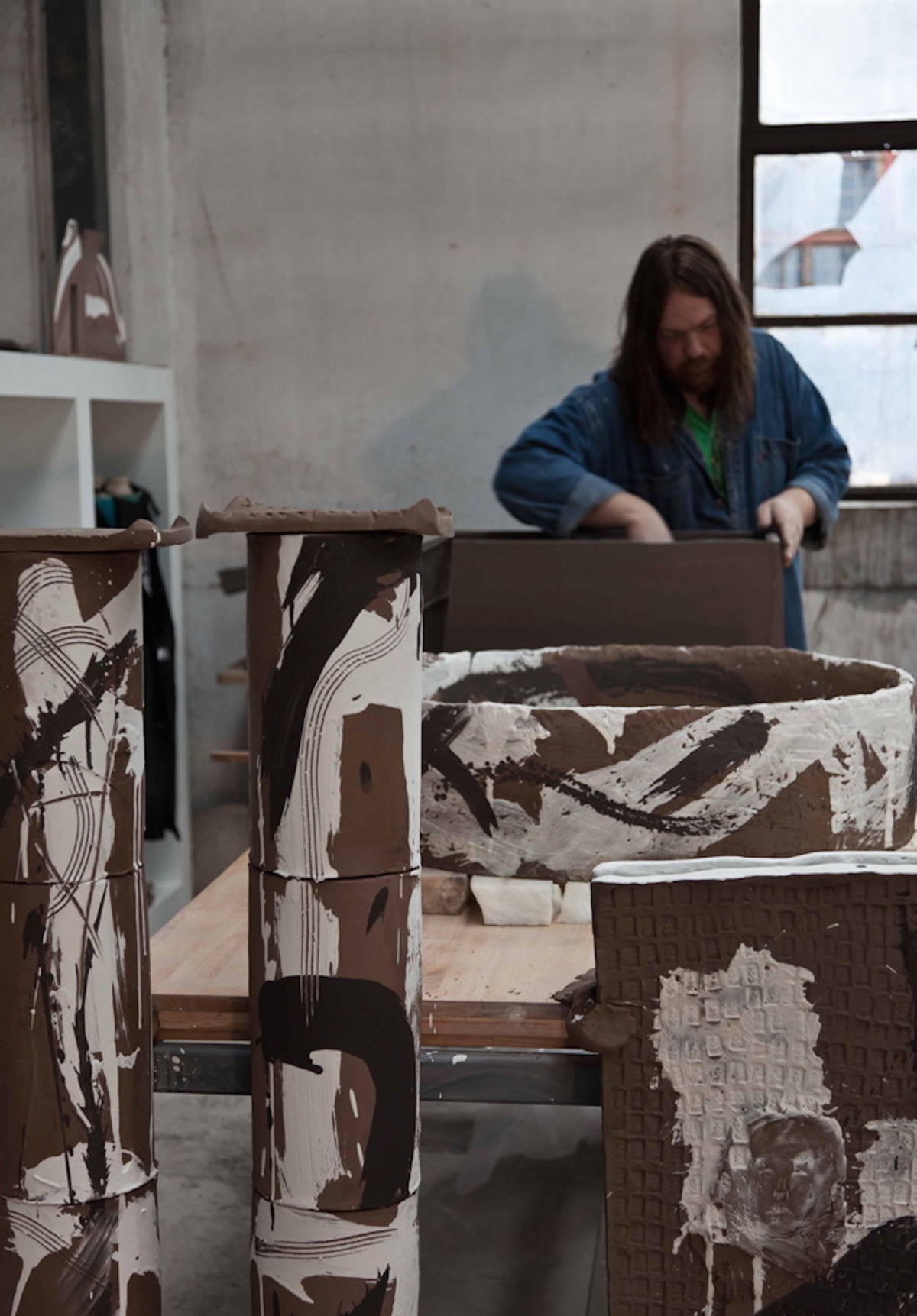
Peter Fulop, FULE Museum, China, 2011. Courtesy of Andrew Standen-Raz.
The international trajectory of Fulop’s career is significant not simply because of the number of countries in which he has worked, but because of the way travel has functioned as a form of artistic education. He has worked with porcelain in China, participated in residencies in Japan, studied at a Buddhist monastery in Korea, and returned repeatedly to cultures whose ceramic traditions initially appeared very different from his own.His deep respect for teachers, materials, and inherited knowledge has produced a practice that treats making almost as a spiritual discipline. Each new technique opens another question; each answer produces another possibility. The trajectory from Hungarian pottery to Japanese avant-garde ceramics is therefore not a rejection of one tradition in favor of another. It is an expansion of what tradition can mean.
This ability to hold contradictory ideas is a compelling element of Fulop’s work. The sculptures are rooted in pottery but resist functionality. They emerge from tradition but respond to the current moment, are carefully made yet embrace improvisation and are physical objects that attempt to communicate invisible states of energy. They are deeply connected to particular cultural histories while reaching toward something universal.
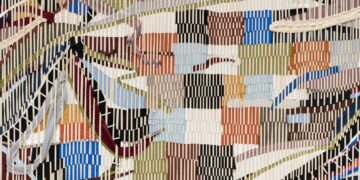
His collaborations similarly reflect this philosophy. Working with other artists, including his partner Brigitta Varadi, a visual artist working primarily with wool, Fulop has developed an increasingly fluid understanding of materials and authorship. Years of working alongside one another have allowed their practices to become permeable—to the point where each can begin to think through the other’s materials and methods. The distinction between individual artistic languages becomes less important than what can emerge through their intersection.
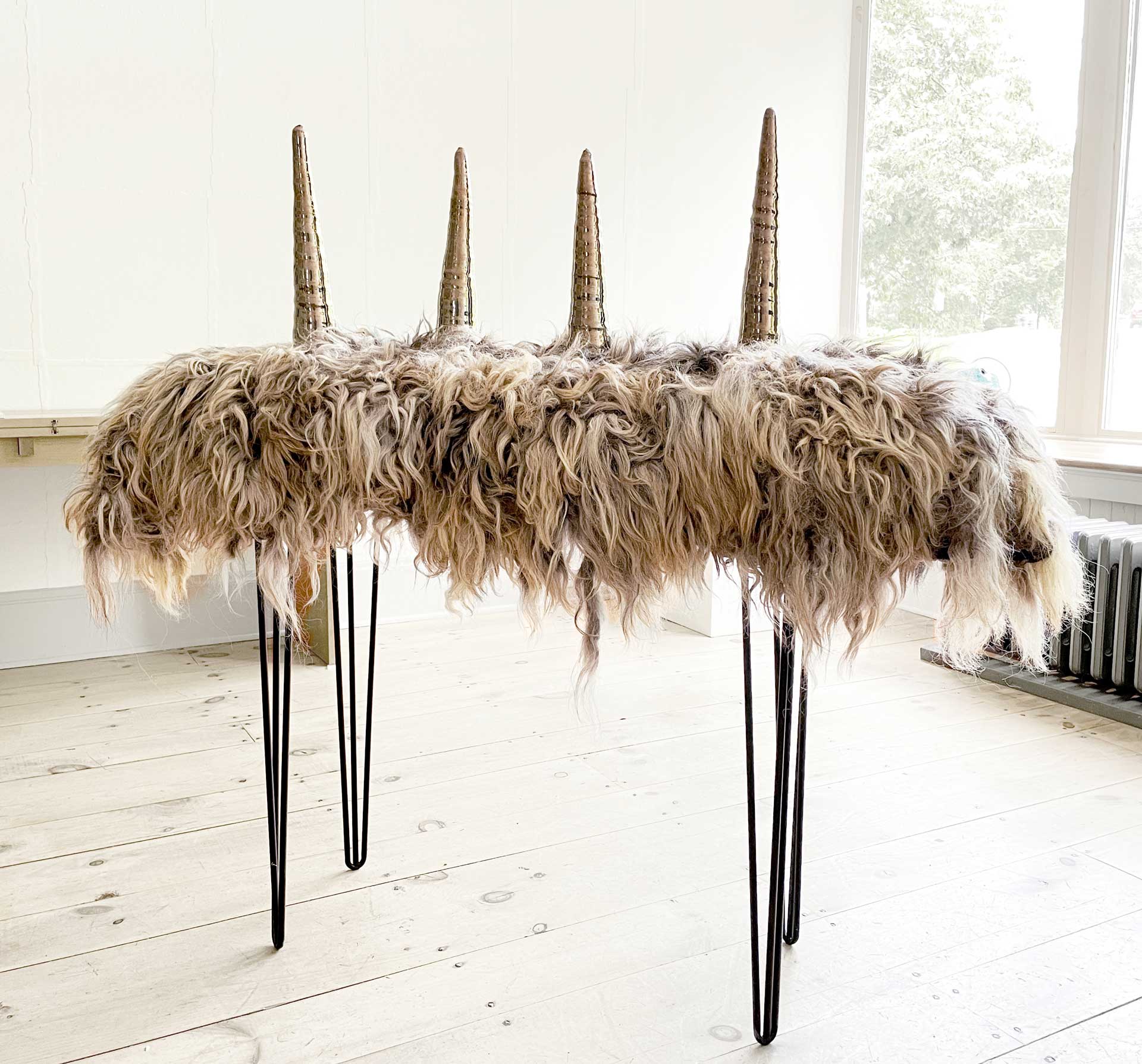
Peter Fulop & Brigita Varadi, Reverie Realms at Standard Space, Sharon, CT, 2025. Courtesy of Theodore G. Coulombe and Standard Space.
Throughout his process, Fulop remains attentive to the fact that materials have their own histories, limitations, and possibilities. His role is not simply to control them, but to enter into conversation with them. The result is a body of work that feels simultaneously ancient and contemporary.
Fulop has spent decades following the clay—from the traditions of Hungarian pottery through the experimental landscapes of Asia and into an increasingly expansive sculptural practice. What he has discovered along the way is not a single aesthetic language but a way of working: to remain open to the material, to trust the moment, and to allow the physical act of making to reveal what cannot always be known beforehand. His sculptures are therefore not simply objects. They are traces of encounters—between the artist and the material, between tradition and experimentation, between control and surrender, and ultimately between the visible world and the invisible forces that shape it.
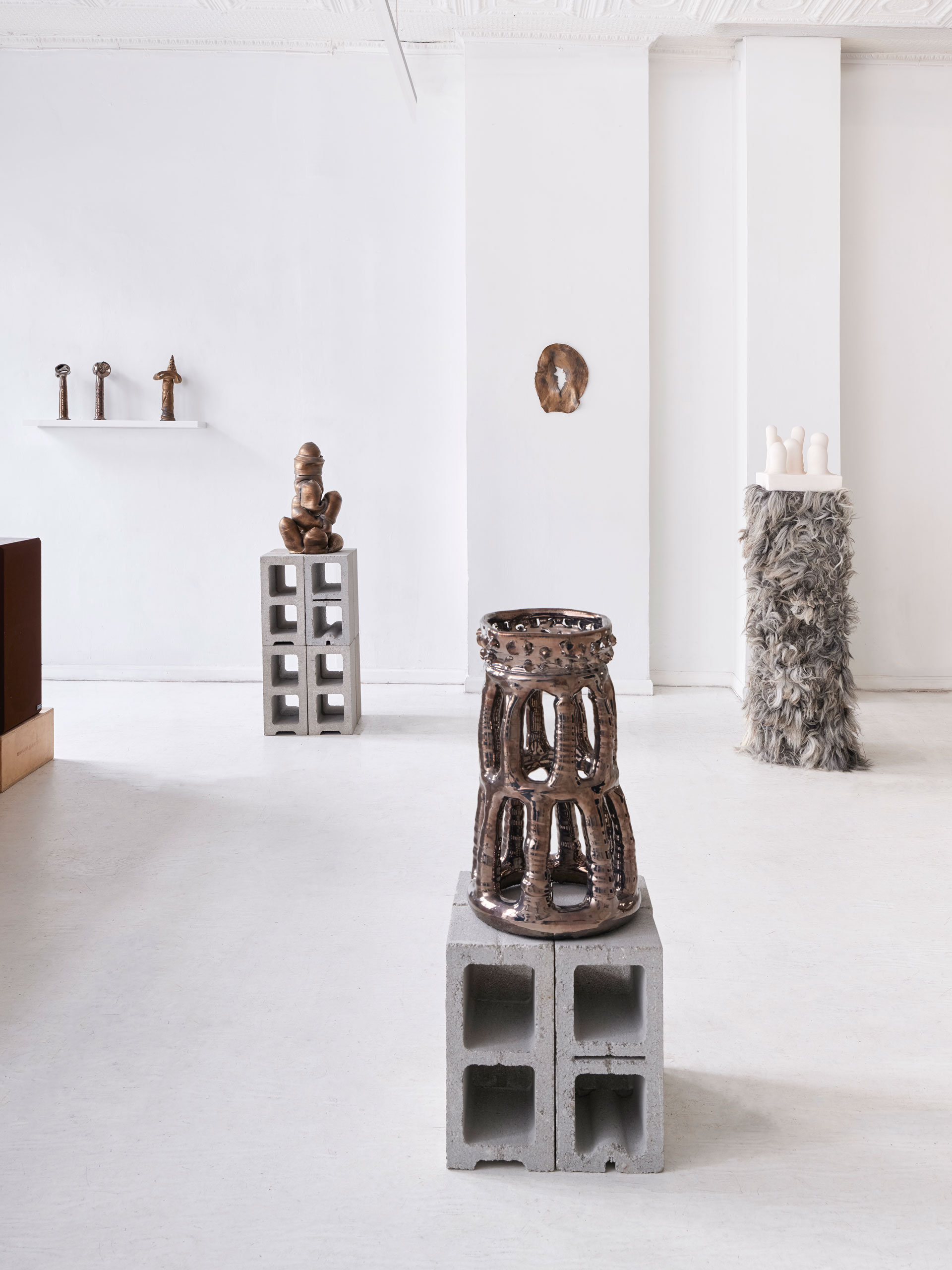
Peter Fulop and Brigitta Varadi, Material Resilience at earshot.nyc, NYC., 2026. Courtesy of Flaneurshan.studio
Hayley Ferber is a Brooklyn-based independent curator, educator, and artist with a professional mission to support a creative community of multidisciplinary artists. She has curated more than 20 exhibitions for institutions including Westbeth Gallery, BronxArtSpace, 440 Gallery, Residency Unlimited, All Street Gallery, Lichtundfire, Equity Gallery, and the Consulate General of Brazil in New York among others. Her writing has been published in Art Spiel, Art DIalogues and USA Art News. Hayley holds an MAT in Art & Design Education from RISD and a BS in Studio Art from NYU.
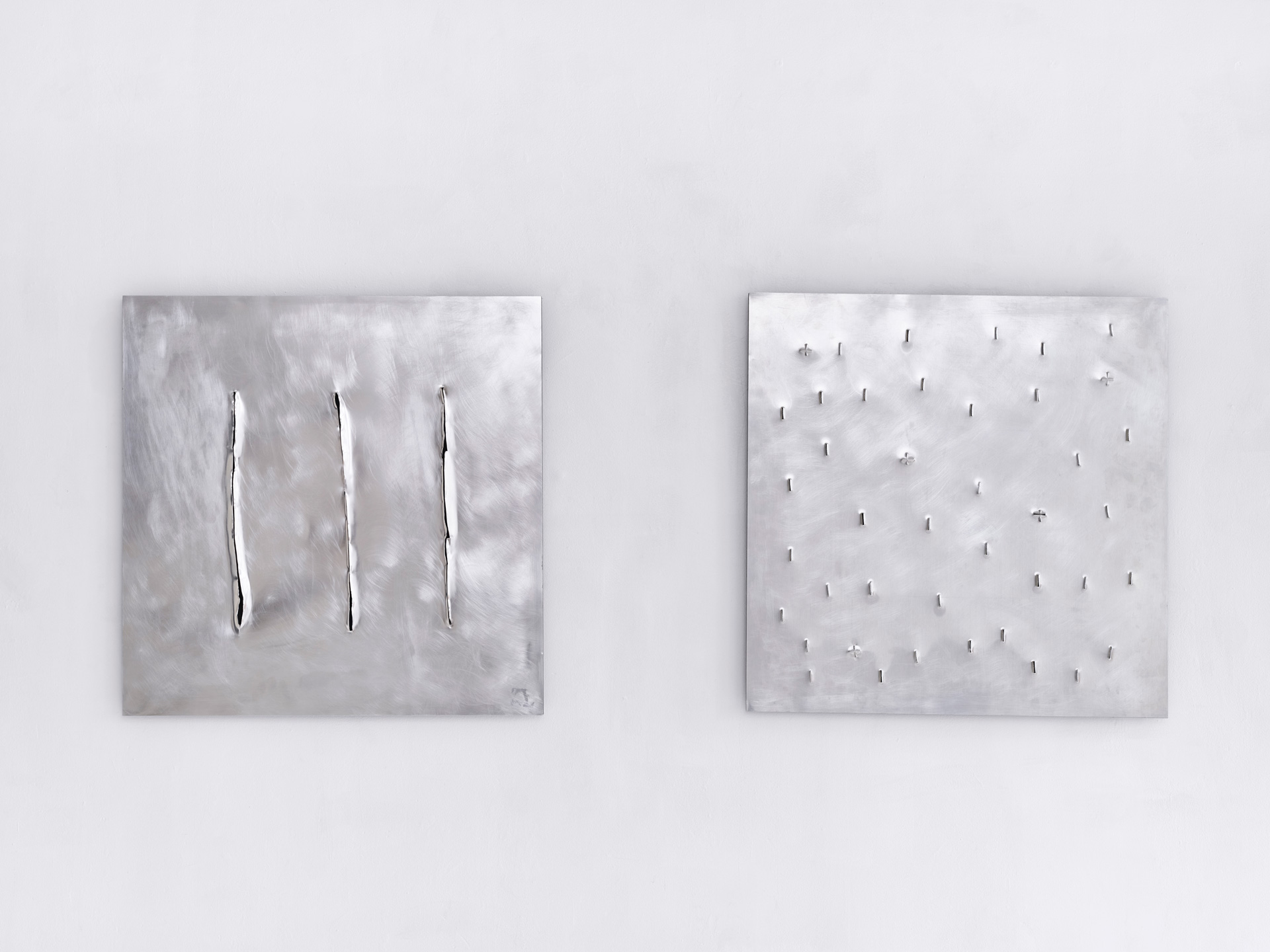
Peter Fulop, Material Resilience at earshot.nyc., NYC, 2026. Courtesy of Flaneurshan.studio.
Peter Fulop is a multidisciplinary artist, curator, and educator whose practice spans ceramics, sculpture, installation, and collaborative projects. Originally trained in ceramics in Hódmezővásárhely, Hungary, Fulop established his studio in Ireland in 2001 and relocated to the United States in 2018. His international practice has been shaped by extensive study and residencies in the UK, China, Korea, Japan, Ireland, and the United States. In Japan, he lived and studied with renowned ceramic artist Koie Ryoji at his home, an immersive experience that became an important influence on Fulop’s artistic practice.
Fulop was a Windgate Fellow at the Archie Bray Foundation for the Ceramic Arts in Helena, Montana, and has participated in numerous international artist residencies. His work has been exhibited widely in museums and galleries, including the Katonah Museum of Art, Bronx Art Space, the Wassaic Project, Farmleigh Gallery, the National Craft Gallery of Ireland, Mungyeong Ceramic Museum, Gangjin Celadon Museum, and Shigaraki Ceramic Cultural Park.
His work is held in numerous public collections, including the Archie Bray Foundation, National Museum of Ireland, Ulster Museum, Mungyeong Ceramic Museum, Gangjin Celadon Museum, Shigaraki Ceramic Cultural Park, and the IWCAT Collection in Japan. Alongside his studio practice, Fulop has curated exhibitions and developed public and community-based art projects internationally. He has an upcoming solo exhibition at KAPOW Gallery, New York, in 2027.
Hero image: Peter Fulop, NOBU, Leitrim Sculpture Center, 2016. Courtesy of Keith Nolan.