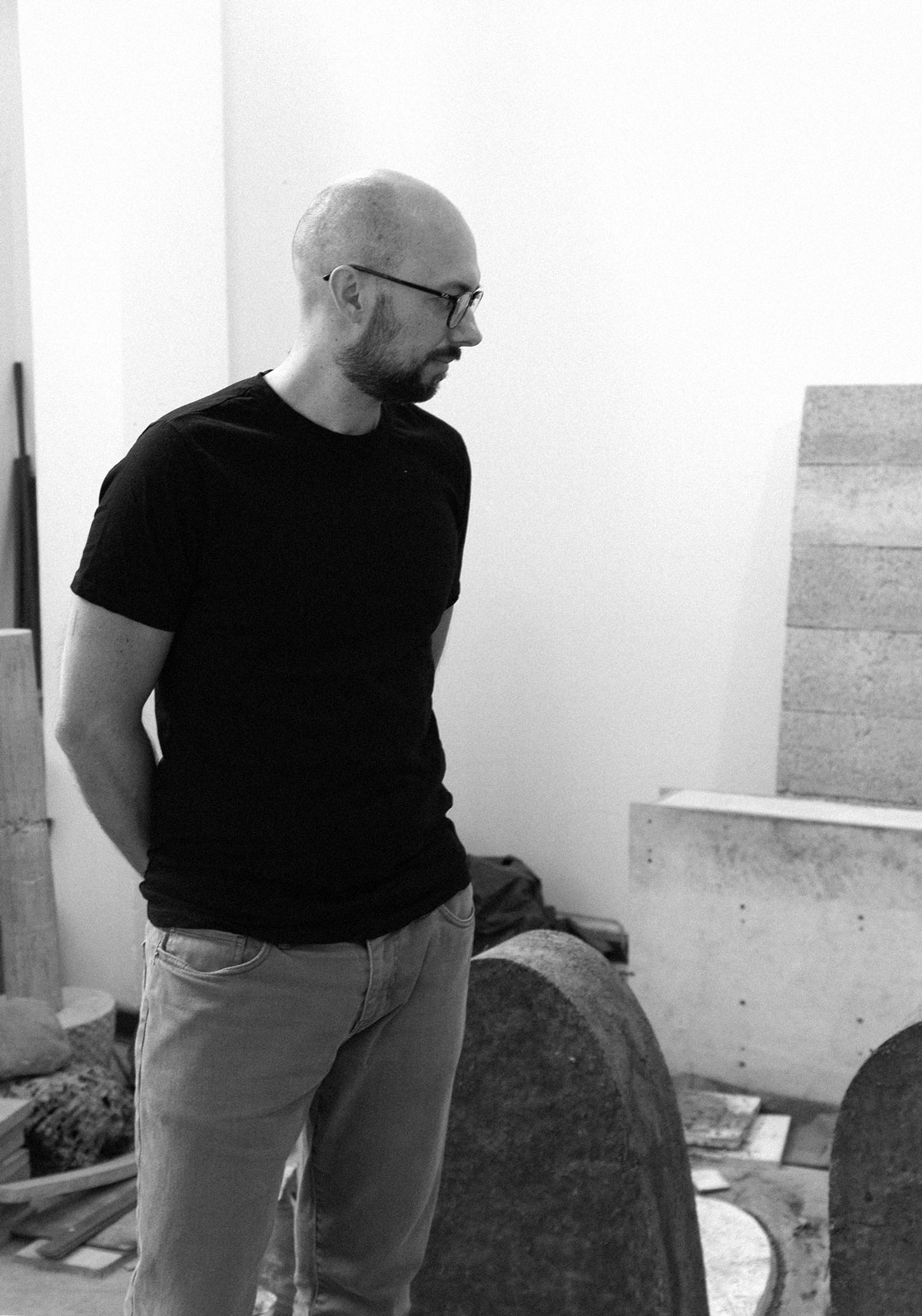
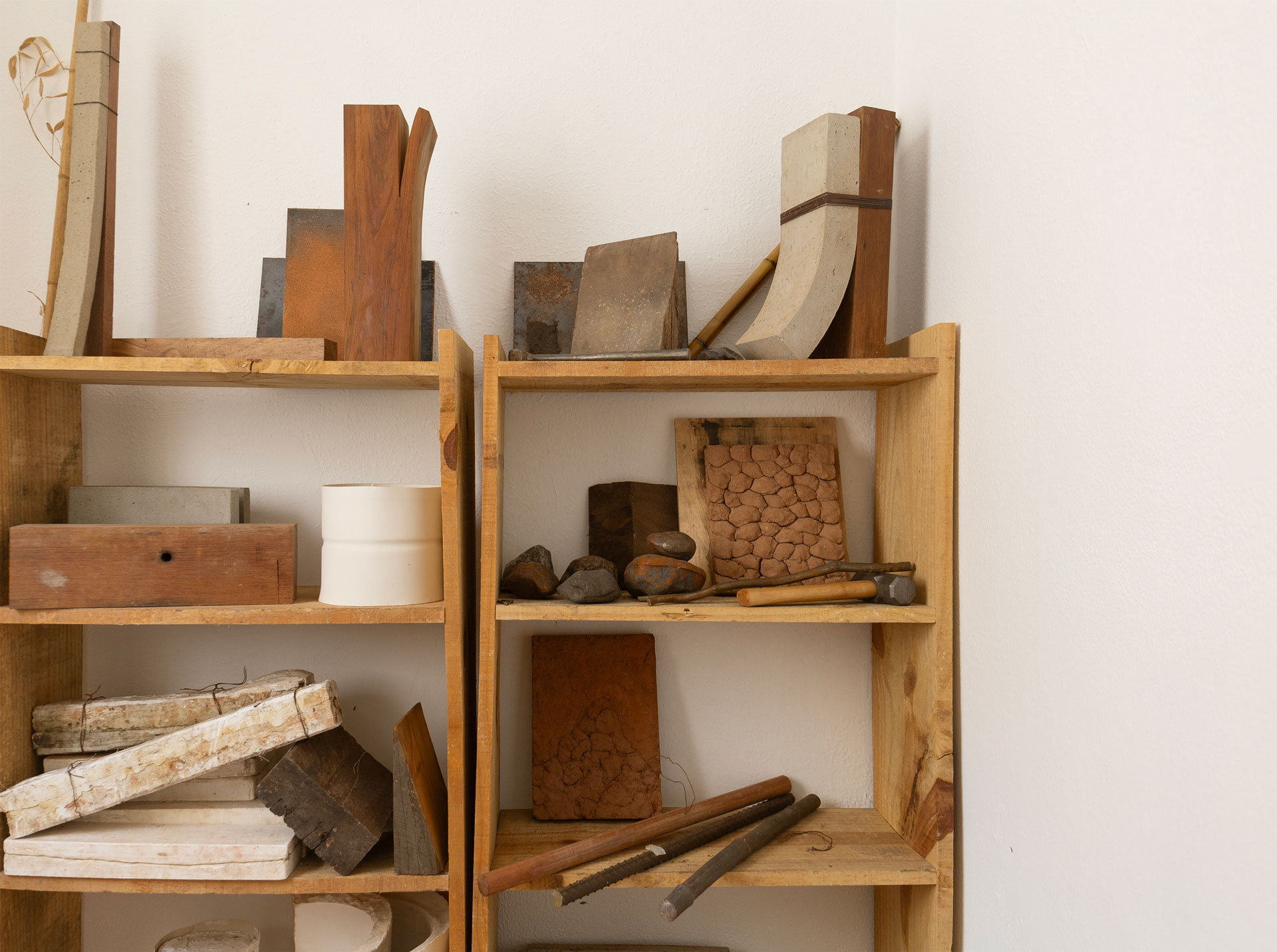
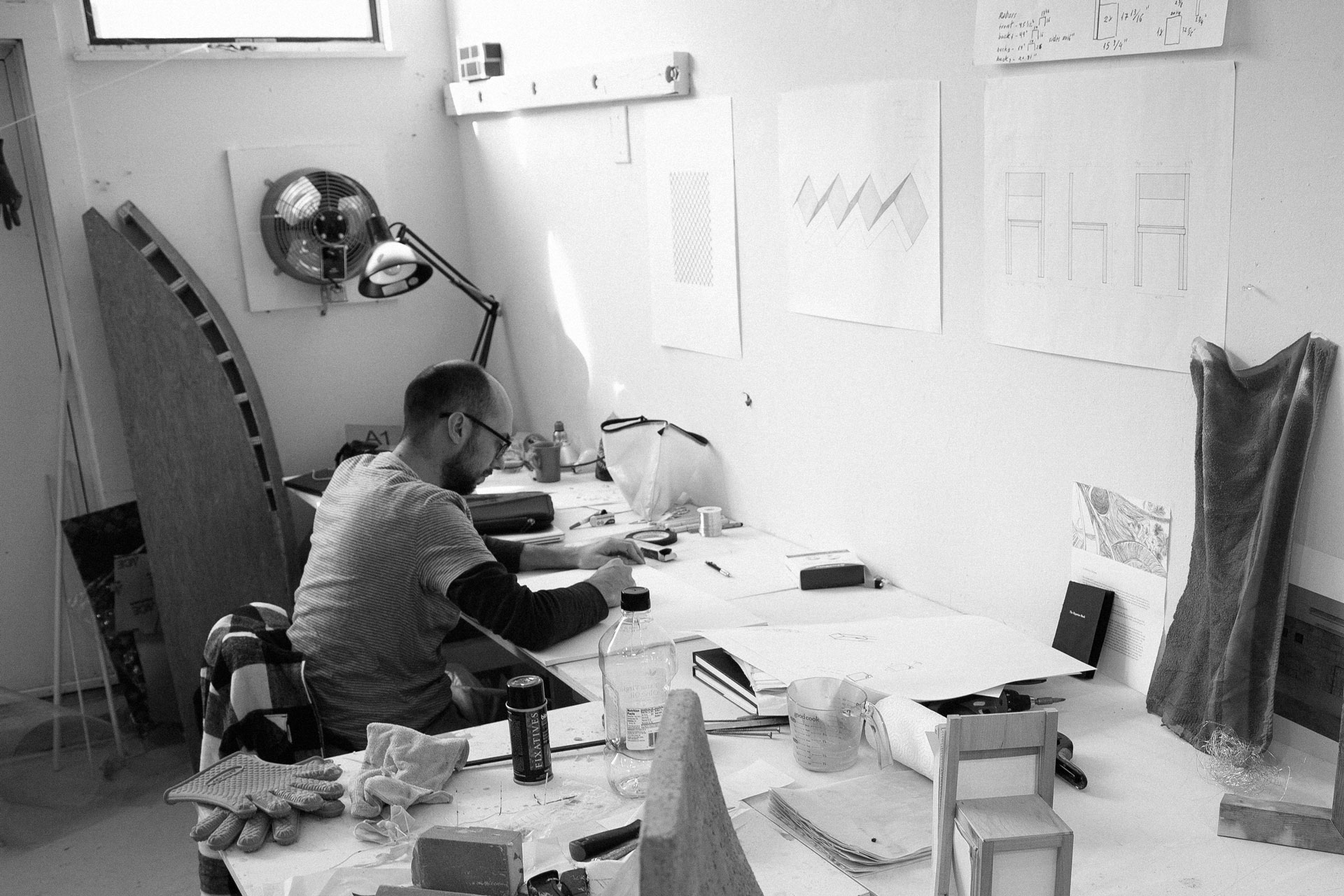
My studio is a space of encounter with materials, where I bring together matter, forms, and techniques that interest me and allow the work to begin from there. Often, the process starts with the act of making itself. Through this hands-on engagement, I come to understand the materials, their limits, possibilities, and meanings. As the work unfolds, the research takes shape alongside it.
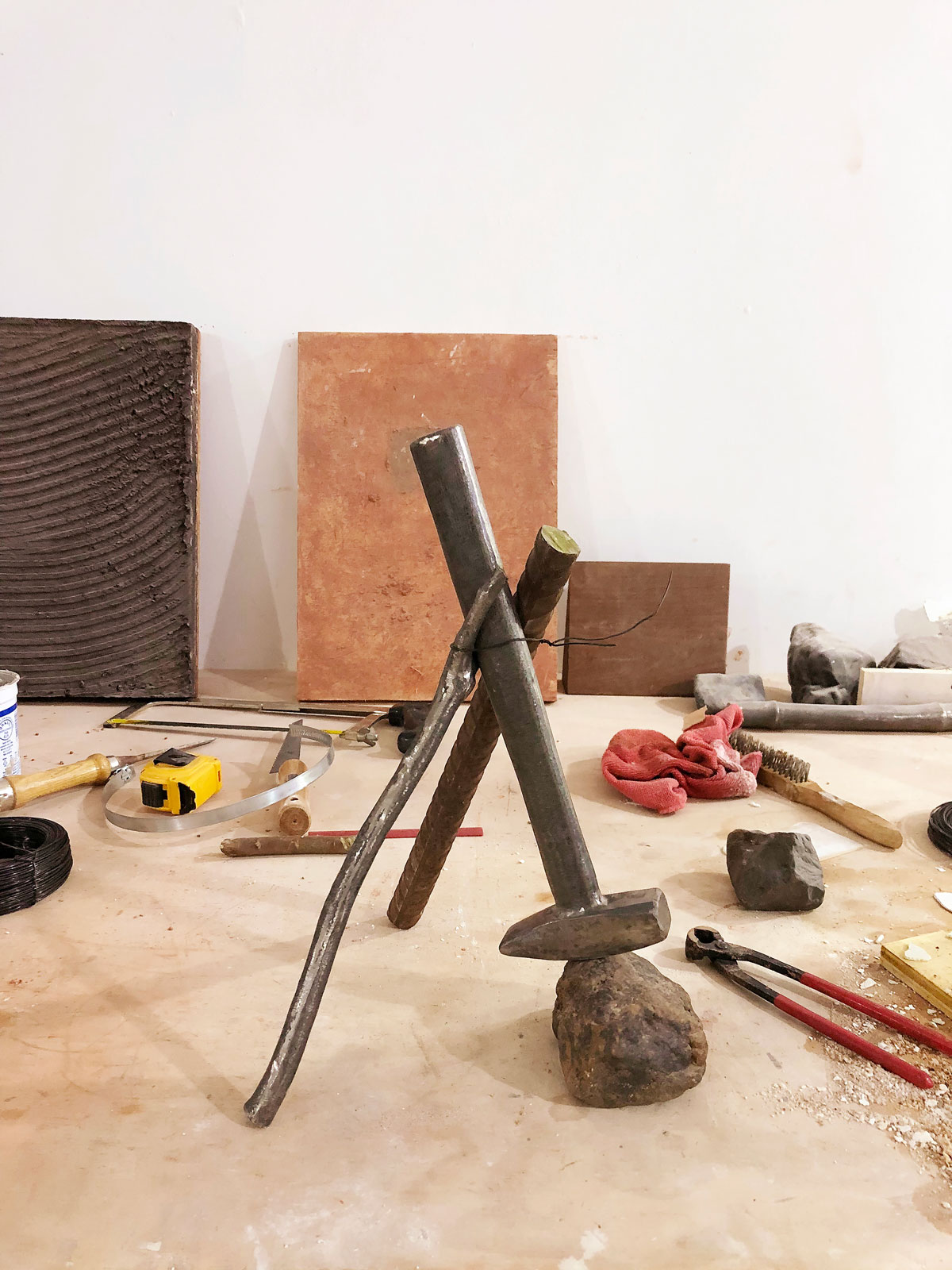
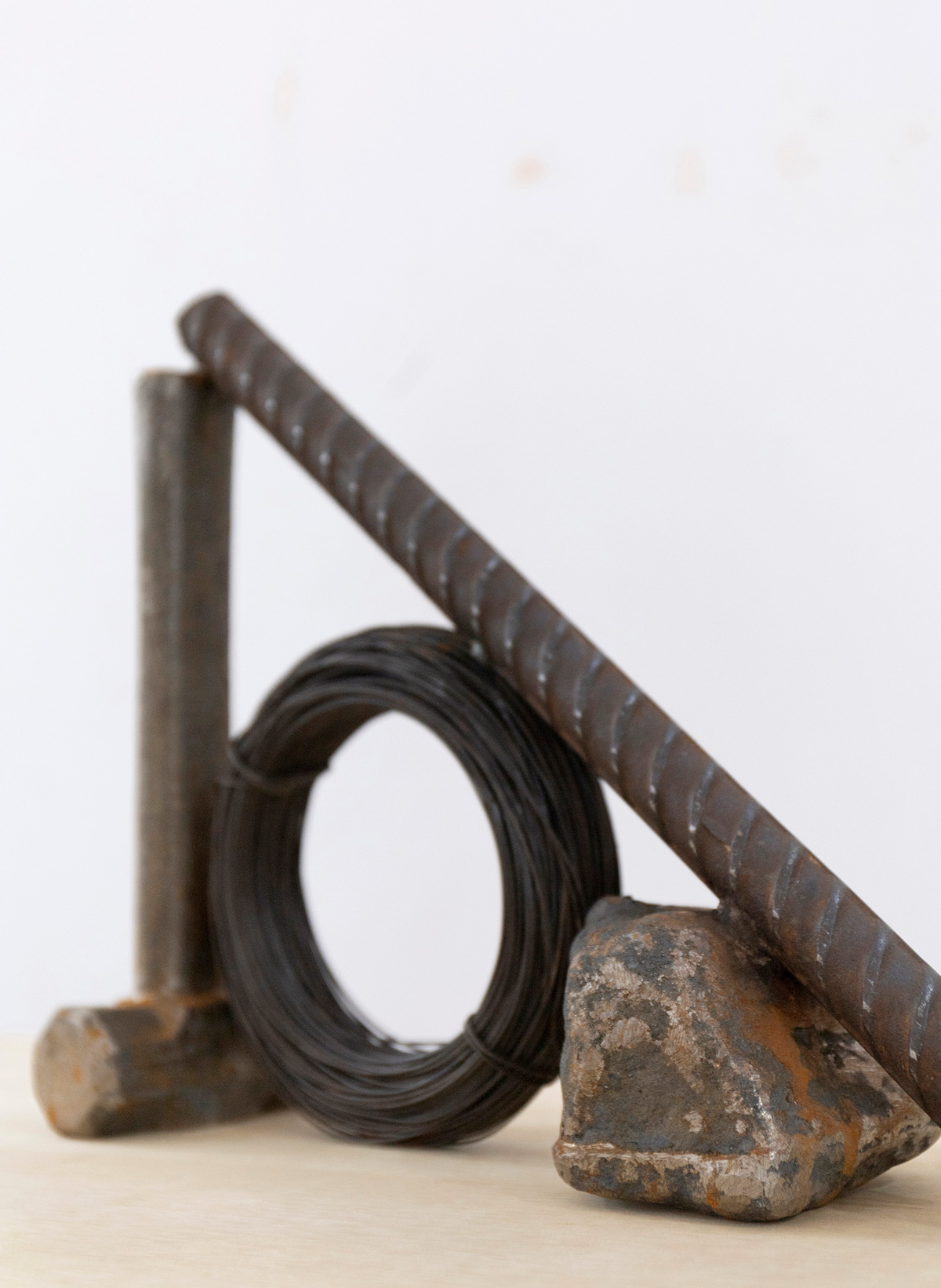
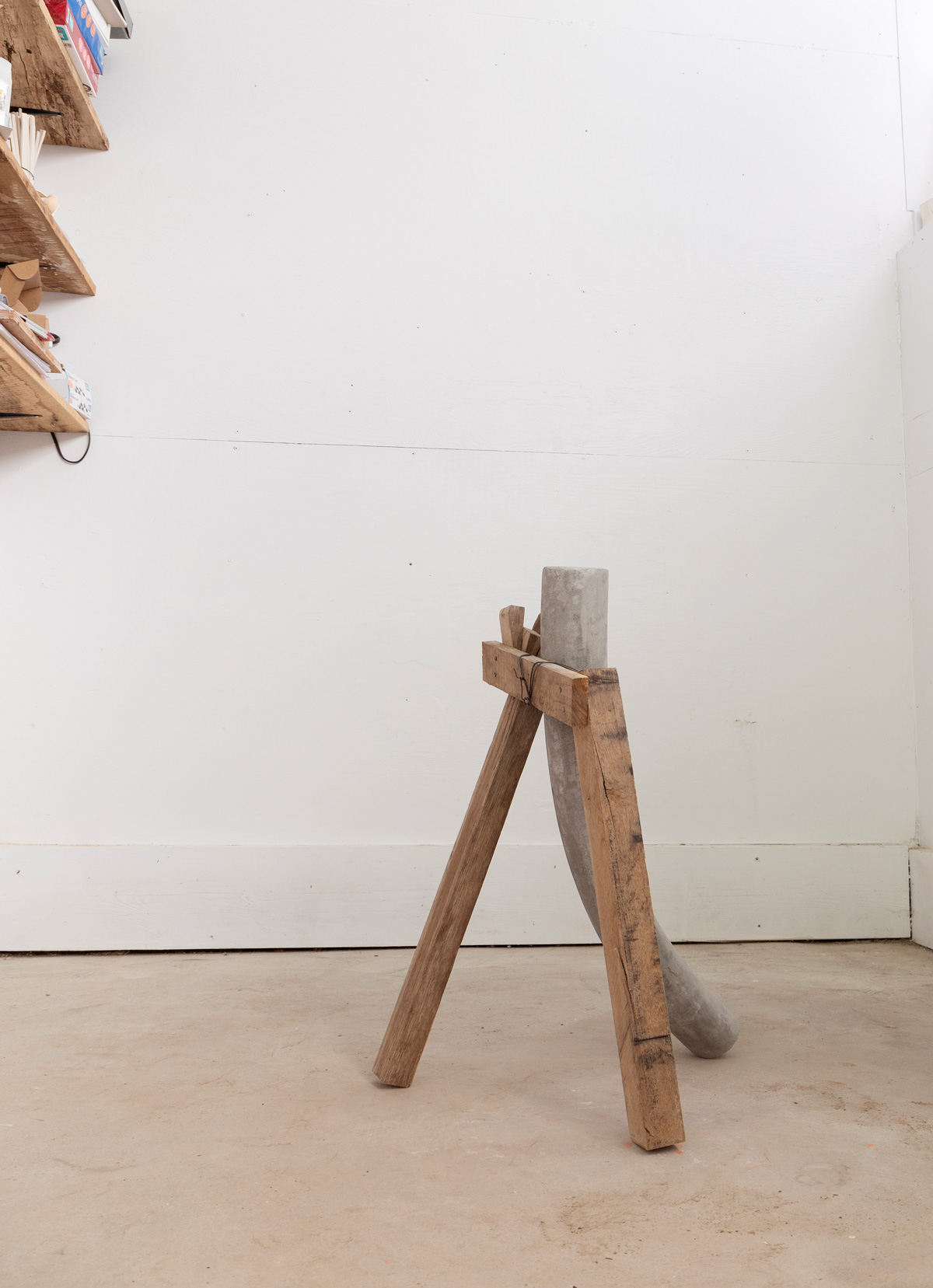
In a way, the materials guide me: how they come together, move apart, complement one another, and how they respond to each other and to my presence. I enjoy working with my hands—feeling the weight, resistance, texture, and temperature of things. My studio functions like a workshop, where I apply and invent processes, build, assemble, and take things apart. There is a great deal of trial and error. Some things work, others do not, and some take on a direction of their own, moving away from what I had initially imagined. The works emerge gradually, somewhere between decisions and accidents.
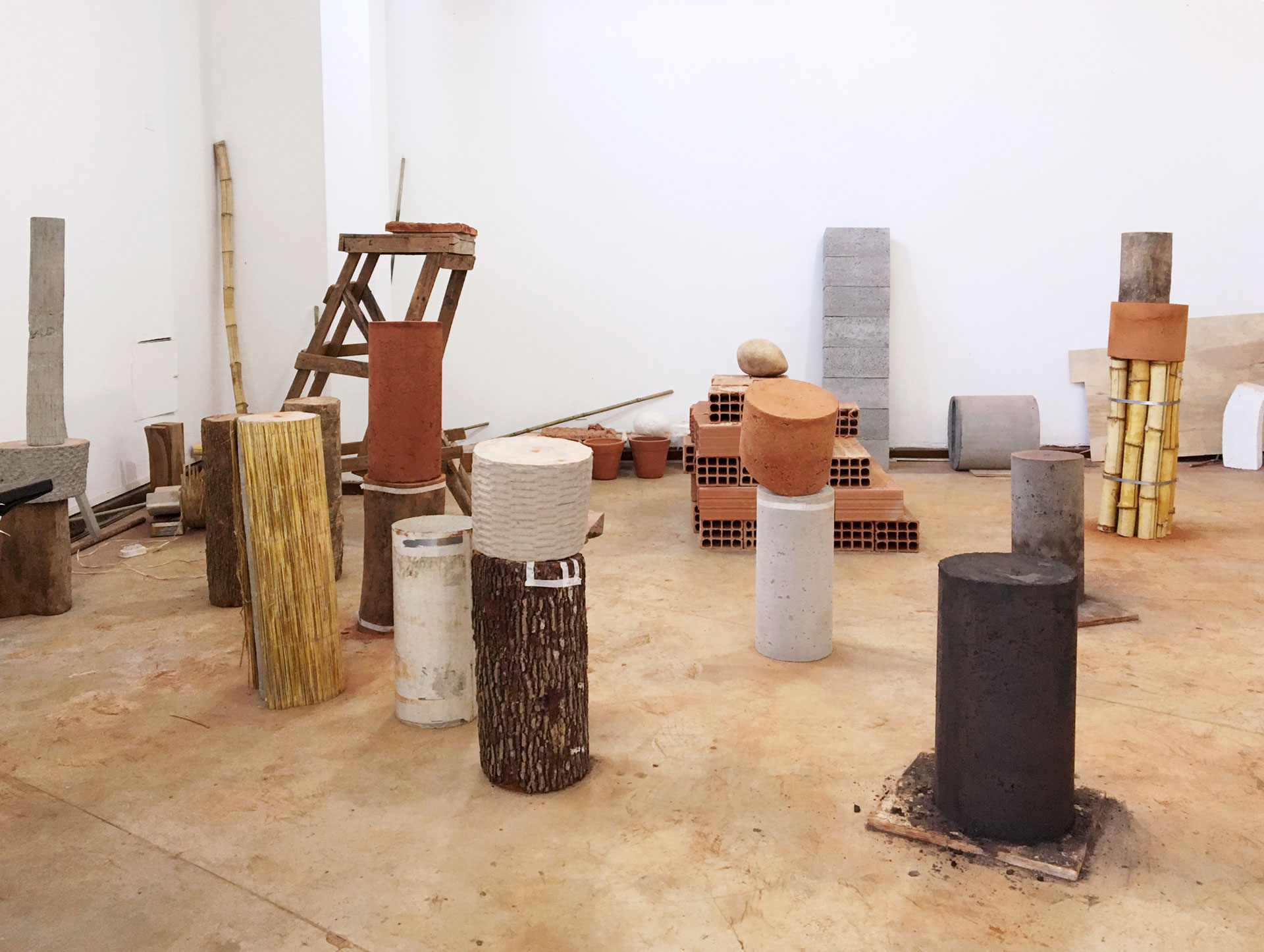
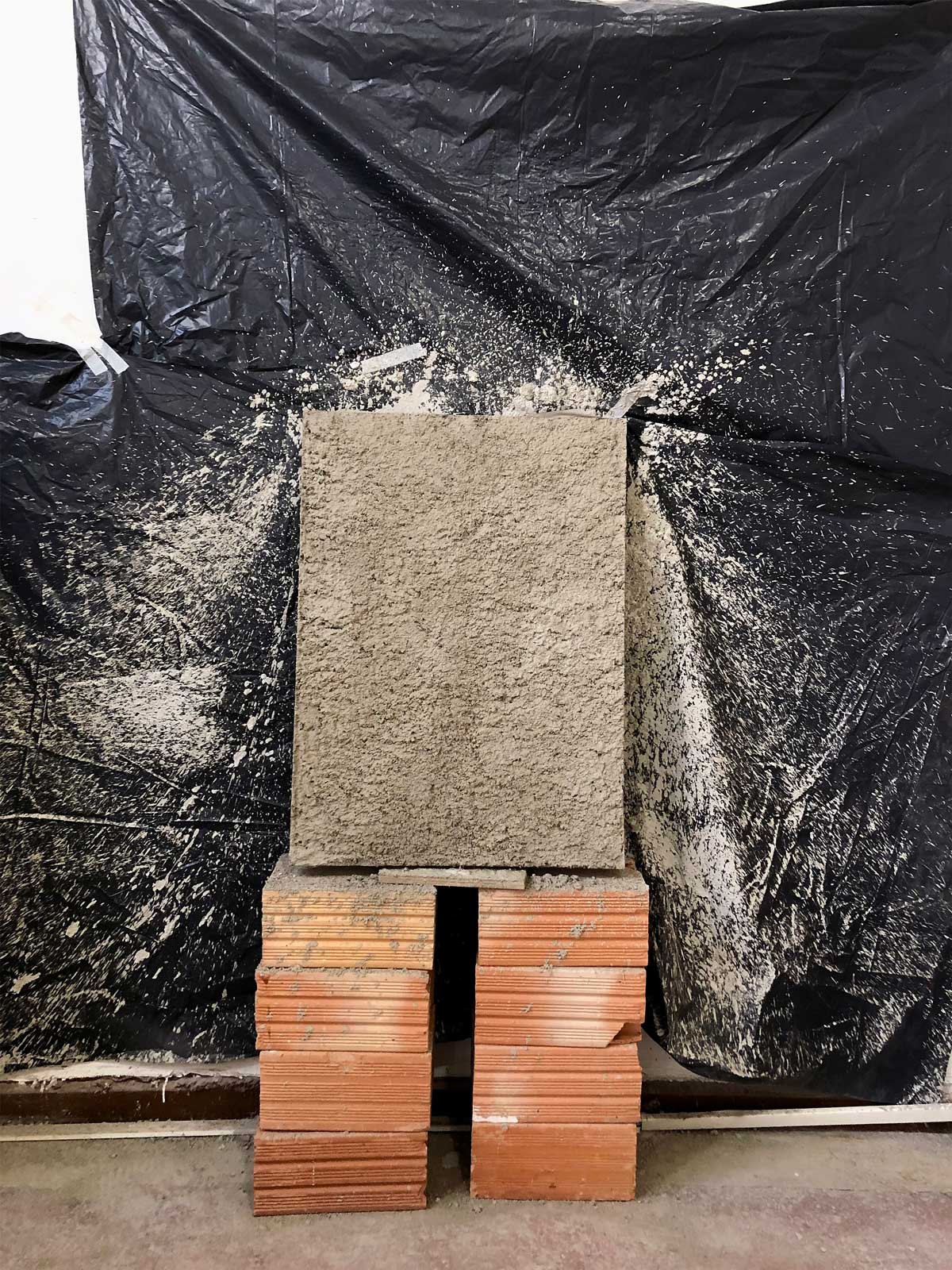
At times, my studio resembles a construction site. Much of what I use comes from the world of building and construction. Earth, cement, wood, molds, tools, remnants, and fragments accumulate and intermingle. The space becomes a kind of disorder in which everything seems to be in motion. There is a beauty in this construction site, where the sculptures seem to emerge from the ground.
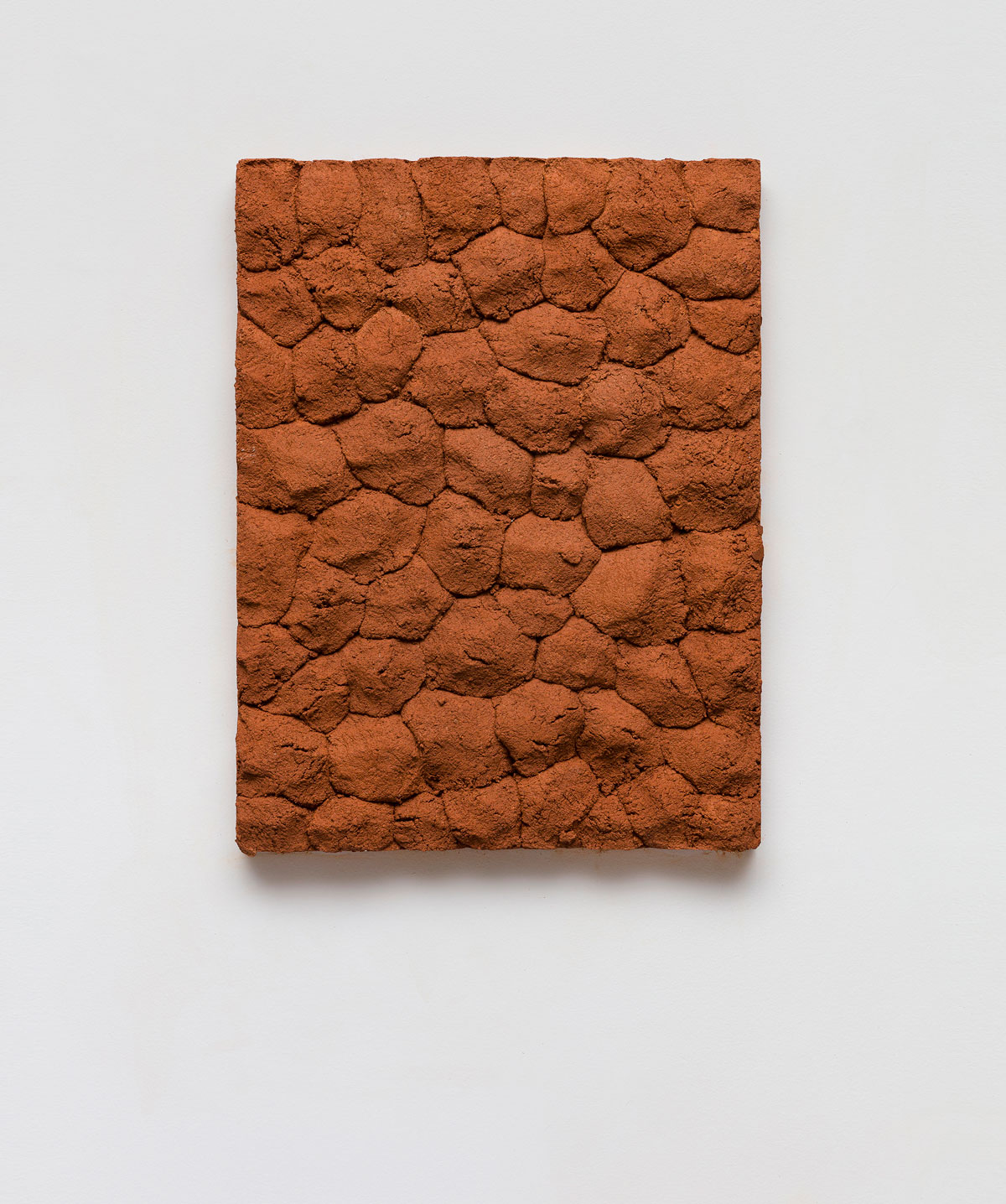
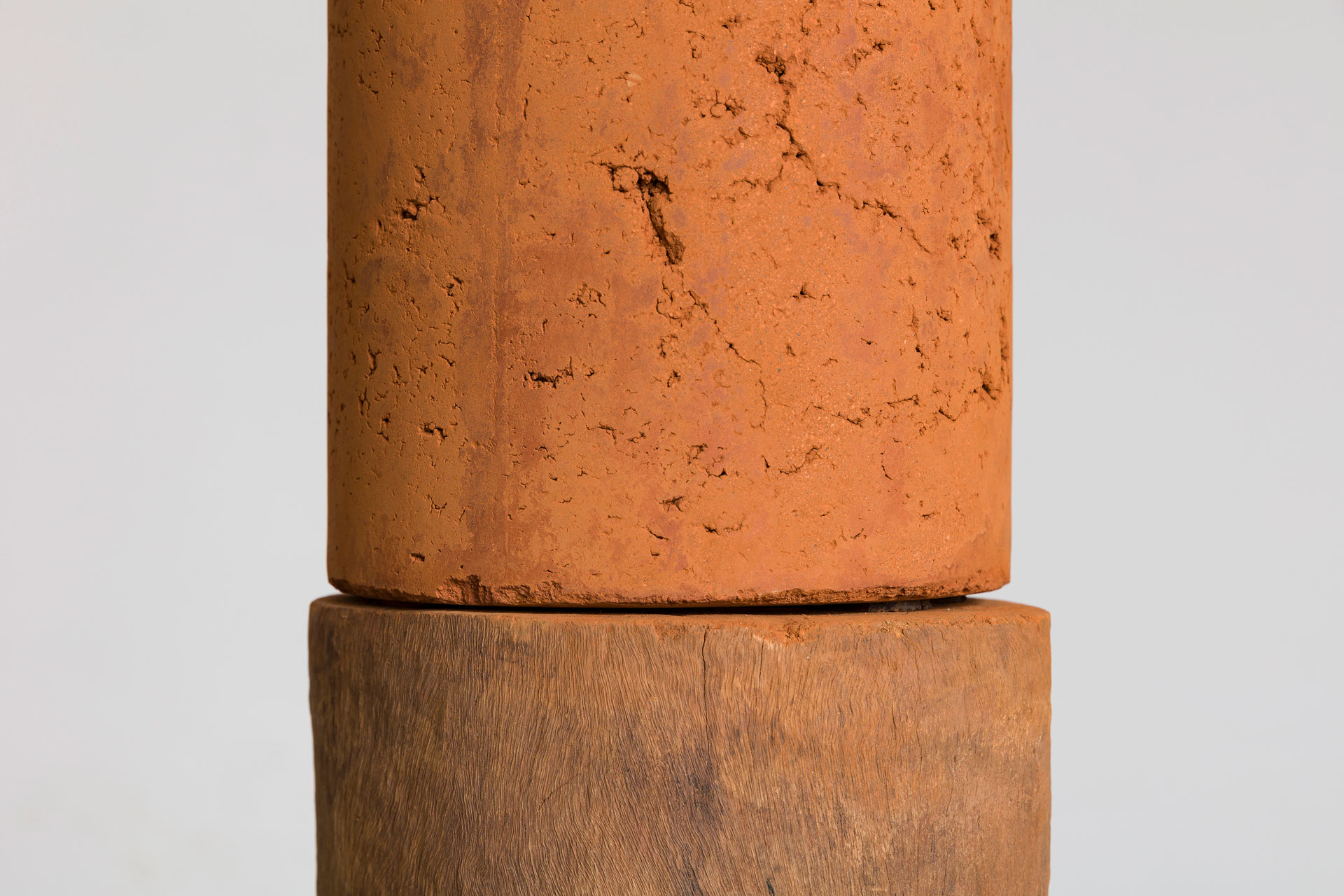
I have also been working with traditional building techniques such as adobe and pau a pique (wattle and daub). The iron oxide-rich earth from the region of Belo Horizonte, Minas Gerais, Brazil, where I grew up, eventually spreads throughout the space. A fine, reddish dust settles over the surfaces, bringing the memory of that ground into the studio.
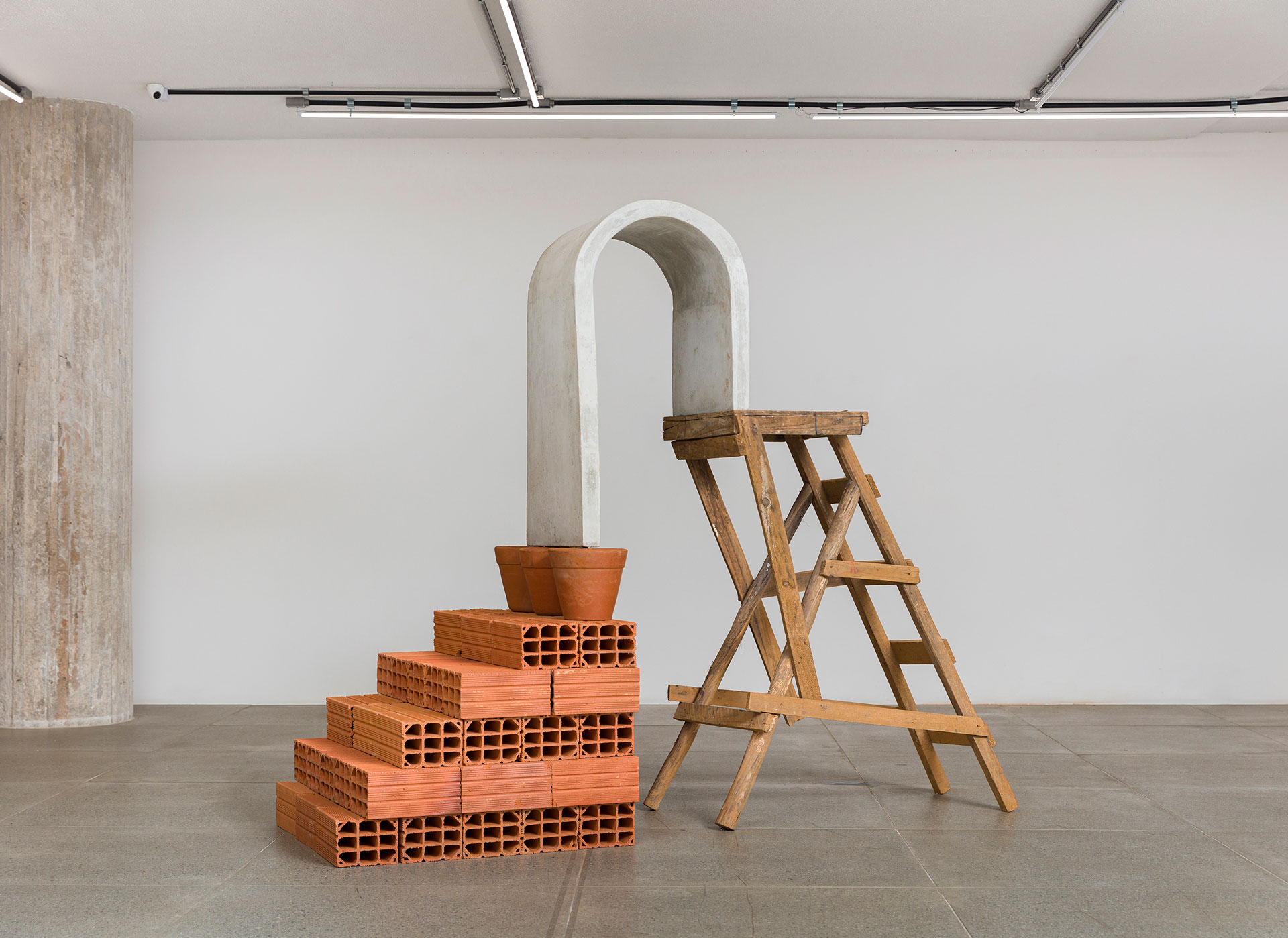
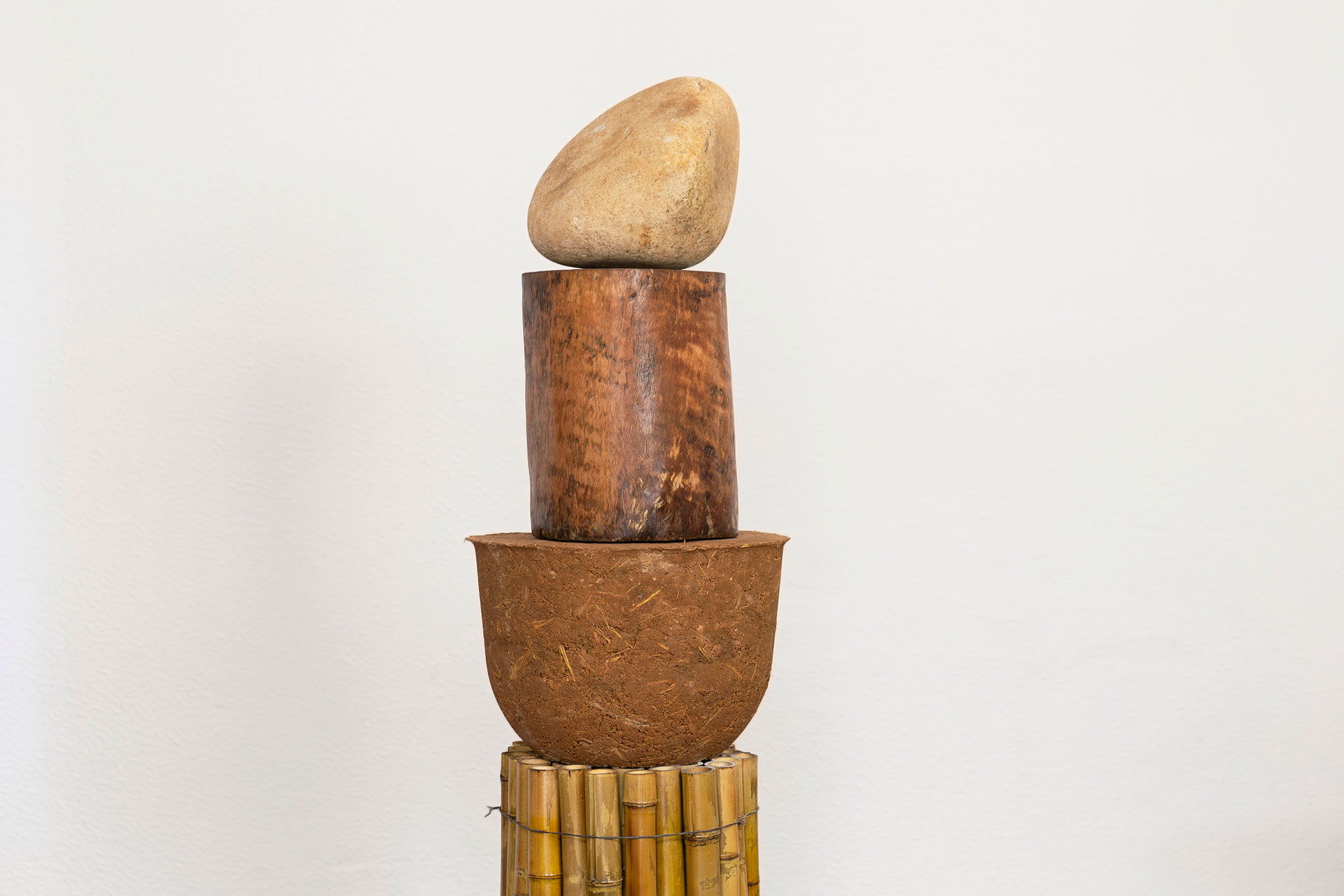
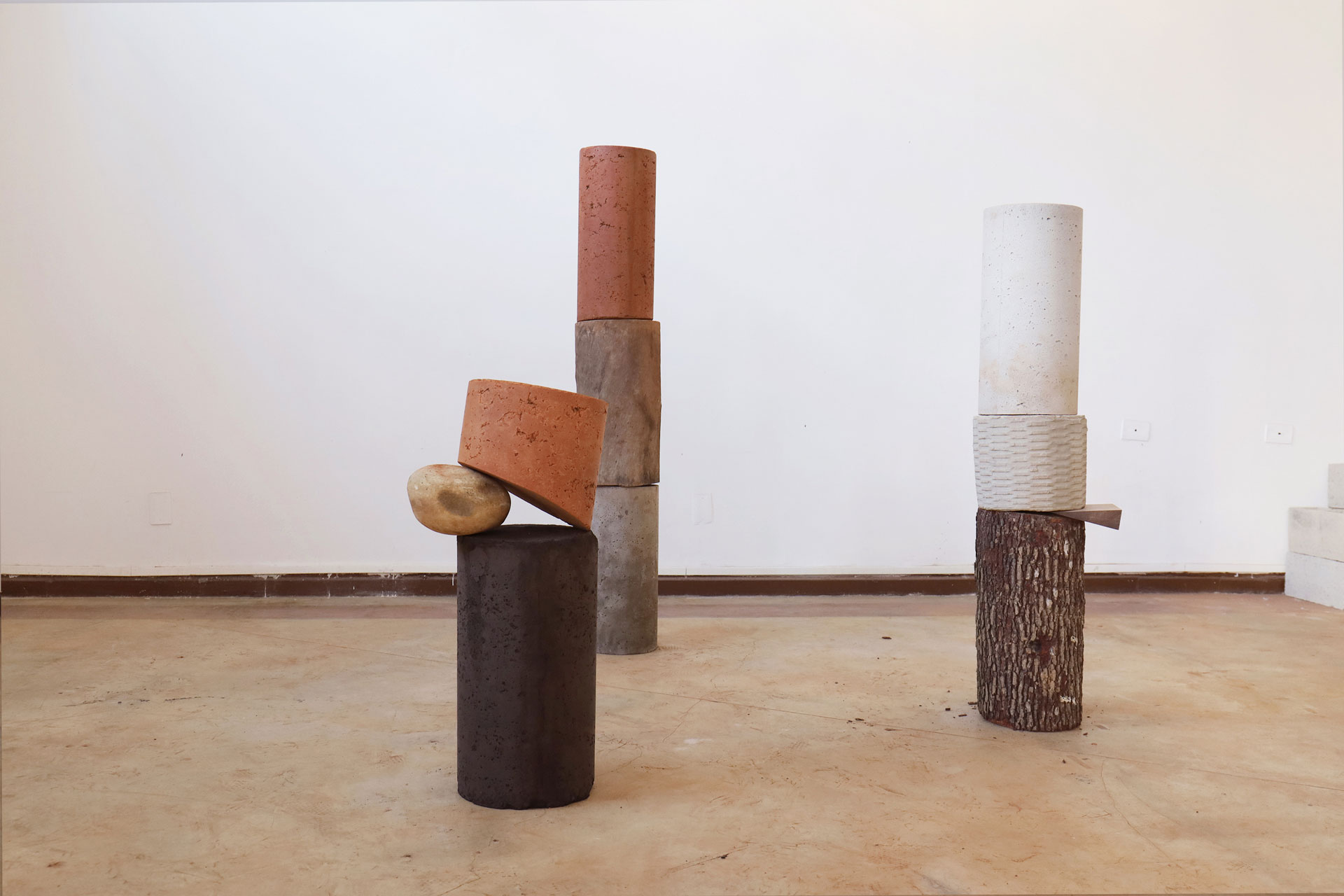
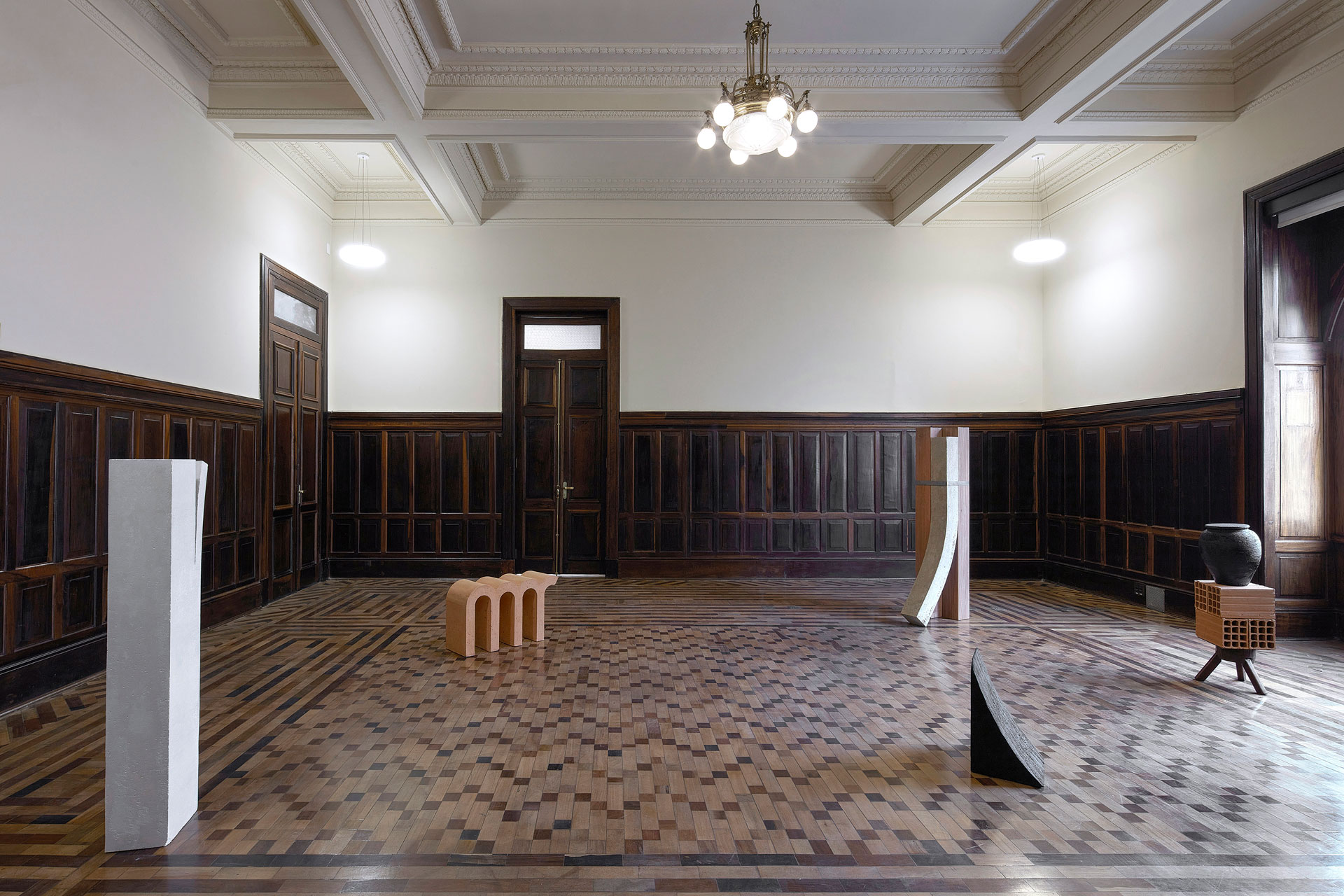
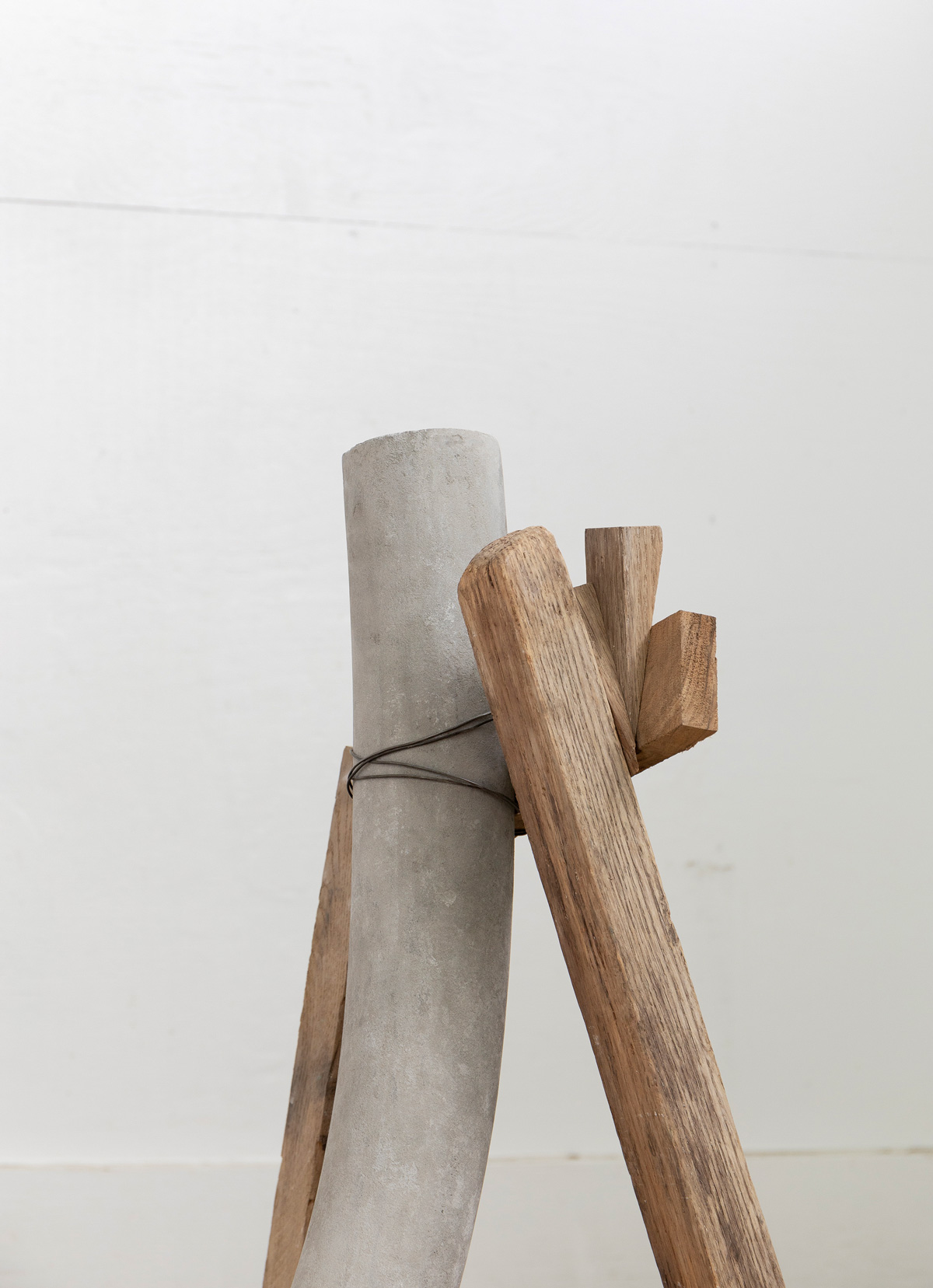
I often work with simple gestures such as stacking, leaning, tying, and supporting. I am drawn to the intelligence of the hands embedded in these elemental ways of making architecture. In the Colunas-pilha series, for example, each sculpture is composed of volumes made from different materials and construction processes, including adobe, bamboo, wood, concrete, ceramic, and iron. These volumes are brought together and stacked one on top of another to form a column. Different materials support and complement one another in the construction of a single architectural unit.
Each layer carries within it a way of making, a time, and a place. It is like peeling back a wall and discovering its history through the different layers of techniques and materials used in its construction.
You can find out more about Bruno Cançado at @brunocancado // brunocancado.com
Photos: Courtesy of the artist.