1000 Saguaros
I moved from New York City to Tucson, Arizona, in 2021. After years of living in a large city, I wanted more space and a closer connection to nature. I knew very little about the Sonoran Desert, its biodiversity, or the ecological relationships that make it one of the most distinctive deserts in the world.
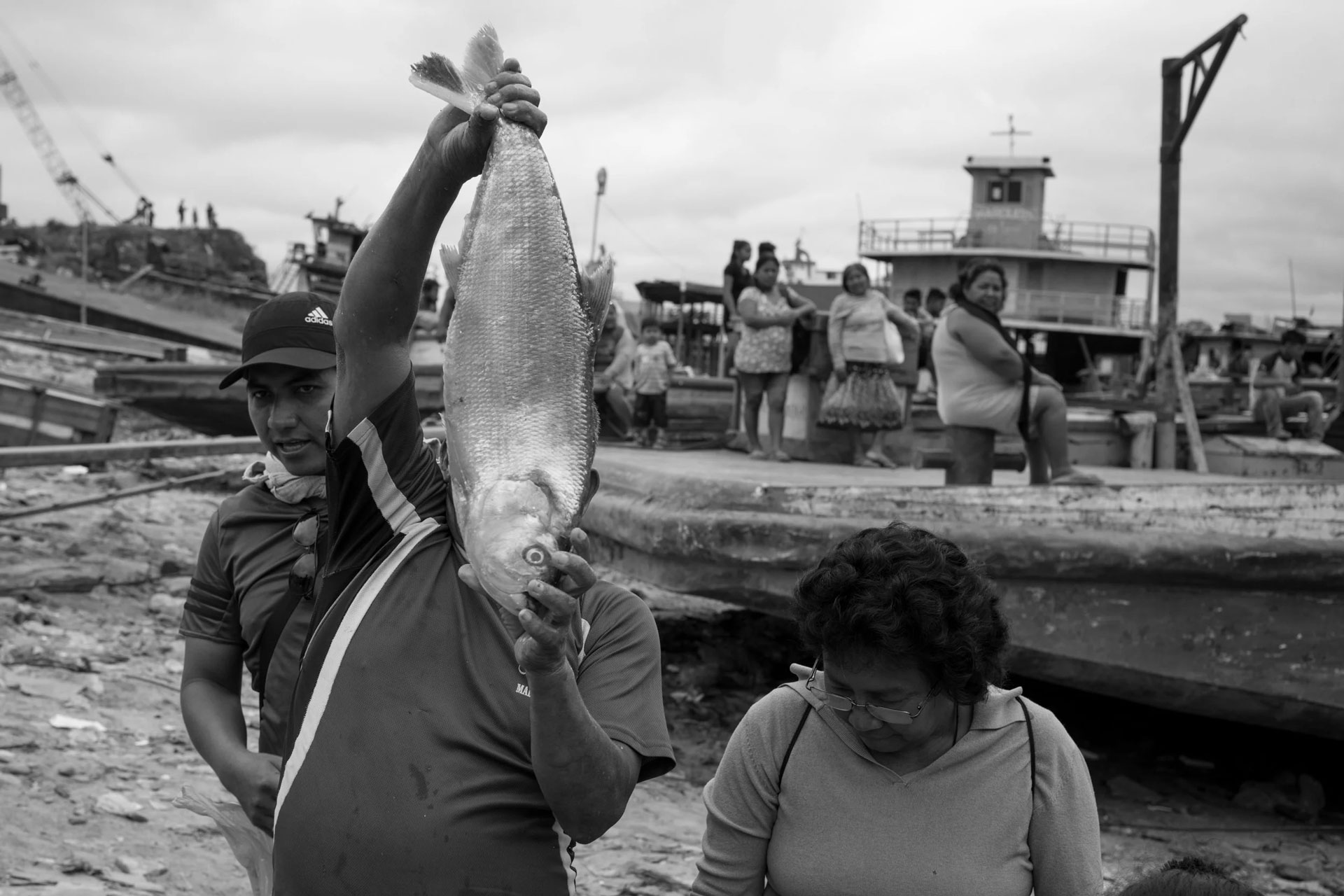
As a social and environmental photographer, my work has always been connected to my curiosity about the natural world and the relationships between people and their surroundings. Before 1000 Saguaros, I had already explored environmental and social issues through photography and documentary filmmaking. In Brazil, I worked on projects such as Esperança Terena, which focused on an Indigenous community, and Ser Manguezal, a short documentary I directed and produced about the relationship between people and mangrove ecosystems. My photographs have also accompanied reporting on water resources, land rights, and environmental issues.
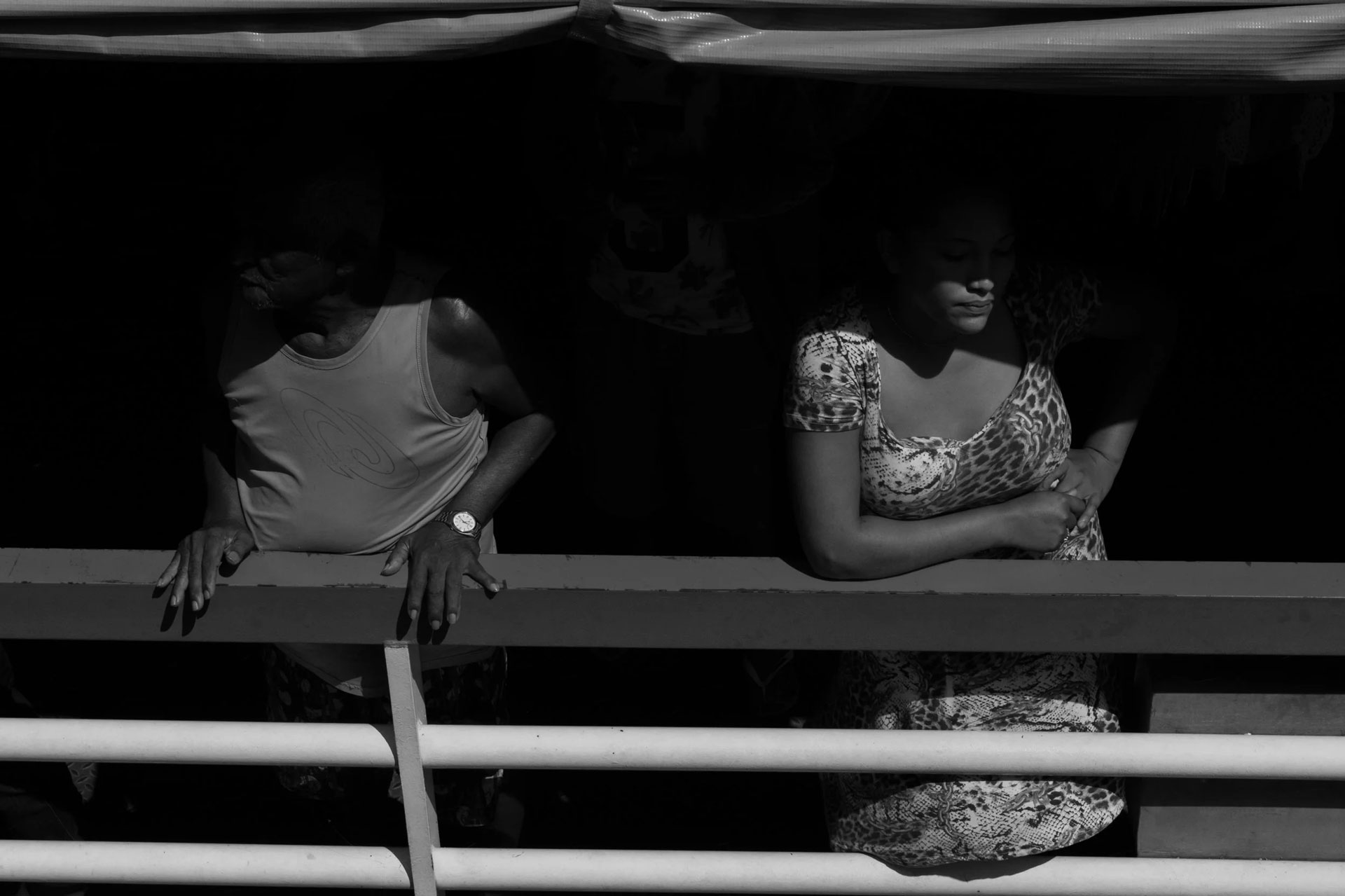
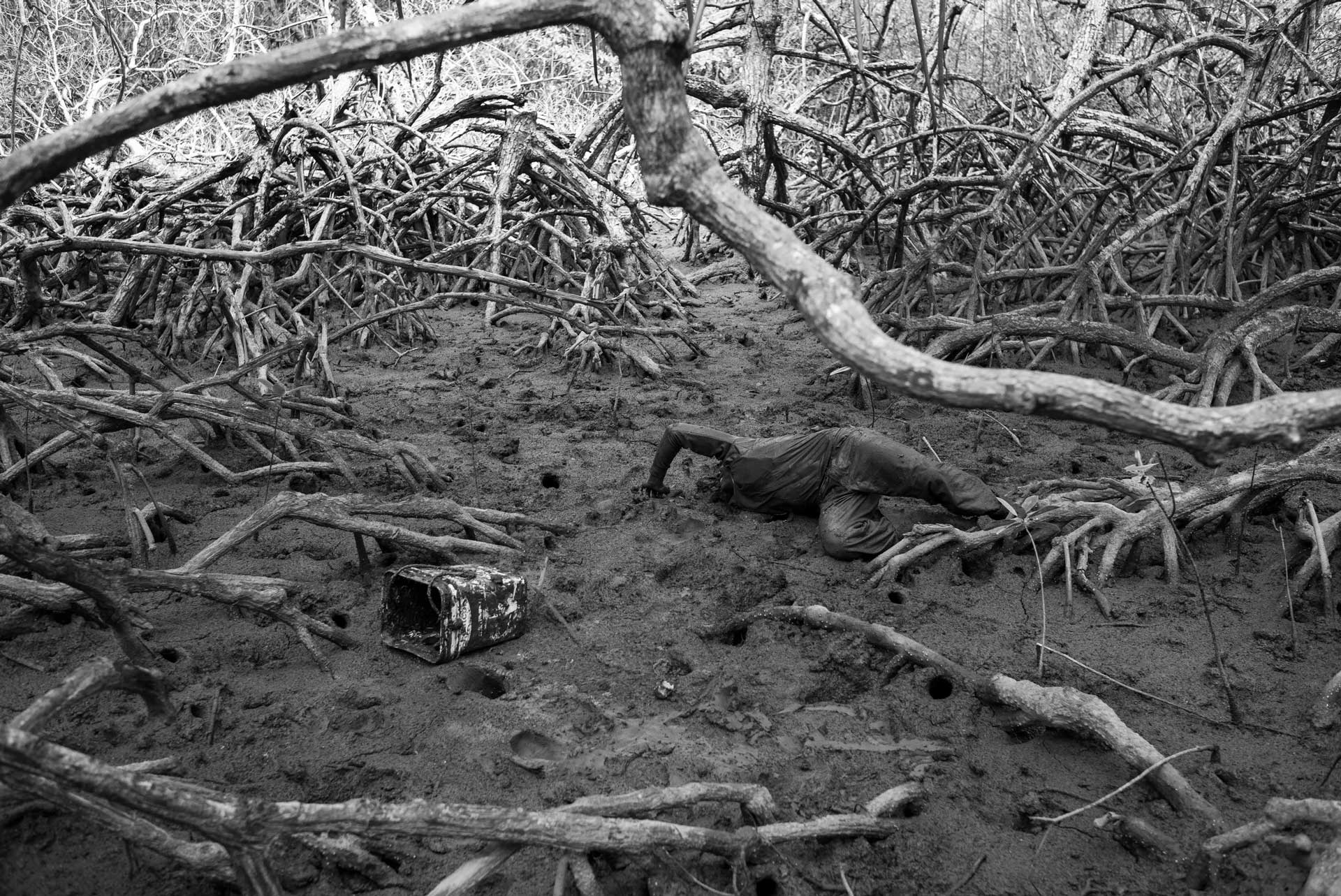

These experiences have shaped the way I approach photography, not simply as a way of recording what I see, but as a means of encouraging awareness and understanding.
Moving to Tucson introduced me to an entirely different environment. I began spending more time exploring trails, observing plants and wildlife, and learning about the Sonoran Desert. Among the many species, the saguaro cactus (Carnegiea gigantea) became a particular subject of my interest and obsession.
The saguaro is perhaps the most recognizable symbol of the American Southwest. Its silhouette appears in advertisements, films, illustrations, and countless representations of the desert. Yet despite its familiarity, I began to realize how little most people, including myself at the time, knew about the plant itself.
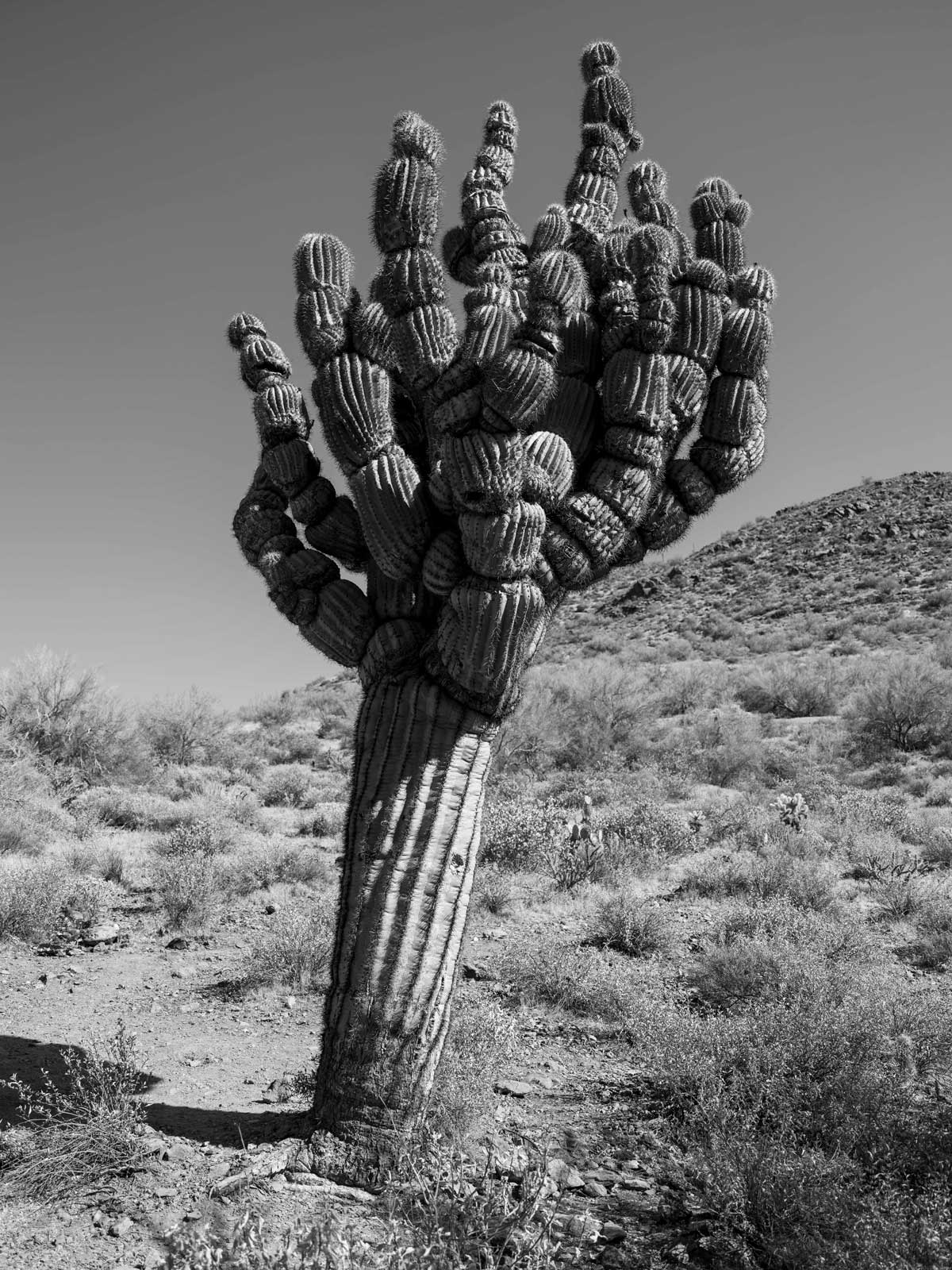
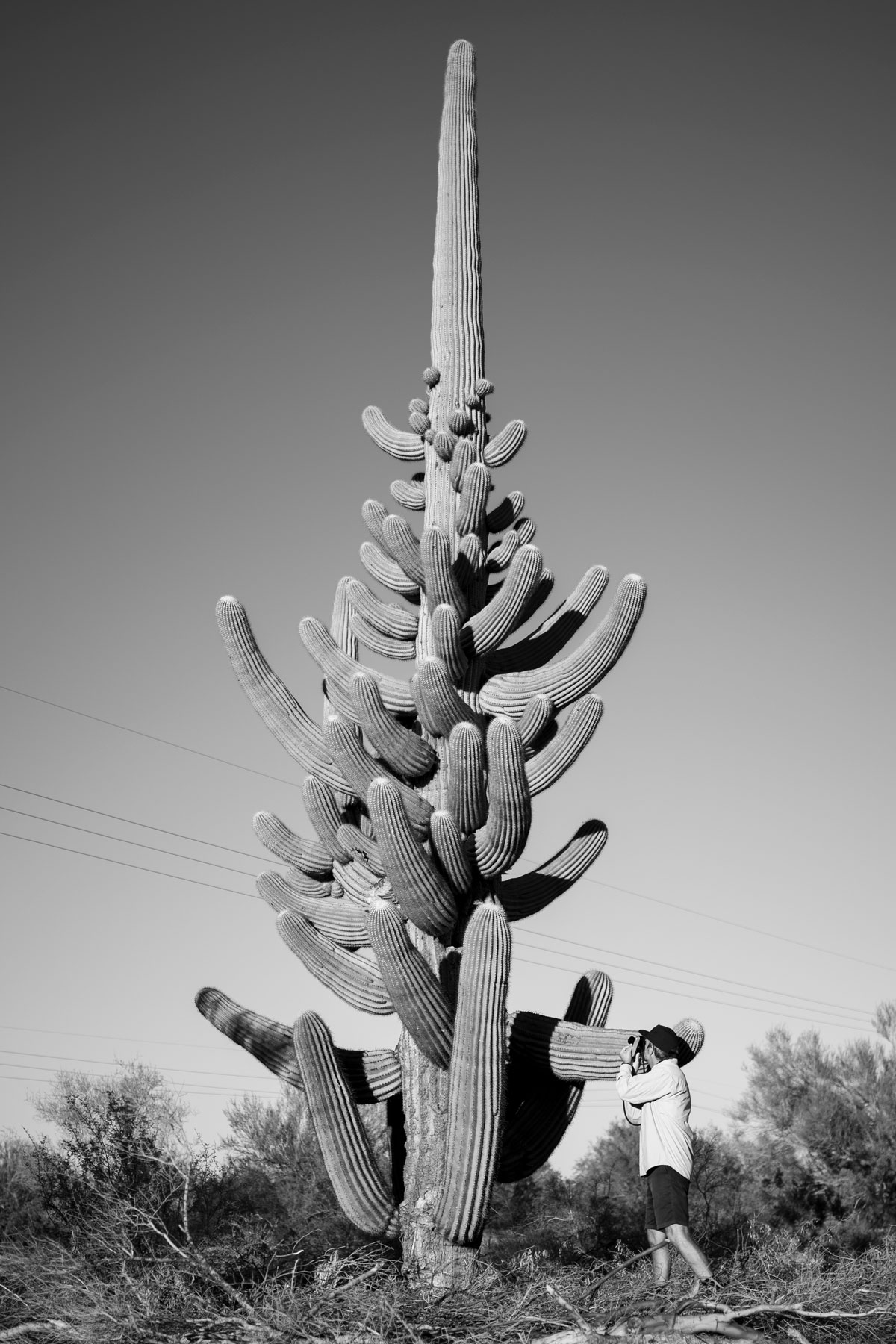
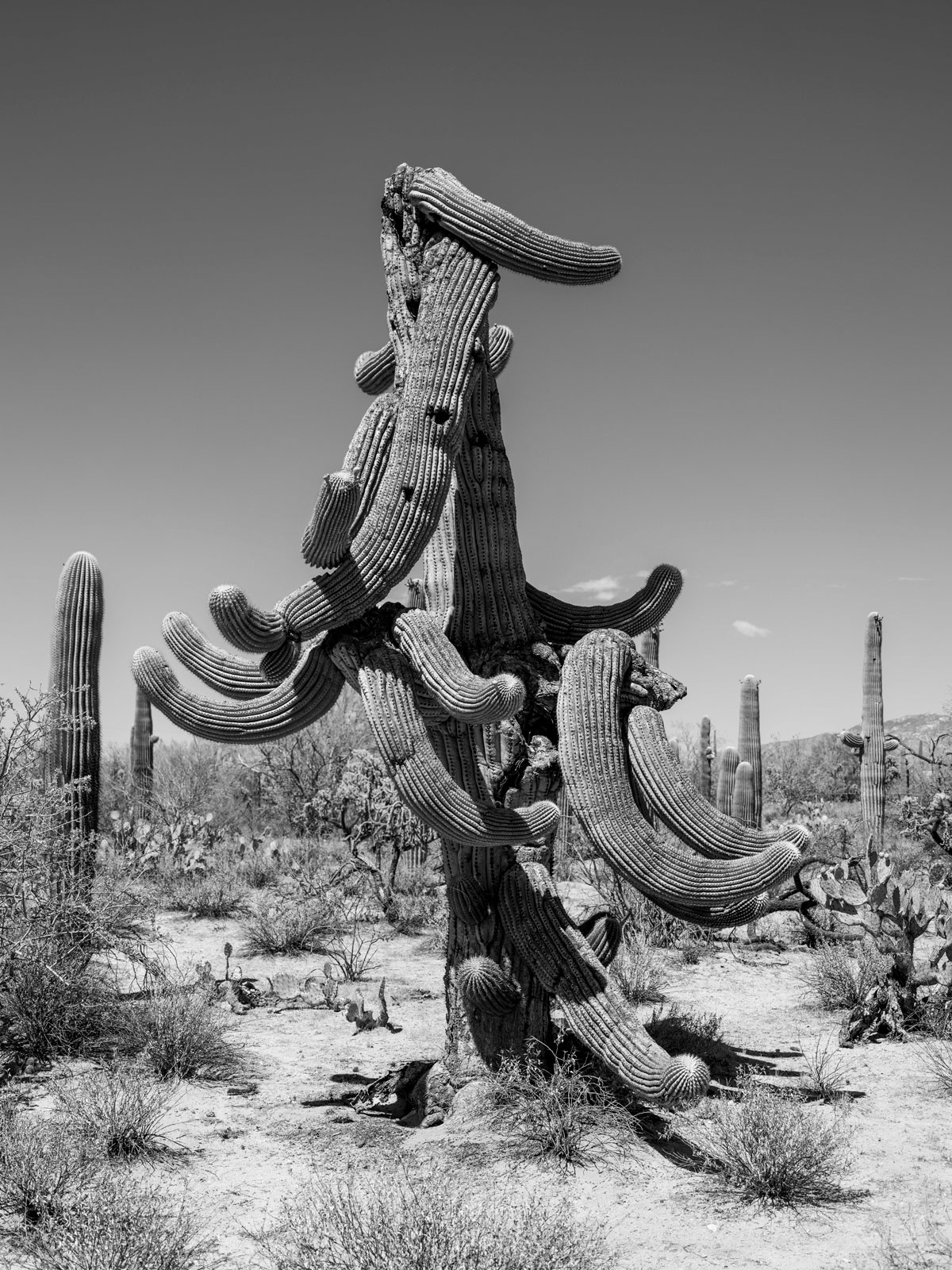
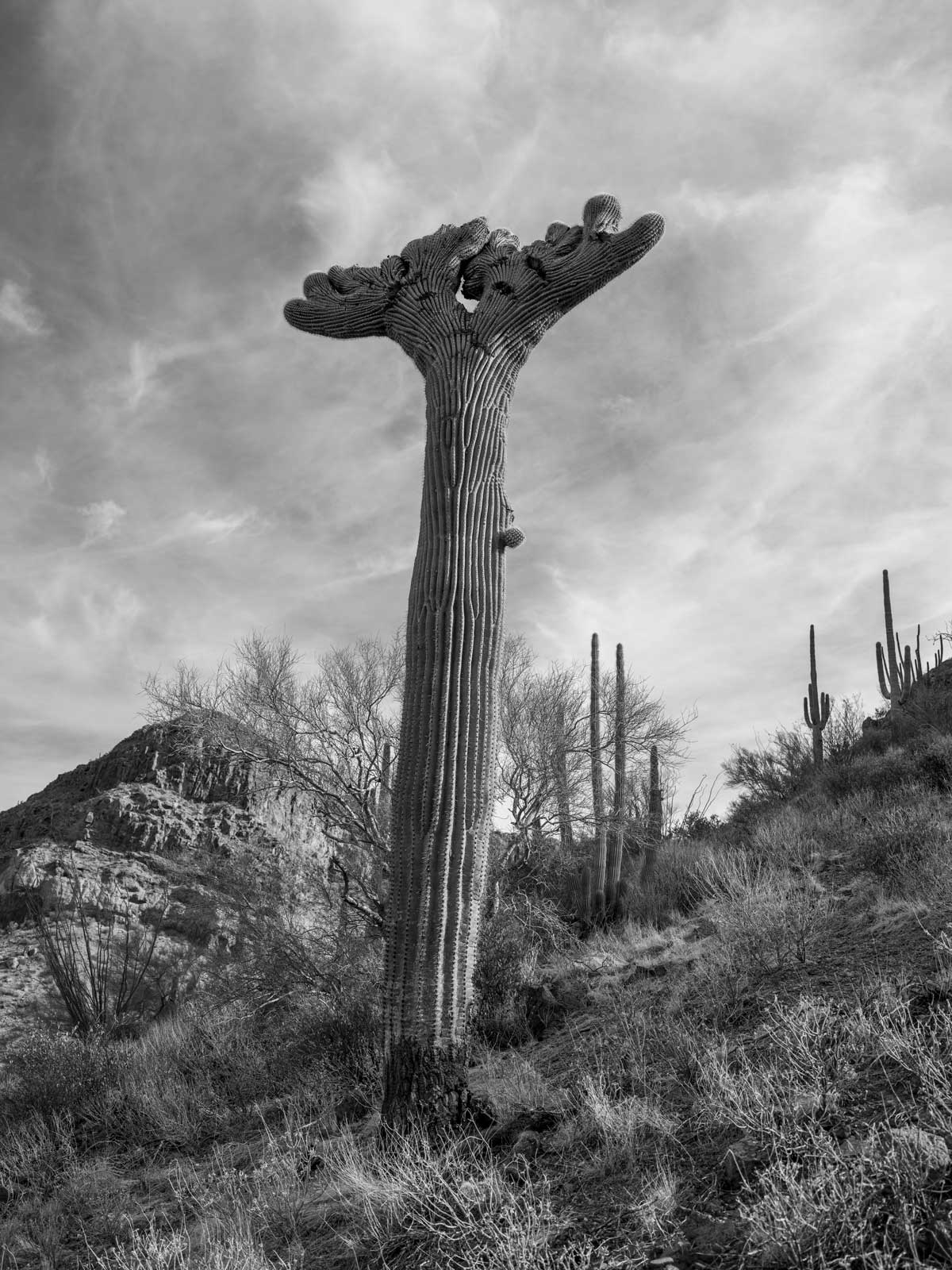
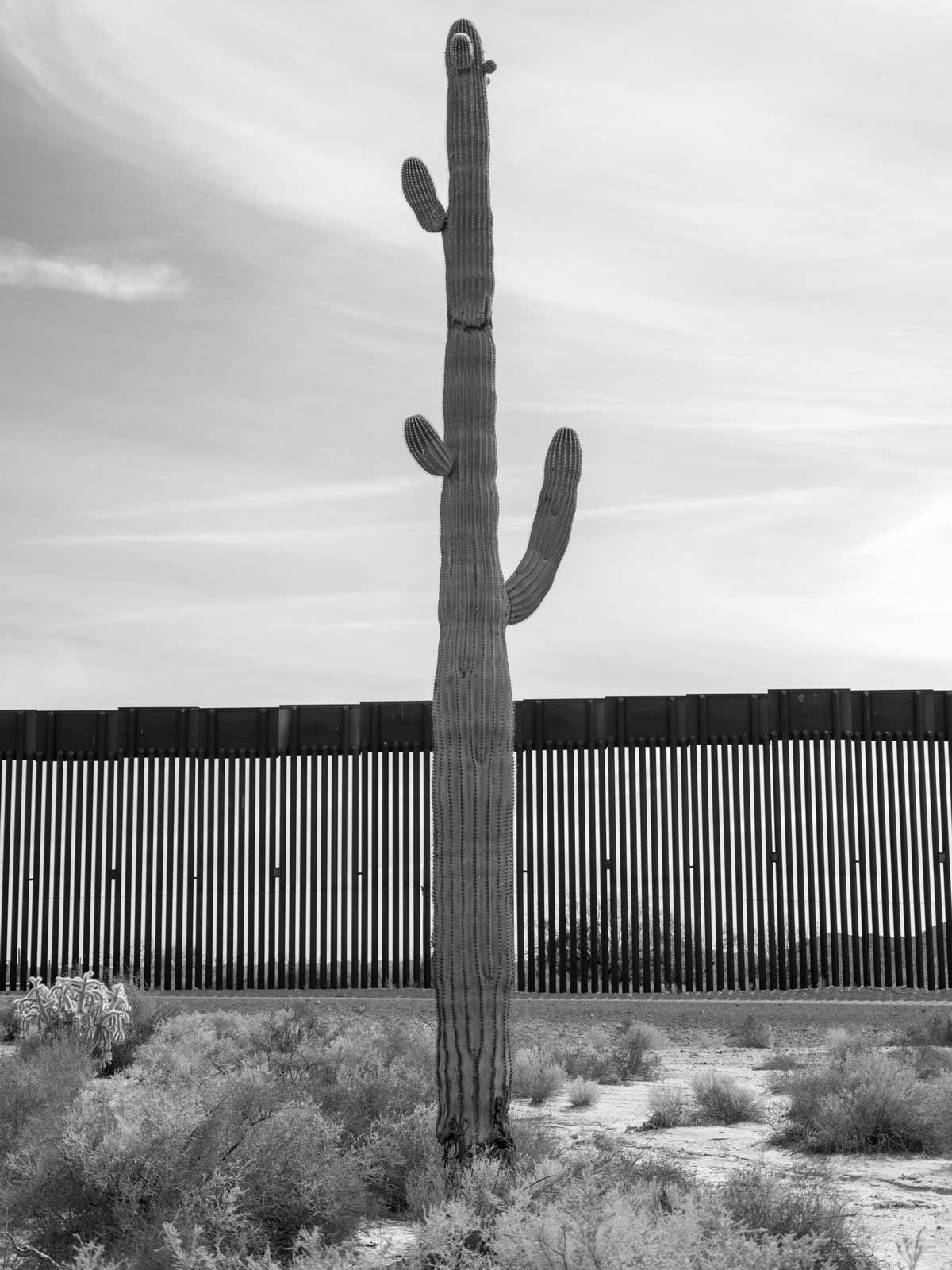
As I started photographing saguaros, I became increasingly interested in their individuality. Some have several arms growing in different directions, while others remain without arms. Some carry scars caused by weather, animals, or other environmental conditions. Their forms reflect their age, growing conditions, and individual histories. No two are exactly alike.
Shortly after I began photographing them, I decided to document one thousand individual saguaros. I cannot remember exactly when I settled on that number, but I remember thinking that one thousand photographs presented together would have a greater visual impact than a smaller collection. It was an ambitious goal, and I did not know how long it would take to complete.
Over the following four years, I walked approximately 200 miles (320 kilometers) throughout Tucson and the surrounding Sonoran Desert, searching for and photographing individual plants.
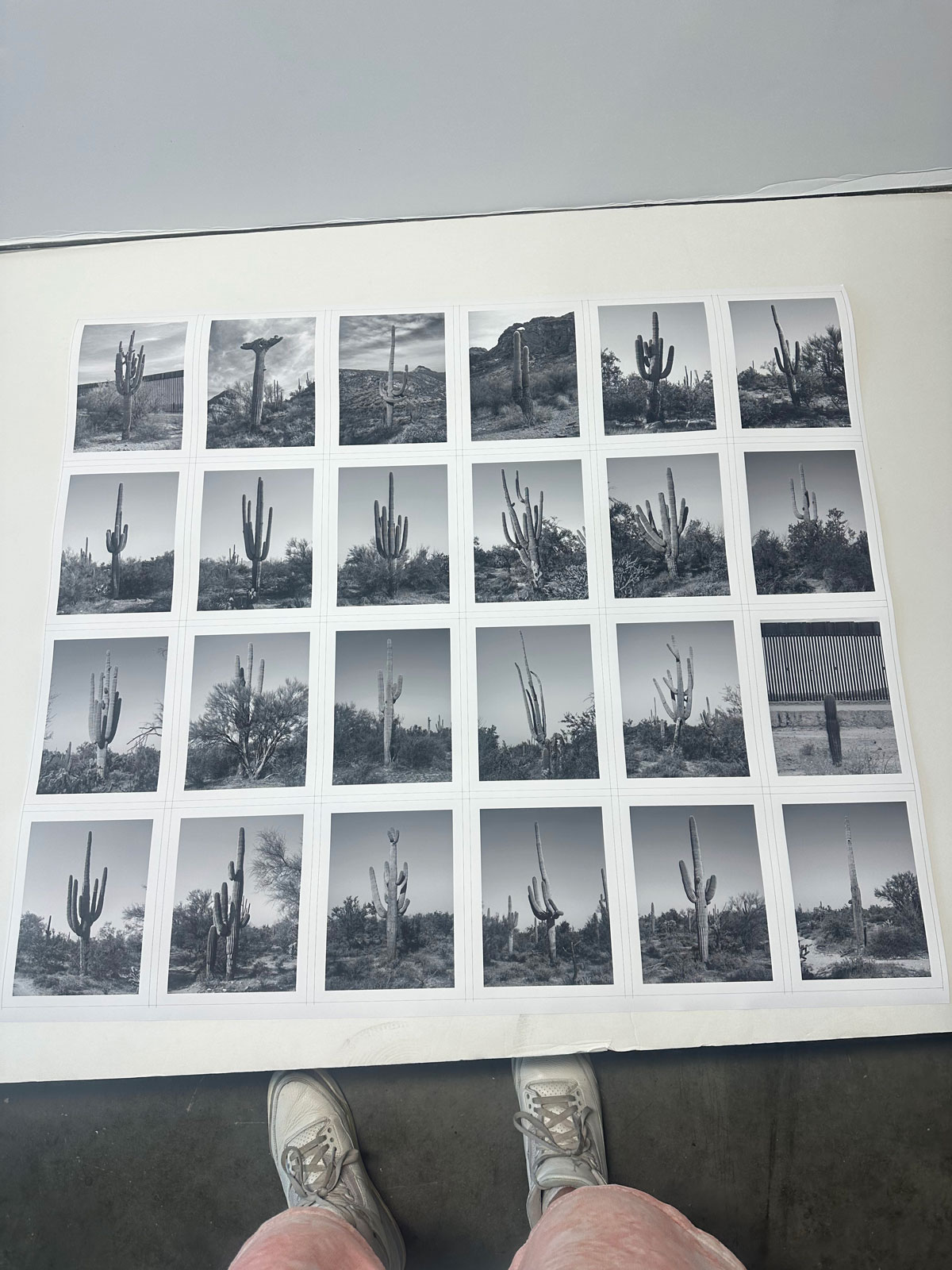
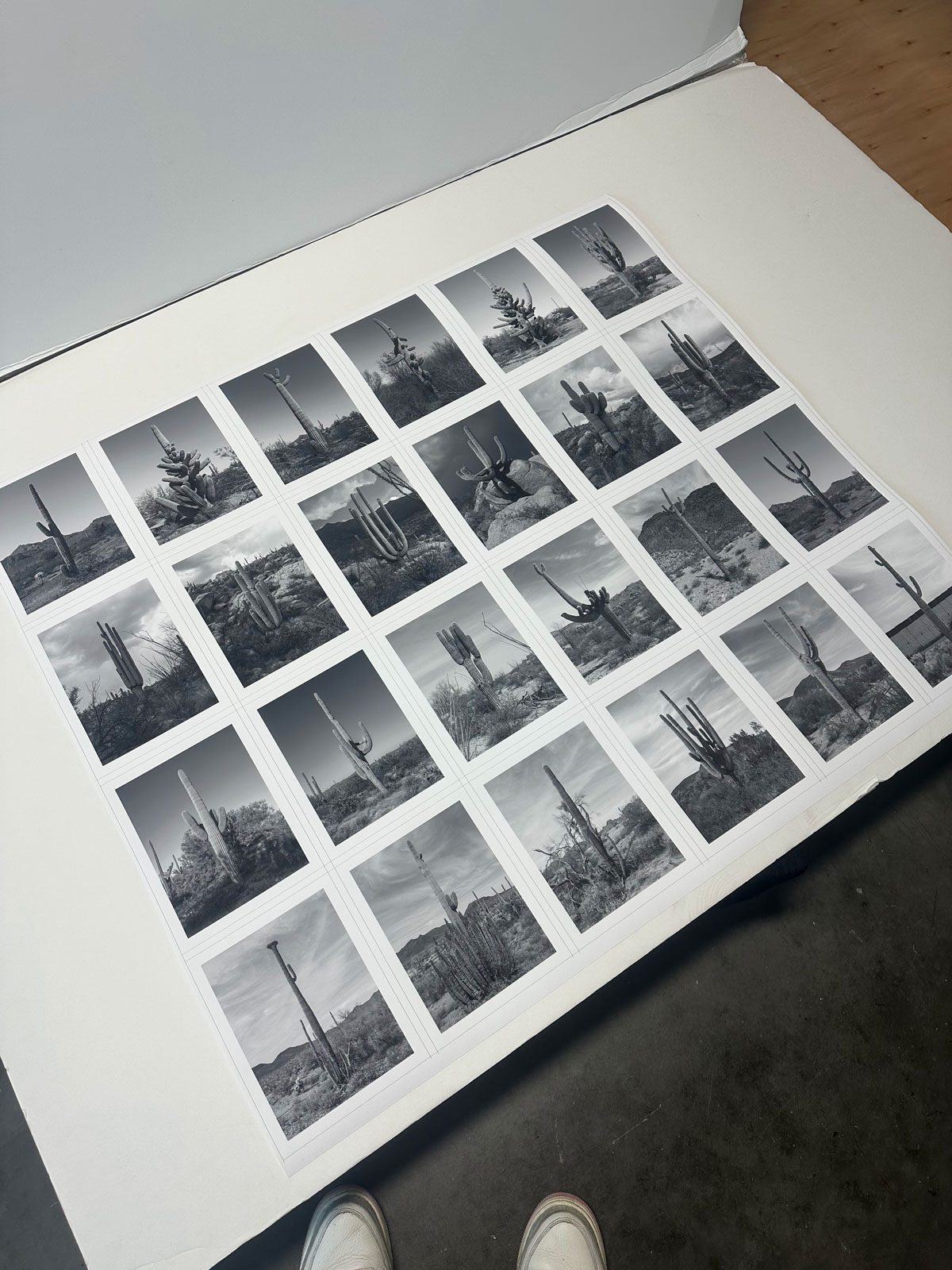
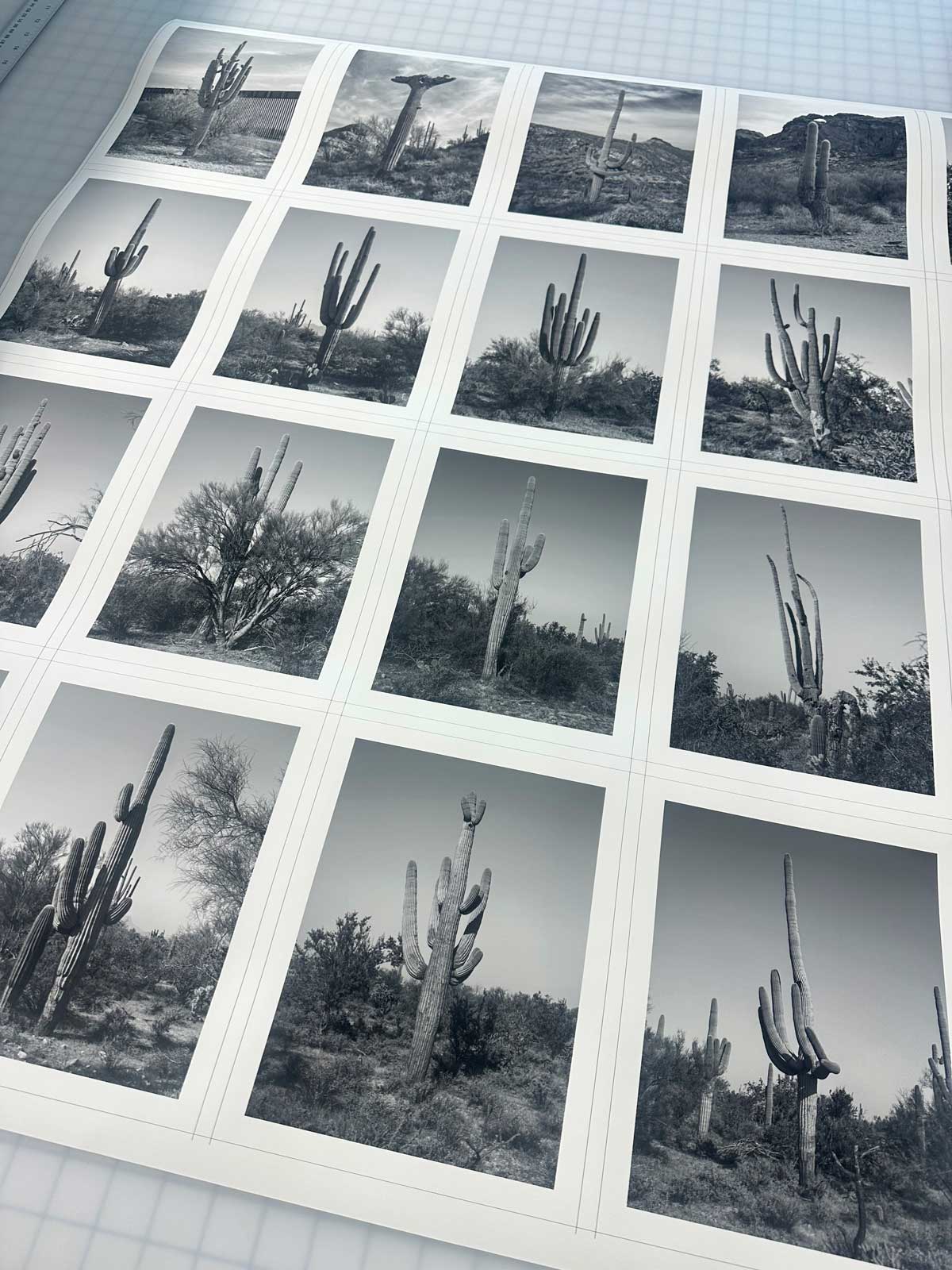
I approached each saguaro using the same camera, the same lens, and the same visual language. This consistency was intentional. I wanted to give each plant the same attention, allowing its individual characteristics to distinguish it from the others. The objective was not to produce a scientific survey or botanical inventory, but to create a photographic collection that would encourage people to look more closely at a species they might otherwise take for granted.
The process required time and patience. Walking became an important part of the work, not only because it allowed me to reach different locations, but because it gave me the opportunity to observe the landscape at a slower pace. Spending so much time outdoors also made me more attentive to the ecological relationships surrounding the saguaros.
A relevant experience in Tucson has been my involvement with the local botanical community, particularly the Tucson Cactus and Succulent Society. Through volunteering, participating in native plant rescues, and spending time with people who have extensive knowledge of the region’s plants, geology, and ecology, I have developed a much better understanding of the environment around me.
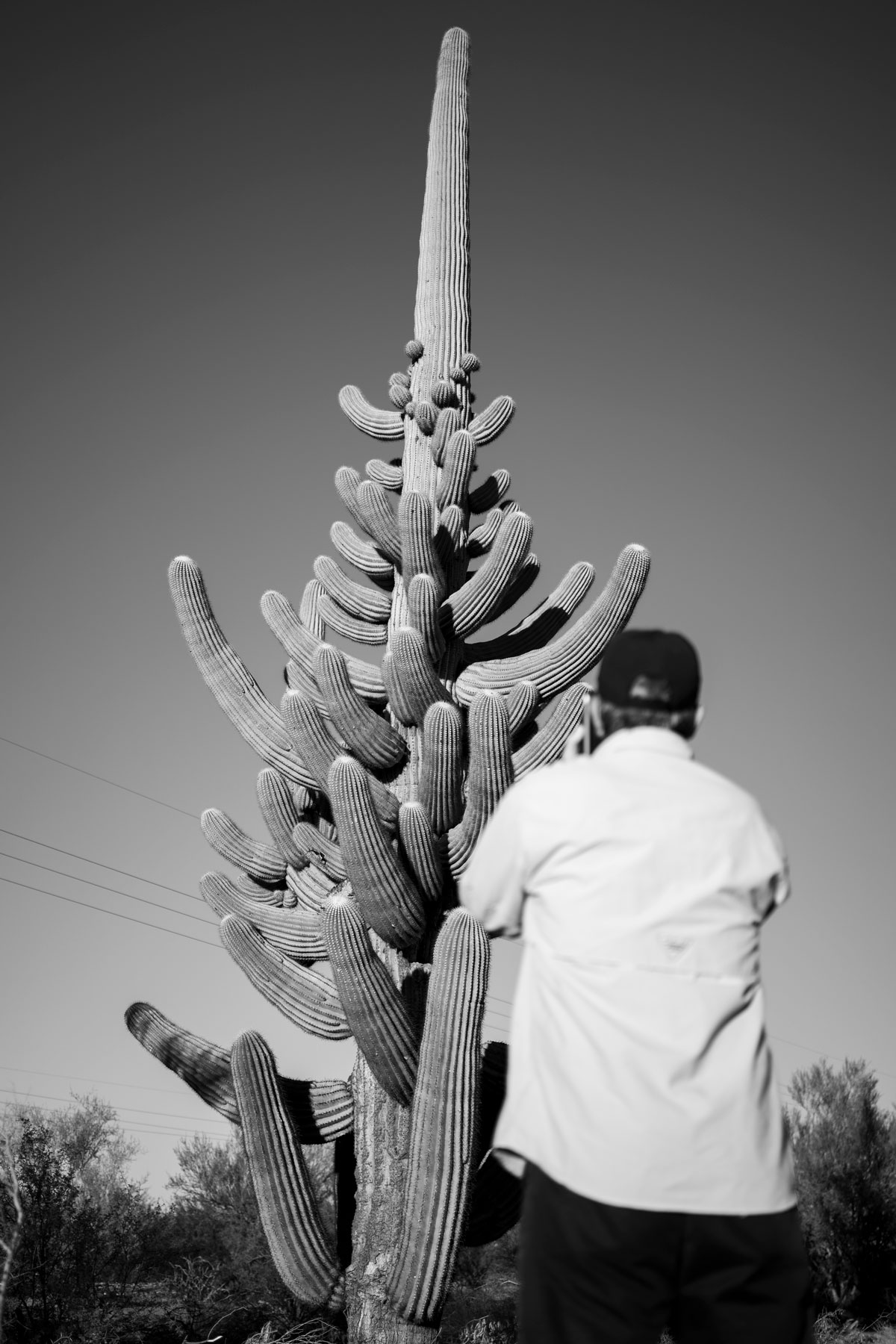
These experiences have strengthened a concern that has always been central to my work: conservation.
My subjects are connected by a common interest in understanding the world around us and the ways human activity affects communities and natural environments.
In the Sonoran Desert, I have witnessed areas of native vegetation being transformed by urban development. Through my volunteer work, I have participated in efforts to rescue plants from sites scheduled for construction. These experiences have allowed me to understand more directly the challenges facing the region’s biodiversity and the importance of protecting native habitats.
Saguaros are only one part of this complex ecosystem. The Sonoran Desert supports an extraordinary diversity of plants and animals, many of which depend on ecological relationships that have developed over thousands of years. Understanding those relationships has made me increasingly aware of how much there is still to learn about this environment.
For me, photography begins with curiosity. I have always been interested in subjects that might seem ordinary or familiar but reveal something different when given closer attention. I believe photography can help people reconsider what they already know or assume they know about a subject.
This idea is particularly relevant to 1000 Saguaros. A single photograph of a saguaro can easily become another representation of the American Southwest. But when one thousand different individuals are brought together, I hope the viewer begins to recognize the diversity and complexity that exist within a single species.
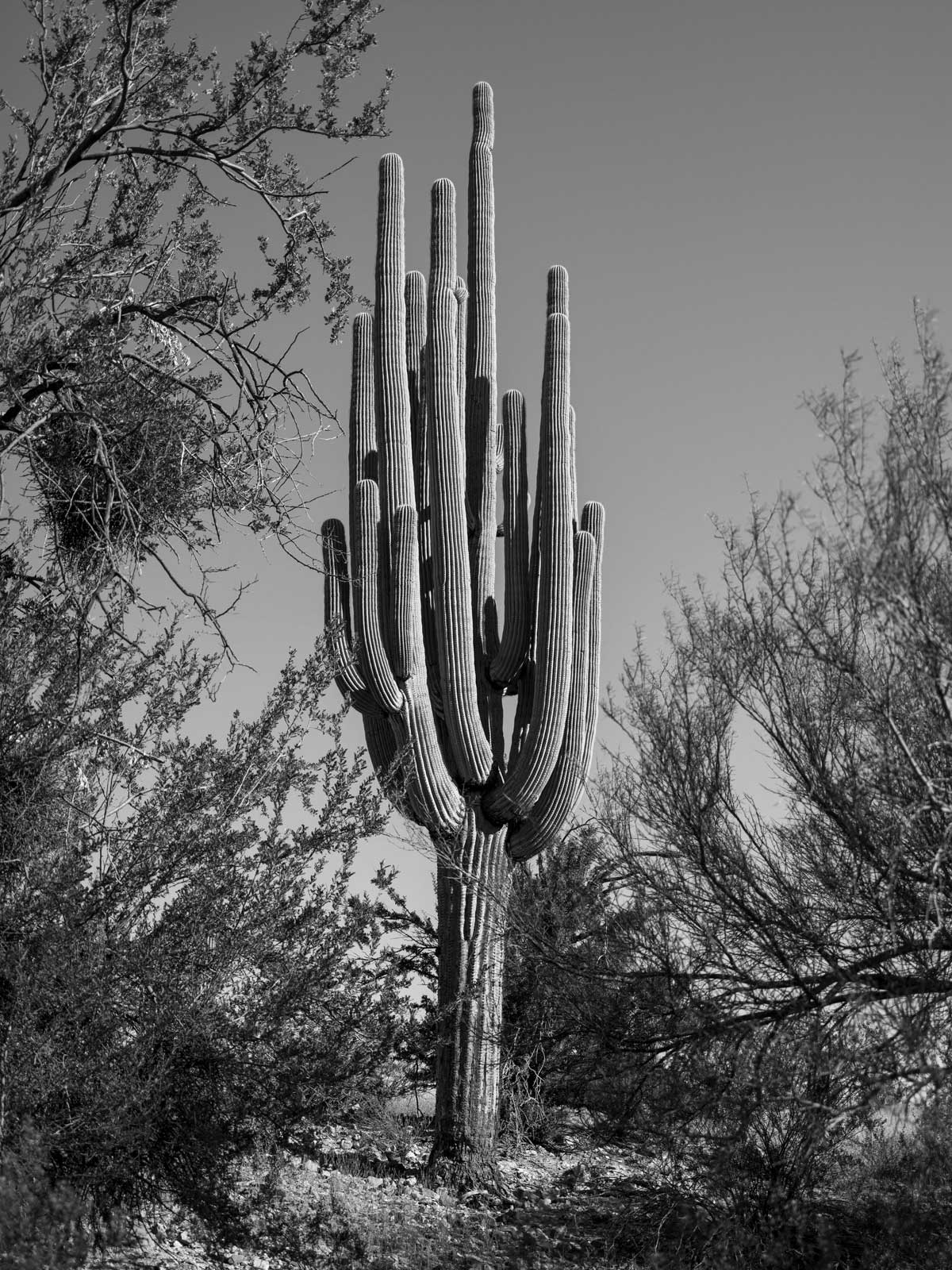
The photographs are presented in black and white, allowing attention to remain on the forms, textures, structures, and differences between the plants. Each image represents an individual saguaro, photographed as part of a larger collection.
In November 2026, 1000 Saguaros will be exhibited for the first time in Williamsburg, Brooklyn, organized by Art in Brackets. Presenting the project in New York, the city where I lived before moving to Arizona, brings the work into a different context and introduces the Sonoran Desert to an audience that may have little direct experience with it.
After four years of walking, photographing, and learning, I see the collection not only as one thousand photographs, but also as a record of my growing familiarity with the Sonoran Desert.
My intention is not to tell people what to think about these plants or the environment. I want to encourage curiosity, observation, and a greater appreciation for the natural world.
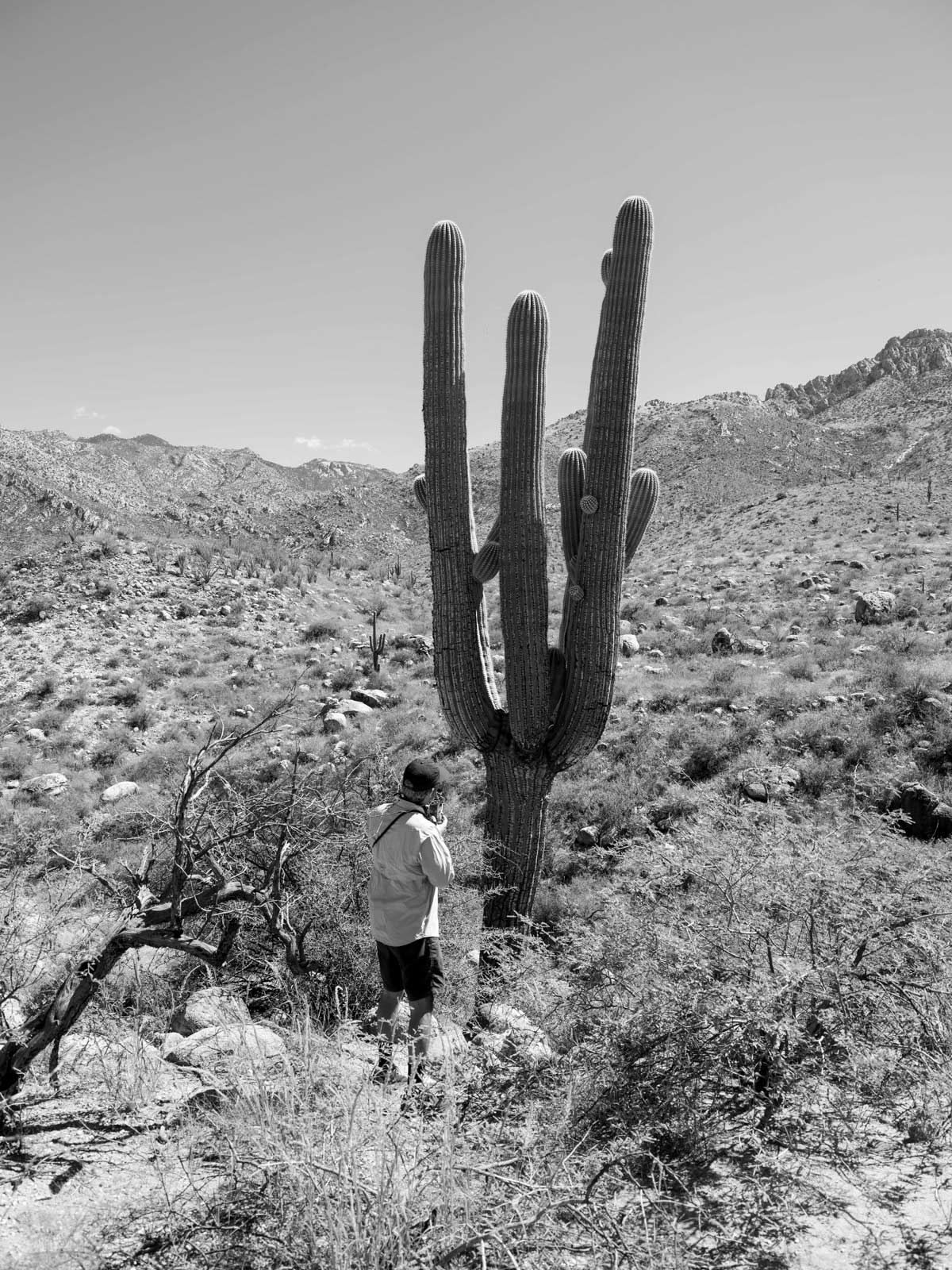
The Sonoran Desert is a living, complex, and constantly changing environment. It is also vulnerable to the pressures of human activity. I hope 1000 Saguaros can contribute, in its own way, to a greater awareness of its biodiversity and the importance of its conservation.
Photography has always been a way for me to understand the world. With 1000 Saguaros, I hope it can also encourage others to look more closely at the environment around them.
You can find out more about Eliseu at @eliseucavalcante
Photos: Eliseu Cavalcante
Portraits of Eliseu: Uelan Jardim Miranda