Chabashvili’s long-term project A Book of Missing grew out of the digital platform missingmonument.com, which she developed in 2020 in collaboration with the International Committee of the Red Cross (ICRC) in Georgia. The platform focused on the families of those who went missing during the conflicts in Abkhazia and South Ossetia in the 1990s, as well as during the war in 2008. The scale of disappearance was overwhelming—folders containing thousands of names, each accompanied by fragmentary notes: a last sighting, a final call, an uncertain rumor. These documents did not offer resolution; they marked a space suspended between presence and absence. Rather than attempting to complete these narratives, Chabashvili chose to remain with their incompleteness. For Chabashvili, the question was not only how to represent absence, but how to materialize the mental presence of those who are physically gone. Textile became a crucial language in this process. Grids, threads, and fabrics function as systems of relation—networks through which memory is held without being fixed. Fabric, in her work, operates as a provisional surface for remembrance: a place where traces accumulate, shift, and remain vulnerable.
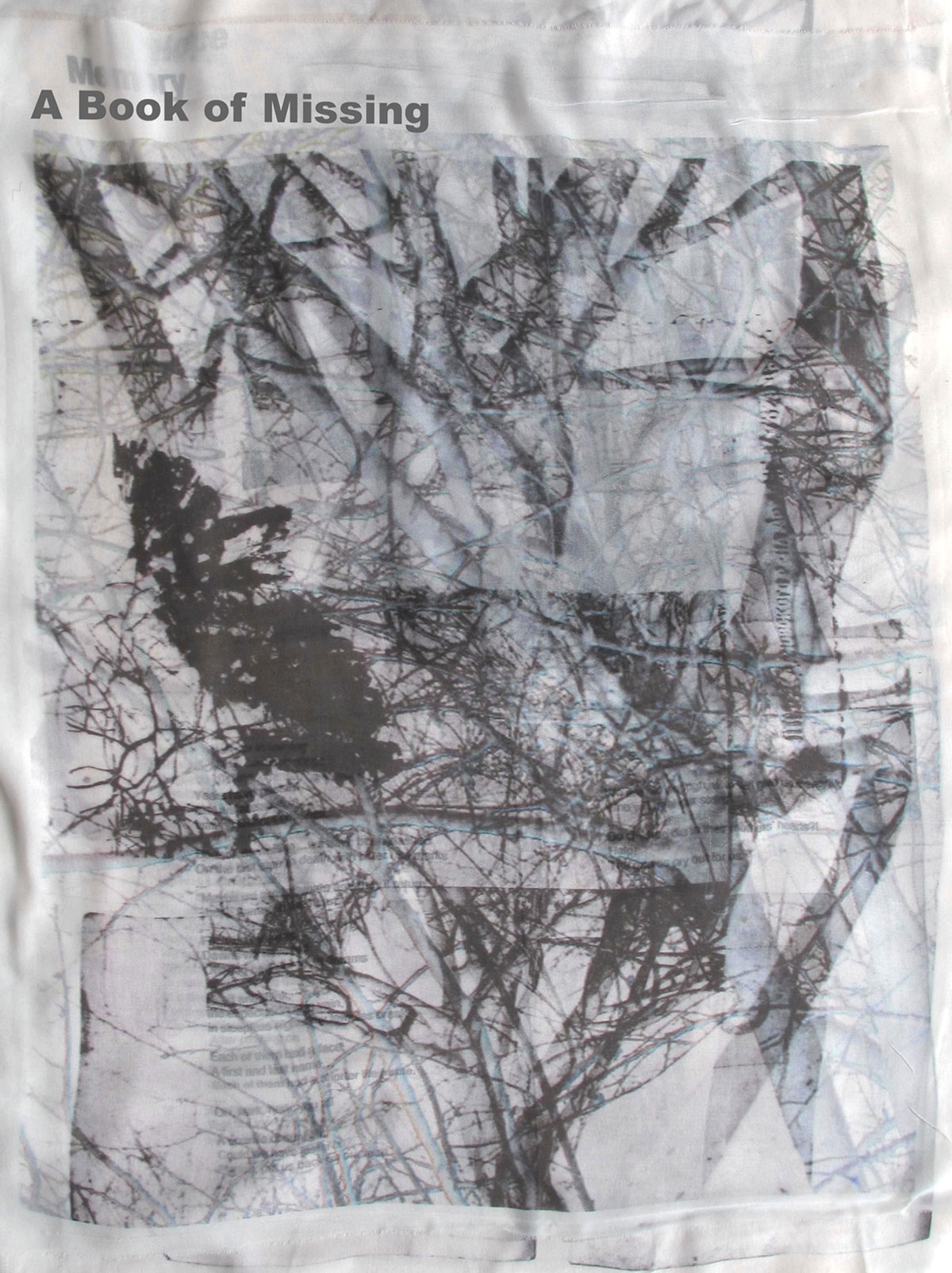
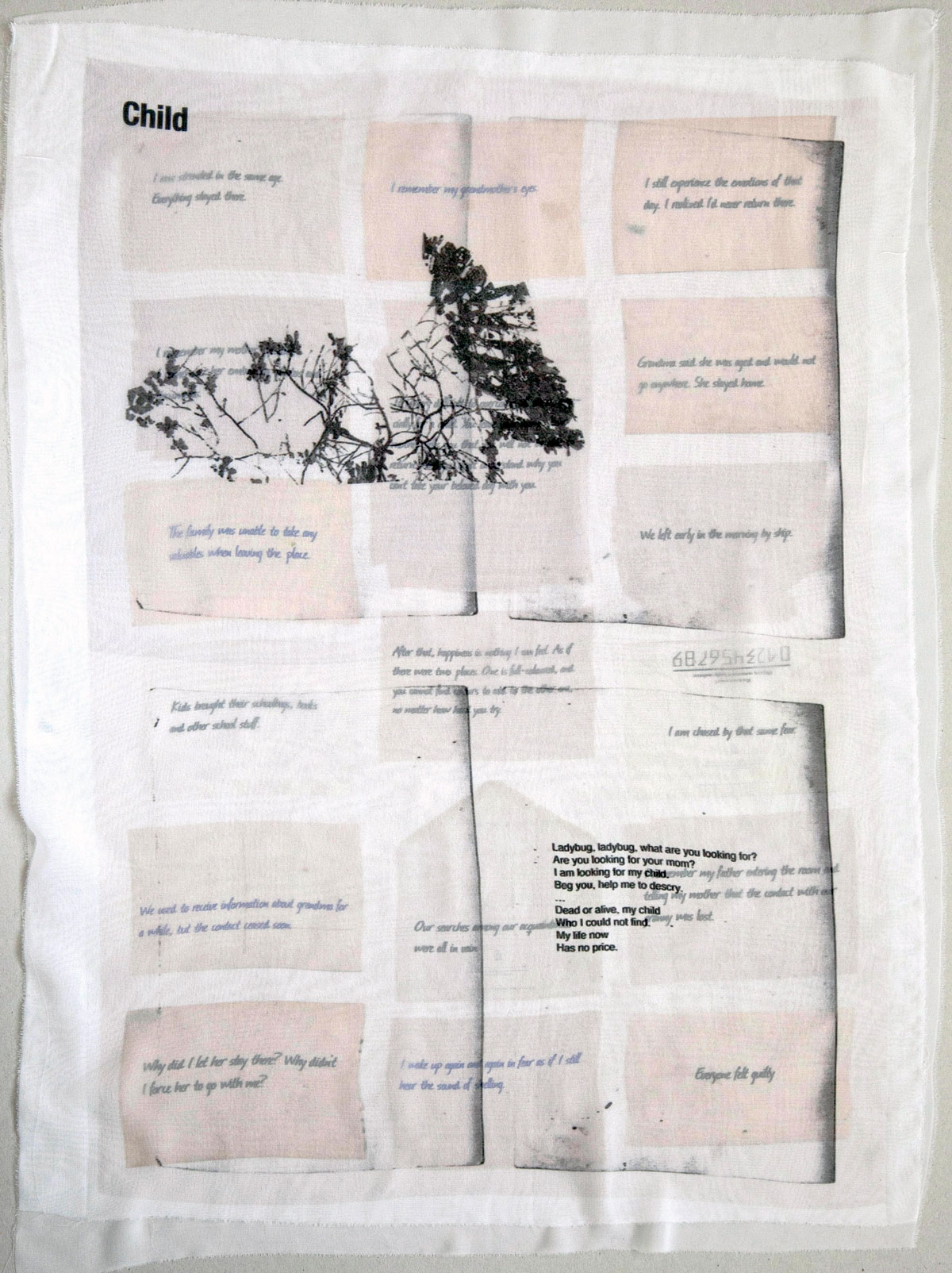
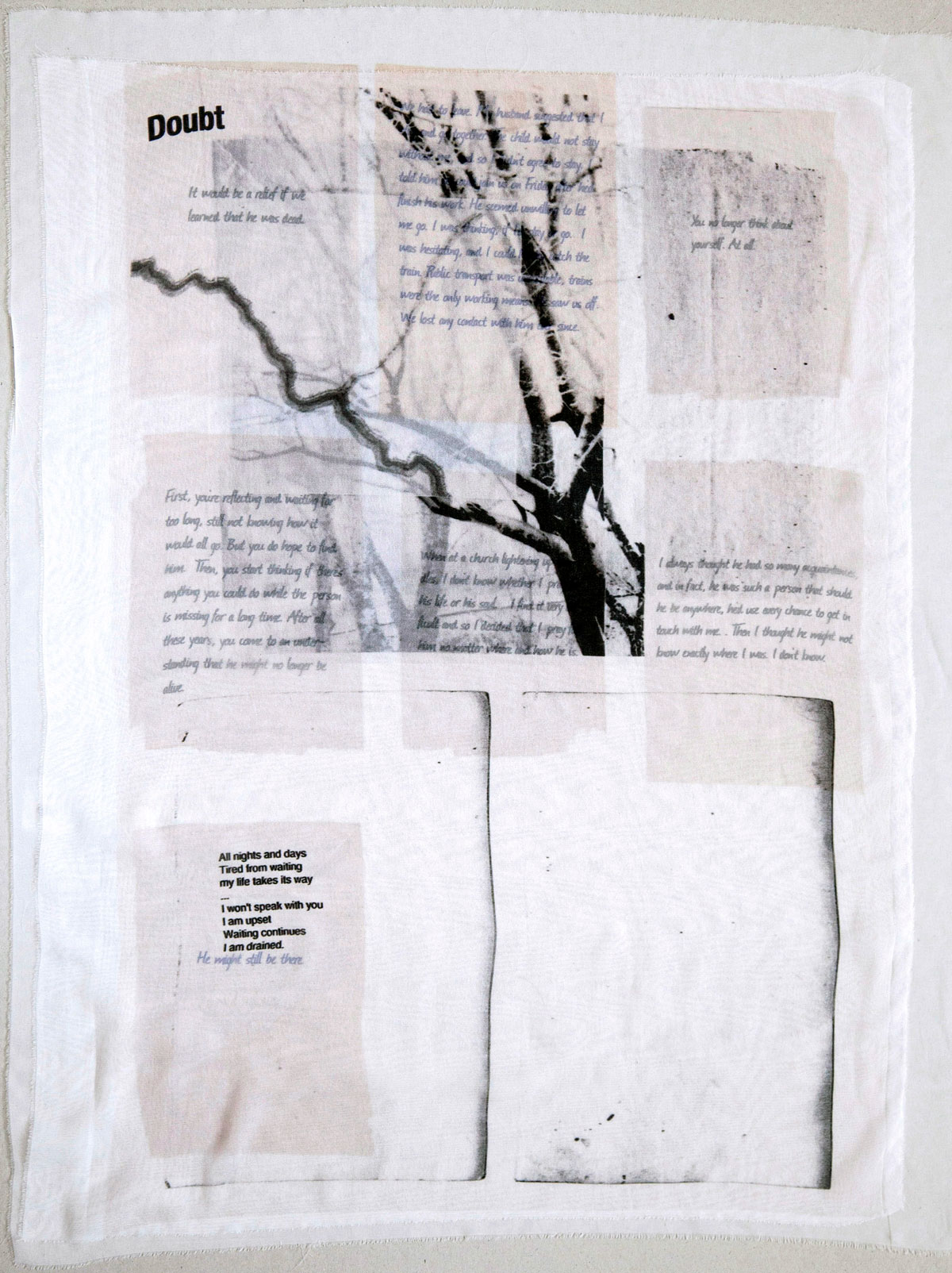
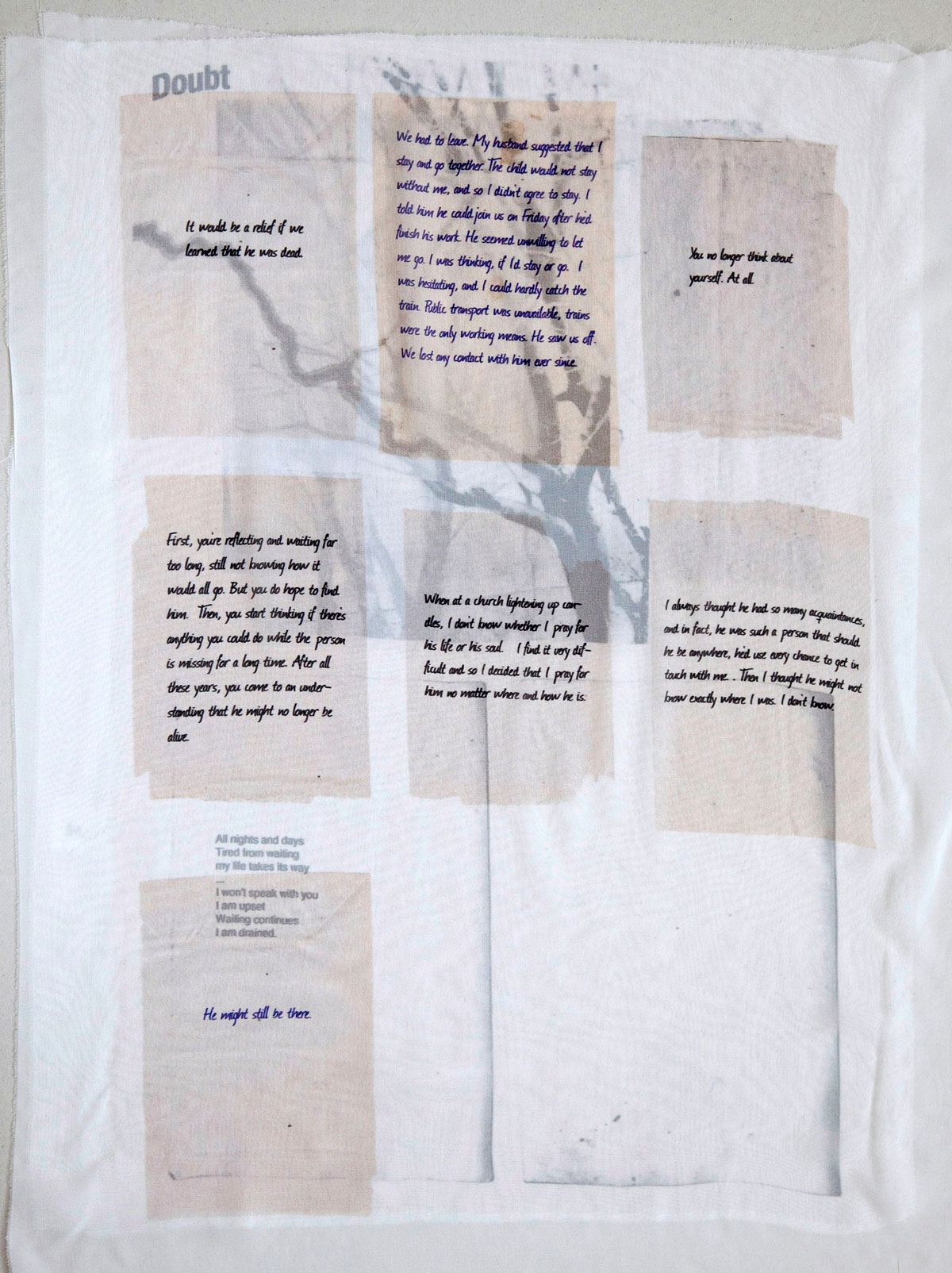
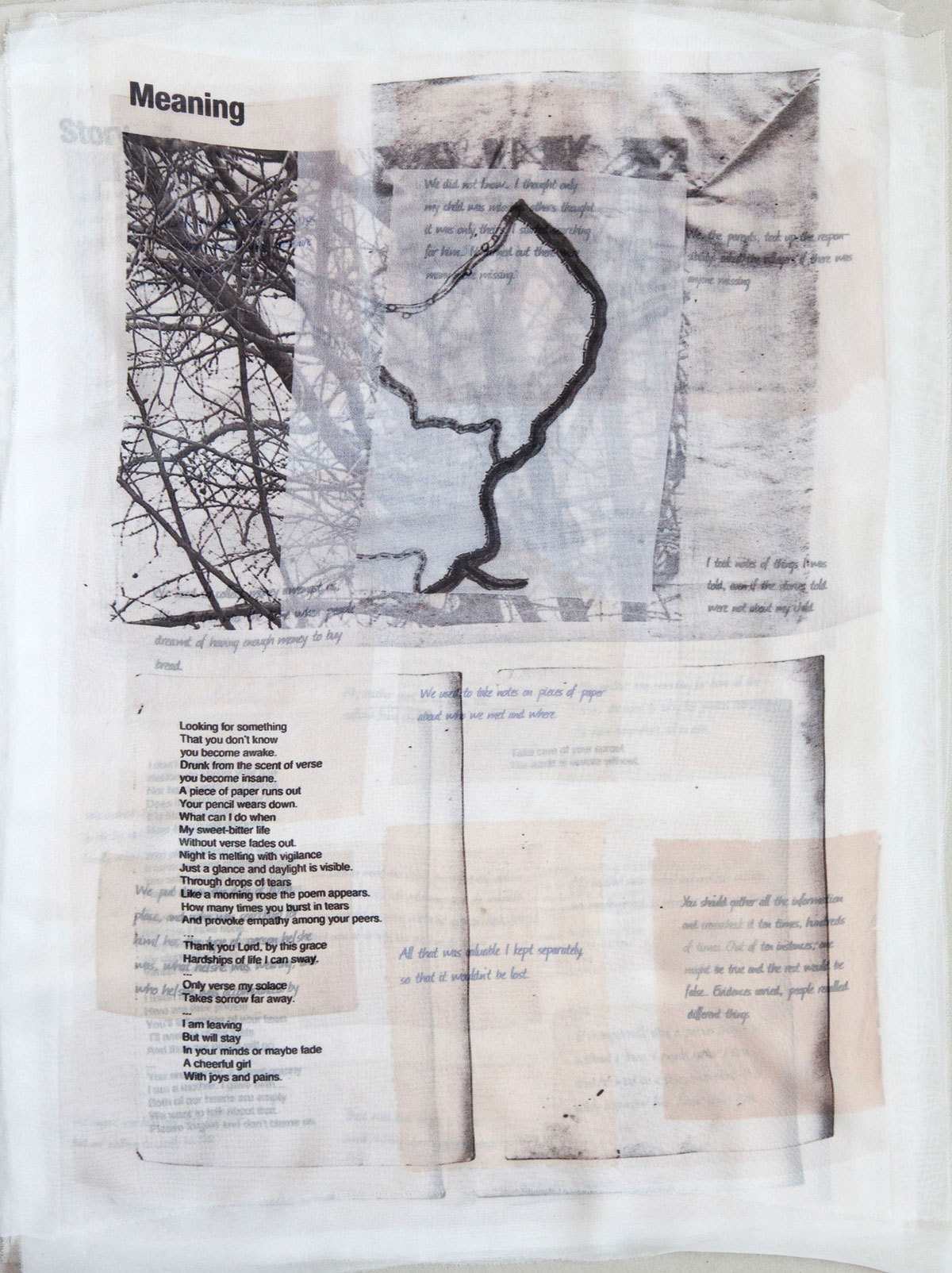
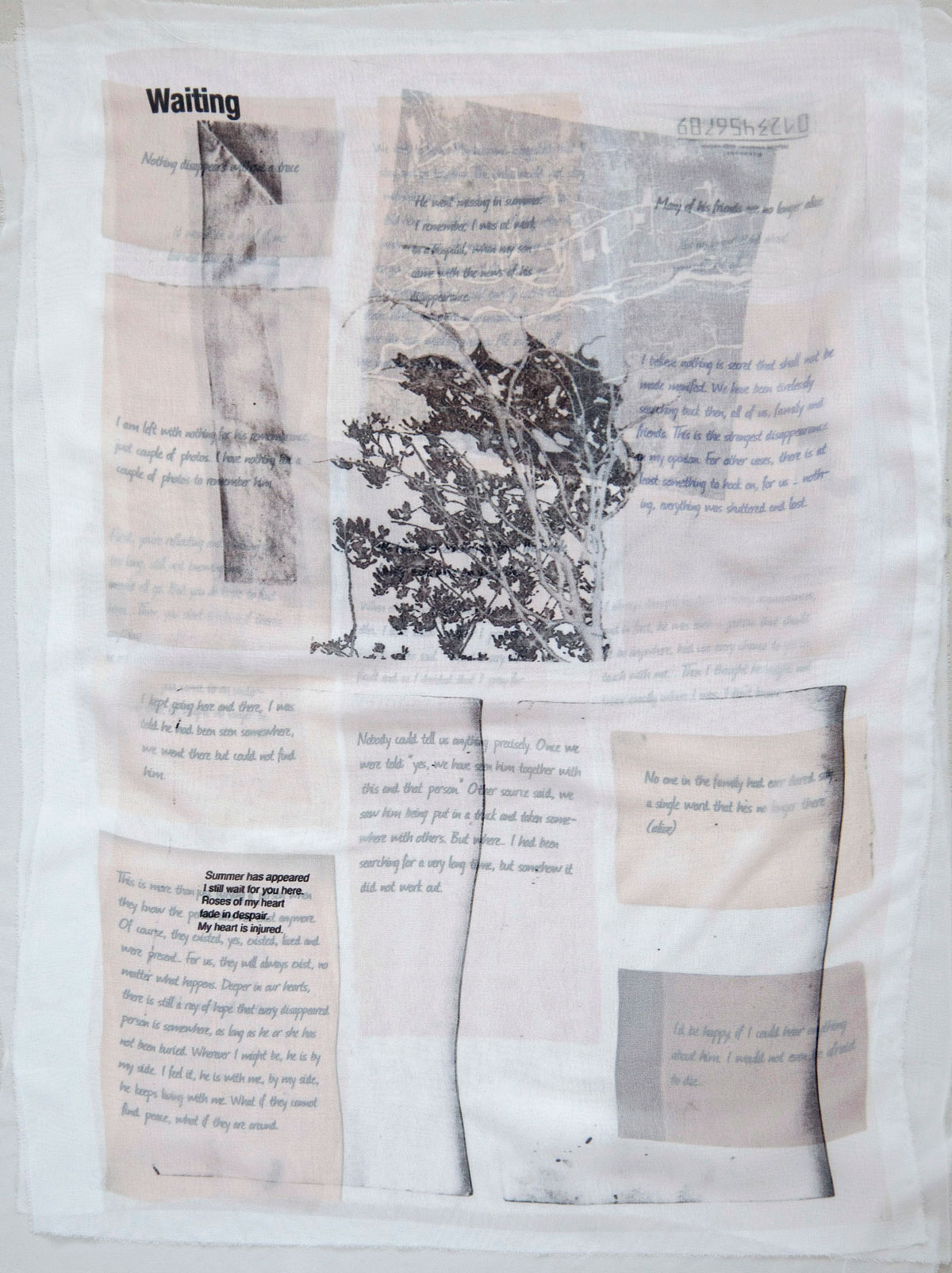
Tamuna Chabashvili, A Book of Missing, 2025. Fabric book [23 pages], digital print on chiffon, 15.7 × 23.6 in. Photo: Nino Alavidze. Courtesy of the artist.
The project’s visual structure draws on the form of the tree, a recurring site of commemoration for families of the missing. Chabashvili constructed a series of collaged trees based on photographs from specific locations, each one carrying a different aspect of disappearance. “Based on photographs of trees from specific geographical locations, I collaged twelve different trees for the project. Each tree tells a story representing one aspect of the disappearance, so the stories are fragmented, much like the process of remembrance itself.” These are not monumental symbols but fragile carriers of fragmented stories. The ‘wish tree’ she proposes is open-ended, inviting messages from anyone, regardless of background. In this gesture, remembrance becomes collective without erasing difference; mourning is shared, but never homogenized. “I wanted to create a wish tree where anyone, regardless of nationality, age, ethnicity, or religion, could attach a message or wish.”
Although Chabashvili did not experience the wars directly, she belongs to a generation shaped by the aftermath of the Soviet collapse, the emergence of new borders, and prolonged instability. She describes this period as one of suspension—between systems, between certainties. “I remember that period as one of post-Soviet emptiness, a sense of time suspended between two systems: one that had collapsed and another that had not yet fully formed. Familiar structures disappeared, while new ones failed to provide stability. This uncertainty left a lasting imprint on everyone who lived through it, and it also has become part of my own life story.”
That condition informs her sustained attention to traces: remnants, archival fragments, and ephemeral evidence that register how history imprints itself unevenly on personal and collective identity. Working with such materials also brings ethical demands. For Chabashvili, research is inseparable from care—toward the people whose lives surface in the archive and toward the limits of her own position as an artist. “Each project investigates presence, absence, and transformation, seeking to materialize experiences that are otherwise invisible. Making these projects has also become a form of healing for me, a way to confront inherited traumas, reflect on them, and transform them into knowledge and insight.”
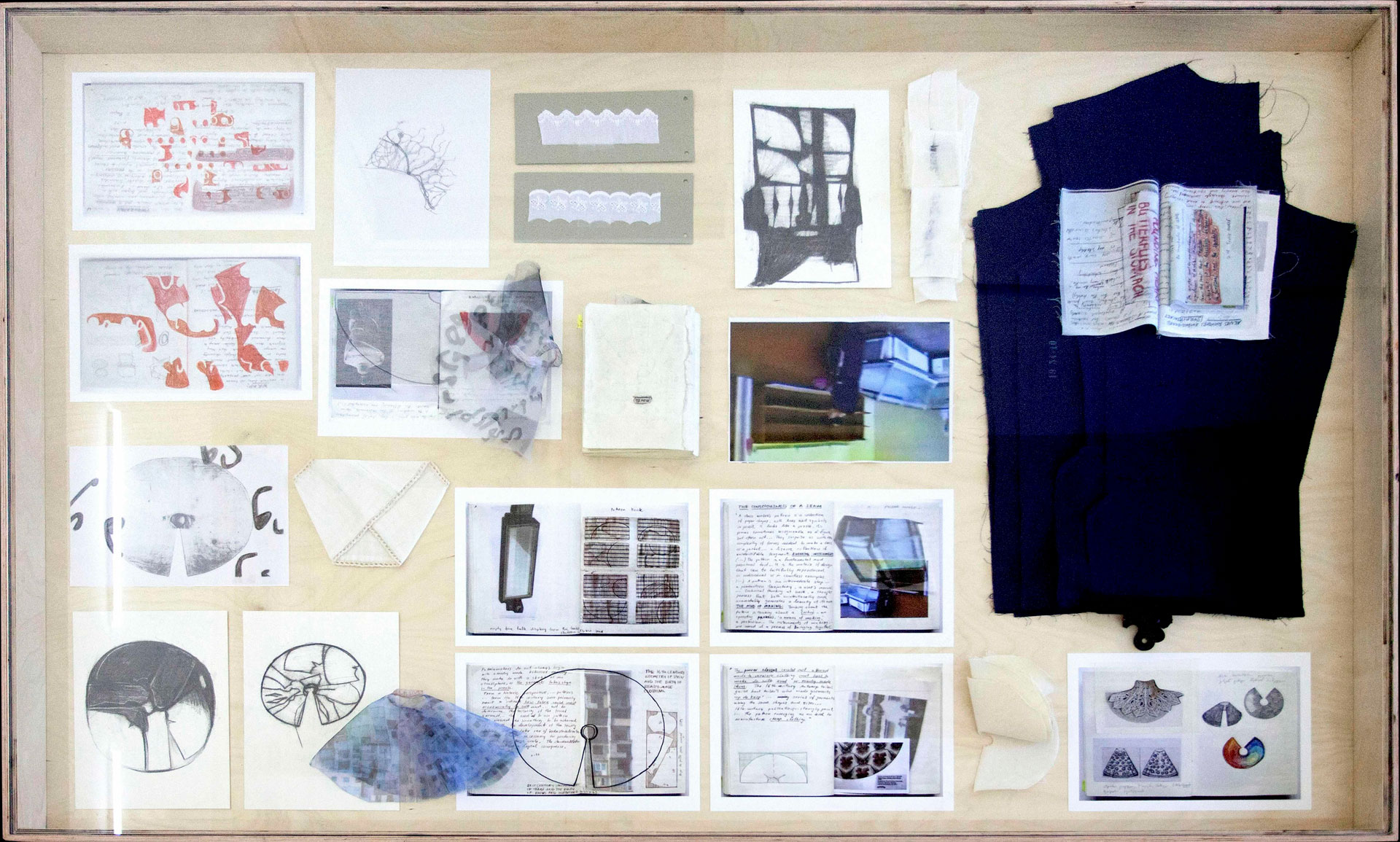
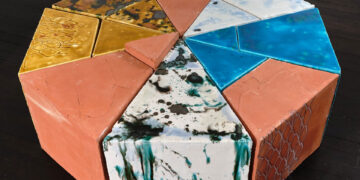
Tamuna Chabashvili, Guda-Nabadi, 2021, Gallery Artbeat, Tbilisi. Table display #2. Paper, fabric, lace, plywood, glass, 47 × 71 × 31.5 in.
Photo: Nino Alavidze. Courtesy of the artist.
If Chabashvili’s practice is grounded in the silences of unresolved disappearance, Dawn Williams Boyd’s work confronts another form of historical erasure: the systematic distortion and omission of Black history in the United States. “I decided I was going to be an artist when I was seventeen. My mother was very focused on making sure I could function independently in the world, so I had all kinds of lessons—French, etiquette, piano, all the things she thought a young woman would need in a life different from hers. She never gave me art lessons, though. Then, in my high school biology lab, something happened. The school was small and had never offered art. Instead of hiring a teacher, they told the biology teacher to teach it for a semester. One day, she came in with Styrofoam wig stands and bags of papier-mâché and said we were going to make bust portraits of each other. Mine was the only one in the class—about twenty girls—that actually resembled the person I was portraying. It was an aha moment. After being bad at Latin, French, piano, after failing at a lot of things, I had finally found something I could do well. From that point on, I decided that as much of my life as I could control, I would devote myself to developing that ability. I was choosing a college at the time, and even though my mother still made many decisions for me, I steered what I could toward art.”
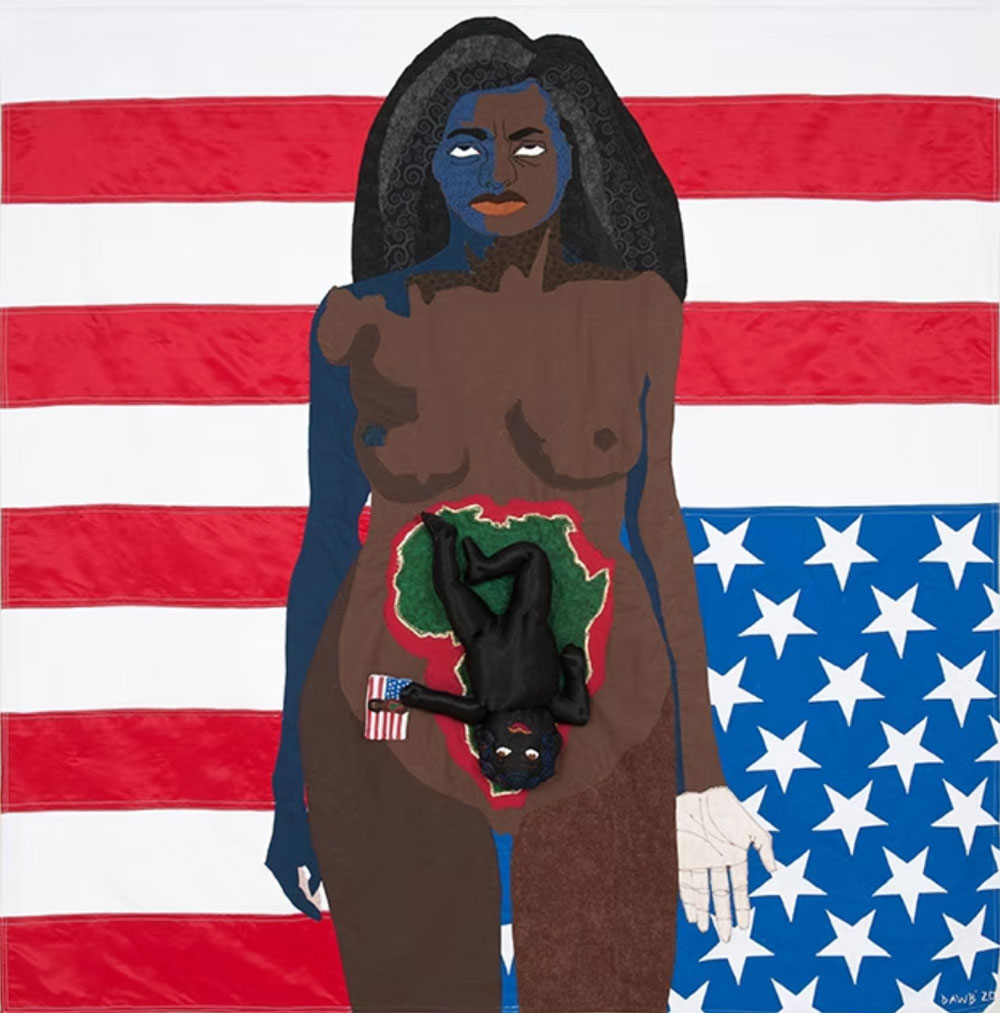
Dawn Williams Boyd, The Trump Era: Black Mothers Mortality, 2020. Mixed media, 59.5 x 59 in. Courtesy of the artist and Fort Gansevoort Gallery.
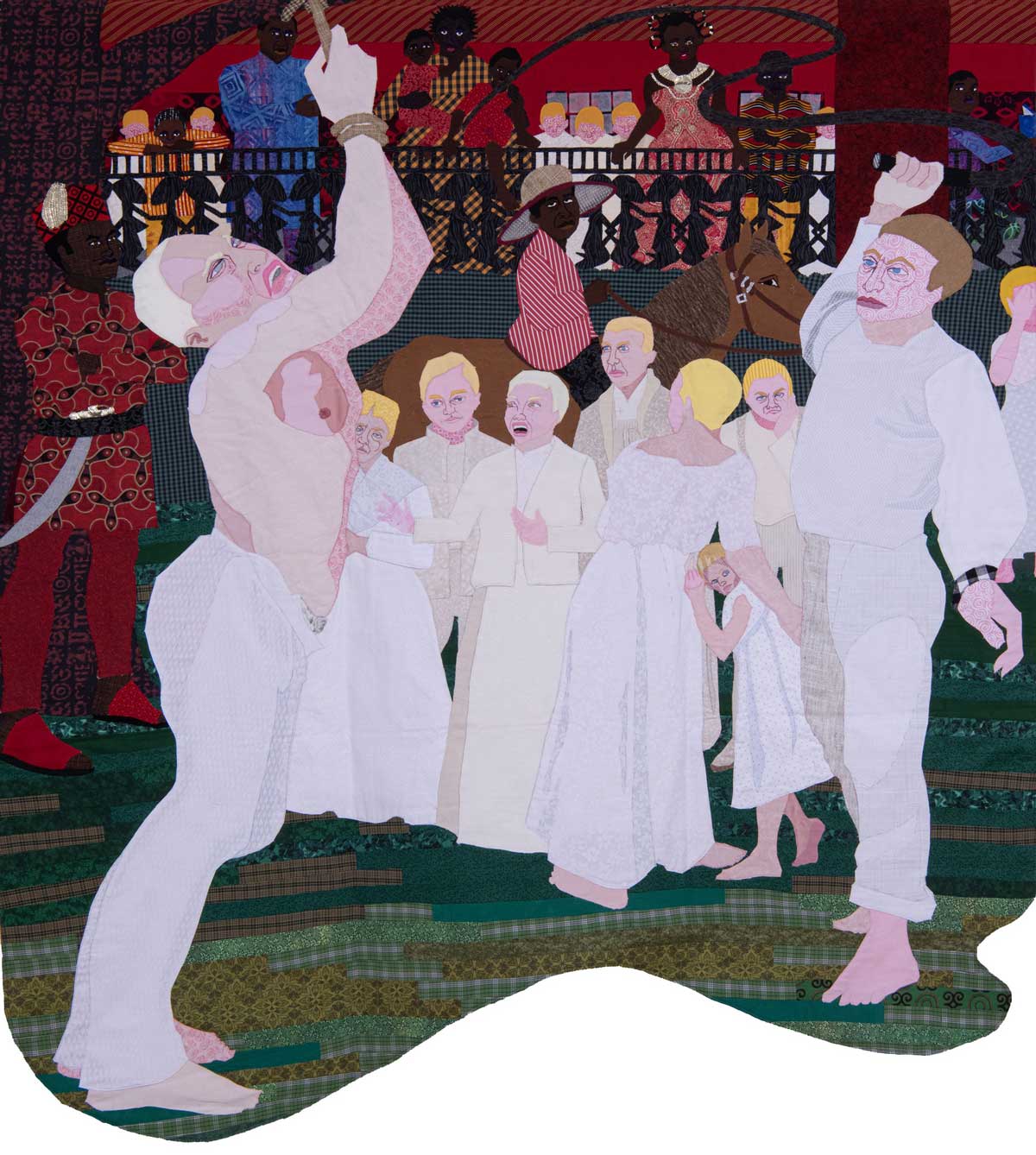
Dawn Williams, Indoctrination, 2025. Assorted fabrics and cotton embroidery floss, 67 x 59 in. Courtesy of the artist and Fort Gansevoort Gallery.
After moving to Colorado, in 1970, Dawn Williams Boyd became immersed in a community engaged with African and African American history—subjects largely absent from her formal education. Her mother, a former history teacher, created an awareness about the
underrepresented social narratives, a quest that in the 1990s resulted in her opening Omenala Griot Afro-Centric Teaching Museum, now known as Omenala Griot Afro-Centric Museum and Event Center in Atlanta, Georgia. Surrounded by books, conversations, and libraries, she spent years educating herself about histories previously unknown to her. This research informed Fear, a series using historical photographs to examine U.S. racial history, inviting viewers to pause, reflect, and question the narratives that precede and follow them. Boyd is direct about this method: the images already exist; what changes is the frame of attention. She is interested in the conditions under which viewers stop, look, and begin to ask what preceded and followed the captured moment. Textile, with its density of texture and color, slows down perception. The softness of fabric contrasts with the violence often embedded in the images, producing a tension between surface and subject.
A central concern in this body of work is fear—specifically, the way fear has been historically constructed around Blackness and mobilized to justify violence. Boyd “flips” familiar racial codes, reworking images that once circulated as instruments of threat. Her question is not abstract: what does it mean to live in a condition where one’s very existence is read as danger? How does a society normalize that logic across generations? “These questions led me to “flip” the racial identifiers—to take images historically used to construct Blackness as threatening and reframe them. I was also reading The 1619 Project and Frances Cress Welsing’s The Isis Papers, both of which address not only the mythology of fear in white American culture but the violence that has historically followed it. I wanted to explore what it is like to be feared without cause—whether you are doing something right or wrong, the response is often the same.”
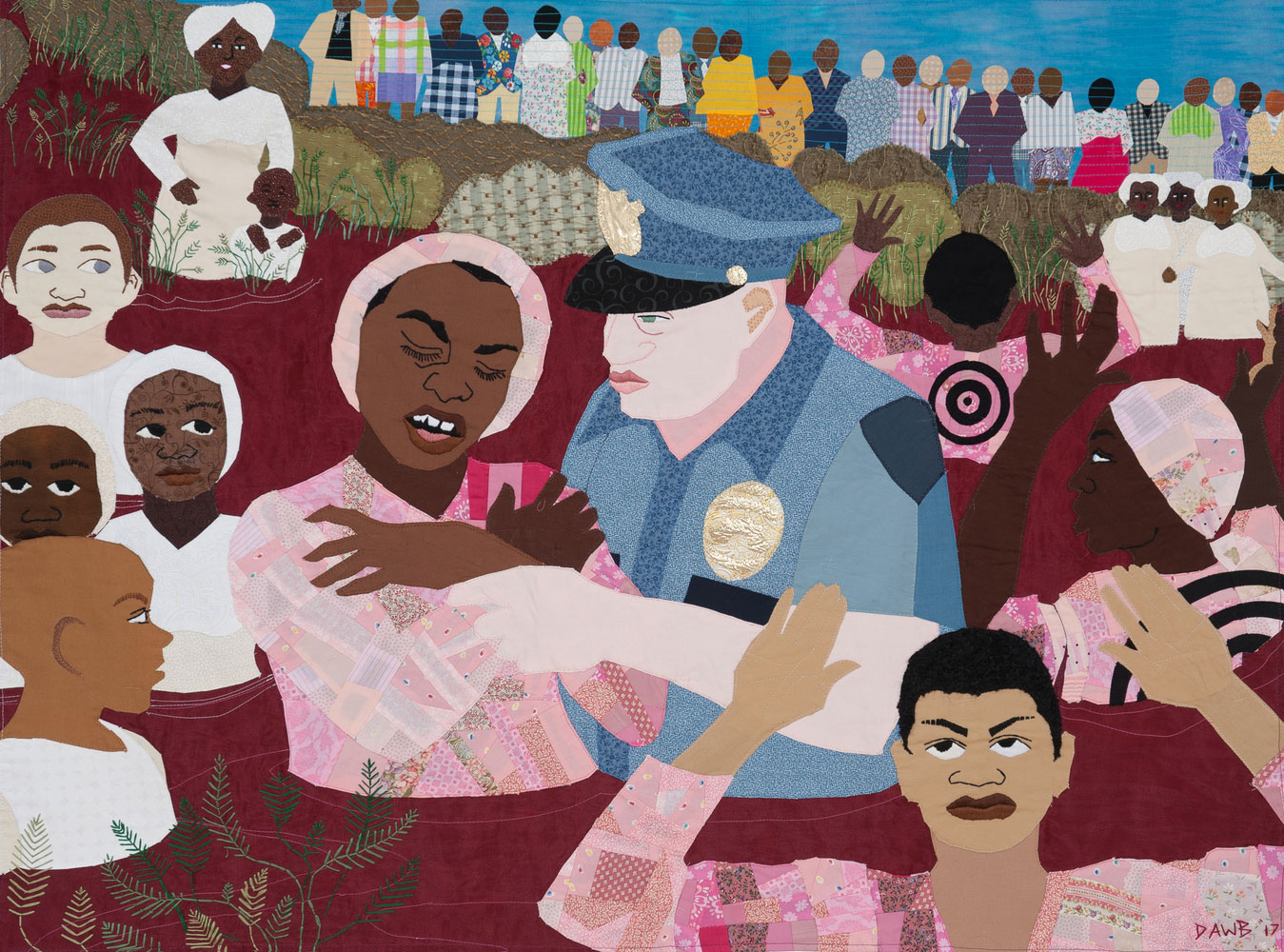
Dawn Williams Boyd, Baptizing Our Children in a River of Blood, 2017. Assorted fabrics and cotton embroidery floss, appliqued by machine; embroidered and quilted by hand, 36 x 48 in. Courtesy of the artist and Fort Gansevoort Gallery.
By restaging archival imagery in cloth, she neither reproduces nor resolves these histories, but insists on their continued presence. For Boyd, the question of reconciliation is inseparable from survival. She frames racial conflict within a broader crisis of planetary coexistence, arguing that hierarchical systems—racial, political, ecological—are mutually reinforcing. The future, in this sense, is not guaranteed; it depends on whether entrenched structures of power can be relinquished. Her position is not utopian, but it is unequivocal: living together is not a moral option but a material necessity.
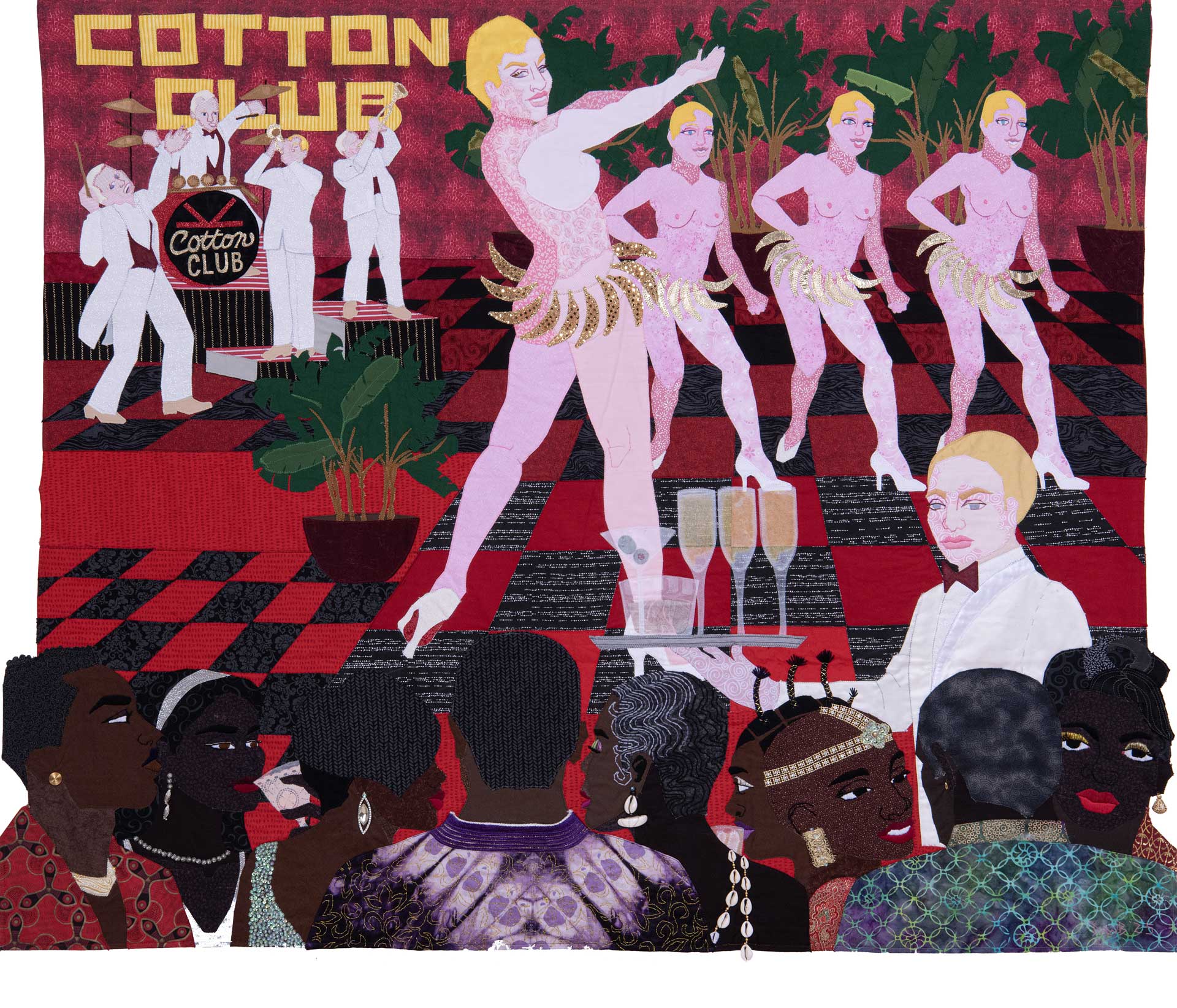
Dawn Williams Boyd, Cultural Appropriation, 2025. Assorted fabrics and cotton embroidery floss, 47 x 58 in. Courtesy of the artist and Fort Gansevoort Gallery.
Placed side by side, Chabashvili and Boyd reveal how textile can operate as a site of historical reckoning. In both practices, stitching is a way of assembling fragments without smoothing over rupture. Threads bind, but they also mark seams. Their works do not offer closure; instead, they construct spaces where absence, fear, memory, and responsibility remain visible—held in tension rather than resolved. Both artists operate on a similar atemporal plane as defined by philosopher and curator Chus Martinez. In her 2011 essay “I Celebrate Myself and Sing Myself: Anachronism as a Method,” Martinez argues that there is a decisive difference between a tempo that entails intensity and durational time that operates based on the strict ordering of historical information and readings. Both Chabashvili and Boyd use intense personal stories of the people or events they encounter to address larger historical circumstances. By using archival threads, they weave a universally readable tapestry.
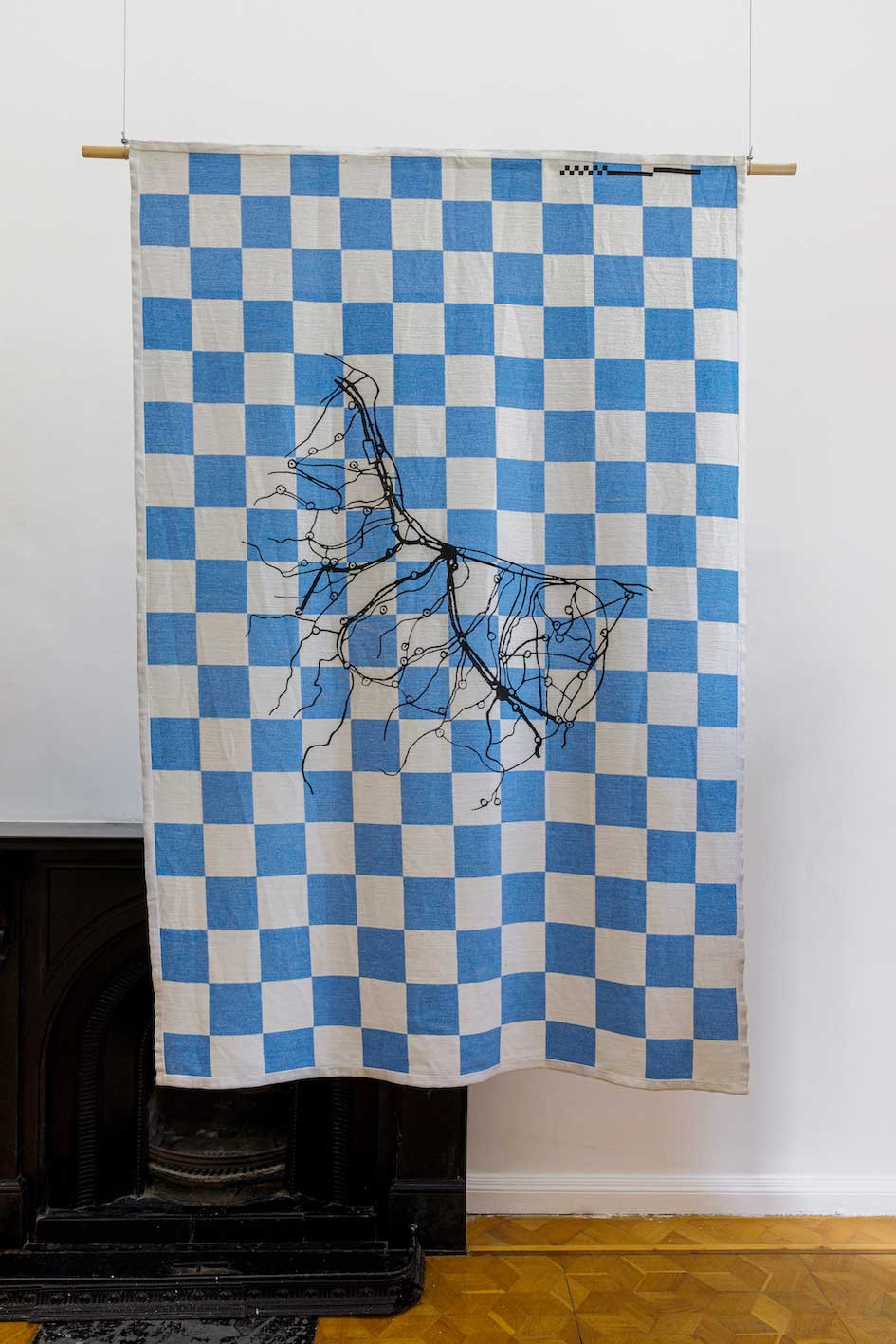
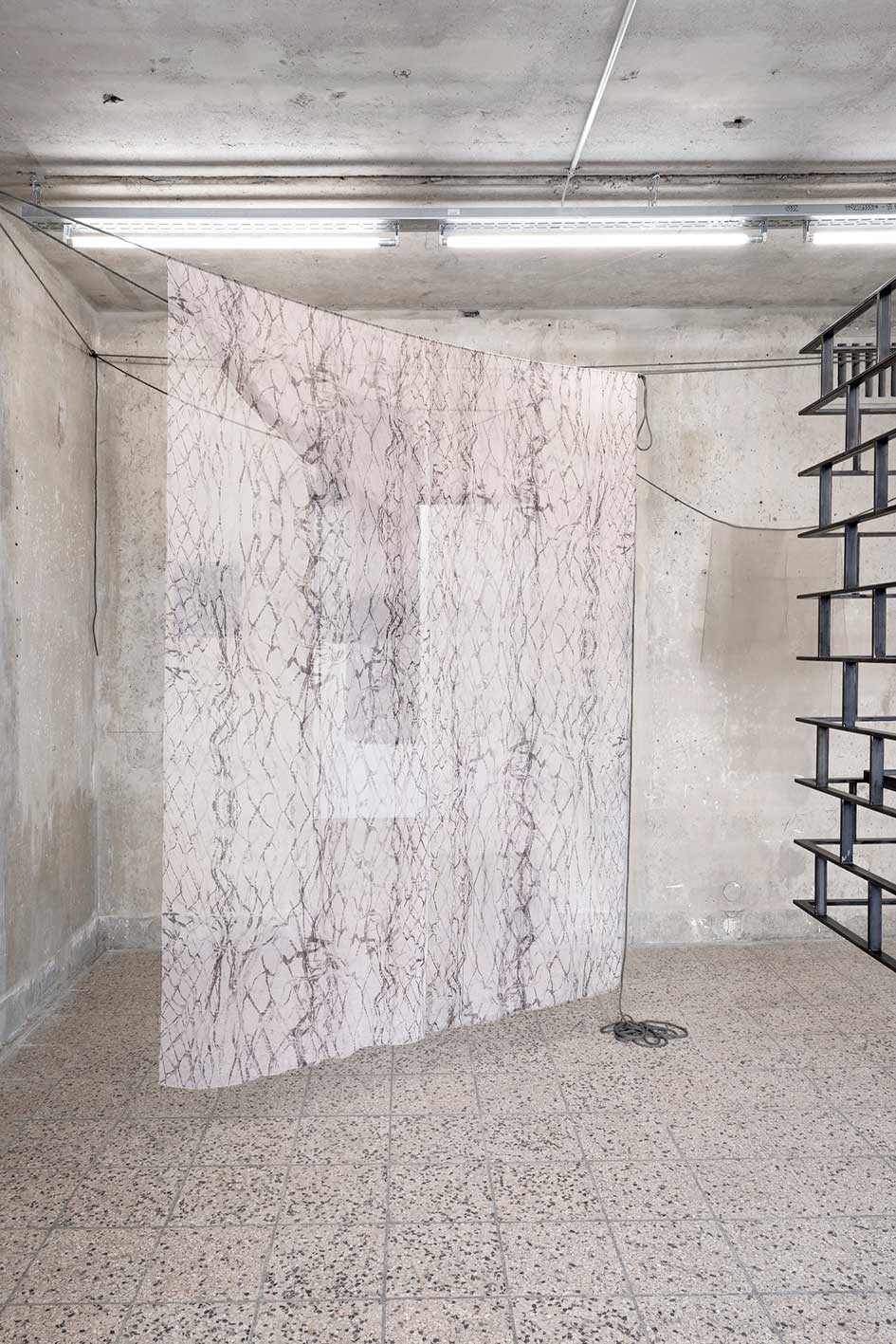
Left image: Tamuna Chabashvili, Guda-Nabadi, 2021. Gallery Artbeat, Tbilisi. A Map. Screen print on Soviet vintage cotton blanket, water-based ink, 76 × 51 in. Photo: Sera Zneladze. Courtesy of Private collection. Right image: Tamuna Chabashvili, Patterns of (In)Security II, 2024.
Die Möglichkeit einer Insel, Berlin. Digital print on hand-dyed chiffon and rope, dimensions variable. Photo: Stephanie Kloss. Courtesy of the artist.
Nina Mdivani is a Tbilisi-born, New York–based curator, writer, and researcher. She holds undergraduate degrees in International Relations from Tbilisi State University and from Mount Holyoke College, where she also studied Gender Studies, as well as a Master of Arts in Museum Studies from the City University of New York. Mdivani’s professional background includes work with the United Nations, Columbia University, and various nongovernmental organizations, with a focus on political and sociological research.
Nina’s first book, King Is Female, which traces the trajectories of three acclaimed Georgian women artists navigating male-dominated social and artistic traditions, was published by Wienand Verlag [Berlin] in October 2018 in collaboration with Kornfeld Gallery, Berlin, and launched at the Frankfurt Book Fair.
Her publications include Anna Valdez: Natural Curiosity (Paragon Books, Berkeley, CA, 2019); Lechaki: Photography of Daro Sulakauri [ERTI Gallery, Georgia, 2018]; and The Science, Religion, and Culture of Georgia: A Concise and Illustrated History [Nova Science Publishers, New York, 2017]. Nina Mdivani’s writing has appeared in publications such as Artforum, Berlin Art Link, e-flux, Flash Art, Hyperallergic, The Art Newspaper, The Brooklyn Rail, White Hot Magazine, JANE Magazine Australia, NERO Editions, East European Film Bulletin, Le Quotidien de l’Art, post.MoMA, Overstandard, Spaghetti Boost, Indigo Magazine [Tbilisi], and others.
Her current research and curatorial practice focus on identifying and examining alternative narratives within dominant cultural frameworks. The work engages within the intersections of art history, museum studies, critical theory, and decolonial studies.
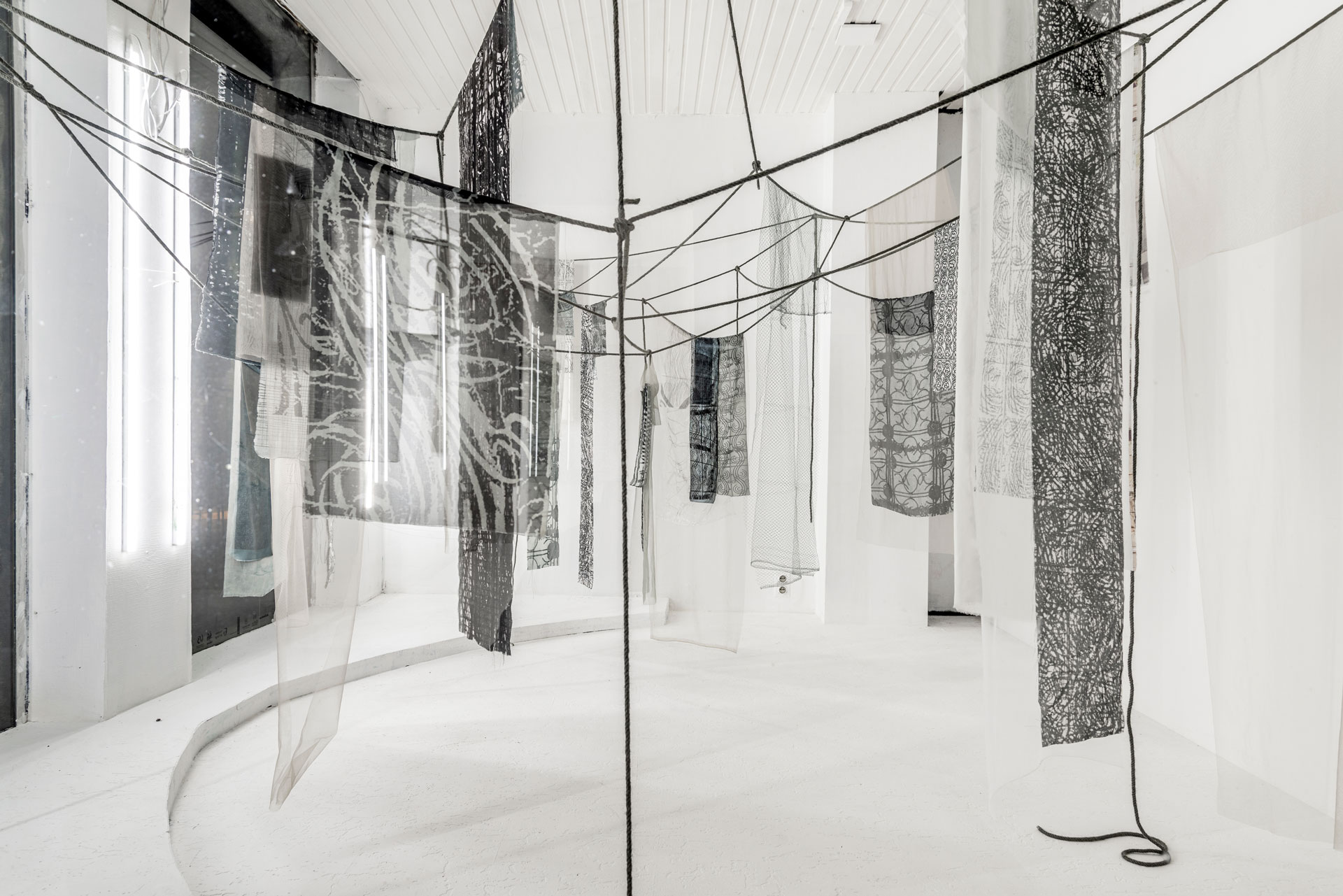
Tamuna Chabashvili, Traveling Tales, 2023. Gallery Les Drapiers, Belgium. Hand-dyed cord, digital print on hand-dyed chiffon, cotton, organza, lace, dimensions variable. Photo: Marc Wendelski. Courtesy of the artist.
Tamuna Chabashvili is a visual artist based between Amsterdam and Tbilisi. Her practice focuses on archives, traces, and the material presence of history. Textile often functions as a grid or connective structure in her work, serving as a network through which personal and collective events are traced. Fabric becomes a temporary platform for memory and experience.In 2003, she co-founded the artists’ initiative Public Space With A Roof [PSWAR] in Amsterdam, which operated as a project space until 2007. Since then, PSWAR has continued to produce large-scale research-based projects that blur the boundaries between artistic roles such as artist, activist, producer, and curator. PSWAR projects have been presented internationally, including at the Kiesler Foundation in Vienna and Centre Pompidou-Metz. Her recent archive-based projects include The Corridors of Conflict. Abkhazia 1989–1995 and Missing Monument, commissioned by the International Committee of the Red Cross [ICRC] in Georgia.
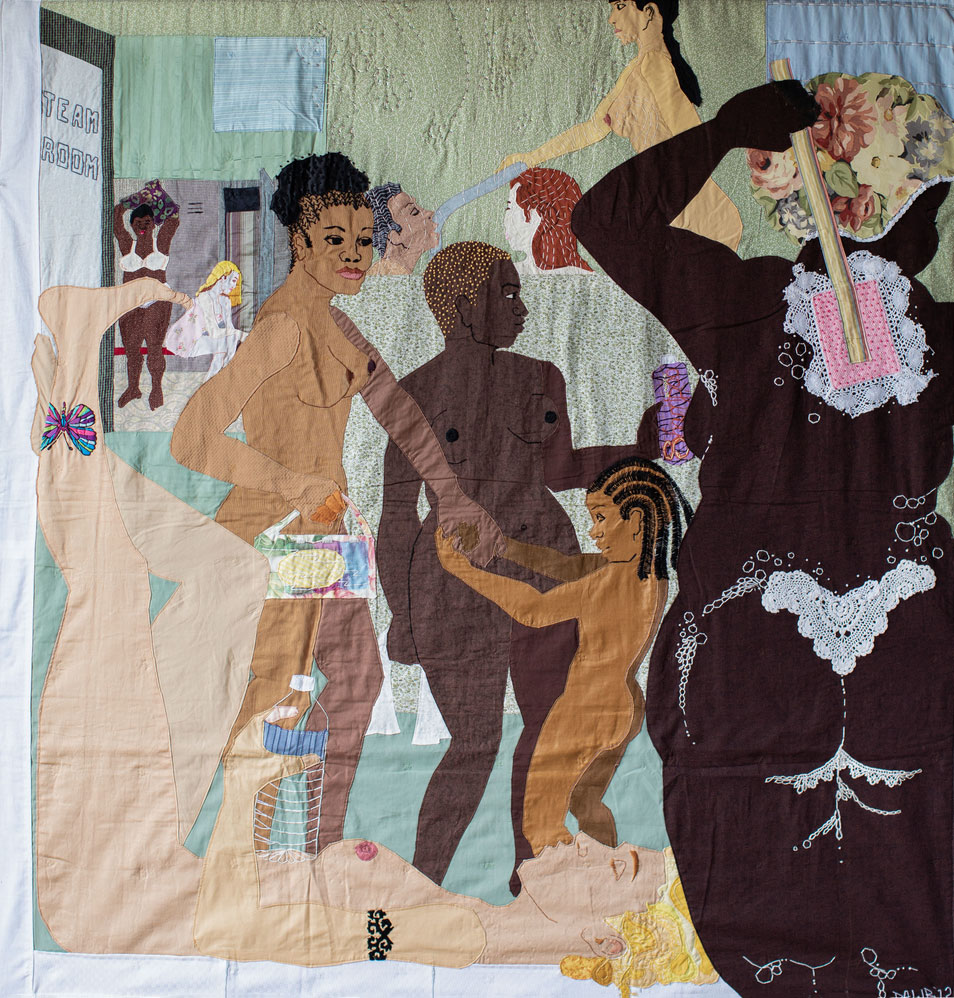
Dawn Williams Boyd, Ladies Night: Lake Steam, 2012. Mixed media, 61.5 x 59 in. Courtesy of the artist and Fort Gansevoort Gallery.
Dawn Williams Boyd was born in 1952 in Neptune, New Jersey. She earned her BFA at Stephens College in Columbia, MO in 1974. Boyd’s work is included in the collections of the Metropolitan Museum of Art, New York, NY; Equal Justice Initiative, Montgomery, AL; High Museum of Art, Atlanta, GA; Birmingham Museum of Art, Birmingham, AL; Minneapolis Institute of Art, Minneapolis, MN; Columbus Museum, Columbus, GA; Everson Museum of Art, Syracuse, NY; Mercedes-Benz Art Collection, Stuttgart, Germany; and the Richardson Family Art Museum, Wofford College, Spartanburg, SC. Boyd’s art has been exhibited nationally at the High Museum of Art, Atlanta, GA; Columbus Museum of Art, Columbus, OH; the Everson Museum in Syracuse, NY; The California Museum, Sacramento, CA; Mingei International Museum, San Diego, CA; Museum of the Shenandoah Valley, Winchester, VA; Brooklyn Academy of Music, New York, NY; Hauser & Wirth, New York and Los Angeles, Brown v. The Board of Education Historic Site, Topeka, KS; Southwest Art Center, Atlanta, GA; Hammonds House Museum, Atlanta, GA; Bulloch Hall, Roswell, GA; Callanwolde Fine Arts Center, Atlanta, GA; Contemporary Craft, Pittsburgh, PA; Kniznick Gallery, Brandeis University, Waltham, MA; the Gallery at Heimbold Visual Arts Center, Sarah Lawrence College, Bronxville, NY; Wofford College, Spartanburg, SC; the Lamar Dodd School of Art’s Dodd Galleries, the University of Georgia, Athens, GA; and Agnes Scott College, Decatur, GA. Her work has been exhibited internationally at Mercedes-Benz Art Collection, Stuttgart, Germany; Hauser & Wirth, Somerset, UK; and Almine Rech, Brussels, Belgium. In 2021, a multi-venue solo exhibition of the artist’s work, Dawn Williams Boyd: Woe, was presented at Lamar Dodd School of Art’s Dodd Galleries, at the University of Georgia in Athens, GA; the Everson Museum, Syracuse, NY; and the Gallery at Heimbold Visual Arts Center, Sarah Lawrence College, Bronxville, NY.
Hero image: Tamuna Chabashvili, A Bundle, 2015. Machine embroidery on fabric, 33.5 × 39.4 inches. Photo and courtesy of the artist.