My work is rooted in my experiences living in diaspora, reflecting Homi Bhabha’s idea of the “Third Space.” This dynamic realm allows for the disruption of fixed identities and the emergence of new, fluid identities through the blending of traditions, values, and languages. In this journey, misunderstandings often arise as cultural nuances and jargon shift. I aim to challenge notions of “otherness” and build bridges across cultural divides through participatory practices. As the persecution and displacement of migrant communities intensifies, creating spaces for authentic engagement is essential.
My collaborative projects illustrate how we carry our customs and adapt to new environments. Using weaving, sewing, drawing, and material exploration, I create contemporary visual narratives focused on migration, memory, and belonging. I am particularly interested in the fractured memories that emerge from distance, the mistranslation of slang in bilingual contexts, and the use of found or upcycled materials that embody both neglect and acceptance.
Worn garments evoke tactile memories, connecting us to our past. My inspiration comes from Indigenous textile knowledge, memories of the Caribbean, and the vernacular. By transforming folk motifs into contemporary forms, my work resonates with current conversations. While collaboration is central to my practice, I also value personal reflection. My individual works delve into abstraction and color interaction, utilizing my heritage to create dynamic meditations on form and lineage.
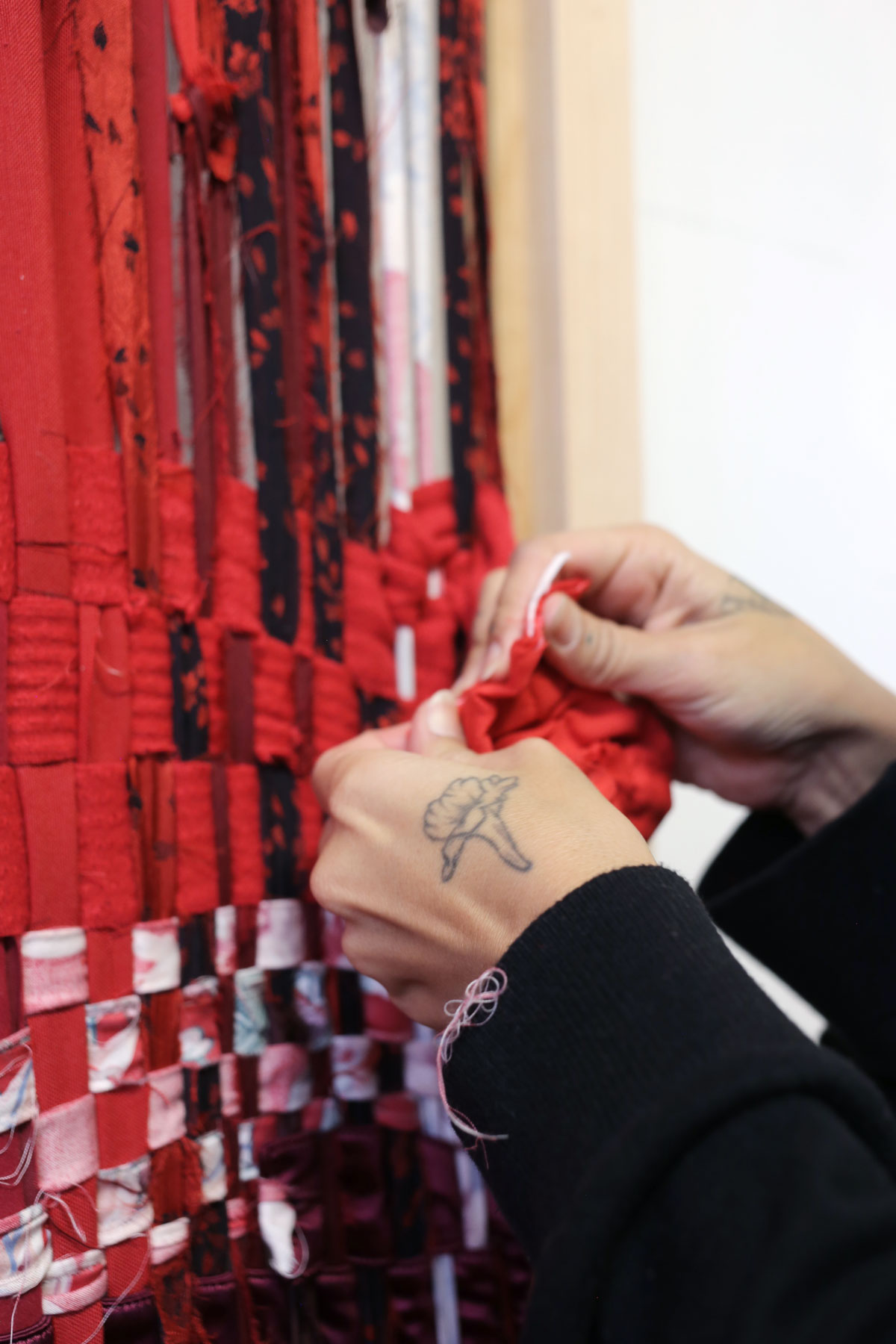
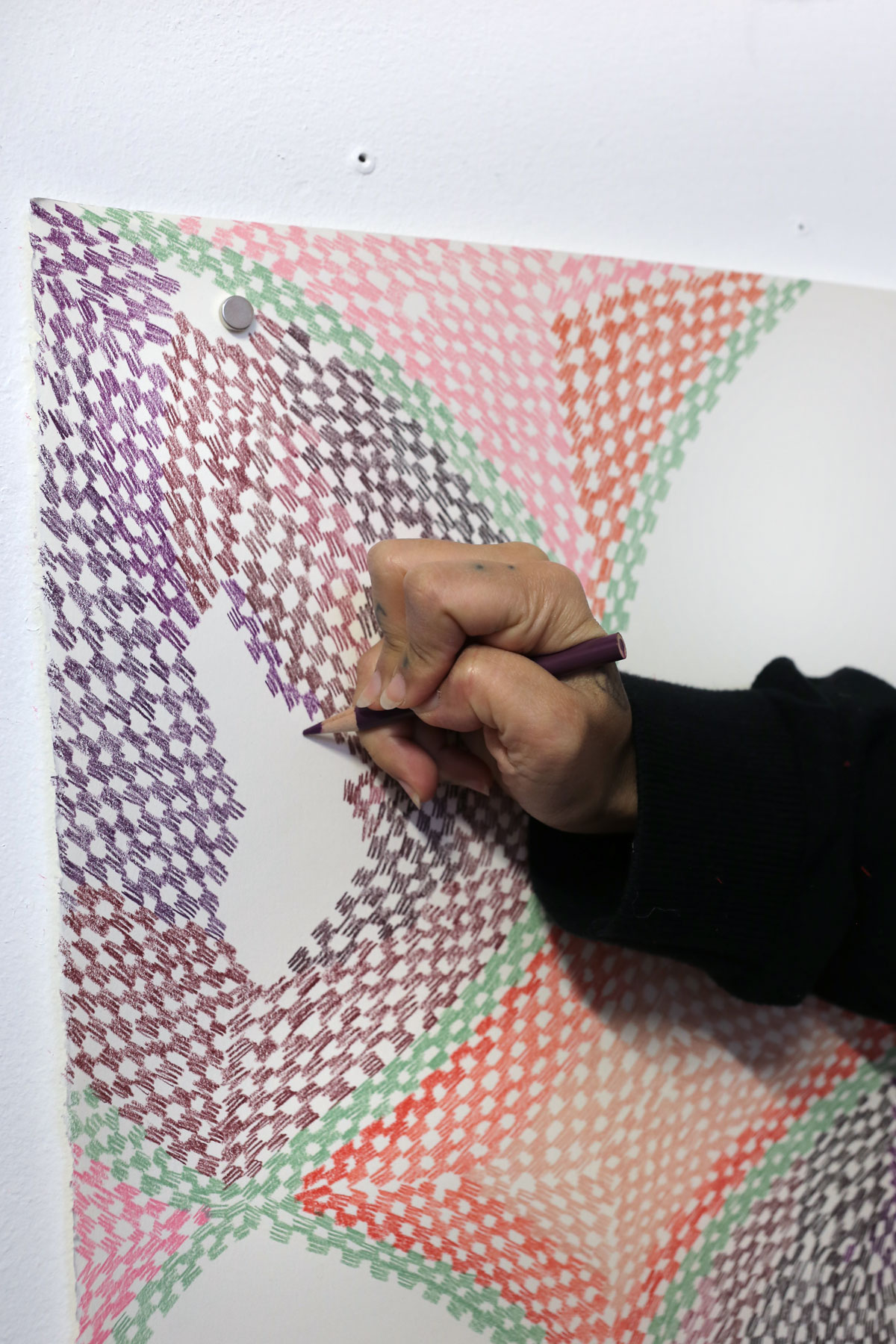
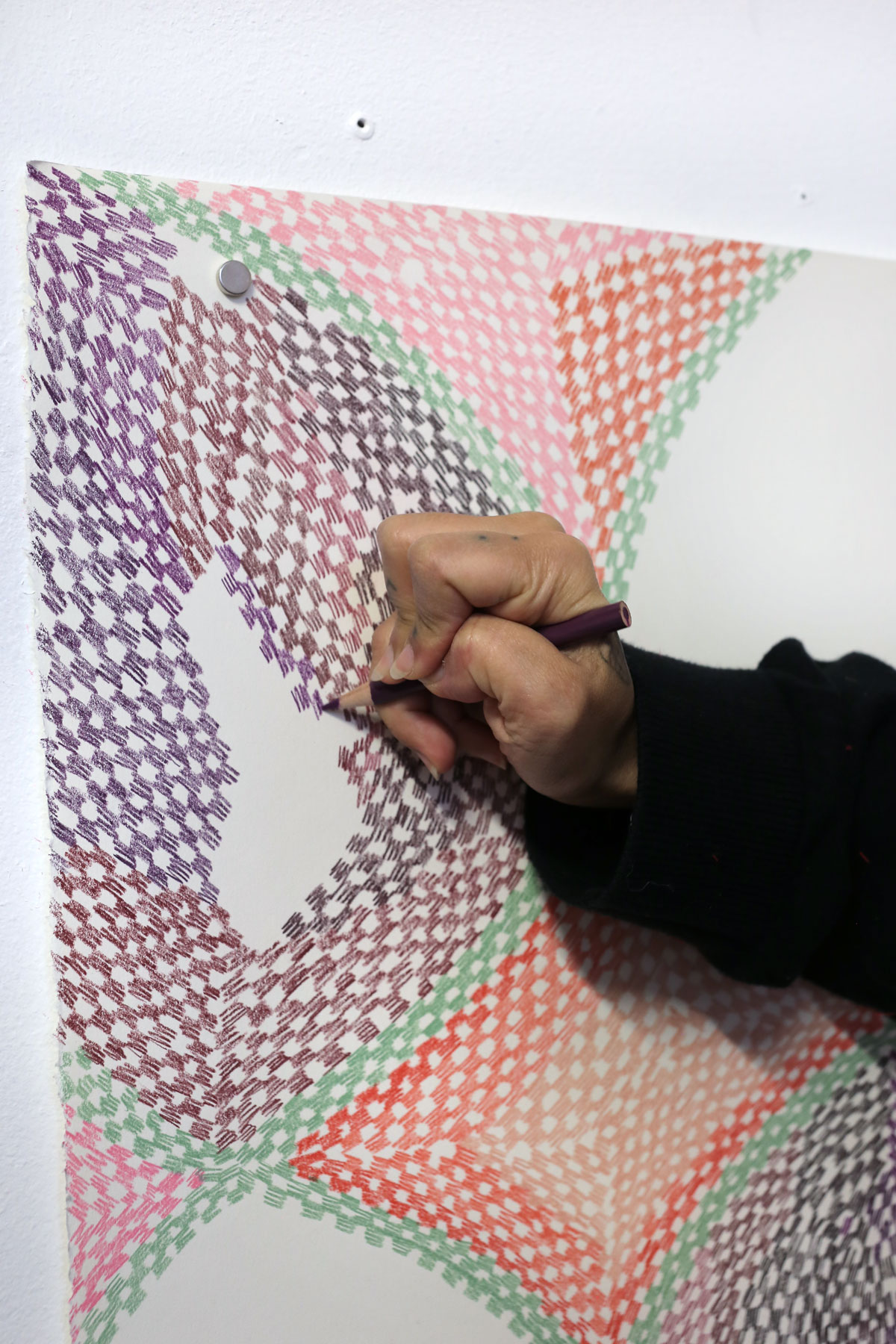
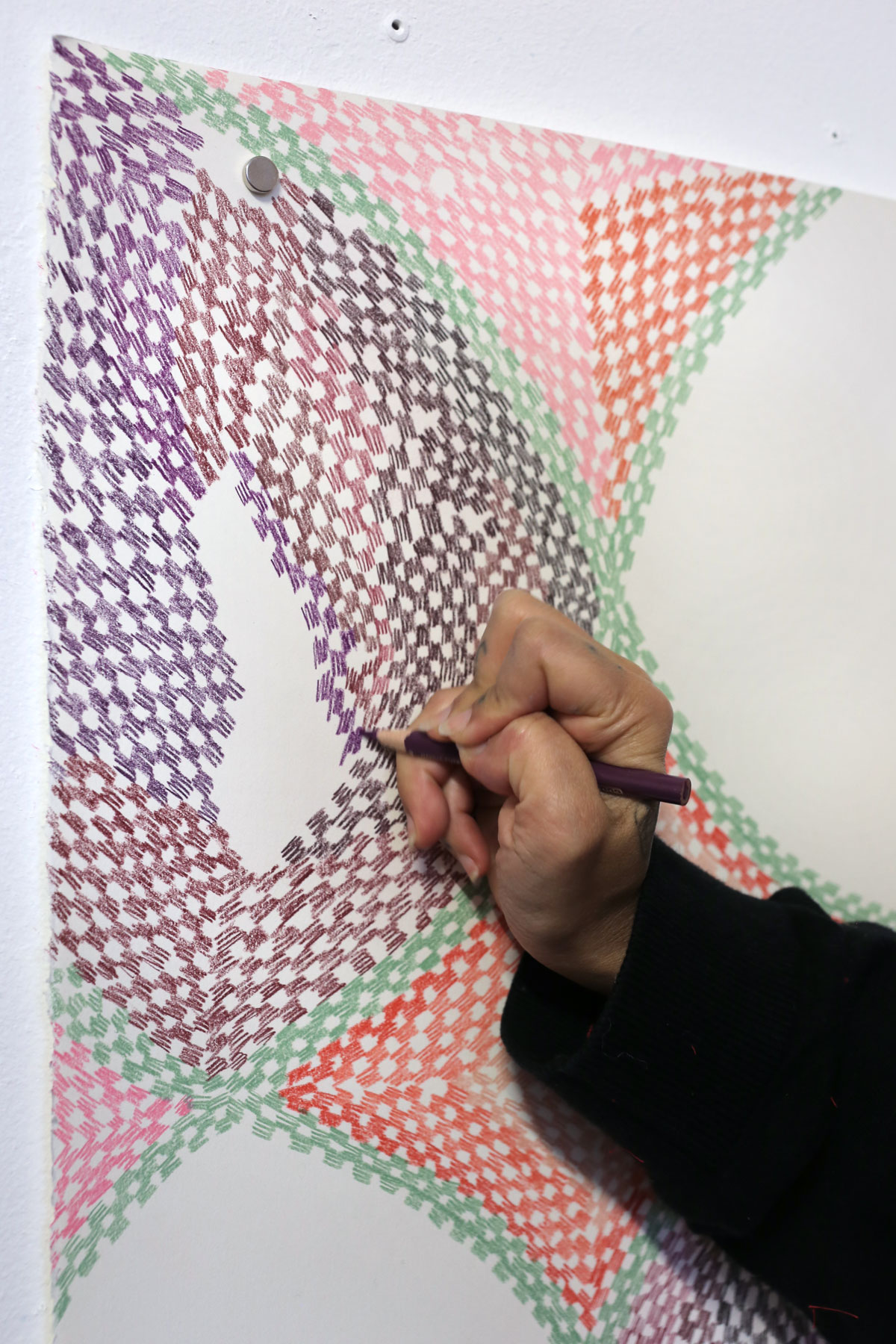
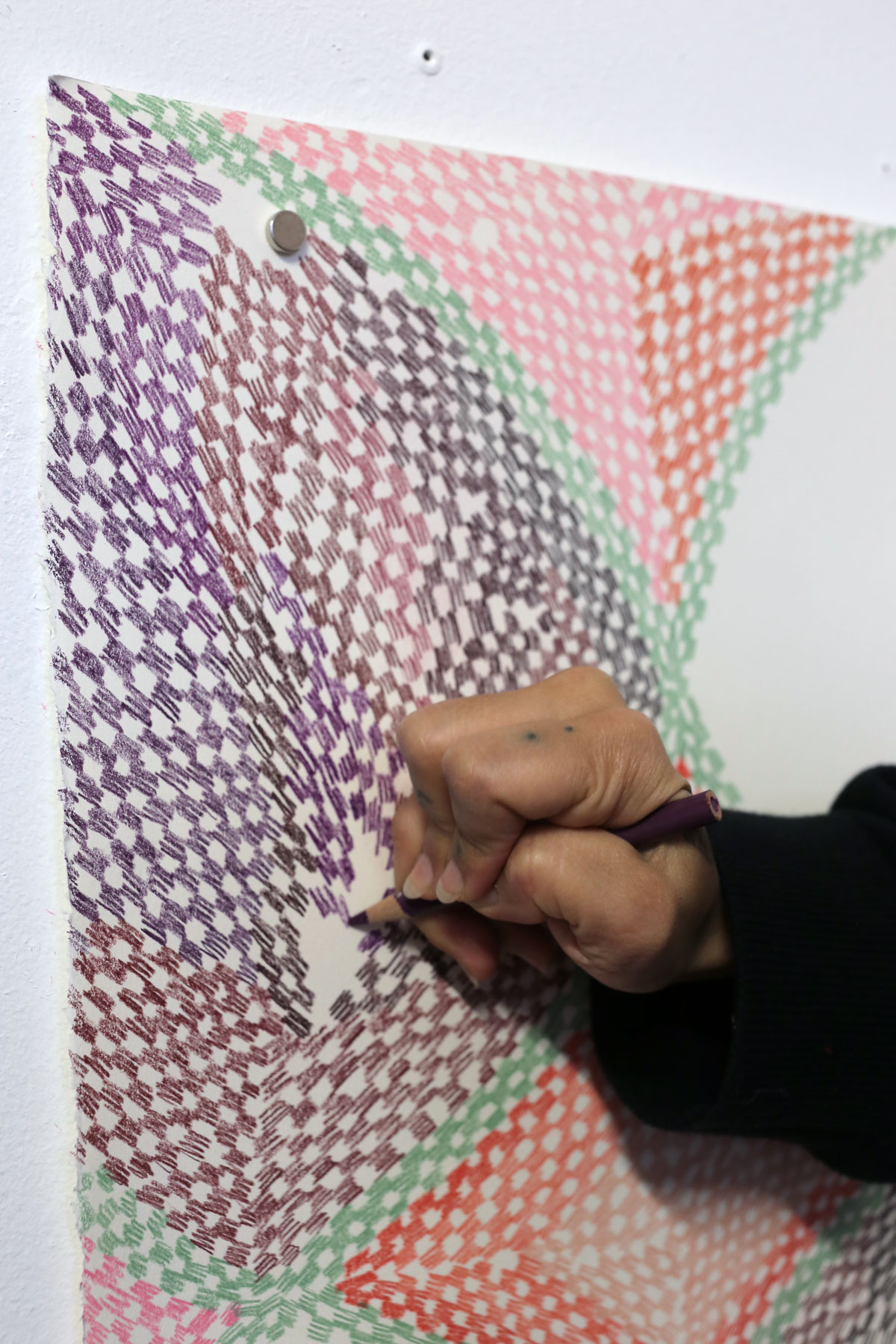
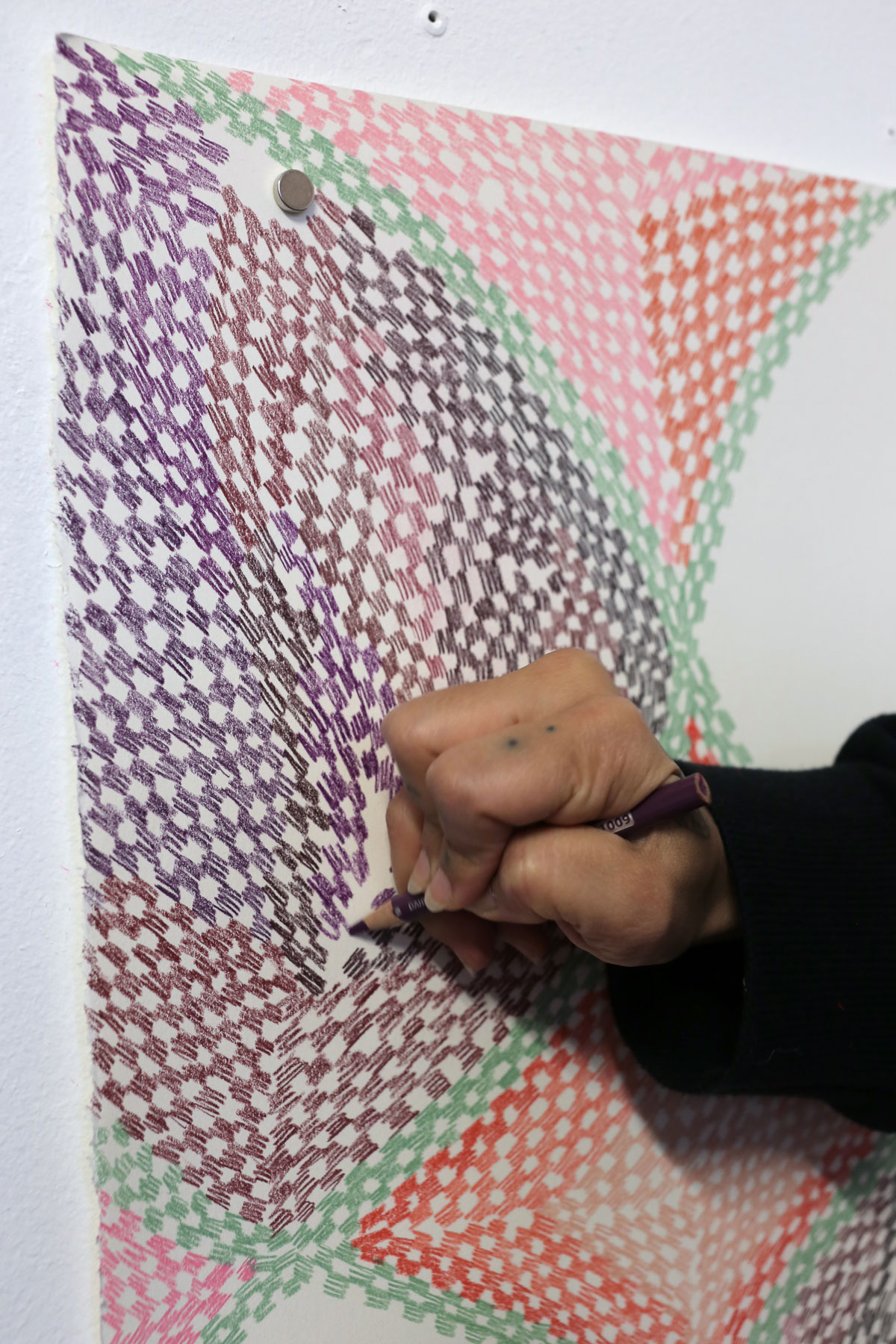
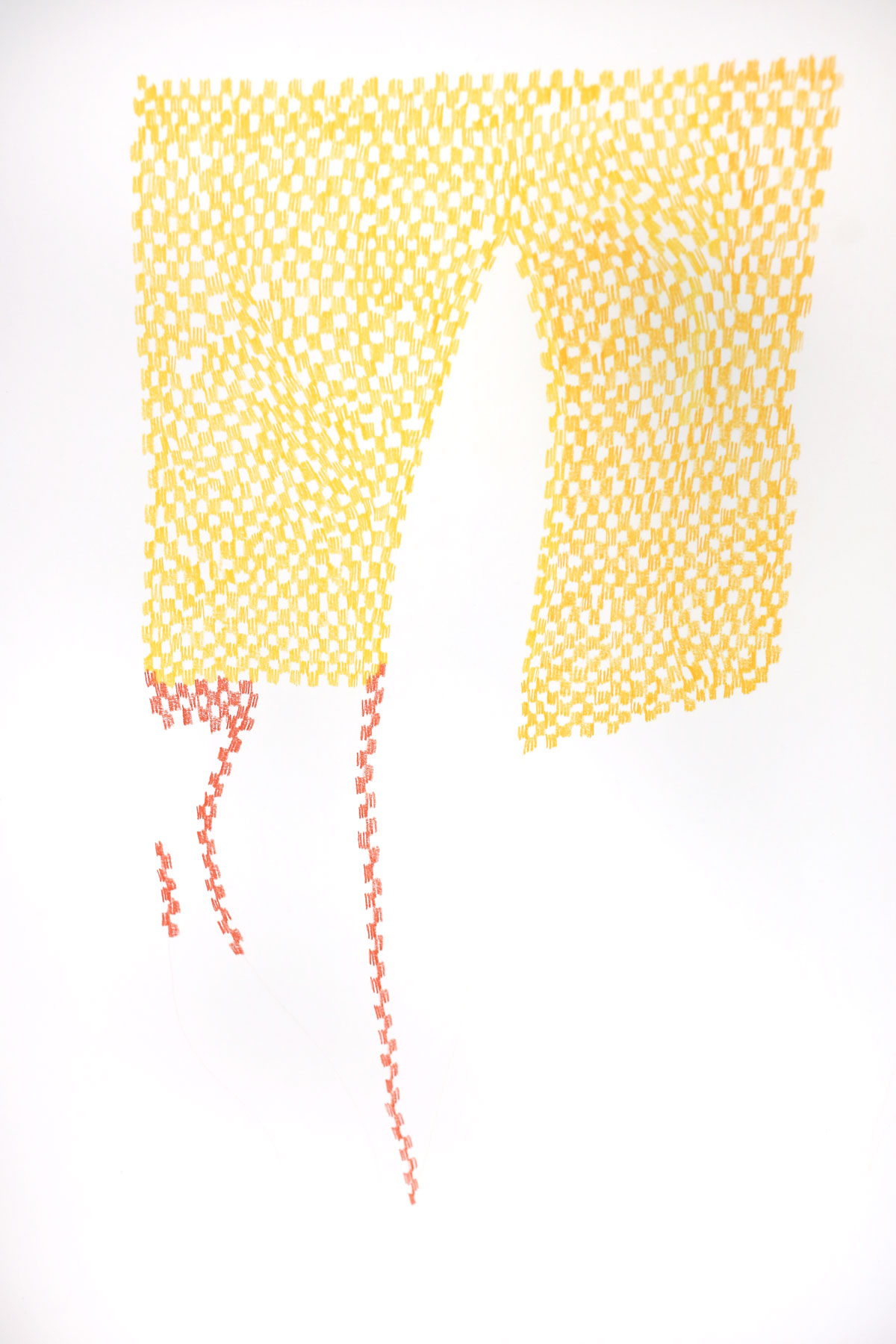
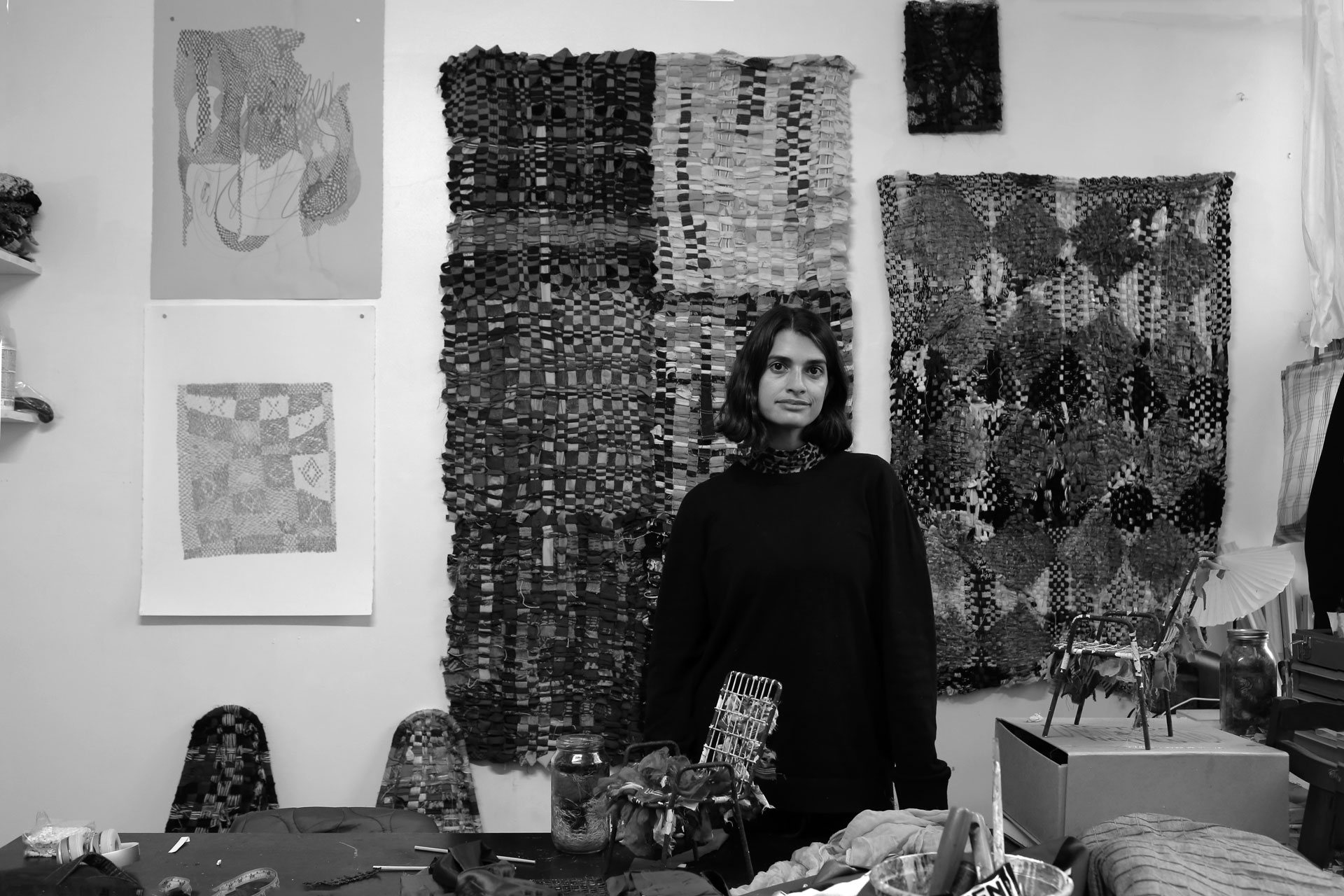
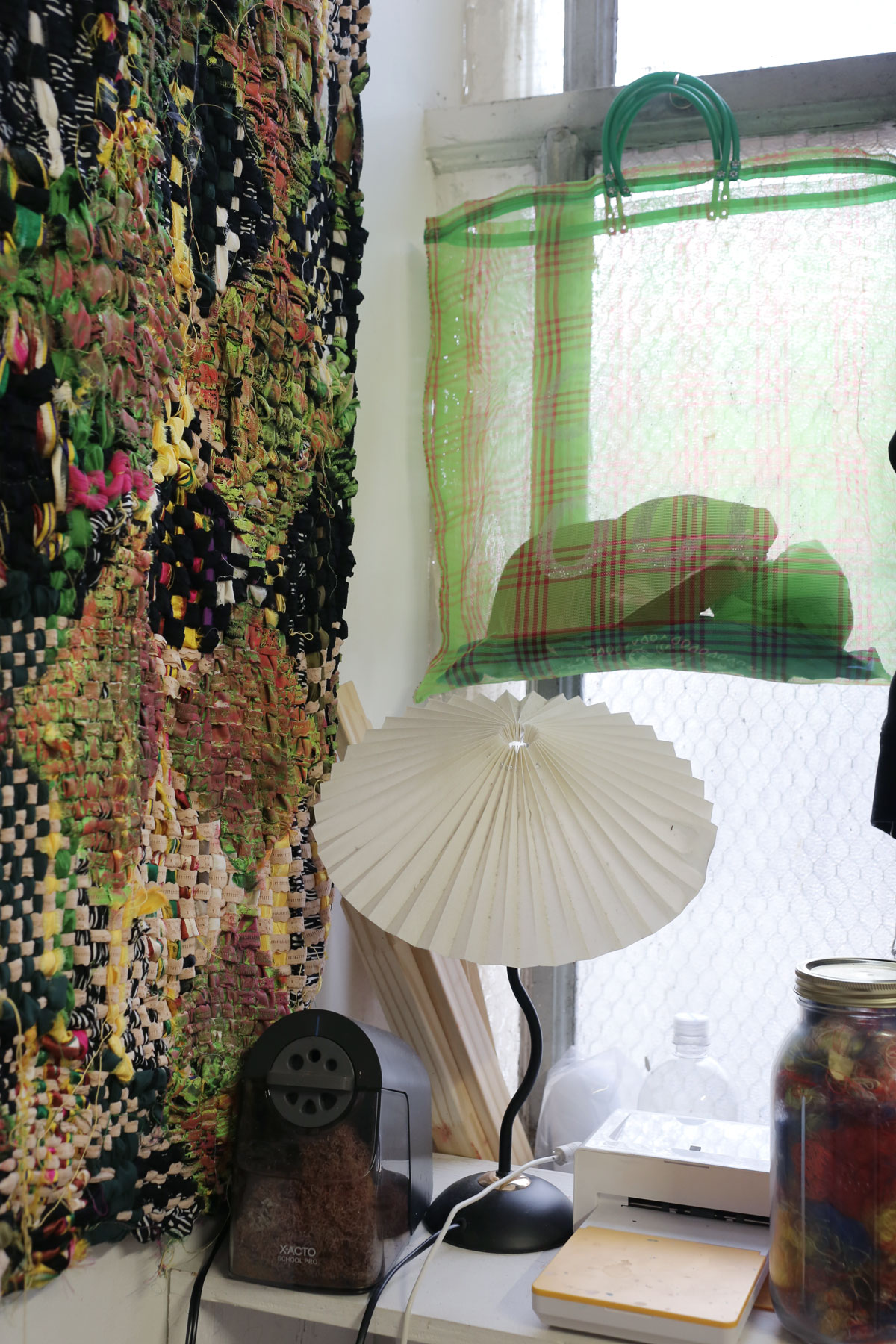
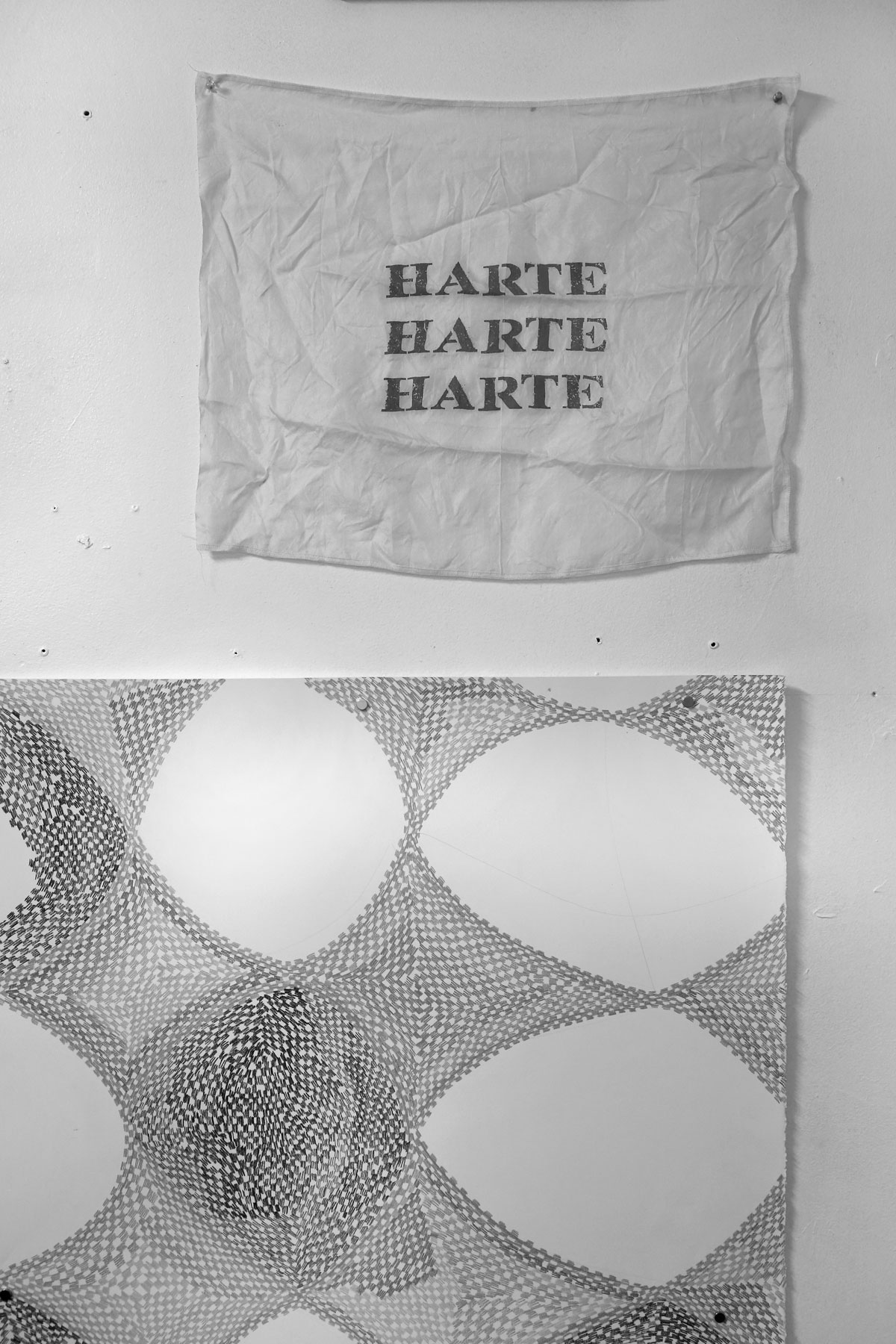
I am focused on creating woven abstract structures and figurative quilt compositions using photographic prints on fabric alongside upcycled and distressed materials. I am also developing a drawing style that mimics stitching and embroidery, resulting in a unique pencil weaving technique on paper. These artistic processes allow me to explore diverse inquiries within myself.
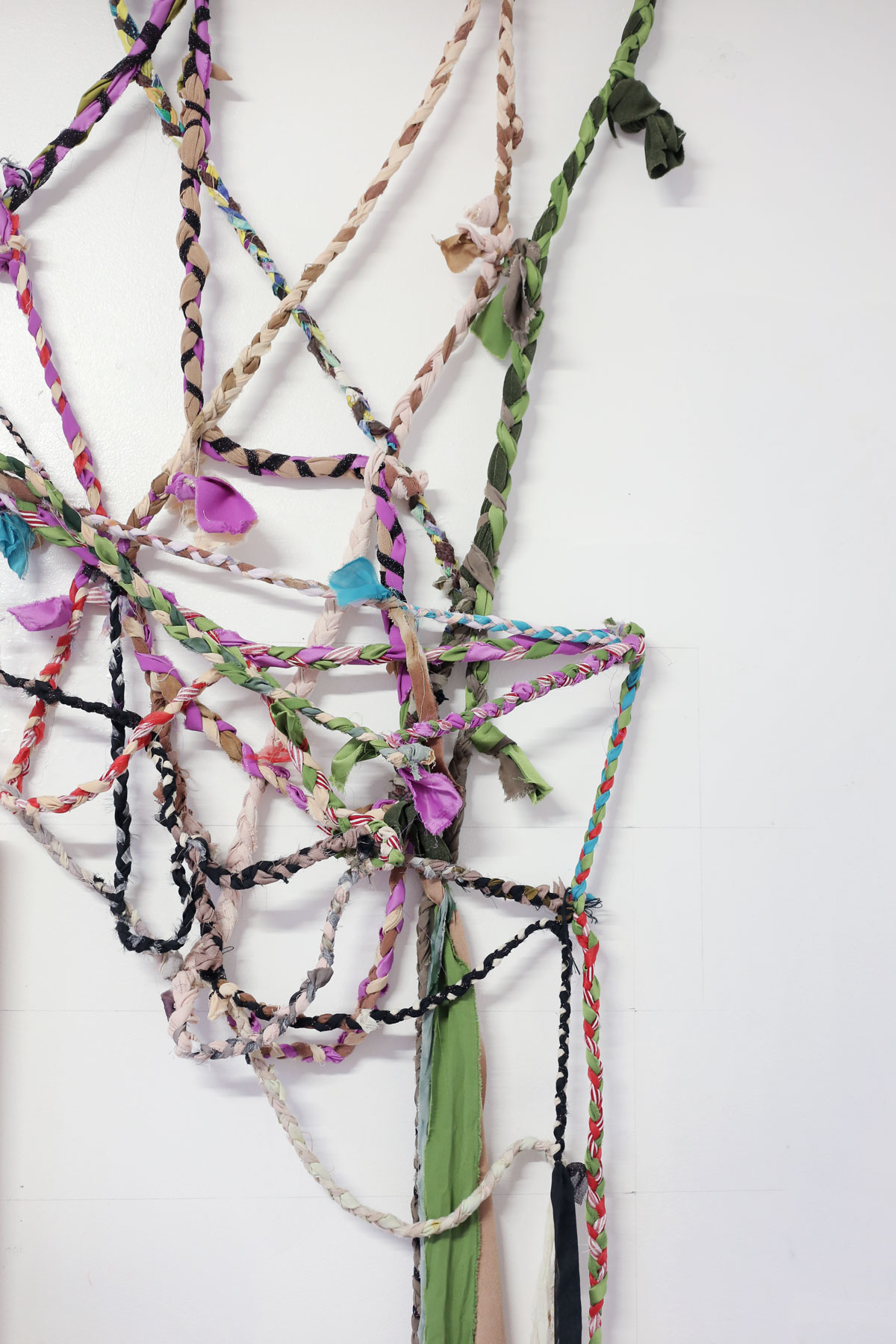
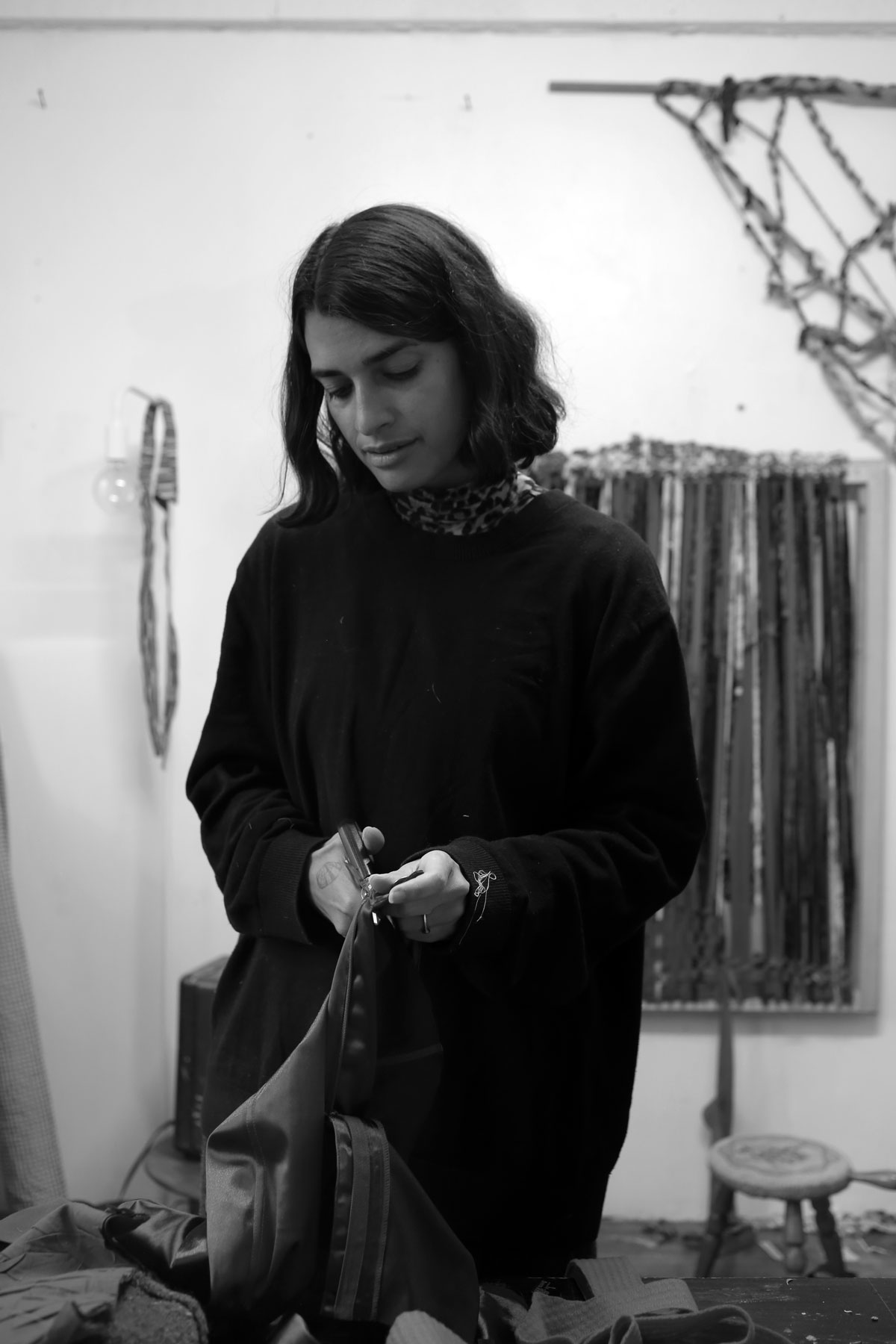
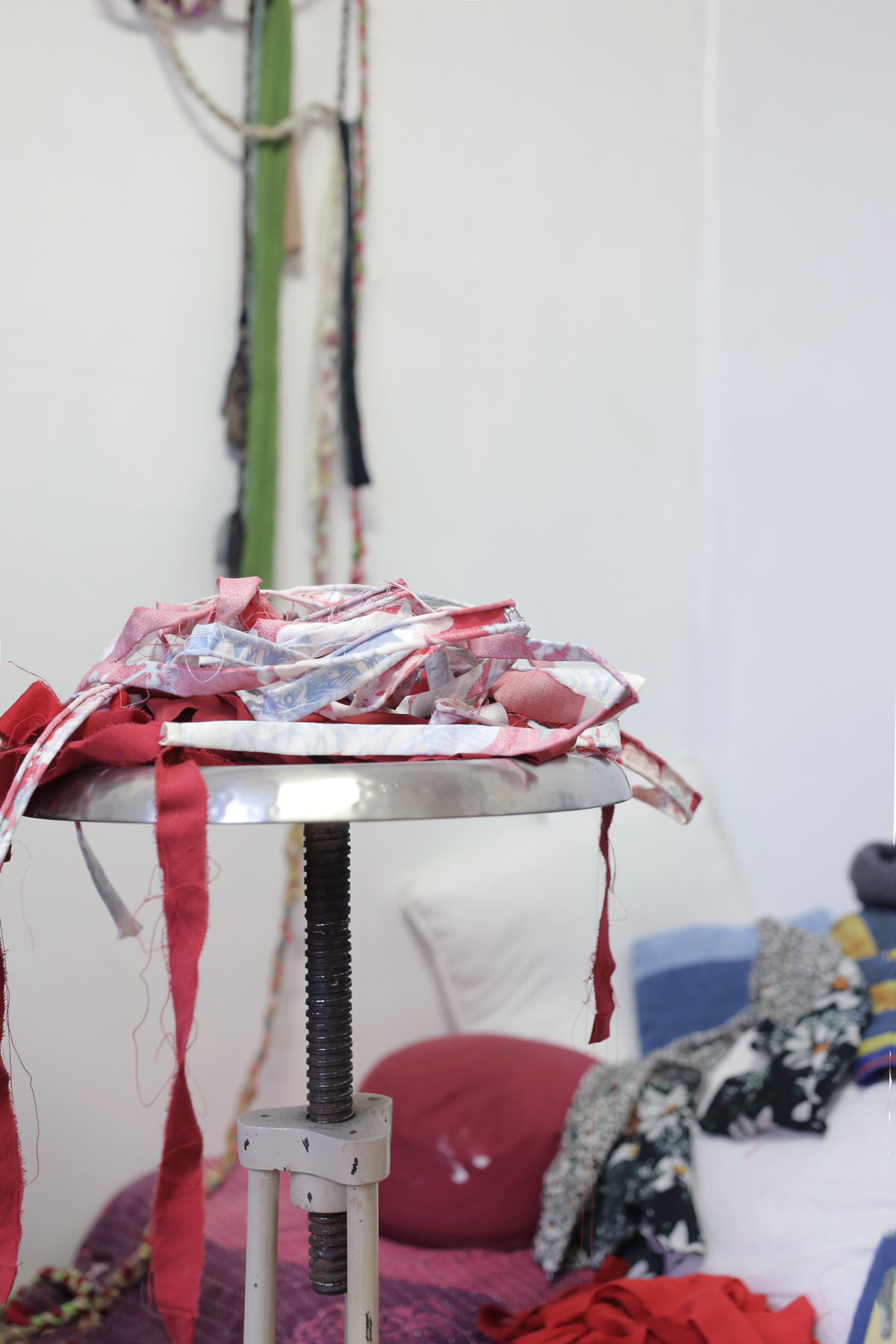
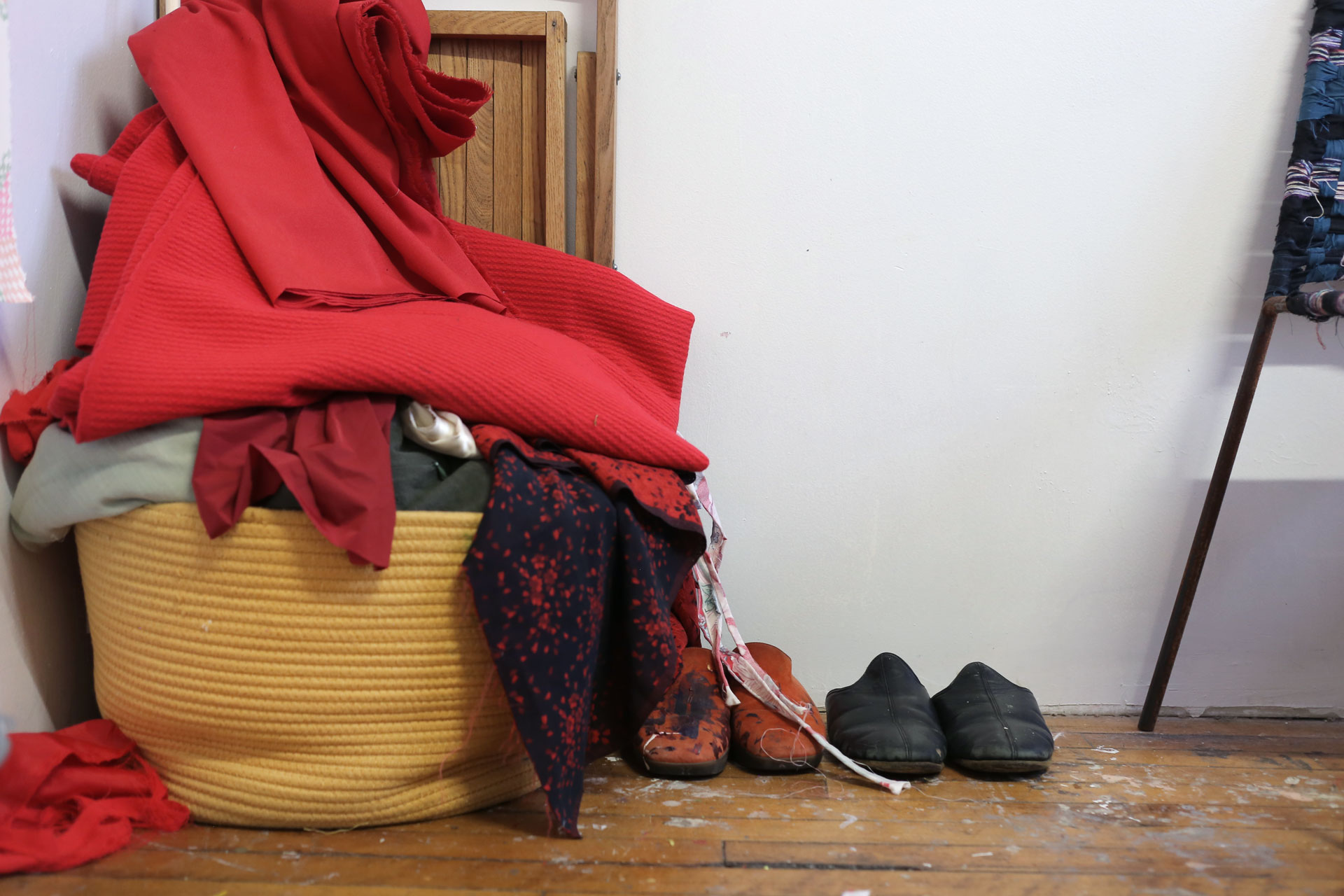
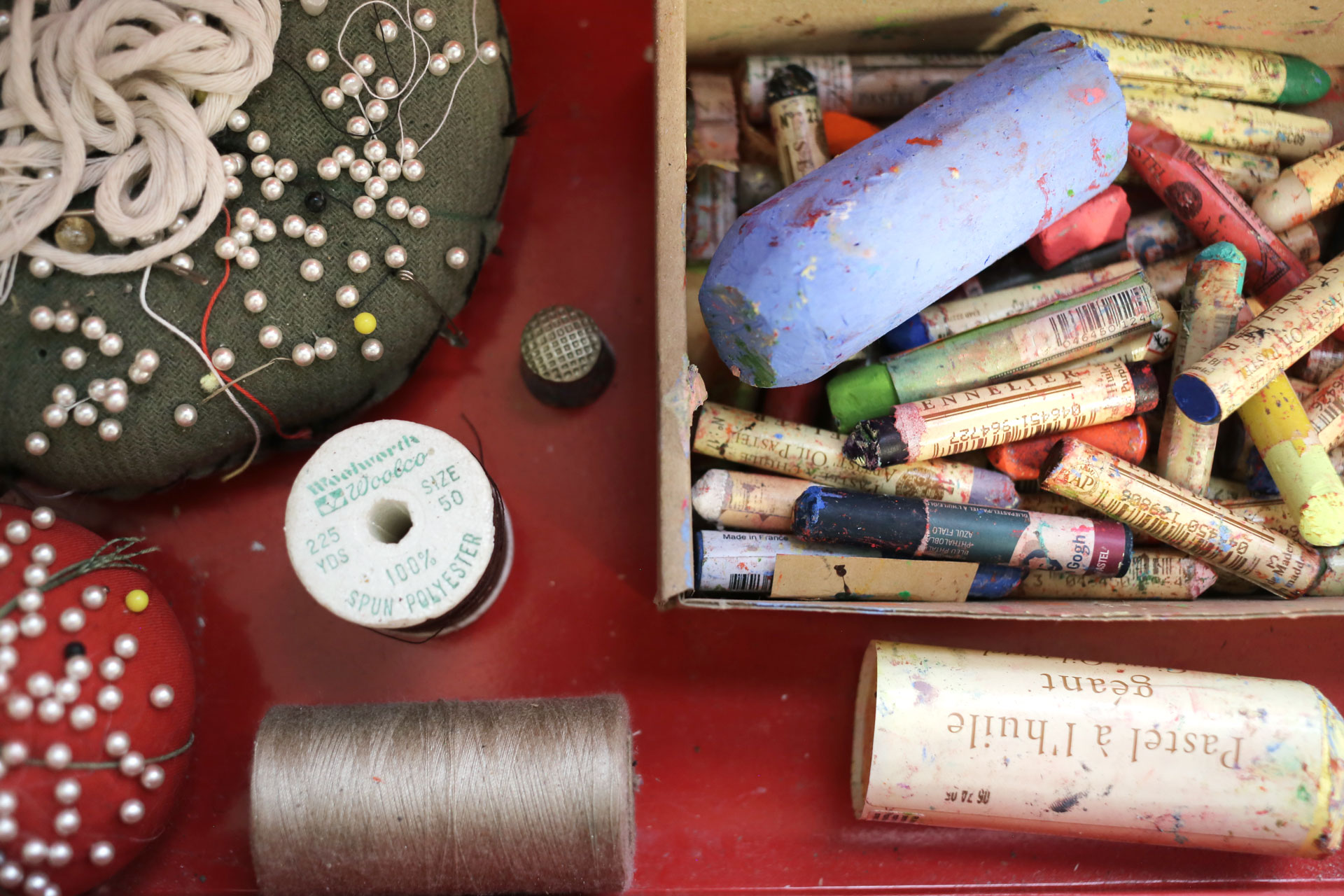
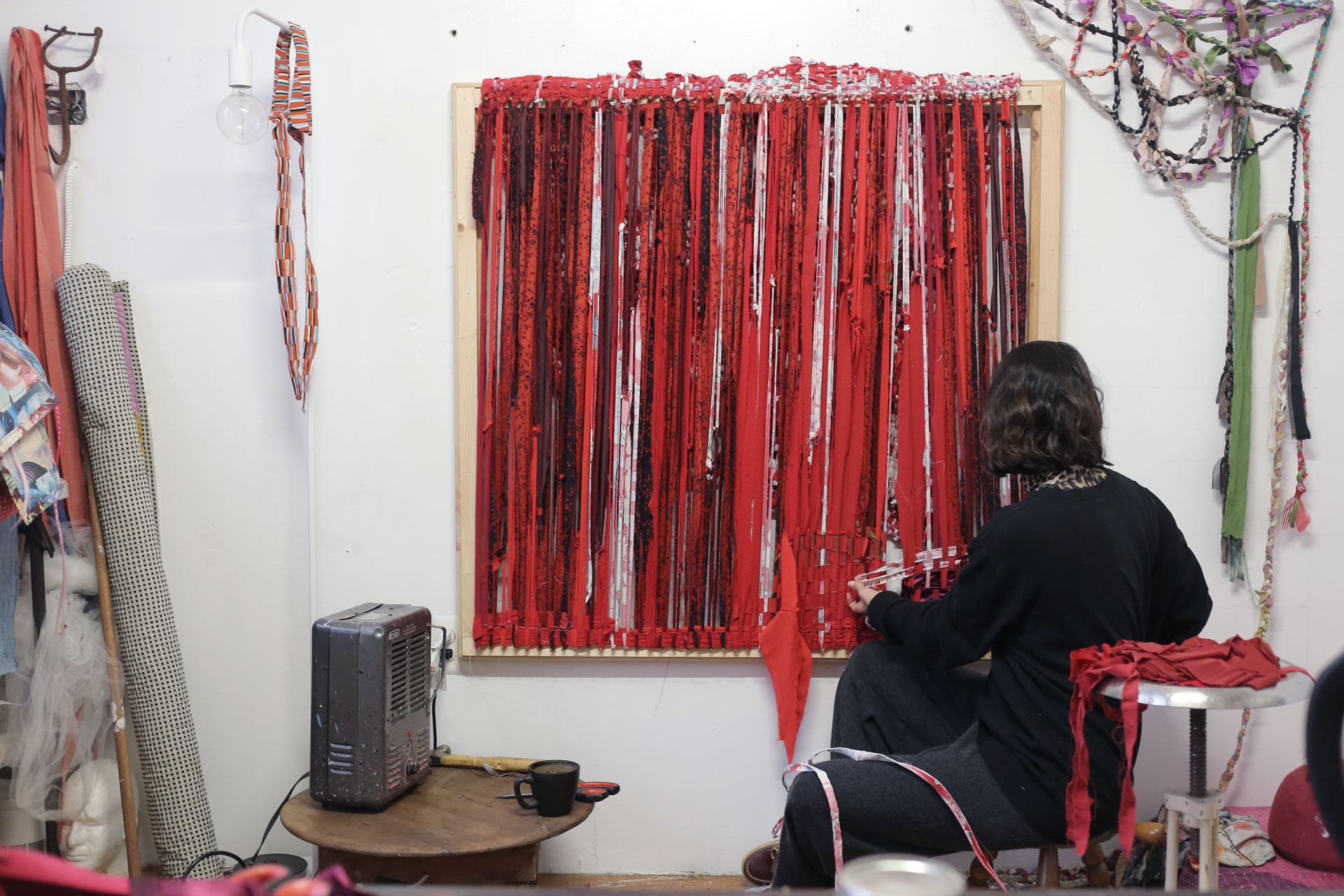
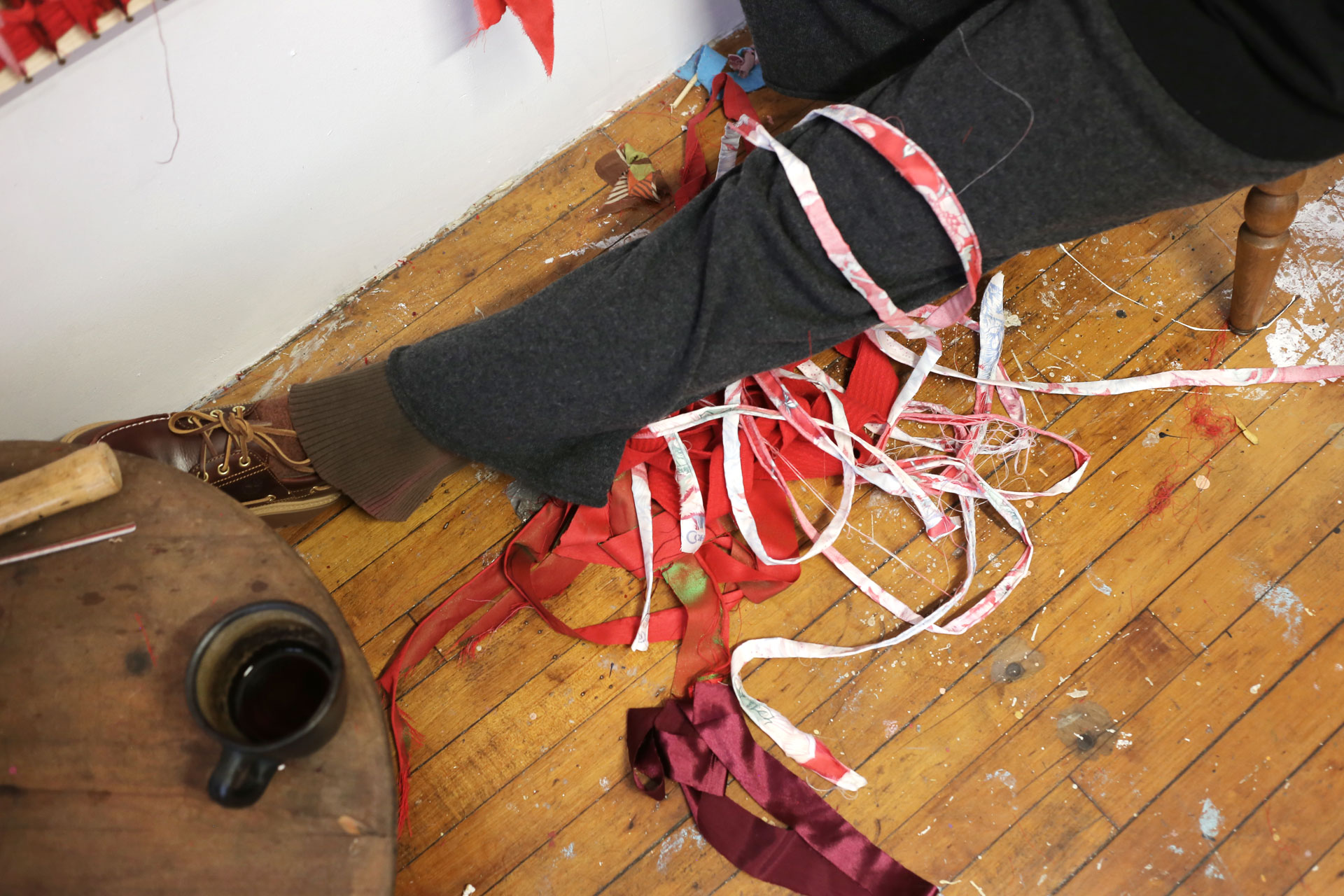
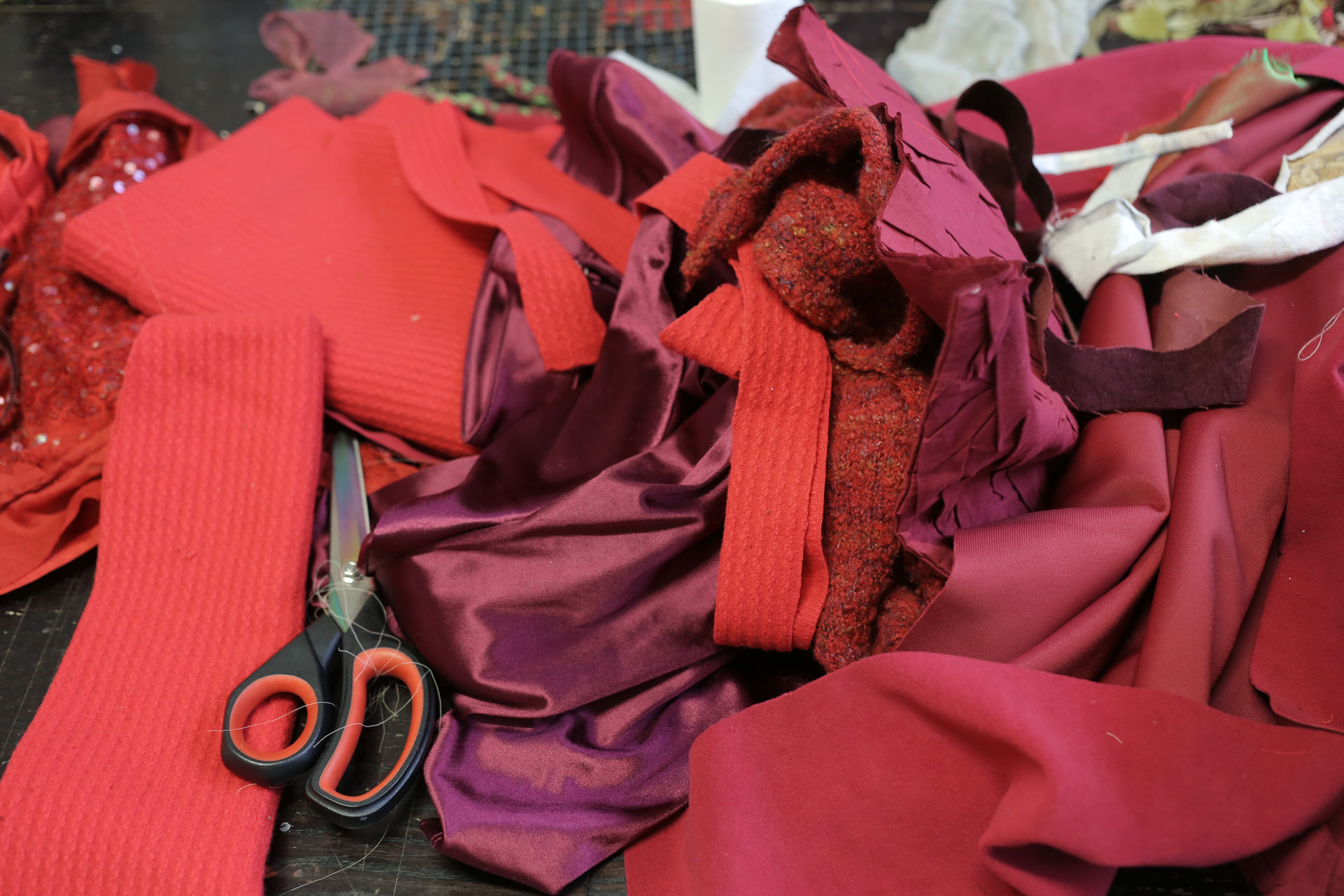
My studio process involves color coding, cutting, ripping, sewing, and weaving textiles—a form of “problem solving”, an active meditation that helps me uncover the narratives embedded in the fabrics and garments I work with. Through my Communal Braidings, participants share personal belongings to braid together, fostering collaboration and support. These gatherings transform individual stories into a collective narrative of reflection, mirroring the Andean concept of Ayni, where Quechua women empower each other through shared tasks.
The braids created during these sessions evolve into artifacts of collective action, expressing the desires of participants to release or embrace different aspects of their lives. Initially, I believed it was essential for participants to define the meaning of their contributions, but I have since embraced a more open-ended approach focused on the act of making itself. Finding the flow. Inhabiting the flow. Something like breathing, chewing or swallowing. By focusing on the now, this process reflects our past and future, bringing us together as a community.
My practice is an intuitive language inspired by the journey of the migrating body and the belongings it carries—scraps of fabric, abandoned flags, and garments that serve as living archives. I treat textiles as representations of lived experience, infused with history, labor, and care.
I am currently contextualizing my work in more academic terms to better understand my interests. I’ve found undeniable influences of Venezuelan Modernist and Informalist movements as well as Brazilian Neoconcretivism. Studying these movements has been exciting and has shifted my focus from more spiritual interpretations into the “construction and destruction of form” engaging with themes of social transformation, income inequality, the impact of rapid industrialization and its consequential failure.
You can find out more about Cassandra at @cassandramayelallen // cassandramayela.me
Photos: Anita Goes