Eujin Lee’s Edible Language
Words: Sylvia C.Jorge
Editor: Anita Goes
Portraits: Jack Pompe
Stills:
Manhattan, 2026
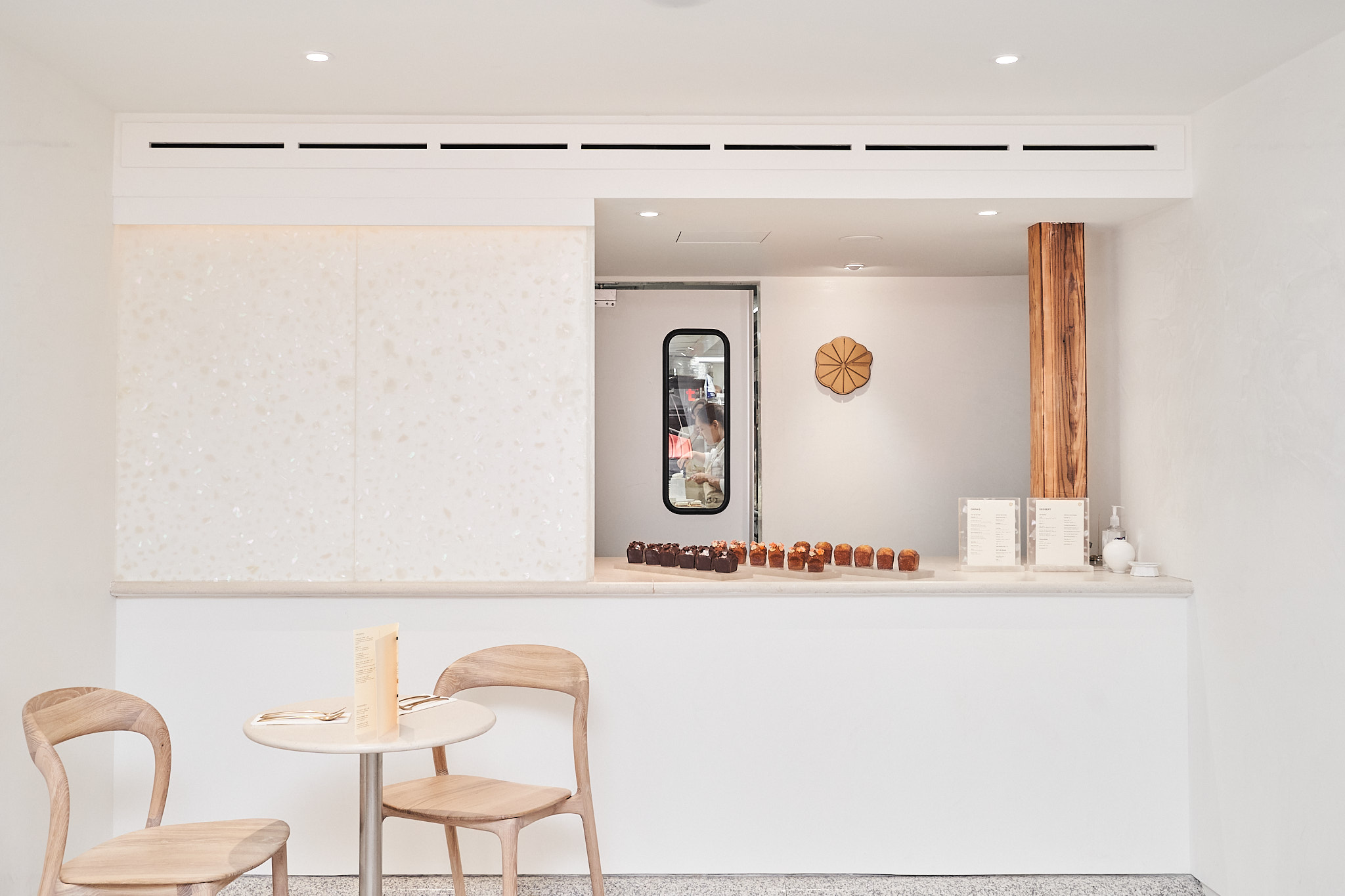
At noon, Lysée is full.
The narrow, two-floor space hums with quiet precision—more choreography than rush.
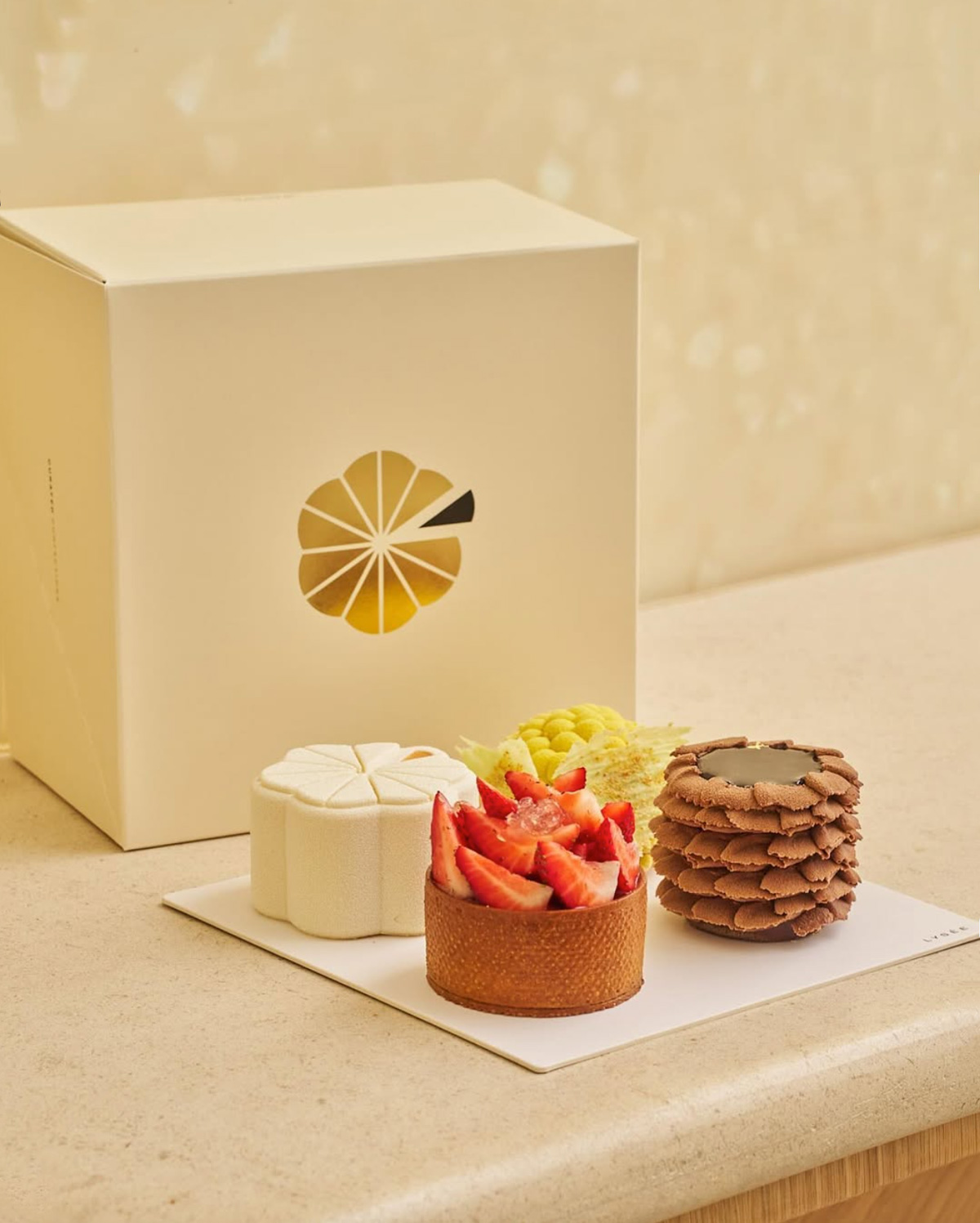
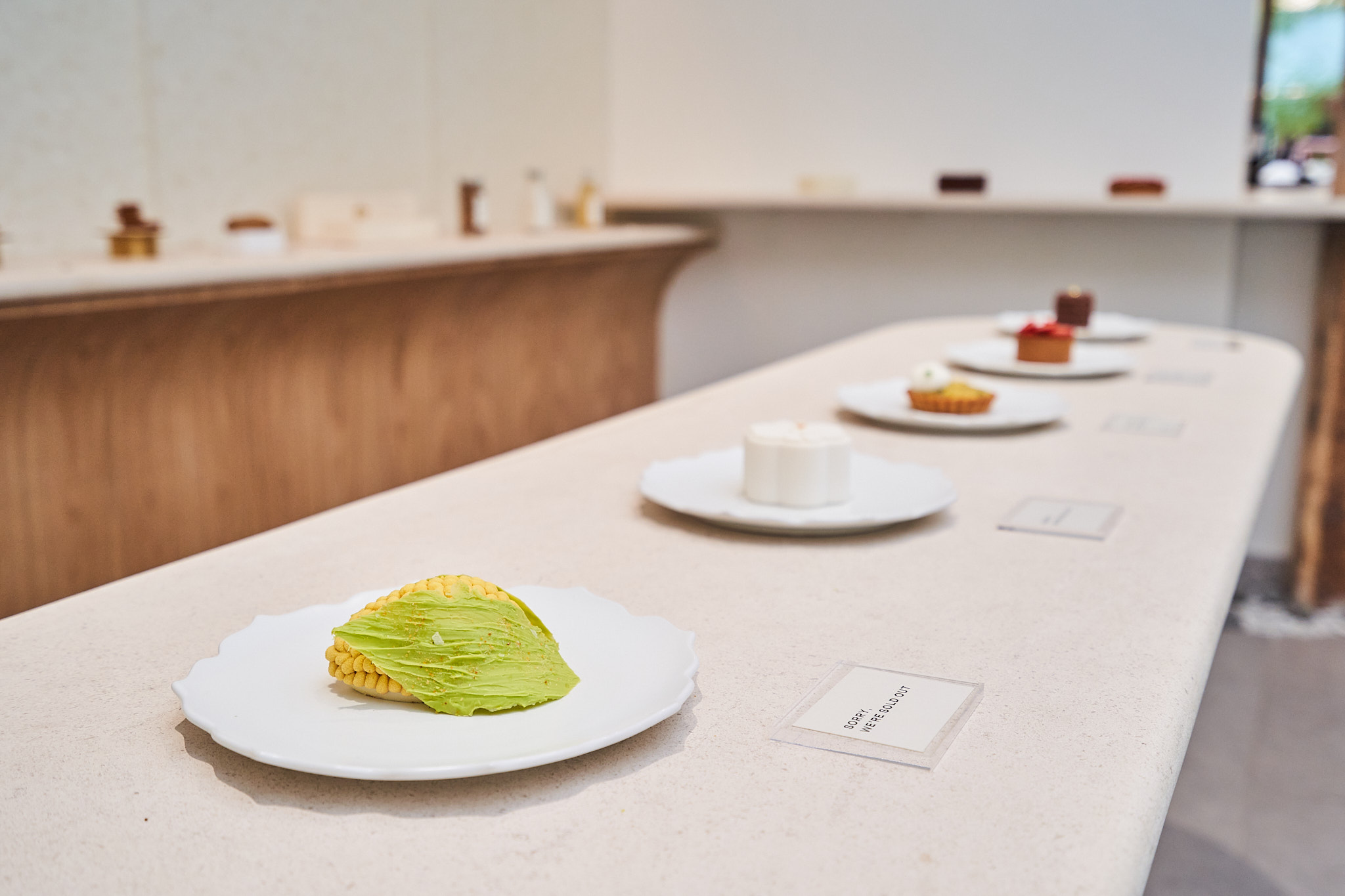
Downstairs, the room feels warm, conversations folding into one another, the low hum of movement never breaking. Upstairs, the desserts sit arranged like objects in a gallery: composed, deliberate, almost too precise to disturb. The line moves gradually, but nothing feels hurried.
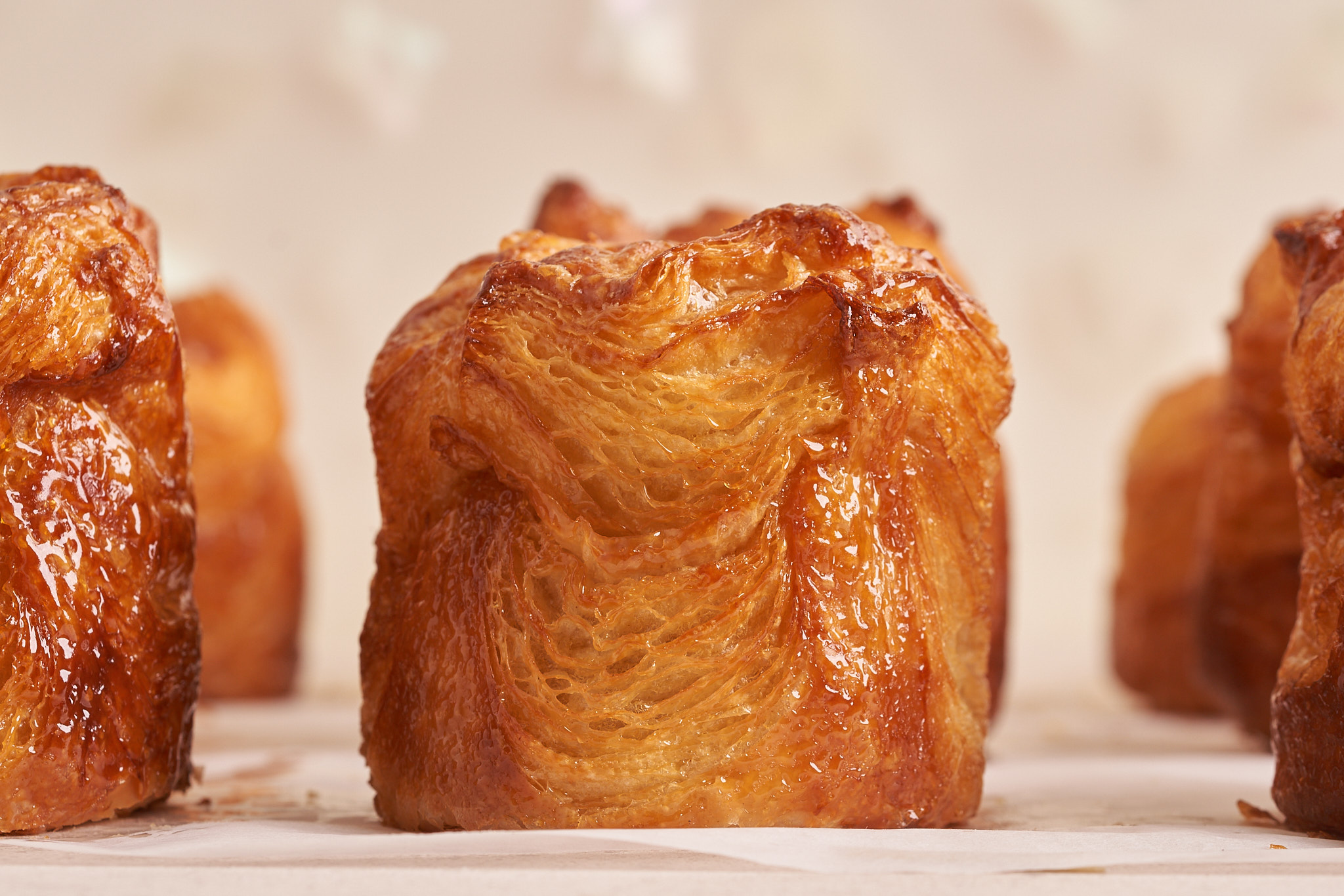
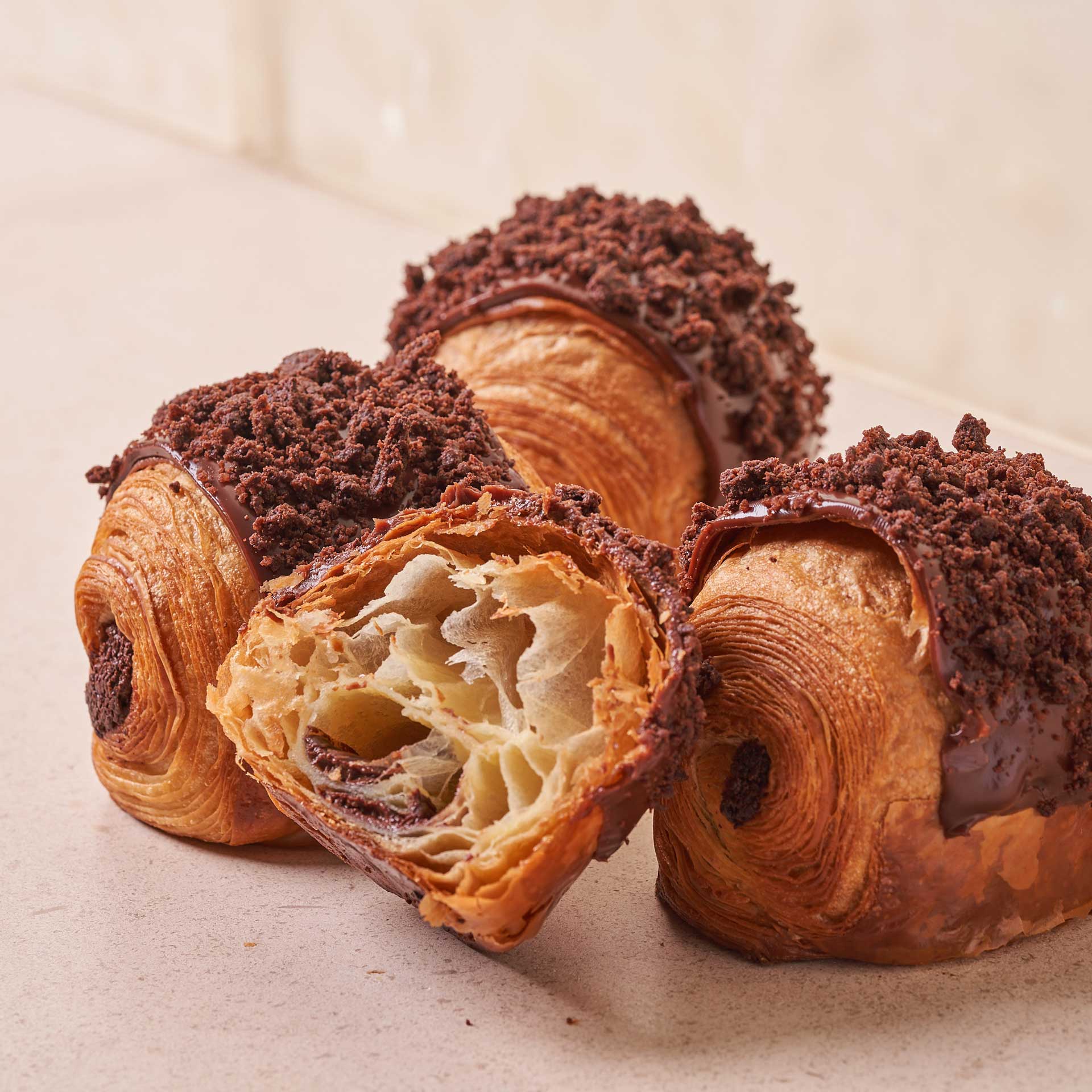
I walk in, make my way up, and order a pain au chocolat while I wait. I take a bite. The layers are distinct, the thin sheets of dough breaking as you move through them, each one separating before collapsing back into the next. The chocolate ganache at the center is dense, smooth, almost still. You feel more than you register.
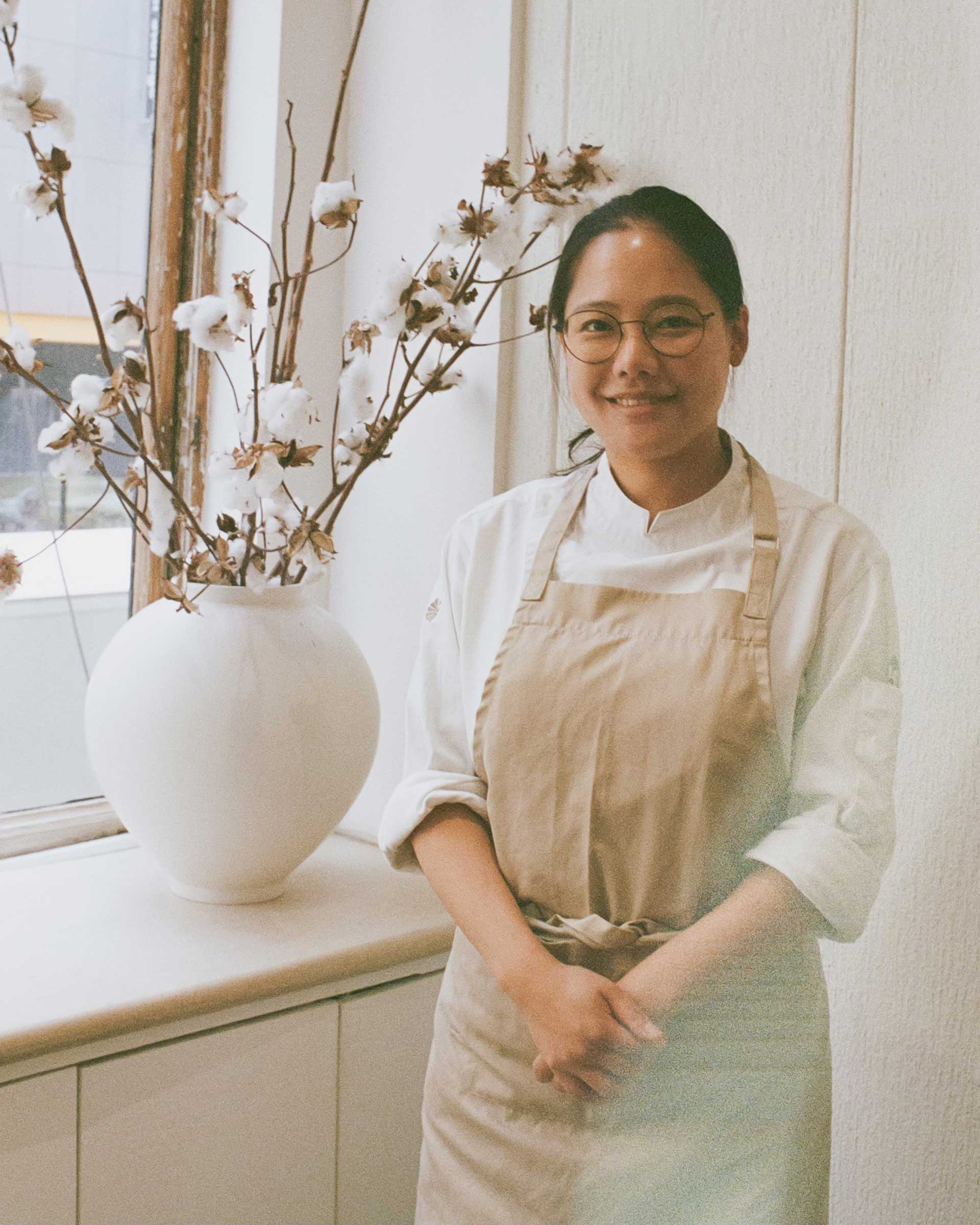
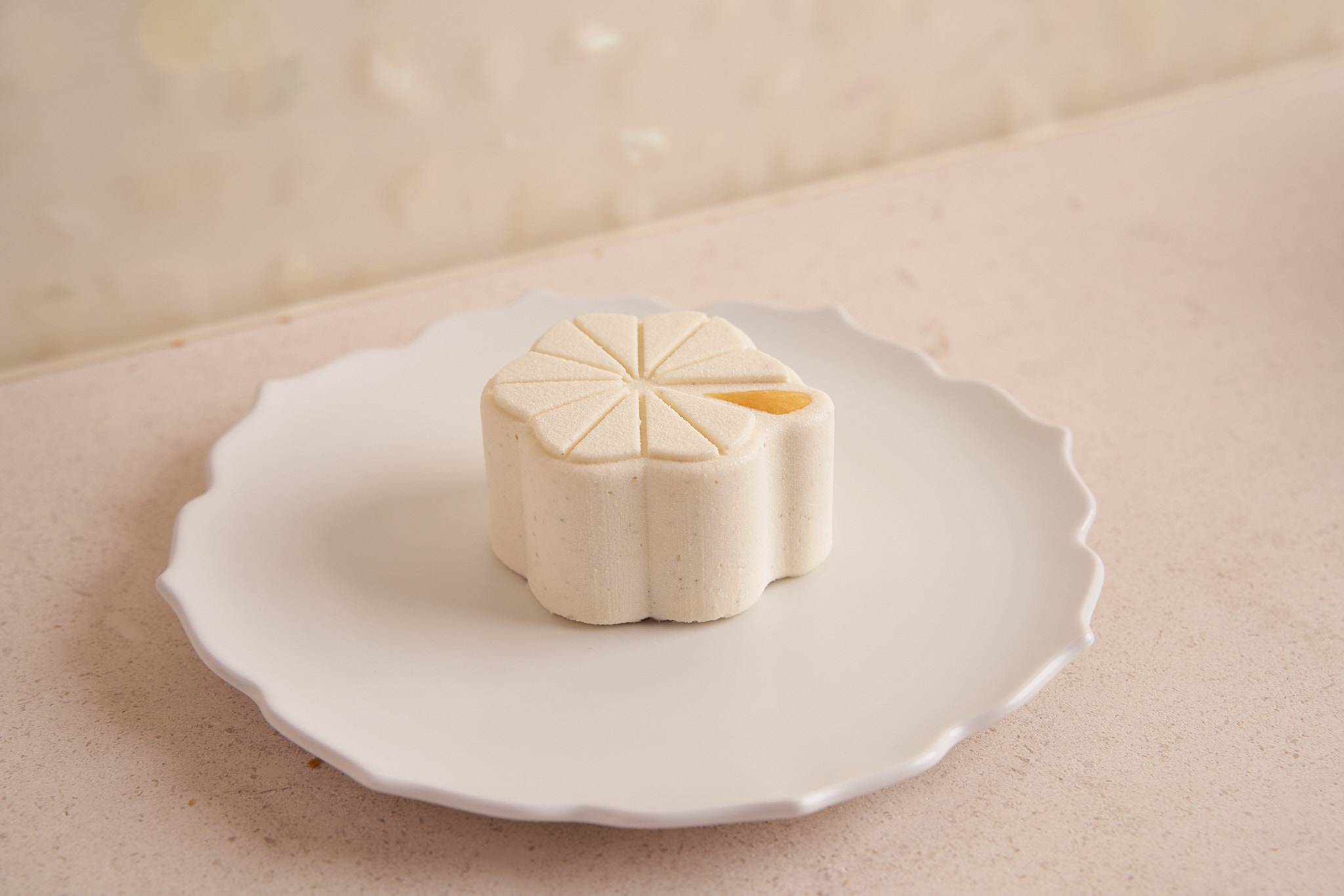
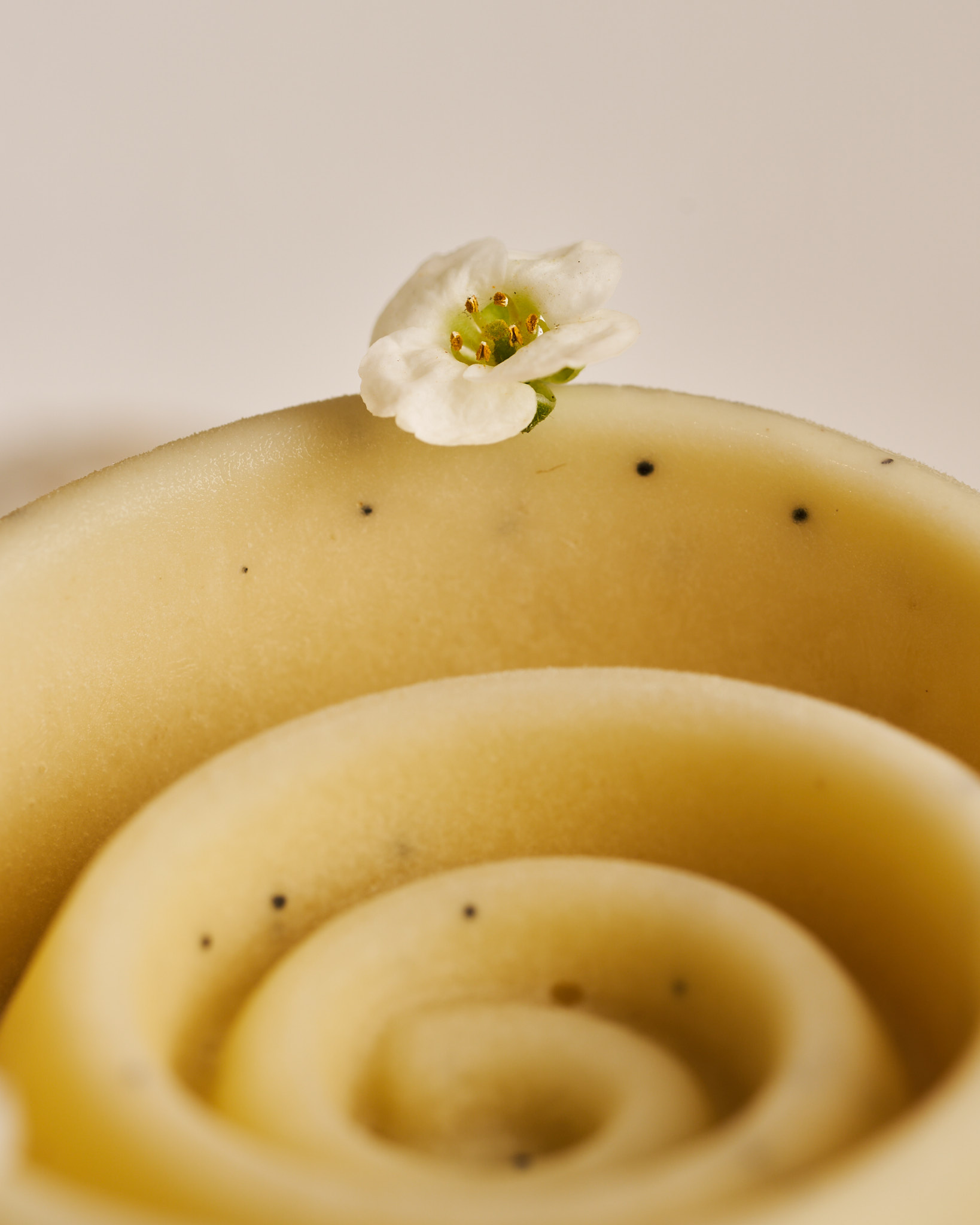
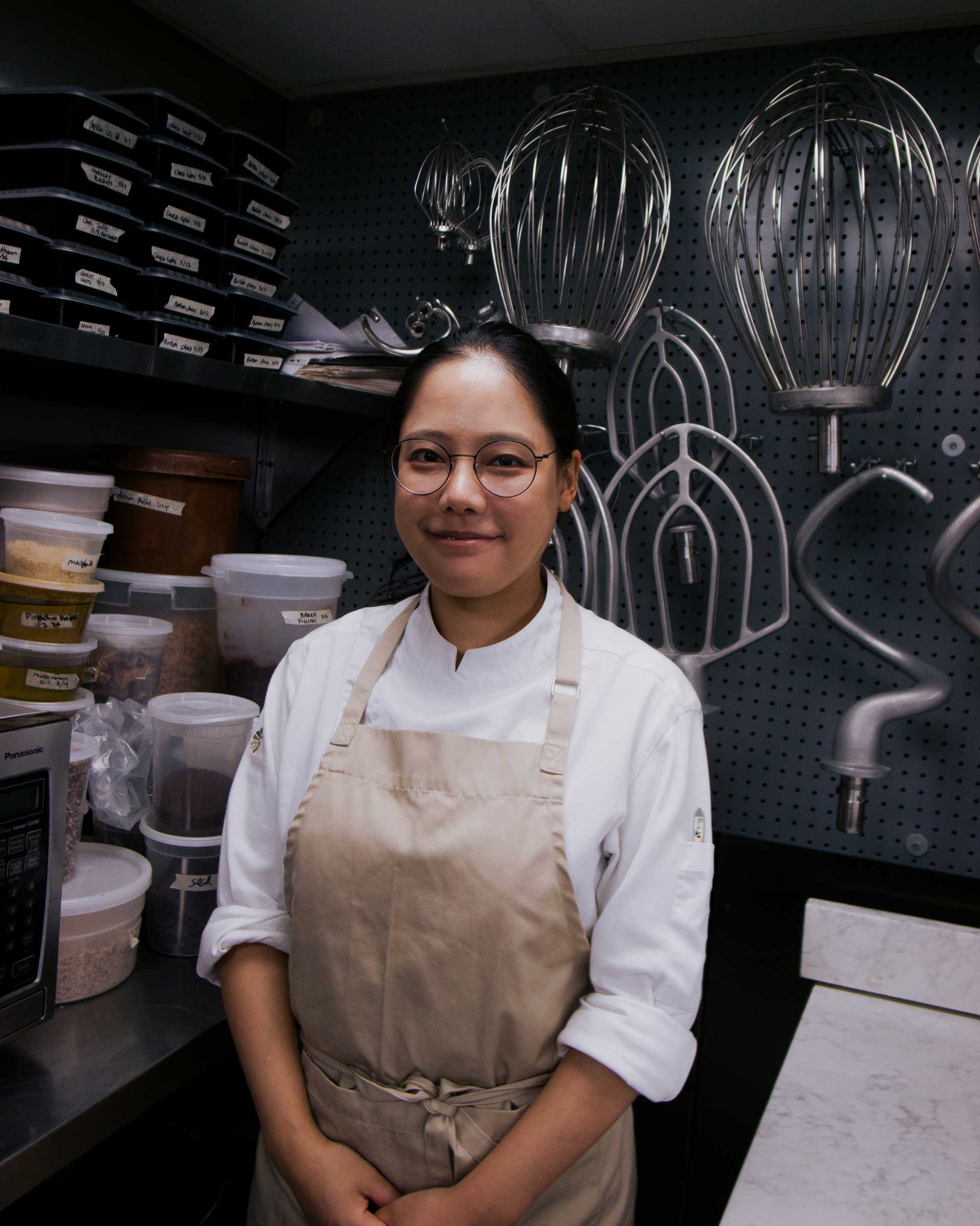
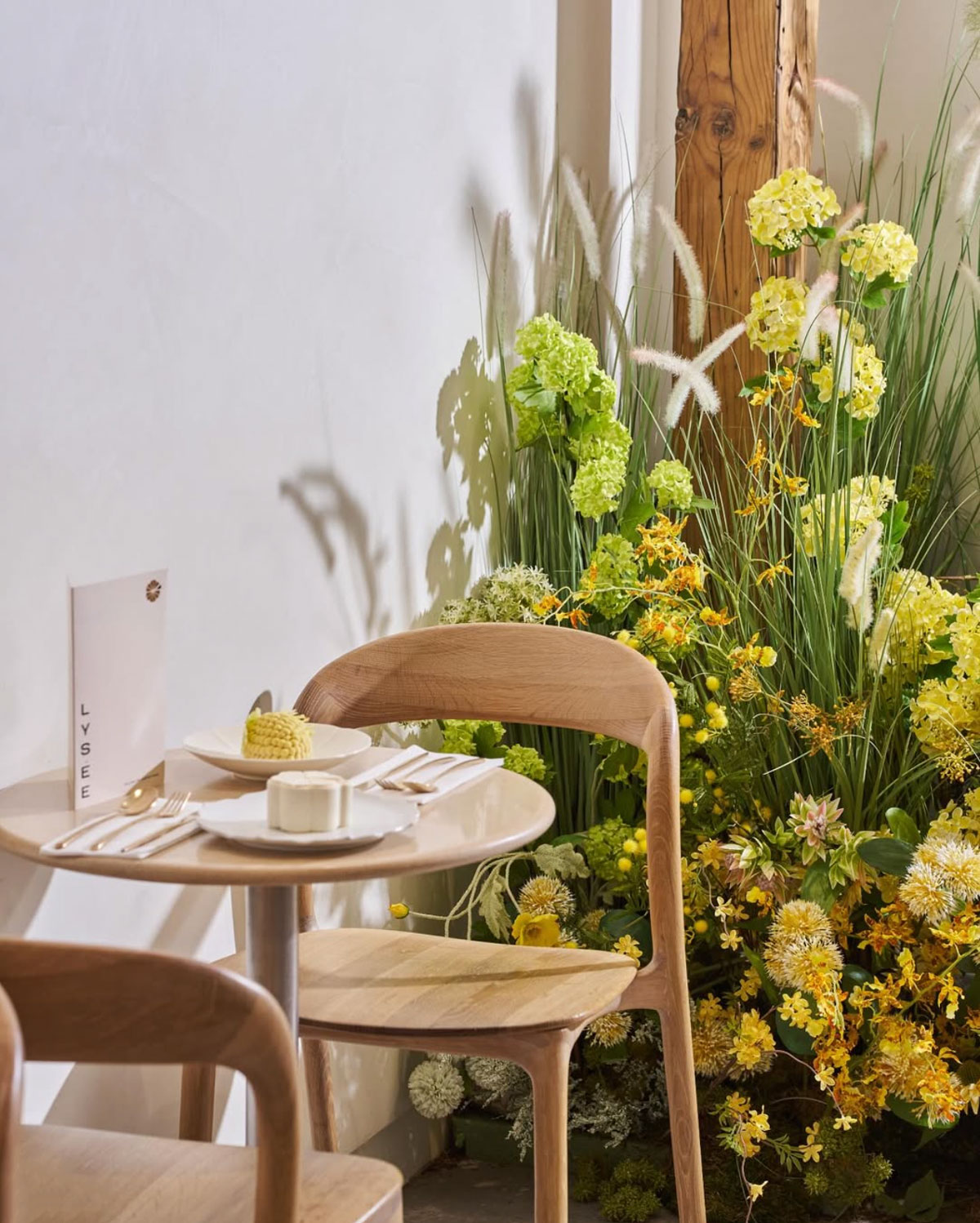
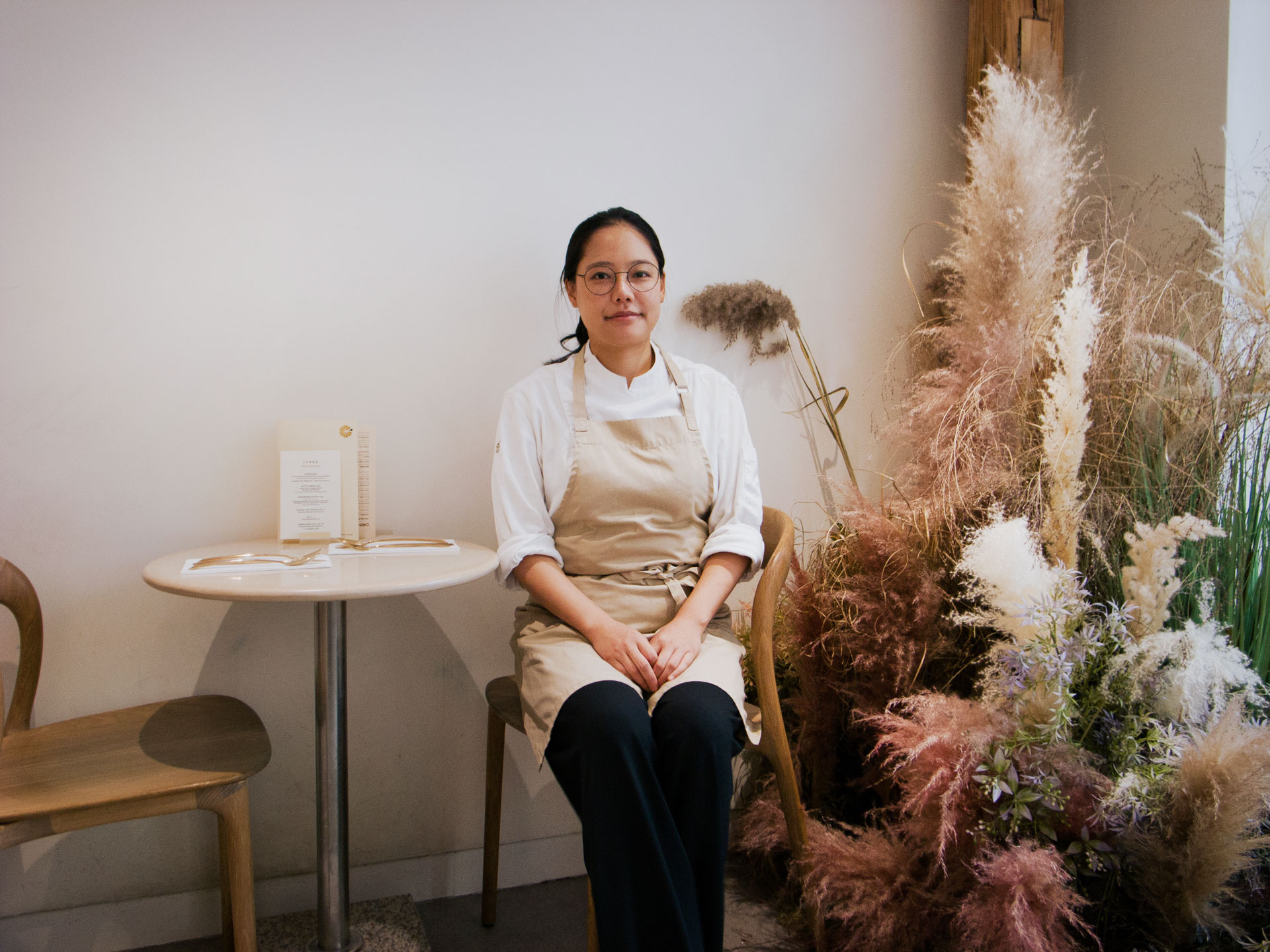
When I come back downstairs and settle into a table, Eunji Lee appears a few minutes later, carrying a plate. On it is Lysée, the dessert that shares the name of the place.
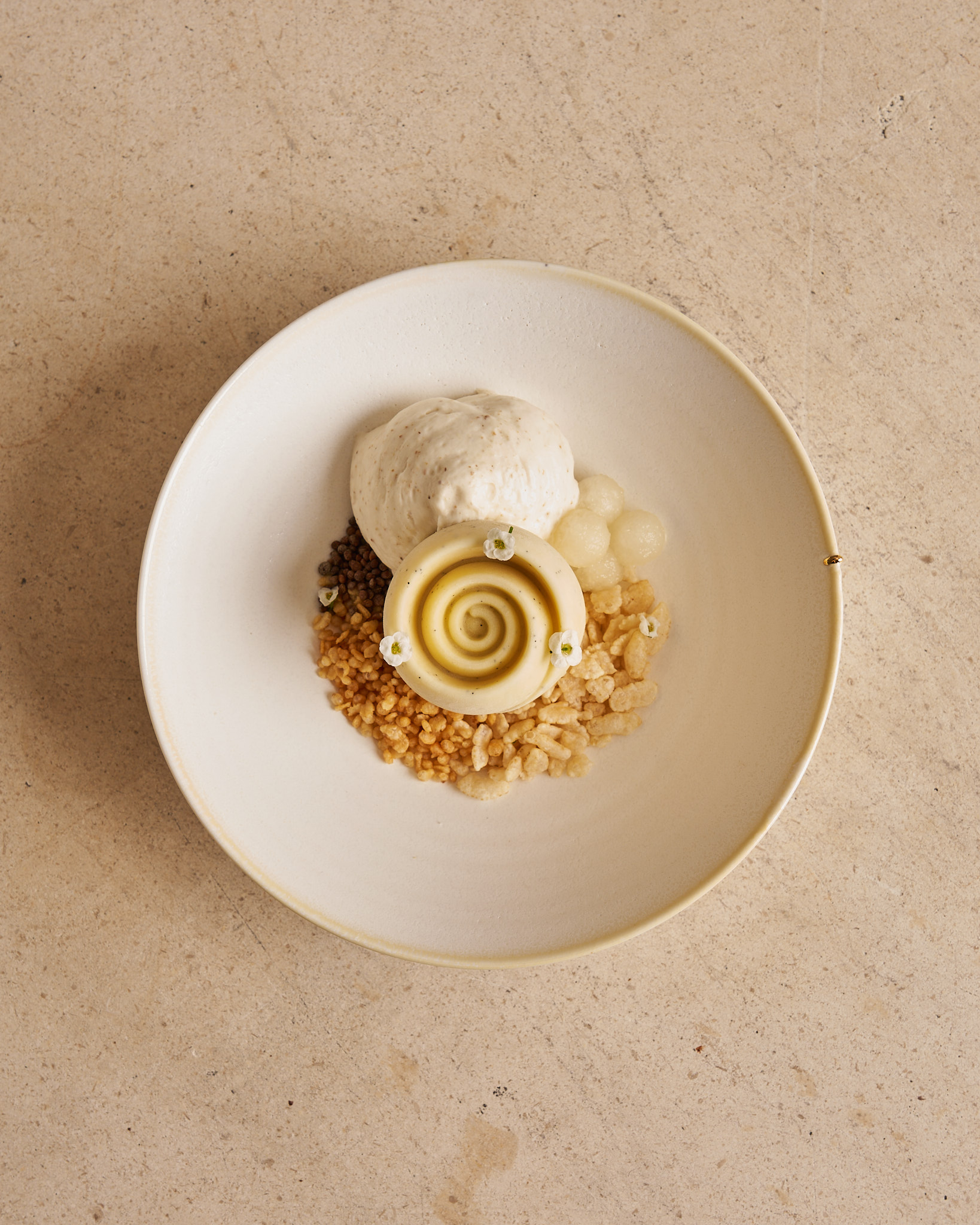
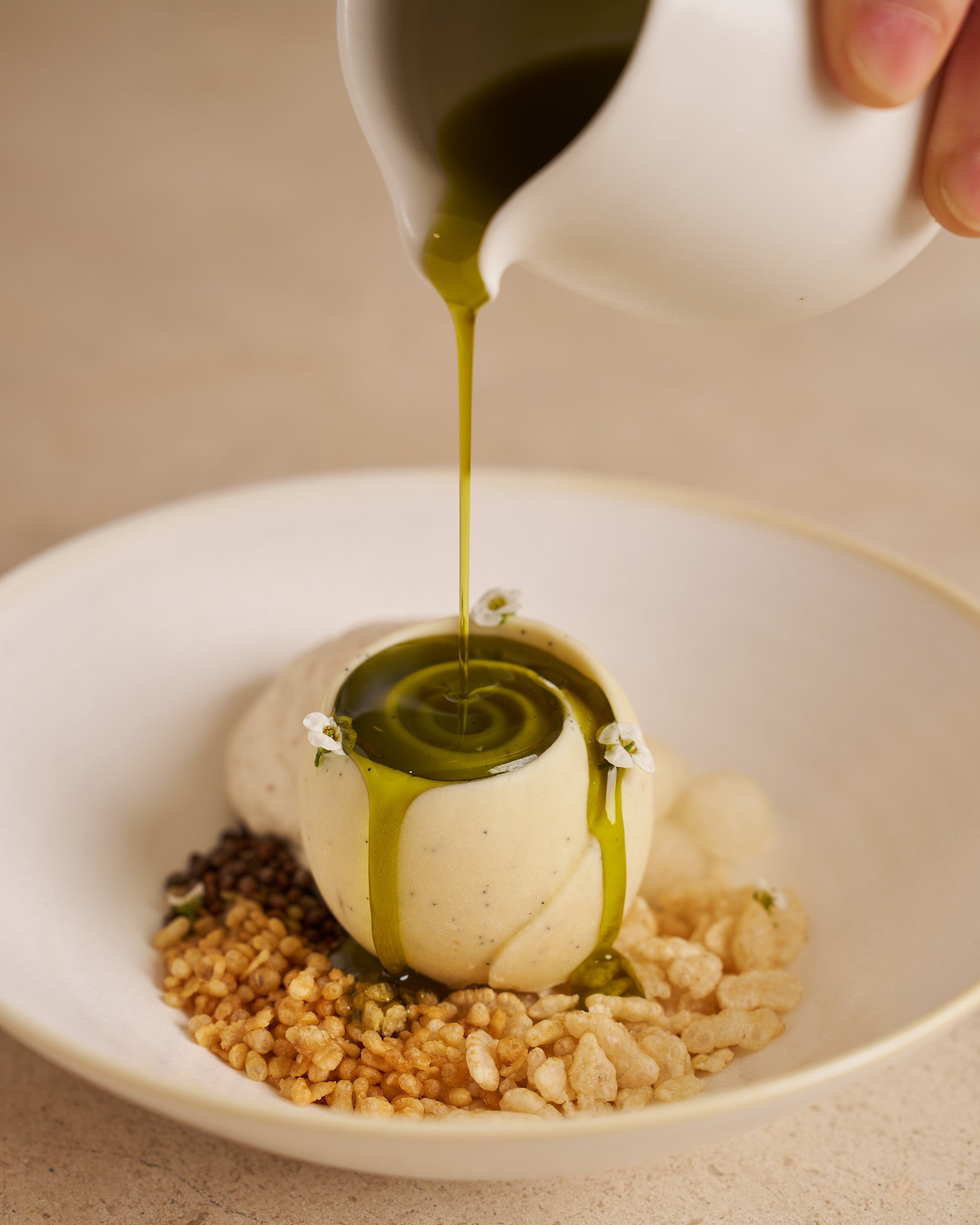
It’s composed of a toasted brown rice mousse, light and almost restrained in its sweetness, layered with caramel, praliné, and a pecan sablé. The mousse gives way easily, soft and quiet, while the praliné and sablé hold their ground—crisp, crunchy.
Behind her, the room continues exactly as it was: full, steady, calm.
It’s an atmosphere that mirrors the desserts themselves—composed, but not rigid. Controlled, but not cold. Nothing is excessive.
For Lee, that balance—between control and expression, restraint and instinct—is formed over time. Slowly. Across places. Across versions of her life.
Lee was born in South Korea, into a household where art was not a profession, but it was constant.
Her parents had met through an art group in university. They didn’t become artists, but they never stopped drawing. “Every weekend, we went to museums or galleries,” she says. “They were always drawing. I remember drawing next to them all the time.”
That early exposure wasn’t formal. It was simply there. Proximity. Habit. Using her hands came naturally.
“I loved to create anything with my hands,” she says. Drawing, ceramics, origami—it didn’t matter. What mattered was the act itself.
Alongside that visual world, another kind of memory was forming—less visible, but just as exact. Her grandmother lived in the countryside, and visits there revolved around a different rhythm: food, grown and made by hand.
“She was always cooking, always baking,” Lee says. “I remember the smell of greens cooking. That stayed with me.”
She cooked with her. Learned to make traditional Korean sweets. What she made was tied to ingredients that came directly from the land around them.
Looking back, she doesn’t separate those experiences. Art and food weren’t different disciplines. They were the same instinct, expressed in different forms.
That connection would only be clear later.
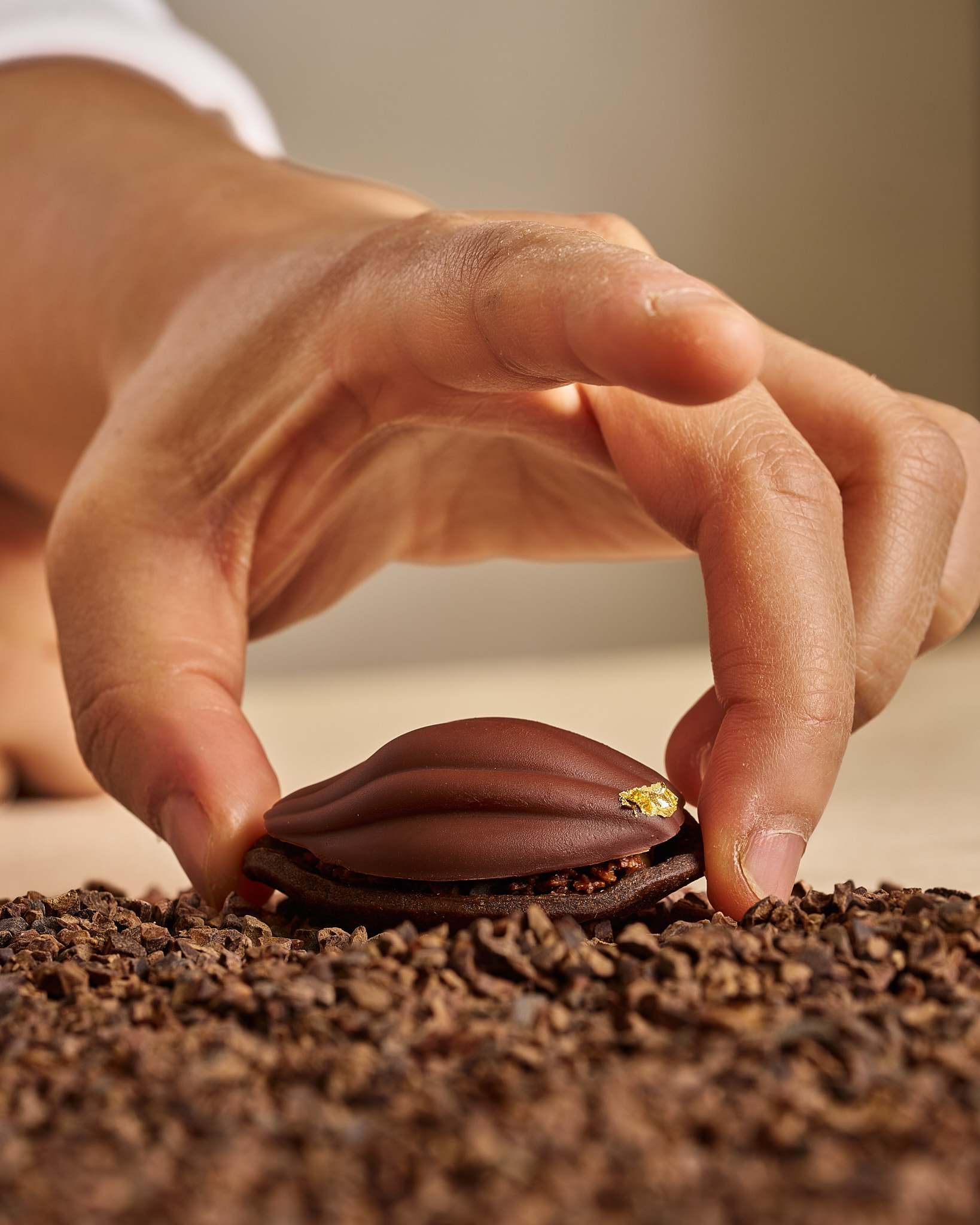
At 14, Lee saw pastry chefs working on television—and she kept thinking about it. They were creating desserts that were not just technical, but visual. Sculptural. Designed.
“They were making something beautiful, like an art piece,” she says. “But people could eat it. And it made them happy.”
“That’s what I wanted to do.”
By 18, she had convinced her parents to let her leave Korea and move to France. There was no hesitation. “I didn’t want to waste time,” she says. “I wanted to start as early as possible.”
She began with bread.
It was deliberate. Dough, fermentation, construction—the foundation. “I thought that was the base,” she says. “To understand everything.”
She enrolled in a school outside Paris known for its bread program, then moved to Strasbourg, drawn by the city and the bakeries she had been following. She stayed there for three years before eventually returning to Paris to formally study pastry.
The transition wasn’t just technical. She was the only non-French student in her program. She studied constantly—language, craft, culture.
“After school, I would just study,” she says. “I was very excited to be there.”
There’s a clarity in how she describes that period. Just focus.
But once school ended, the path forward wasn’t as clear.
Finding work as a foreigner in France proved difficult. Applications went unanswered. Doors didn’t open easily.
“There was a moment I thought maybe I have to go back,” she says.
Instead, one opportunity appeared—late, almost unexpectedly. At Kitchen Galerie Bis, near Notre-Dame, a chef was willing to take a chance.

There, Lee found herself responsible for the pastry program, despite having just graduated.
“I had to be a warrior,” she says, half-laughing. She says it lightly, but not casually.
But that environment pushed her beyond what she knew.
“I saw herbs, spices, methods— I wouldn’t see in a pastry kitchen,” she says. “It opened my mind.”
Seasonality and freshness started to shape her decisions as much as precision did.
Still, she felt the limits of what she could learn there. Pastry, at the level she wanted, demanded something else—depth, rigor.
That led her to Le Meurice.
Under Cédric Grolet, the scale increased, the pace accelerated, and expectations became exacting.
The hours were long—stretching from early morning into the night. Every detail mattered. Every second counted.
“It wasn’t easy,” she says. “But I learned a lot.”
What she emphasizes is not only skill, but endurance. Management. Precision. The ability to operate within an environment where standards were uncompromising.
There’s a story she tells that captures that mindset.
One night, faced with producing hundreds of intricate components for their now famous apple trompe l’oeil, she decided to finish everything—alone—rather than leave it for the next day. She worked through the night, continuing until the morning team began to arrive.
“No one asked me to do it,” she says. “I just wanted to finish.”
Not as sacrifice, but as commitment—to the work itself.
That period in France—nearly two decades—sharpened her technique and discipline. But it wasn’t the full picture.
Because throughout it, something else was quietly taking shape.
“I always had ideas,” she says.
Eujin kept notebooks—sketches, concepts, designs for desserts that didn’t yet exist. Shapes, ingredients, compositions. Possibilities.
“I would draw them,” she says. “Think about what ingredients to use, what kind of shape.”
The ideas don’t arrive whole—they accumulate, like elements gathered before they’re woven into form. They were rooted in a part of herself she wasn’t yet fully expressing: her Korean identity.
“I learned a lot in France,” she says. “But in my heart, I have Korean heritage.”
That gap—between training and identity—became something she wanted to explore more directly.
So when an opportunity came in New York, at Jungsik, she took it.
At one of the city’s most acclaimed Korean restaurants, Lee began developing a dessert program rooted in French technique and Korean ingredients, within a setting that allowed for experimentation.
“There’s more room to try things,” she says. To test, adjust, and return to an idea.
But experimentation wasn’t instinctive—it was studied.
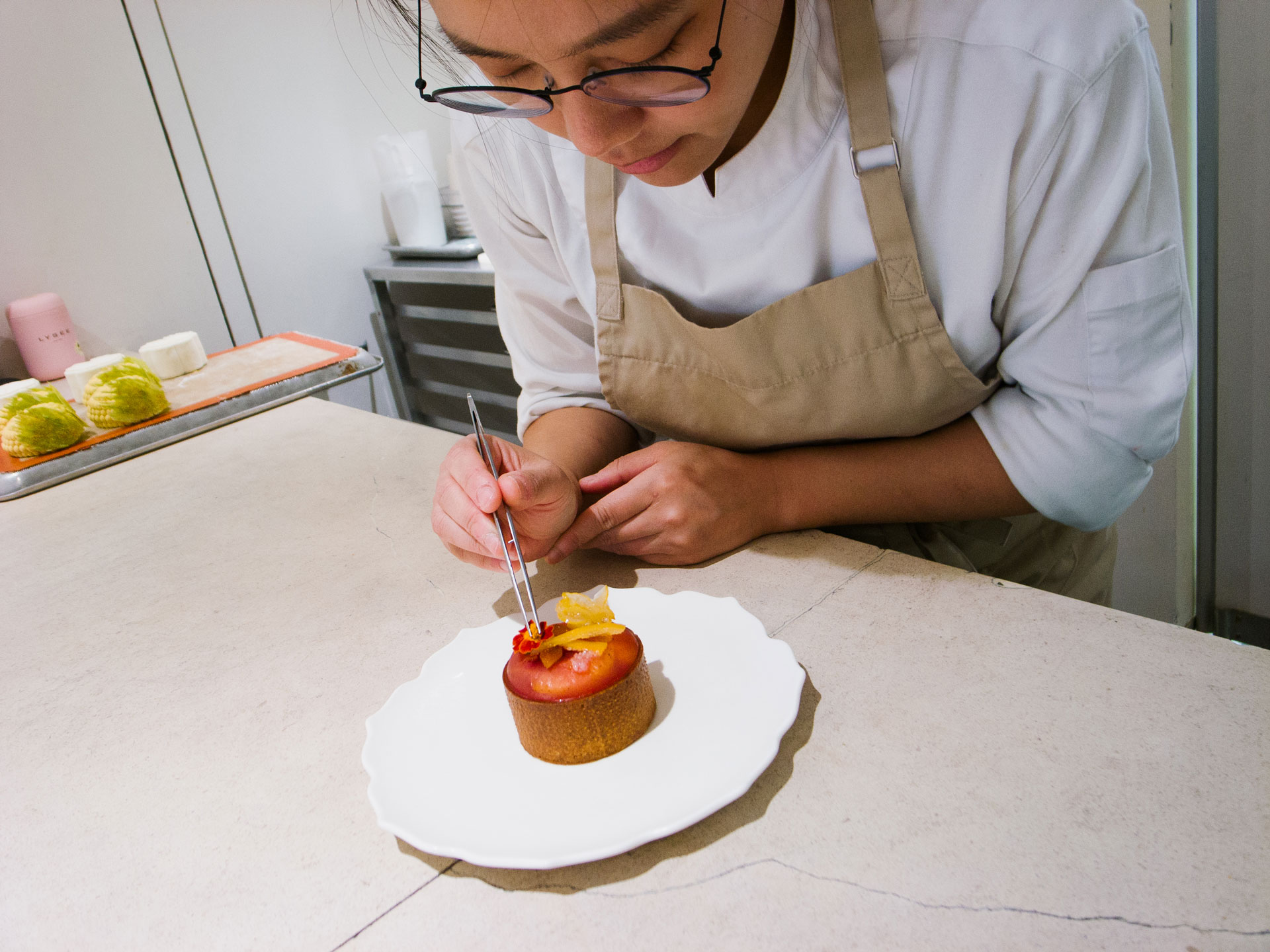
She approached it through observation and adjustment. Tasting widely. Understanding how people respond to sweetness, texture, and contrast.
She describes it in practical terms: “In New York, desserts are sweeter,” she says. “In Paris, they are less sweet, more sour. In Korea, it’s lighter—not too sweet.”
Rather than choosing one direction, she worked toward reconciling those differences.
One of the clearest expressions of that shift was a dessert she created at Jungsik: New York Soul.
It wasn’t just a dish. It was a reflection of the energy and contrasts of the city. A way of connecting her own movement—from Korea to France to New York—into a single composition.
It marked a turning point from learning and adapting to defining.
When Lee opened Lysee in 2022, that authorship translated into a physical space.
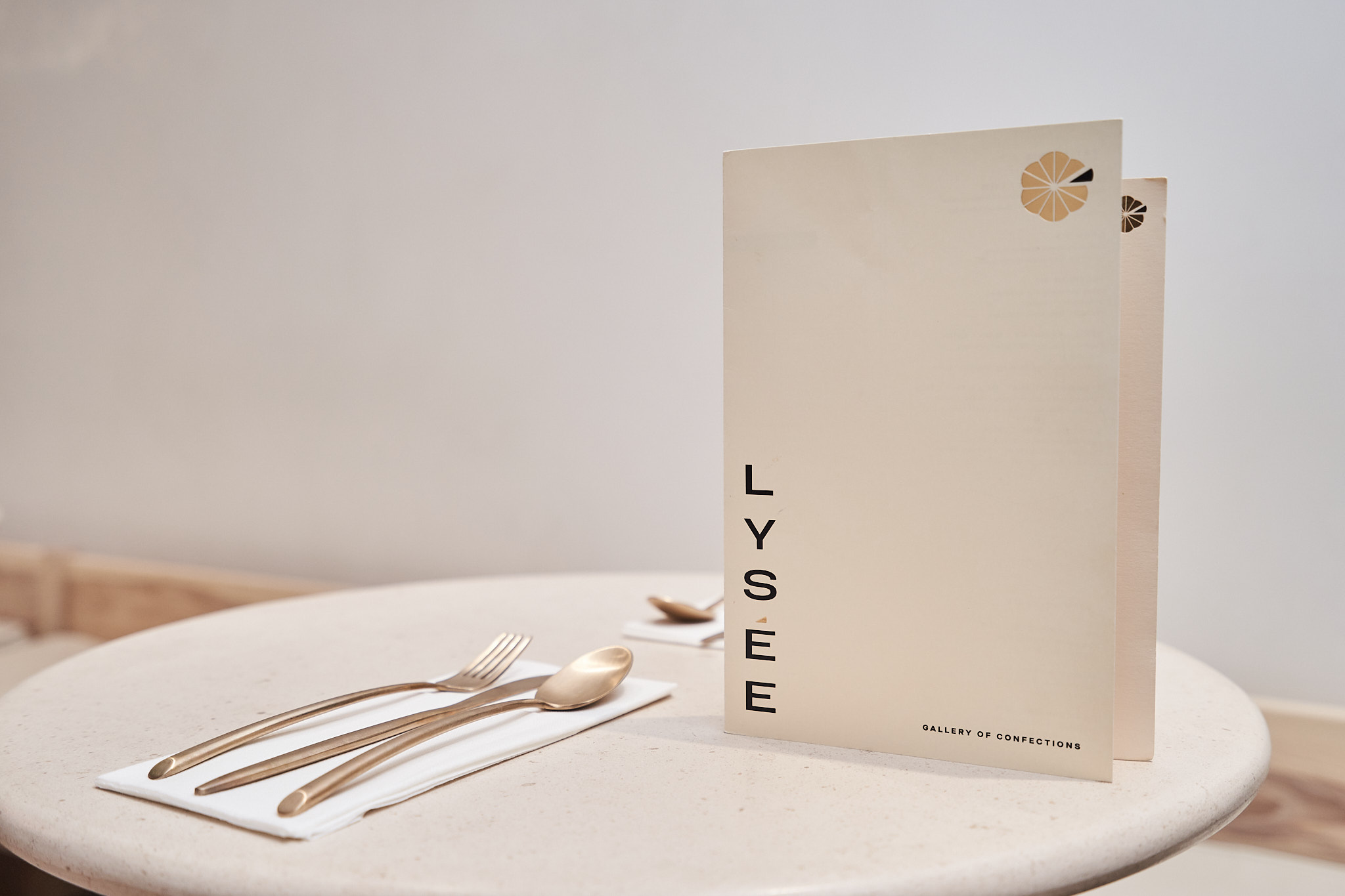
The layout follows the same logic as her process: ordered, but not rigid. Upstairs, a gallery. Downstairs, a café. Observation and experience, separated but connected.
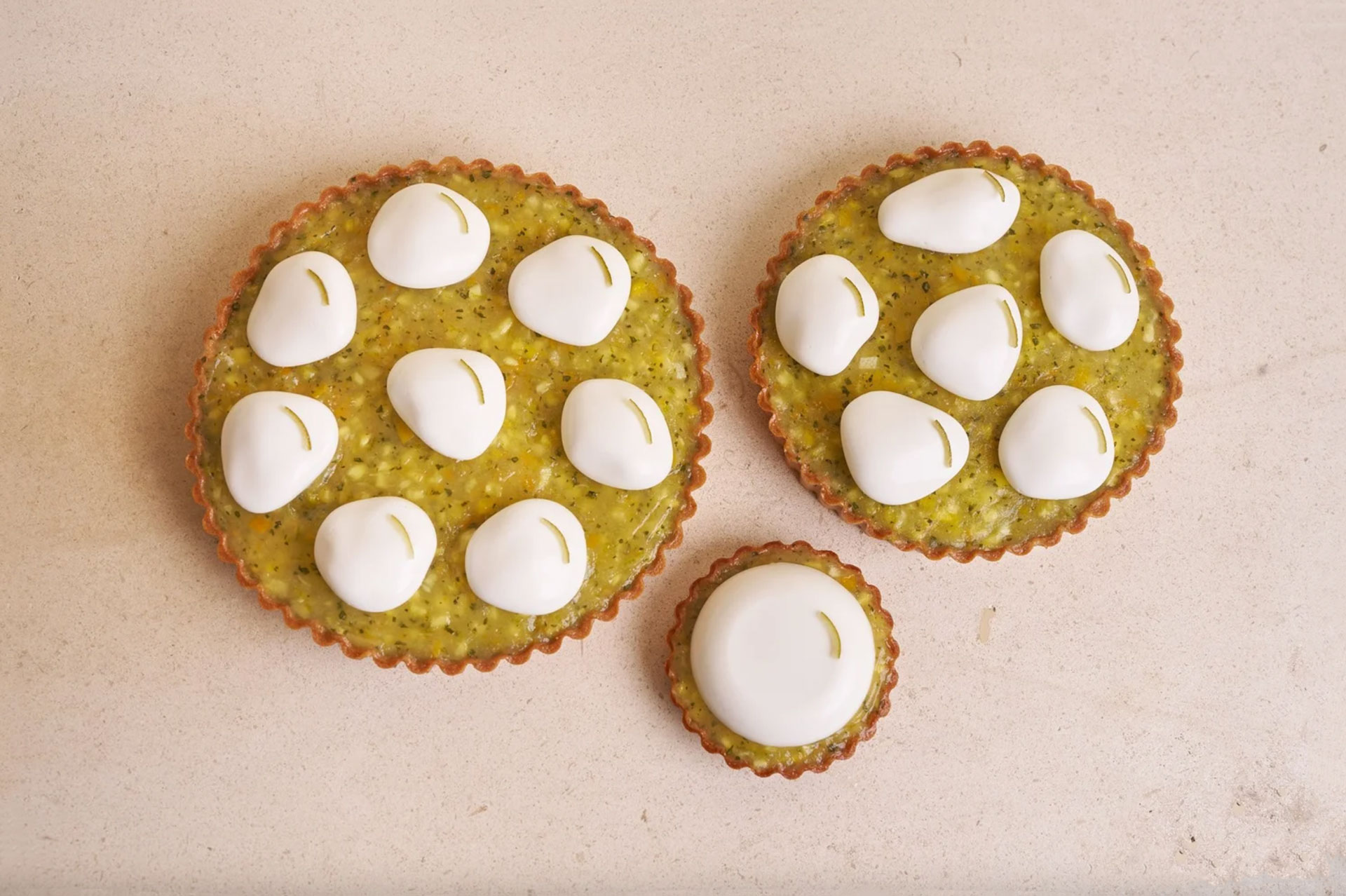
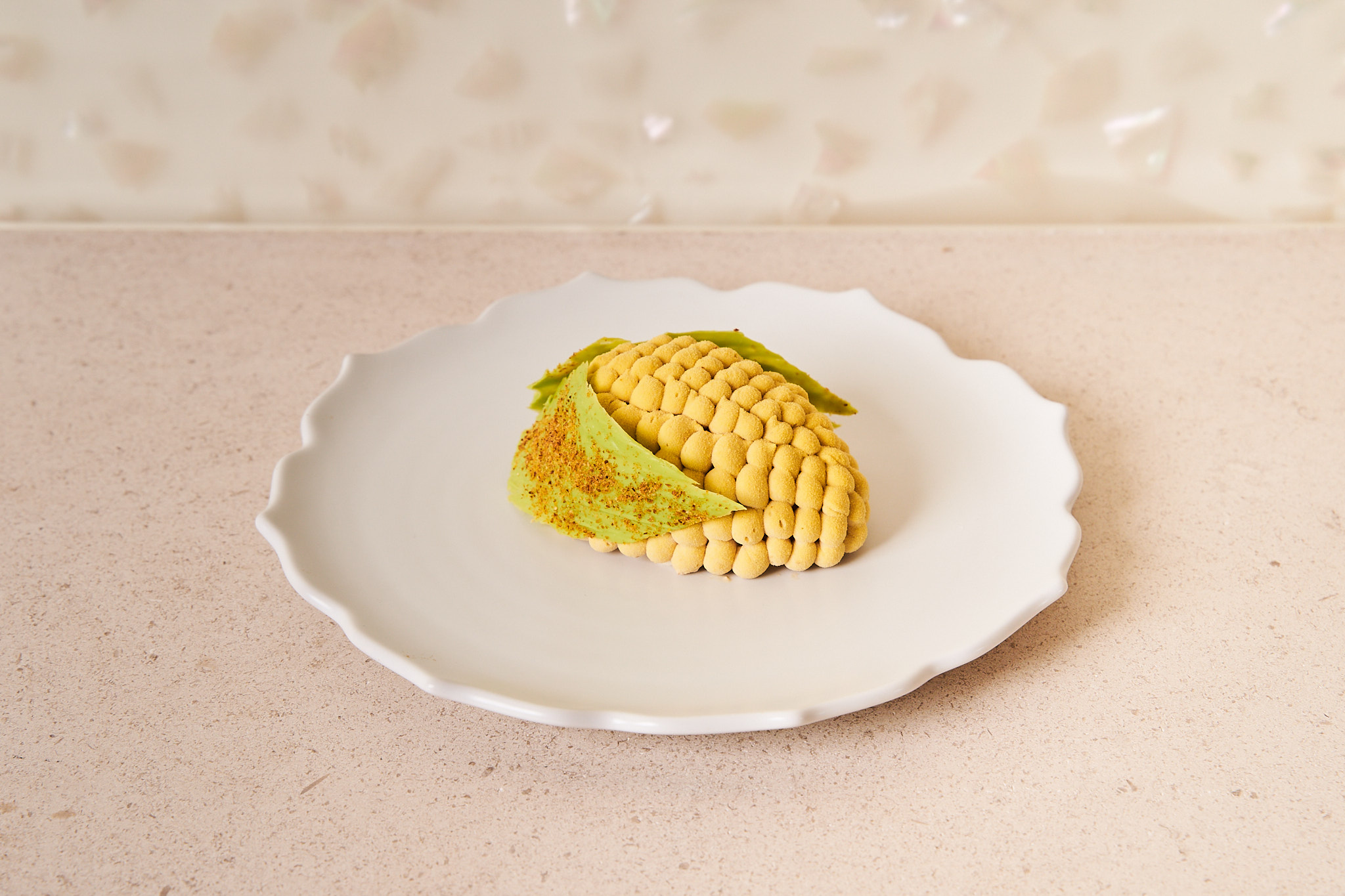
The same thinking extends into her creations. One of them, she explains, is composed of twelve, thirteen layers. Each one distinct, each one necessary. You don’t register them all at once.
People often describe her desserts as French-Korean. But for Lee, that label doesn’t quite fit.
“That’s just my identity,” she says.
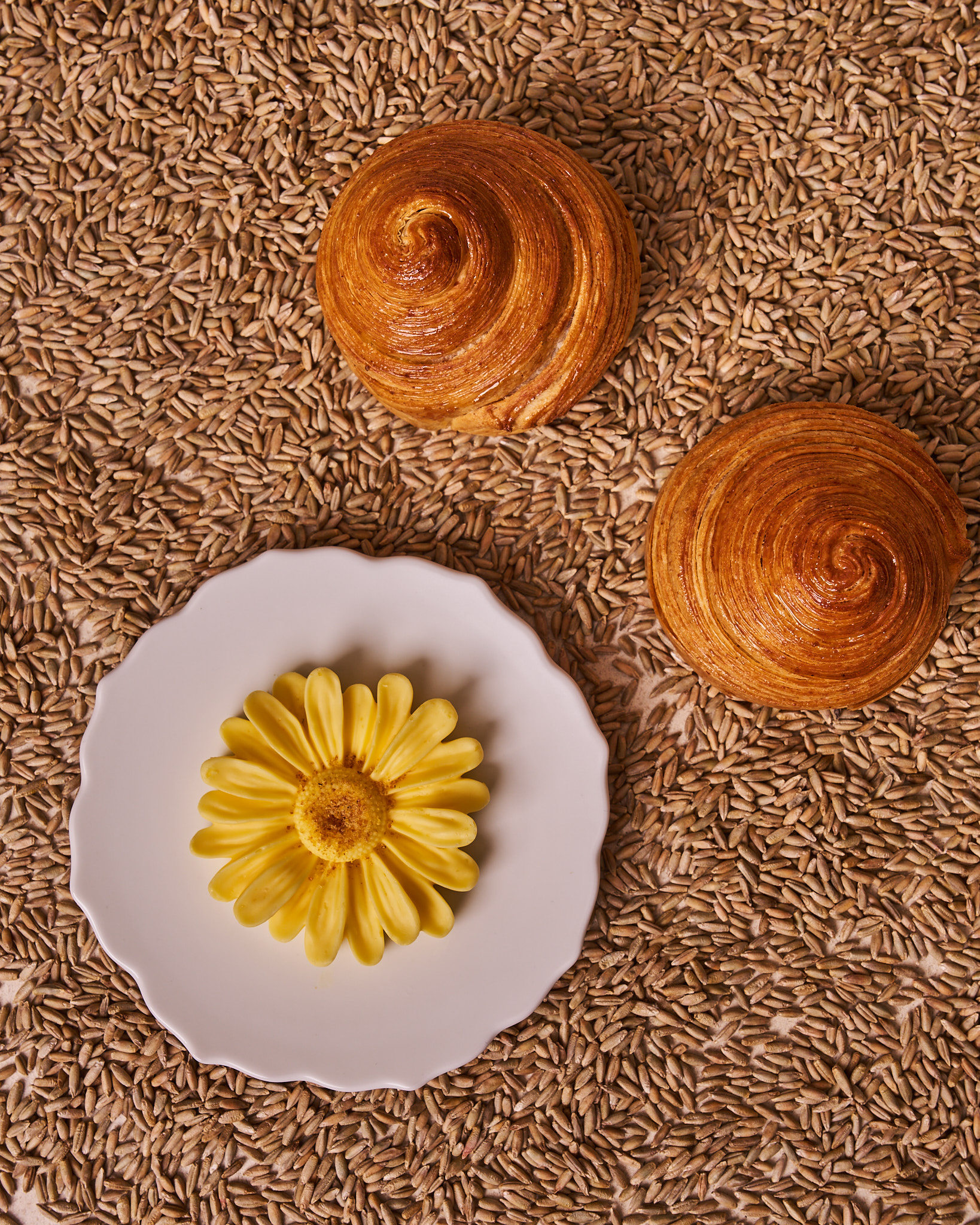
French technique is the foundation. Korean ingredients and memories shape direction. Local sourcing anchors it in New York. She pays close attention to the flour she uses, where it comes from, and how it’s milled.
Each dessert becomes a point where those elements intersect—not blended into anything indistinct, but held together in tension.
Her practice isn’t defined by a specific set of ingredients or a fixed style, but by how each idea is developed.
It’s the process itself.
She draws. She tests. She observes. She adjusts.
The ideas don’t arrive whole—they begin with memory and sketching, then take shape through ingredients and structure.
In that way, each of her creations resembles something closer to a textile than a finished object. Threads accumulated over time. Influences woven, sometimes visibly, sometimes not.
The final form may appear precise, even minimal.
But beneath it is accumulation—of memory, of training, of repetition.
Back at Lysée, the room continues to move at its own pace.
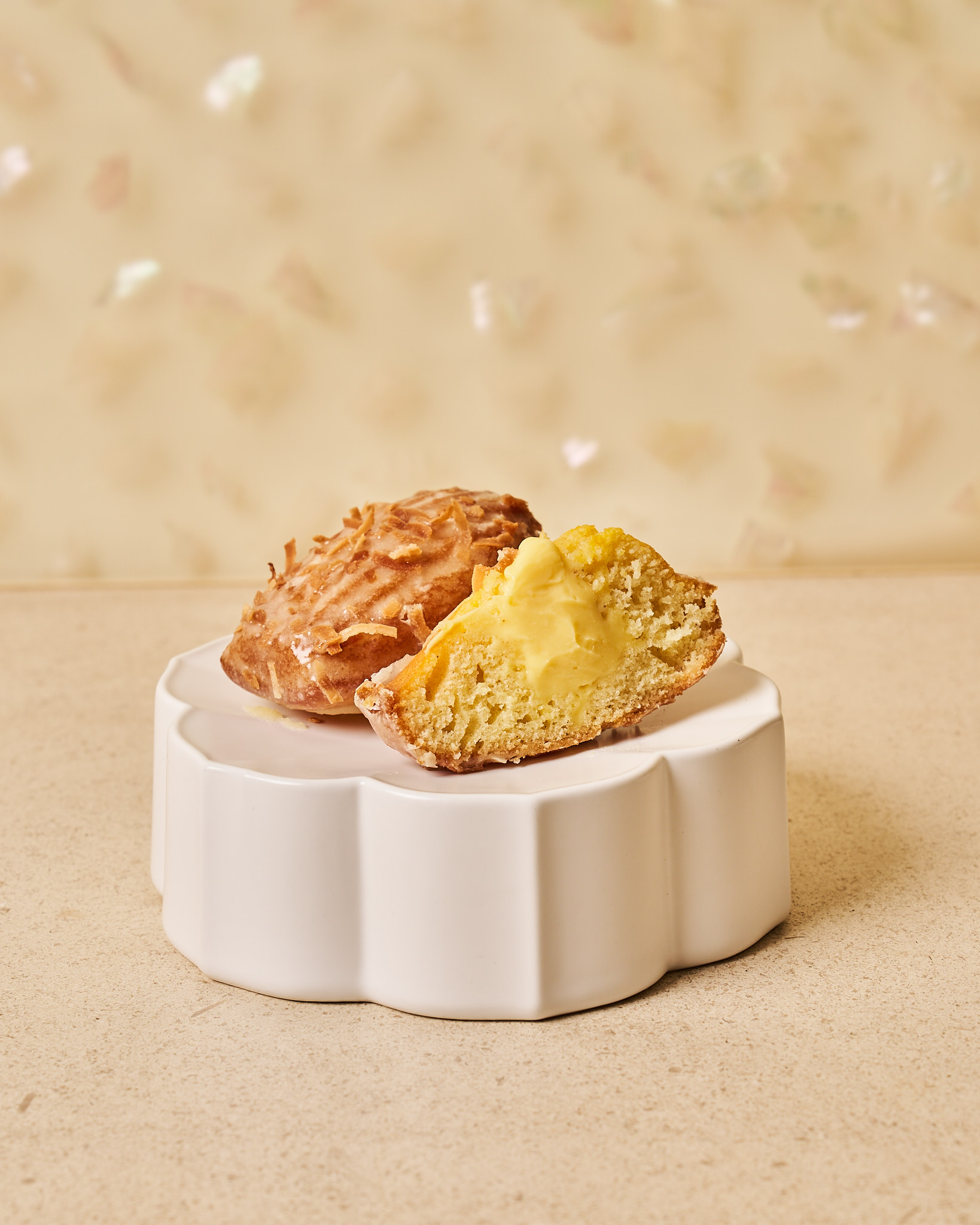
Upstairs, the desserts sit untouched until they aren’t—until someone chooses one and cuts into it, revealing what’s inside.
Form gives way to pleasure.
Lee moves through the space quietly. There is no performance in it.
Only the work.
And in what she makes, parts of her life remain—not as a story told directly, but embedded within it. Built over time. Refined through repetition.
If she began by drawing next to her parents, by watching her grandmother cook, by learning to shape dough and sugar, what she does now continues those same gestures.
Now, the medium has changed.
The threads are still there—just woven into something meant to be broken into, piece by piece.