Proxyco: Building a Space Between Worlds

Video: Lee Landell (3rd❚third)
Photo: Anita Goes & Courtesy of Proxyco
Words: Anita Goes, Laura Saenz & Alexandra Morris
Manhattan, 2026

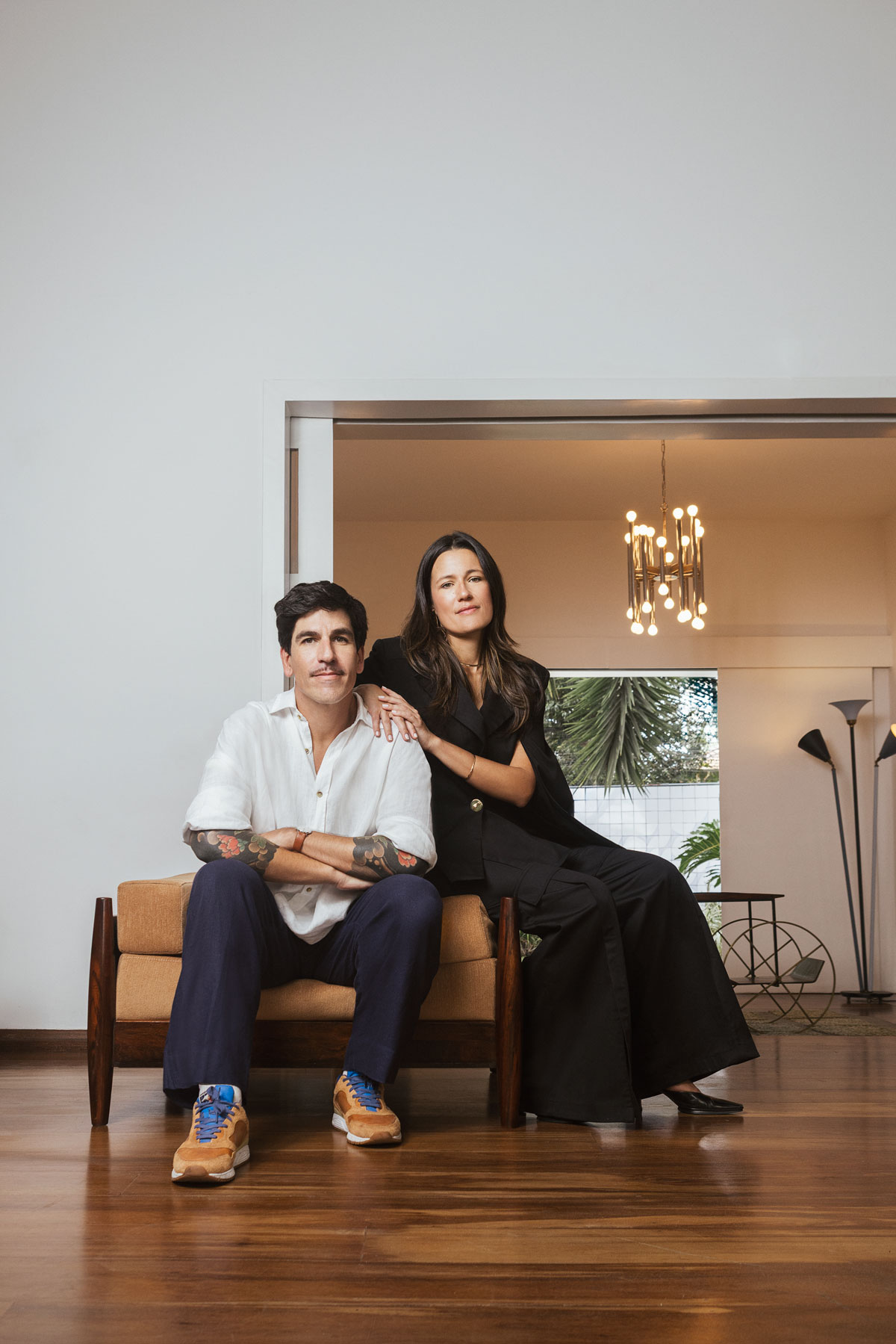
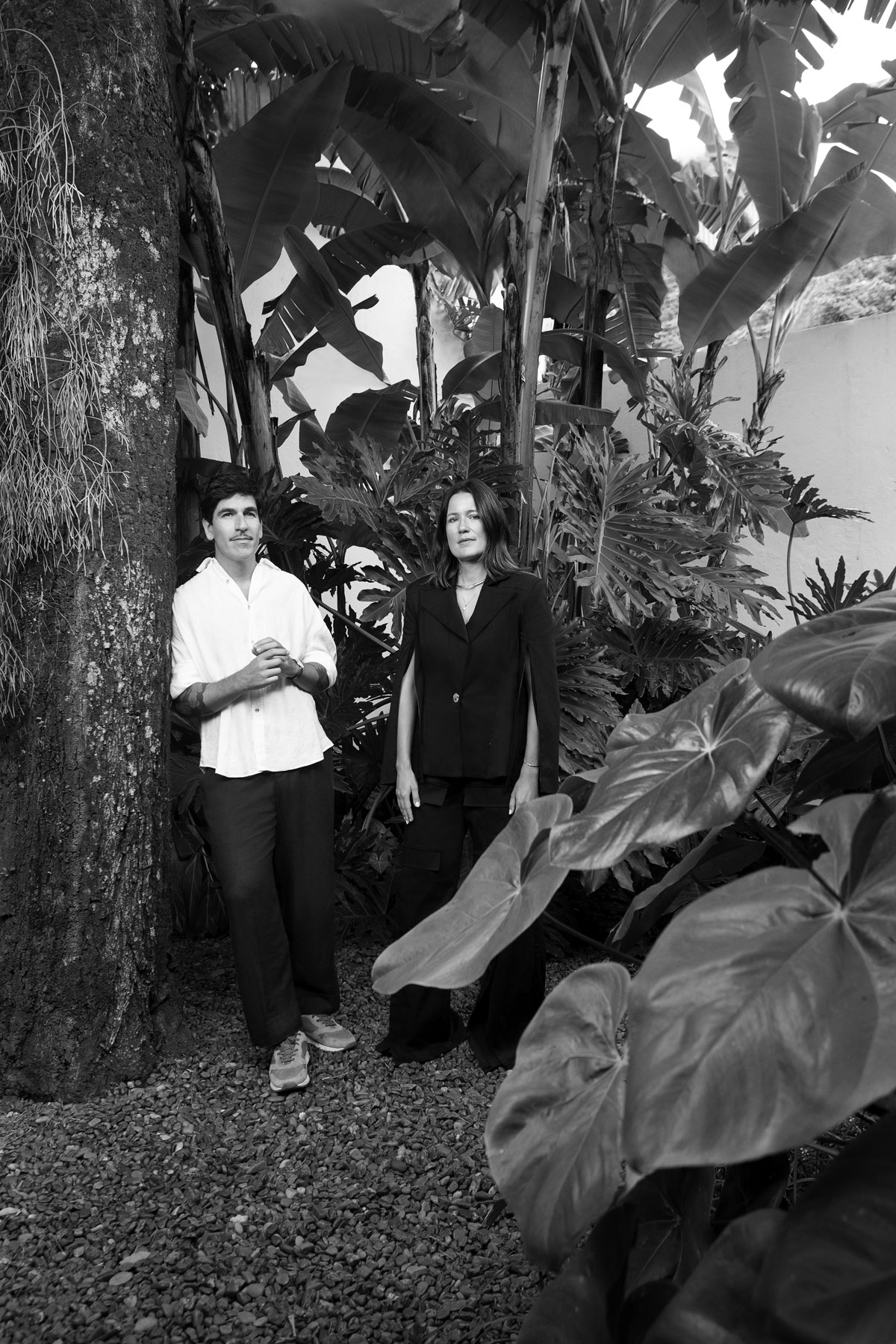
New York has always been a city shaped by people arriving from elsewhere. Its art world, however, has not always reflected the breadth of those histories with the same generosity. When Laura Saenz and Alex Morris began imagining Proxyco Gallery nearly a decade ago, they recognized a gap: there were remarkably few spaces in New York dedicated to contemporary Latin American artists, particularly artists negotiating the experience of living and working between Latin America and the United States. What began as a professional affinity and an almost twenty-year friendship gradually became a gallery built around that condition of belonging to more than one place at once.

Saenz, originally from Colombia, and Morris, from Mexico City, met in New York in an appropriately New York fashion: through Craigslist. Morris had recently graduated and moved to the city when she responded to a listing Saenz had posted. At the time, Saenz was working at a gallery specializing in Latin American modern masters. Morris joined her there, and what started as an employer-employee relationship quickly developed into a close friendship and an understanding of how naturally their respective strengths complemented one another.

Years later, when Saenz was considering returning to Colombia, Morris asked her not to take another job. She had an idea. “I wouldn’t have done it with anyone else,” Morris recalls. Together, they developed a business plan and began thinking seriously about what they wanted to contribute to New York’s art landscape. Proxyco emerged not simply from the identification of an underserved market, but from a desire to create a cultural space and a community in which contemporary Latin American artists could tell their own stories through their work.

“That distinction, between identifying a market and building a community, has remained central to the gallery”, says Laura. 

What a Gallery Can Still Do

At a moment when artists can communicate directly with audiences, collectors and institutions through social media, the necessity of the traditional gallery model is frequently questioned. Laura and Alex do not insist that every artist needs a gallery. Some artists sustain their practices through residencies, institutional support and other structures and may have little need for commercial representation at certain stages of their careers.

For the artists who do want representation, however, Proxyco sees its role as extending far beyond selling work.

There are exhibitions and art fairs, but also conversations with curators, production assistance, studio organization, loans, paperwork and the countless administrative responsibilities surrounding an artist’s career. Alex describes this work almost as an act of removing obstacles: the artist should be able to concentrate on creating while the gallery manages much of what surrounds that creation.

Laura also emphasizes something that can easily be lost in an art economy increasingly organized around fairs and digital images: the importance of the exhibition itself.

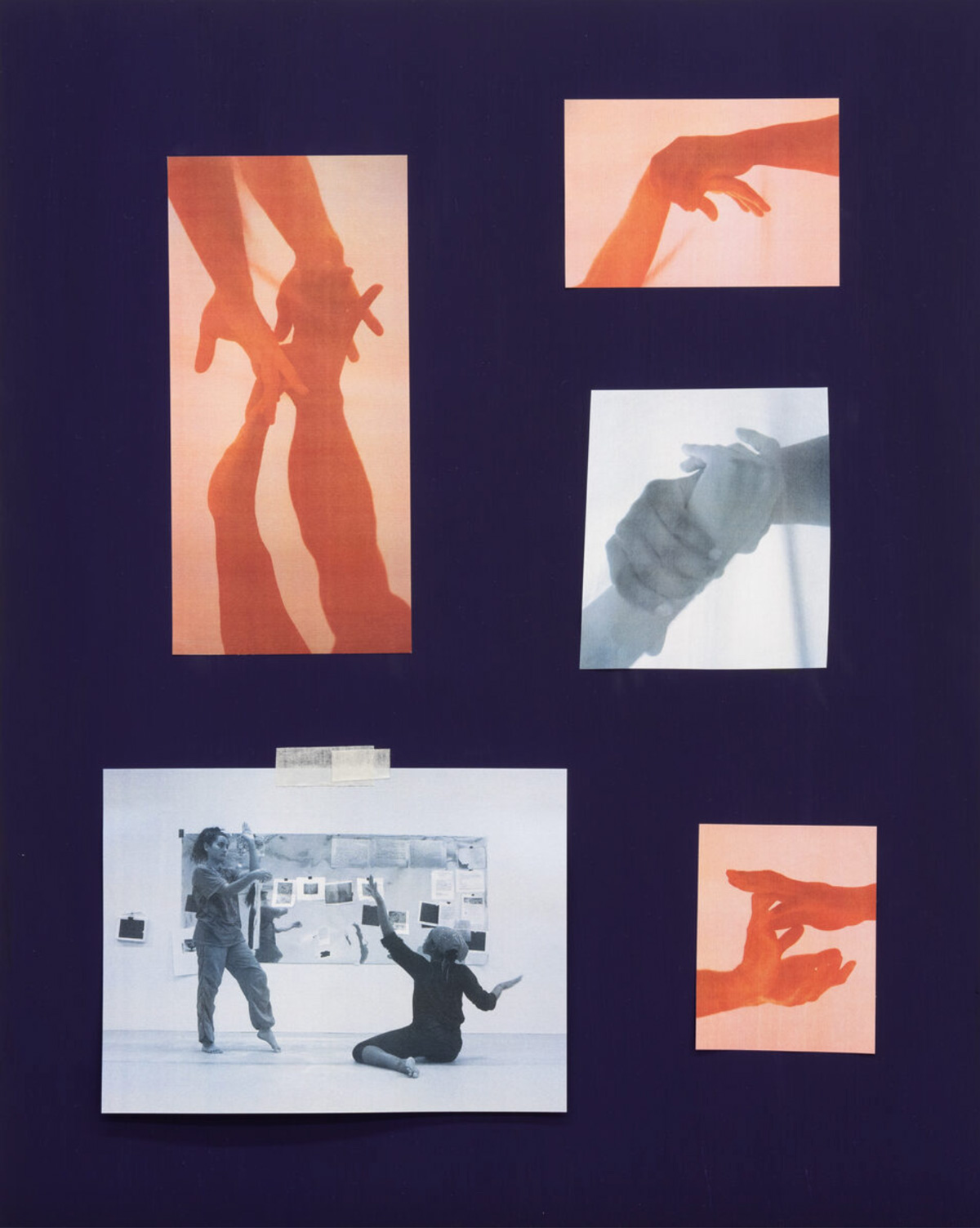
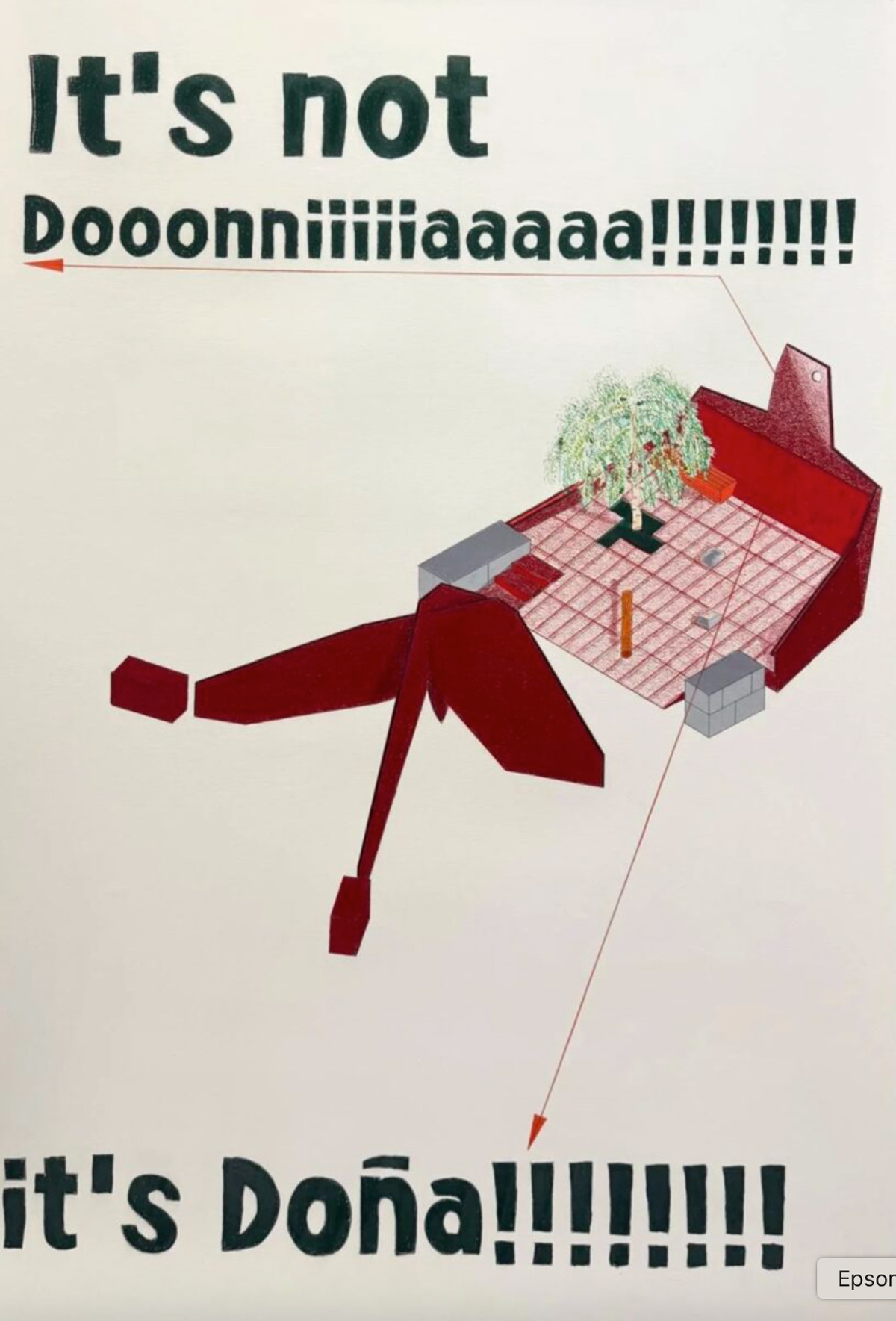
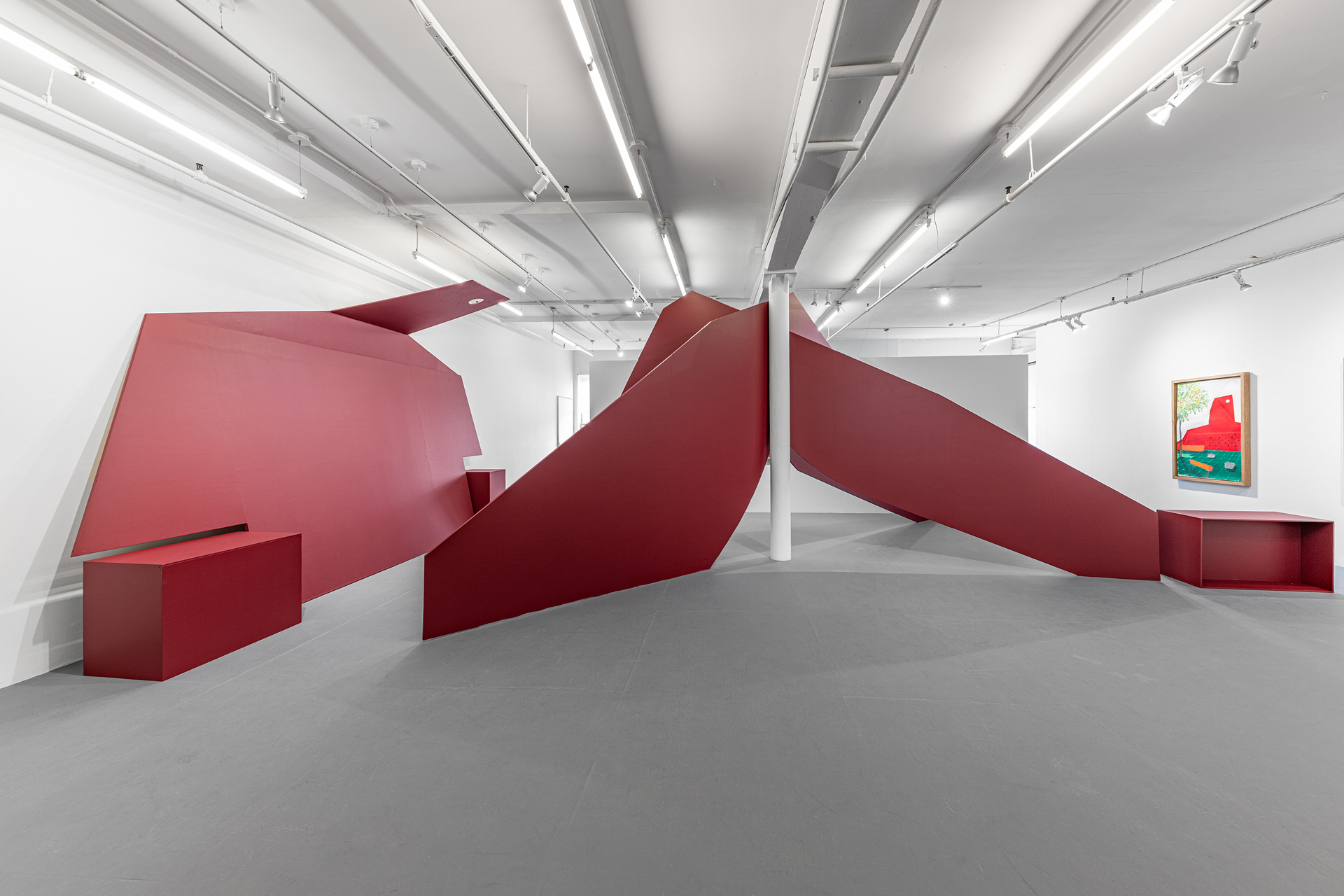
A booth can introduce individual works, but an exhibition allows an artist to construct a world. Works can exist in relation to one another, architecture can become part of the experience, and ideas developed over months or years can unfold spatially. It is a distinction particularly evident in Proxyco’s relationship with Brazilian sculptor Juliana Cerqueira Leite, whose exhibitions require sustained consideration of how individual objects inhabit a space and operate collectively.

In this sense, the gallery remains important not because it controls access to an artist, but because it can provide the conditions for a practice to expand.

A Gallery Built on Relationships

Proxyco did not begin with a conventional roster of represented artists. Instead, Saenz and Morris allowed relationships to develop gradually. They might invite an artist into a group exhibition, collaborate on an art fair, observe how the relationship evolves, and only then consider formal representation. Morris compares the process to a relationship: compatibility matters.

Representation, for them, carries not only financial responsibility, but also emotional responsibility. Once Proxyco commits to an artist, the intention is to grow together over the long term. Saenz and Morris want to have the time and energy required to genuinely support each practice.

The work itself is, of course, fundamental, but it is not the only consideration. Shared values, work ethic and personal compatibility are equally significant. Both directors need to believe in an artist before representation moves forward. If one is uncertain, they continue the conversation rather than forcing a decision. 

Latin America in New York

The idea of Latin America has never been culturally simple. It contains enormous differences in language, history, race, politics and artistic traditions. Brazil, in particular, often occupies a distinctive position within that environment. Its Portuguese language, scale and extraordinarily developed art ecosystem can make it feel simultaneously central to Latin America and like a cultural universe unto itself.

Morris acknowledges this complexity. For her, Brazil possesses an artistic and cultural history so extensive that she sometimes feels herself looking in from the outside. Saenz’s relationship with the country is different. During one trip to Rio, she called Morris and announced that she wanted to move there. Morris remembers that when Saenz finally returned to New York, she seemed almost transformed, more relaxed, radiant, dressed in bright colors and a pair of playful shoes she had brought back from Brazil. Something about the country had clearly stayed with her. As Morris recalls it, Laura had returned to New York carrying a little of Brazil with her, or perhaps, she had simply discovered a Brazilian soul that had been there all along.

Yet what is particularly compelling about Proxyco’s program is that its understanding of Latin American identity is not limited by national borders. Most of its artists live in New York. Saenz and Morris themselves have spent close to two decades here. The gallery therefore occupies a space between Latin American, certainly, but also profoundly New York.

For Morris, that duality is essential. Proxyco was conceived not only to work with artists from Latin America, but especially with those living in New York and navigating the experience of inhabiting two cultural worlds. They recognize how migration alters artistic language—how an artist can be educated, work and build a life in New York while continuing to think through memories, histories and visual languages rooted elsewhere.

This in-between state is not something Proxyco attempts to resolve. It is precisely what gives the gallery its character.

In a city built through migration, such spaces are important because they complicate the idea that Latin American art exists somewhere “outside” New York. The artists Proxyco works with are not simply bringing Latin America into the city; they are already part of the cultural fabric of New York. Their histories add to the many histories through which the city continually reconstructs itself.


Juliana Cerqueira Leite: Sculpture as a Point of Connection

Proxyco’s relationship with Juliana Cerqueira Leite began unusually for the gallery. She was introduced to Laura and Alex by art advisor Felipe Melo, the only artist on their program they encountered through an advisor. The connection quickly made sense. They were drawn to the intelligence of Cerqueira Leite’s practice, to the strength of the work and to sculpture itself, a medium that has long interested the gallery.

Cerqueira Leite also embodies many of the questions at the heart of Proxyco’s identity. She is Brazilian and has lived in New York for many years; her practice exists within an international contemporary-art conversation while retaining a relationship to histories and experiences that cannot be separated neatly into one geography.

For Saenz, Brazil was already part of her understanding of Latin American art. For Morris, working closely with Cerqueira Leite has also opened a deeper encounter with a culture whose complexity she readily acknowledges she is still learning. 

What connects her immediately to Cerqueira Leite, however, is the work itself, something she describes as accessible to her “as a person and as a woman,” even when the specifically Brazilian references surrounding it require further understanding.

Their partnership also demonstrates Proxyco’s belief in what an exhibition can offer an artist. Saenz describes Cerqueira Leite thinking for more than a year about how works would inhabit the gallery together, not as isolated objects, but as an interconnected body. That time and space for experimentation is part of what Proxyco considers fundamental to its responsibility as a gallery. 

Art Dialogues, too, was immediately drawn to Juliana and the depth and breadth of her practice. That shared affinity—between Proxyco and Juliana, Proxyco and Art Dialogues, and Art Dialogues and Juliana—has gradually evolved into a partnership that feels both natural and deeply aligned. This coming November, those relationships will converge as Proxyco opens Juliana Cerqueira Leite’s solo exhibition and Art Dialogues launches its sixth edition, dedicated to sculpture. 

Many Stories, One City

When I asked Saenz and Morris what they would hope someone walking into Proxyco ten years from now would understand about the gallery, Morris returned to New York itself.


“New York has many stories to tell,” she said.

For much of its history, she argues, the city’s art establishment has privileged Eurocentric and male-dominated narratives. Proxyco was created, in part, to make room for other stories, and particularly for contemporary Latin American artists, many of them women, to tell those stories through their own work. Her hope is that visitors recognize those experiences as possessing as much value as any other history presented within the art world.

Nine years into the gallery’s life, the results of that patient approach are increasingly visible. Artists from its program are entering museum exhibitions and receiving major commissions. Saenz points to Pablo Gómez Uribe’s monumental public sculpture in Medellín as an example of the kind of trajectory they hoped to help facilitate. Opportunities such as this represent not only professional advancement, but the realization of an ambition embedded within an artists’ practice.

Apartamento 61: @apartamento61 // apartamento61.com.br

Marcus Steinmeyer: @marcus. steinmeyer

Paola Muller: @lolamuller

Anita Goes: @anitagoes

There is something significant in the fact that Saenz and Morris speak about these achievements primarily in terms of their artists rather than the gallery. Their measure of success is not simply expansion, sales or visibility for Proxyco itself. It is whether the artists are reaching the places they want to reach.

Ultimately, an artist wants the work to be seen, Saenz says. The gallery can be one of those spaces, but so can a museum, another gallery in another country, a public commission or an institution they have not yet encountered. Proxyco’s task is to help create pathways between them.

Perhaps the most interesting way to understand Proxyco after nearly a decade is as a bridge, not simply between artists and collectors, but between cultures, memories, and ways of belonging. Laura and Alex have built the gallery around artists who inhabit these spaces in between: people whose lives have crossed borders and whose practices carry traces of more than one place. In this sense, Proxyco is not simply representing Latin American artists in New York; it is creating a space for identities that are constantly moving, absorbing, remembering, and transforming, a reflection, perhaps, of New York itself.