On salvation, from work and labor to the “myth” of the unicorn:
I’m 24 now and have been crocheting for the better half of my life. I must have started at around 12 but my clearest memory of it was at 14 when I was told I could not crochet while staying at the hospital. Something about safety precautions. no shoe laces, hoodie strings and I guess now, no yarn. I can’t imagine that I was the first person to have their yarn denied at intake and the memory has stuck since.
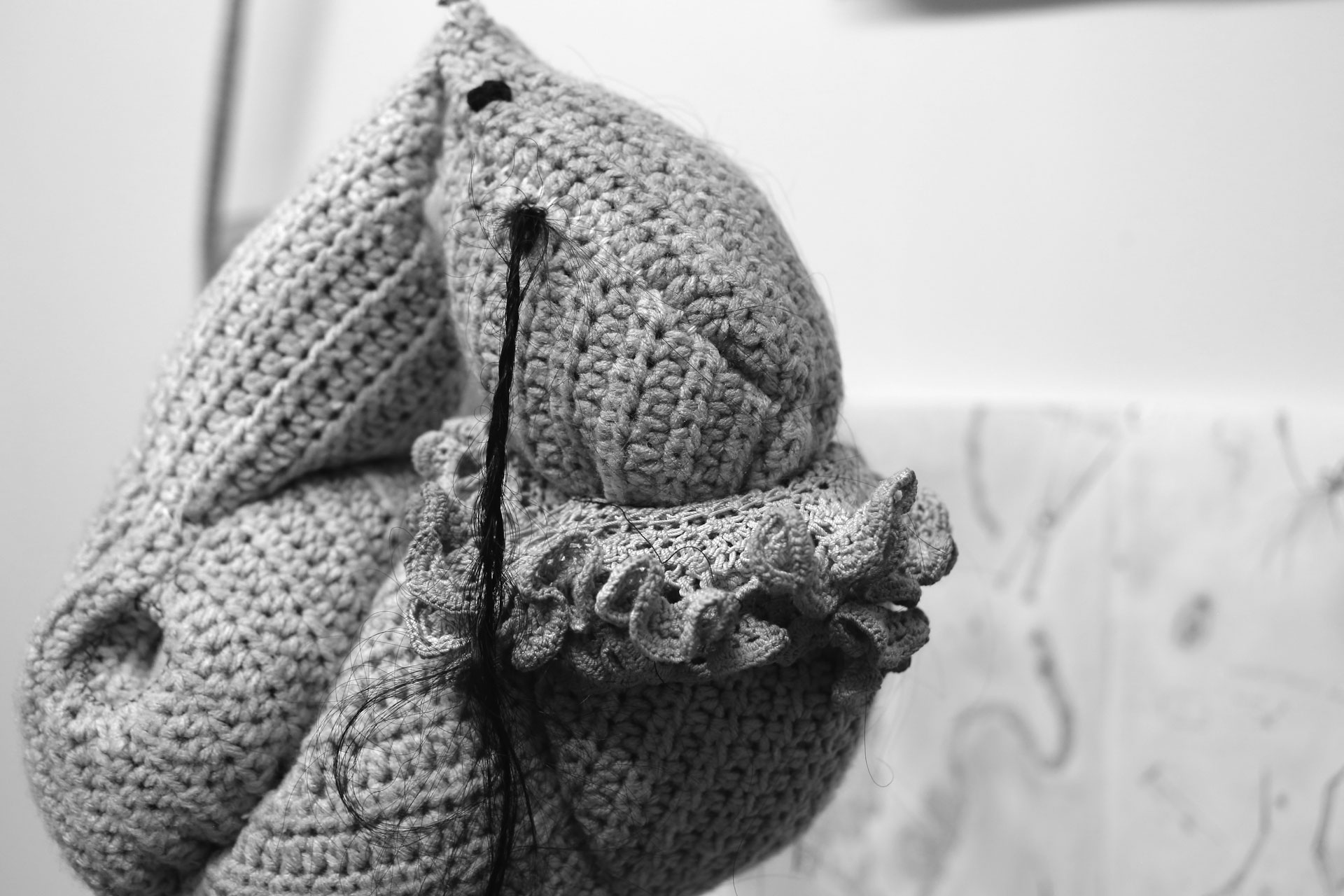
Crochet as many textile mediums have a long history of being known for their soothing and calming properties. In the early 1900s activities like knitting, quilting and crochet were prescribed as a form of antidote to help cure hysteria, the catch all diagnosis for any woman at the time that deviated off the rigid track carved out by men. There are many antiquated practices that have been prescribed in an effort to cure “hysteria” with the lobotomy (1), pelvic massages, and electroshock therapy (2) being first to come to mind. Out of all of these “cures” the idea of textile work seems that most rooted in some form of logic or reason outside of doctors’ perversions. The “rest cure” was another form of therapeutic treatment, that although sounds harmless, when taken to its 1900s extremes comes across as misinformed at best and cruel at worst (3).
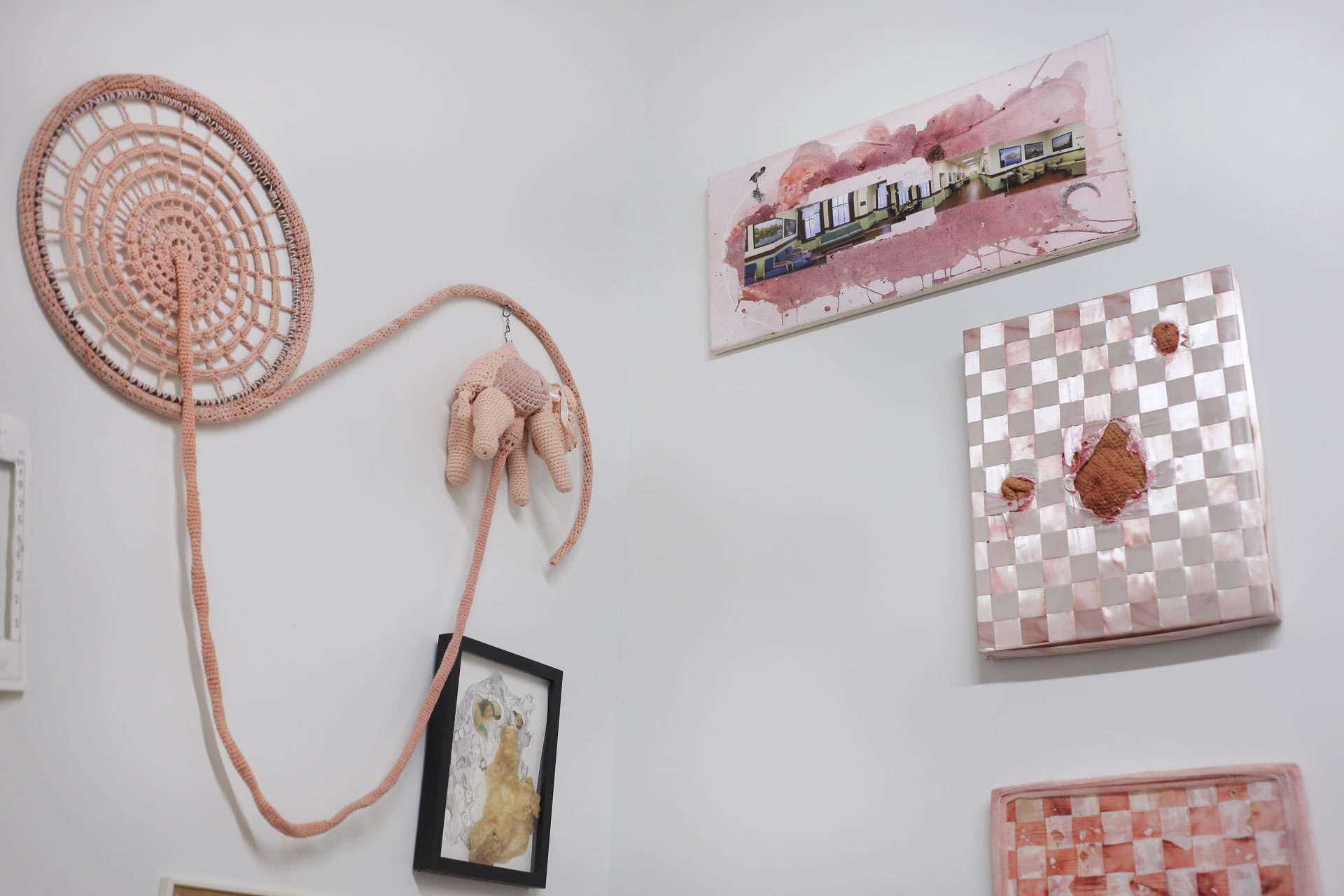
In response to the idea of the rest cure, Dr. Herbert J Hall, a physician from New Hampshire developed his theory of the “work cure”in 1922. This was an antithesis to the rather moribund state implemented by forced “rest cures”. His concept of the work cure was based on the notion of purpose and began gaining traction alongside the growing arts and crafts movement occurring in the United States. He would often prescribe textile based arts practices to his patients in order to treat their mental illness. His colleague in the field of occupation therapy (4), psychiatrist William Dunton Jr took it a step further, supervising quilting sessions and curating a quilting exhibition at the Sheppard Asylum along with several other exhibitions in the years to follow (5).
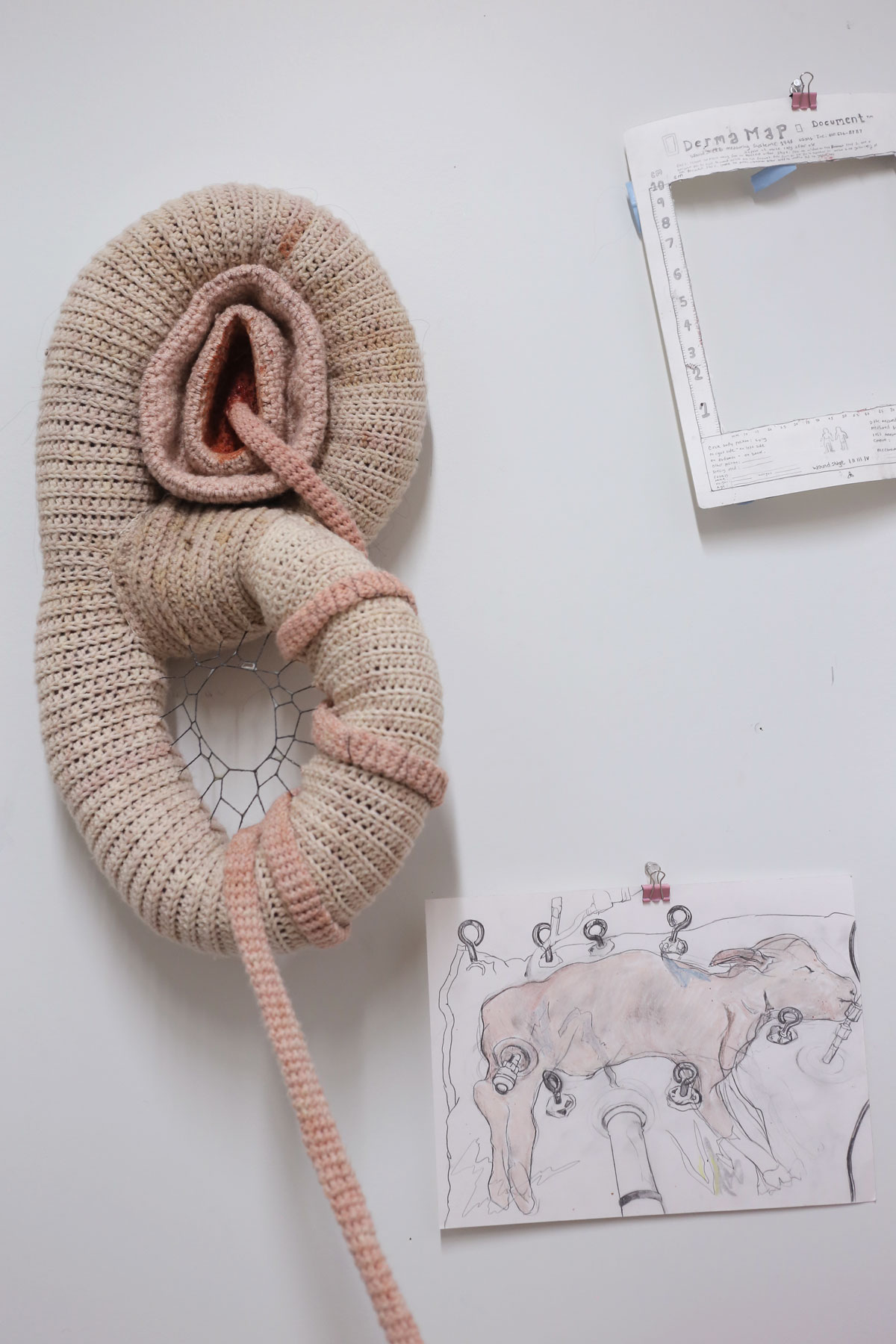
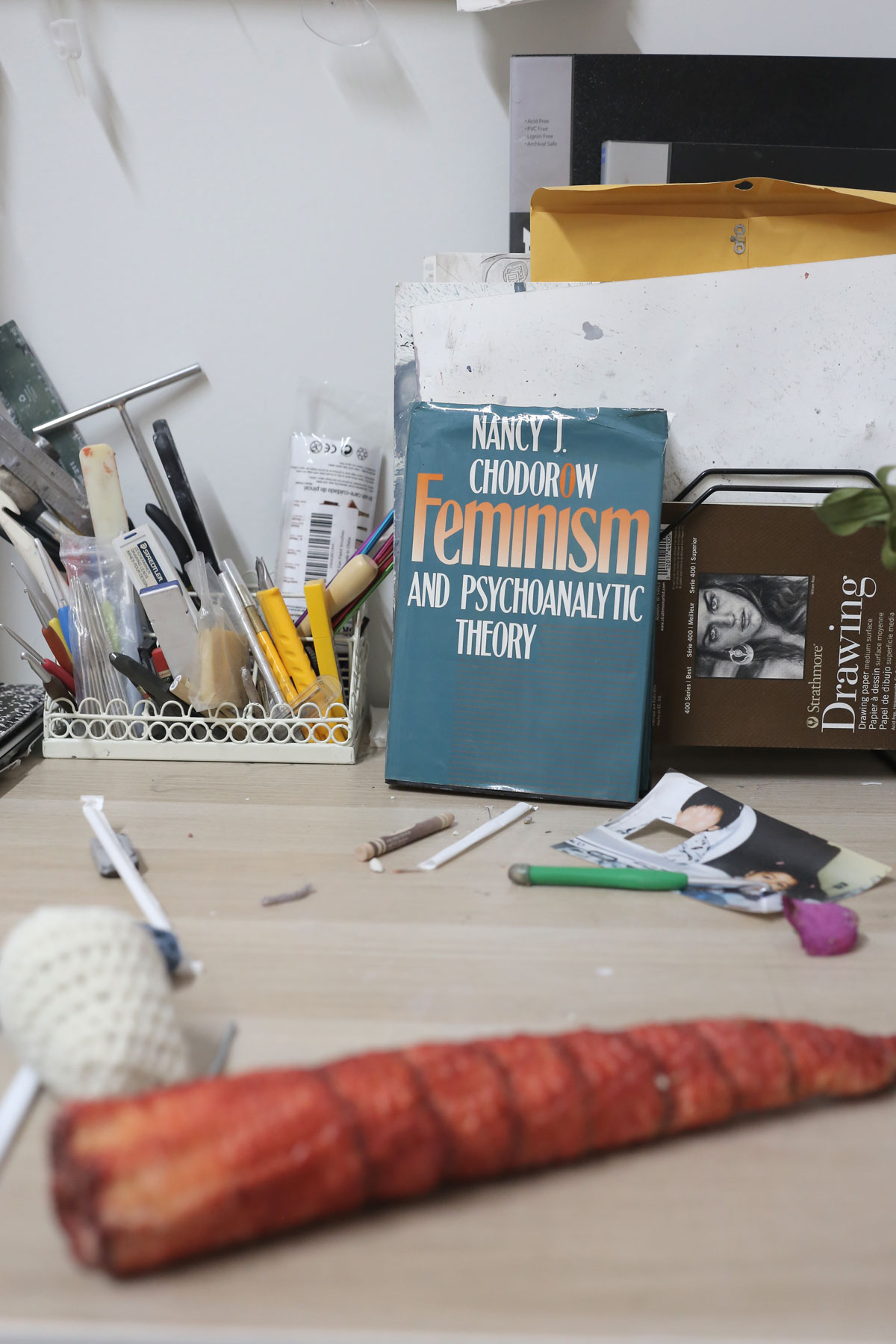

Work as a cure to melancholia or malady is today a foreign concept. On paper being prescribed work in order to cure a disease or diagnosis rings about echoes of forced back-to-work orders during the covid 19 pandemic, or the girlbossification of workaholism in the early 2010s, with postpartum depression being met with “solutions” of doubling down, having more kids, taking care of the home, all while maintaining a full time job. This however isn’t “work”, at least not in its intended sense, the same way exposure isn’t payment and thoughts and prayers aren’t solutions to structural government failings. Work for a compensatory rate is work that is corrupted by capitalism, much like the invisible labor needed for the backbone of a capitalist system is not work as the word is intended to be defined
work (noun): activity involving mental or physical effort done in order to achieve a purpose or result.
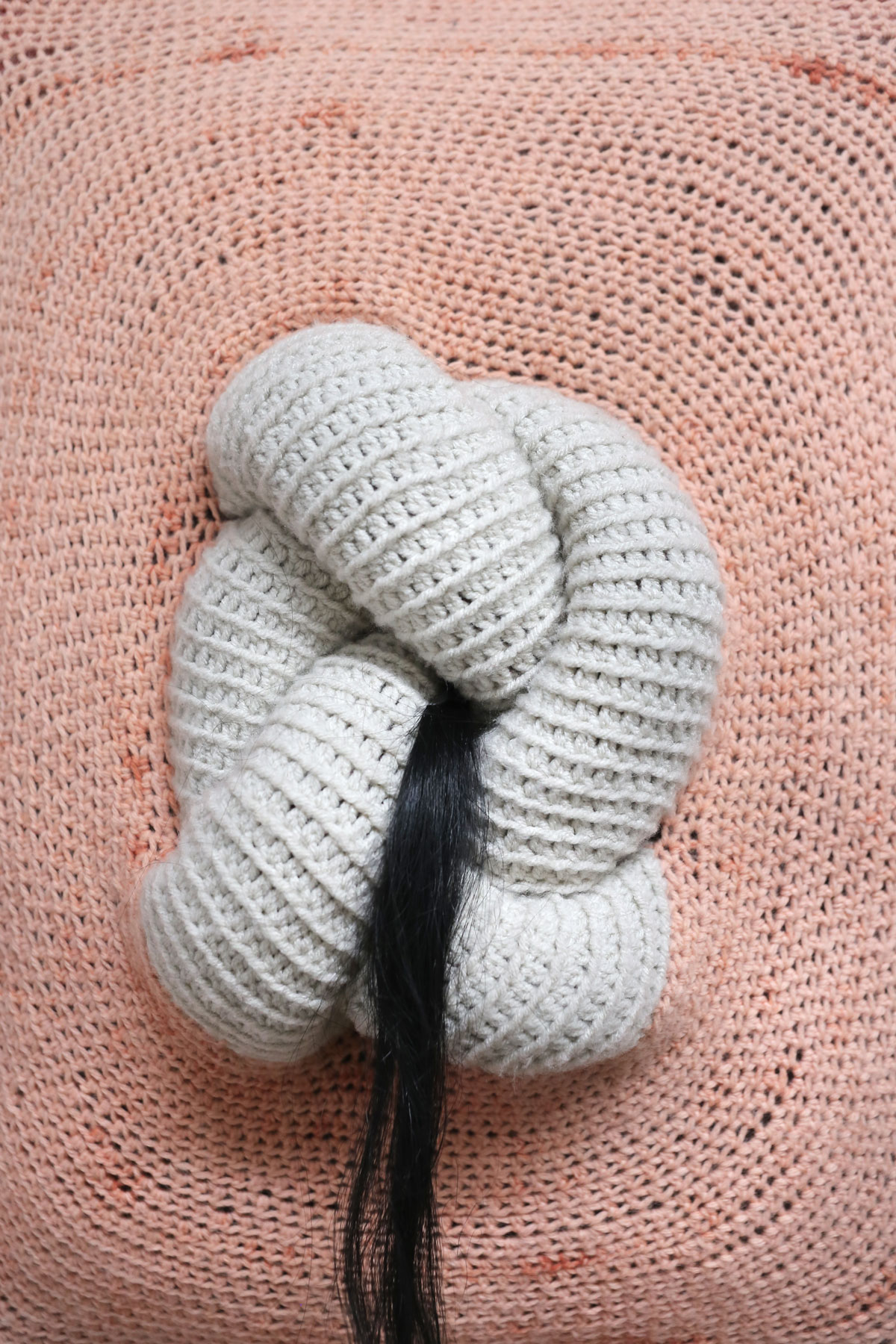
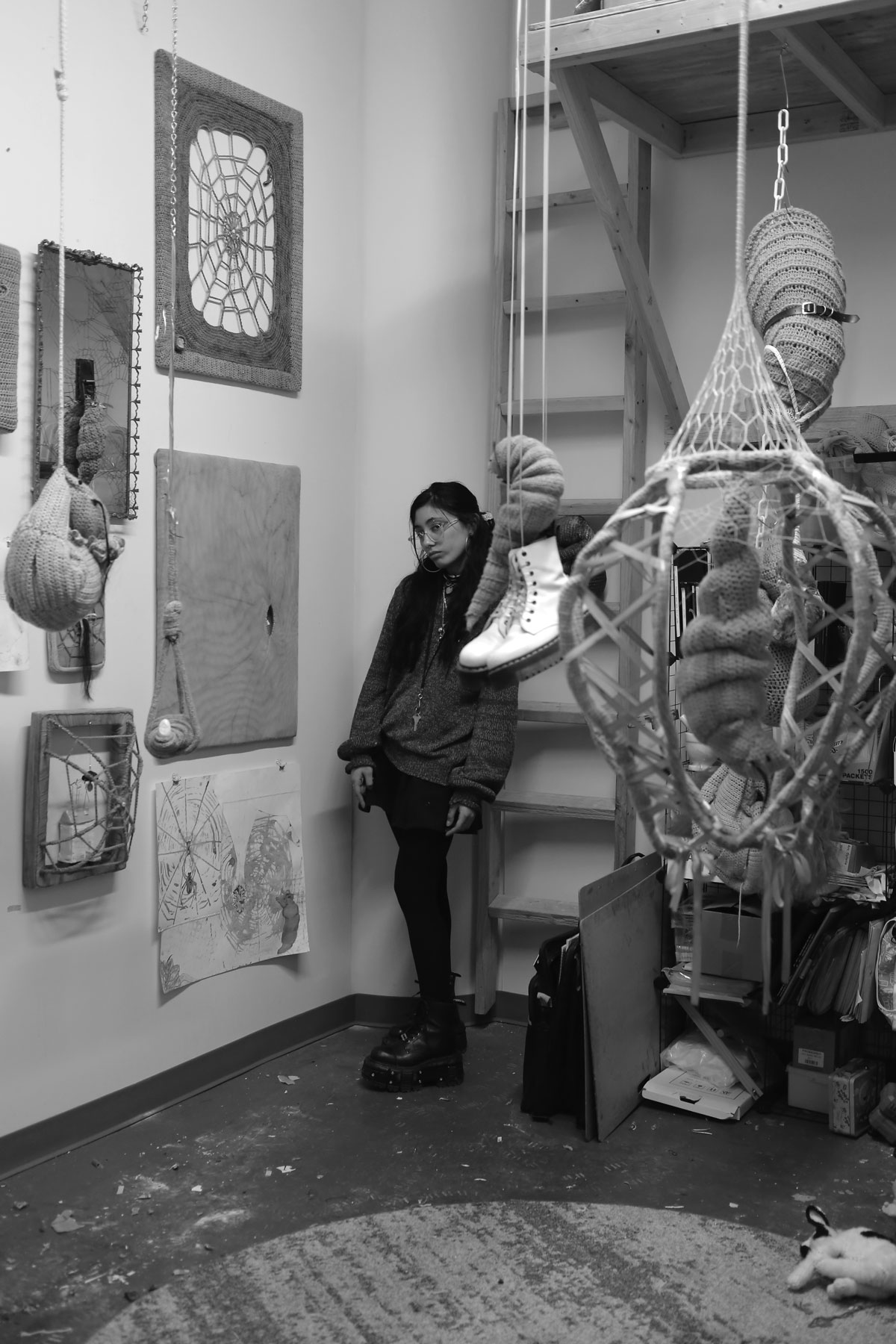
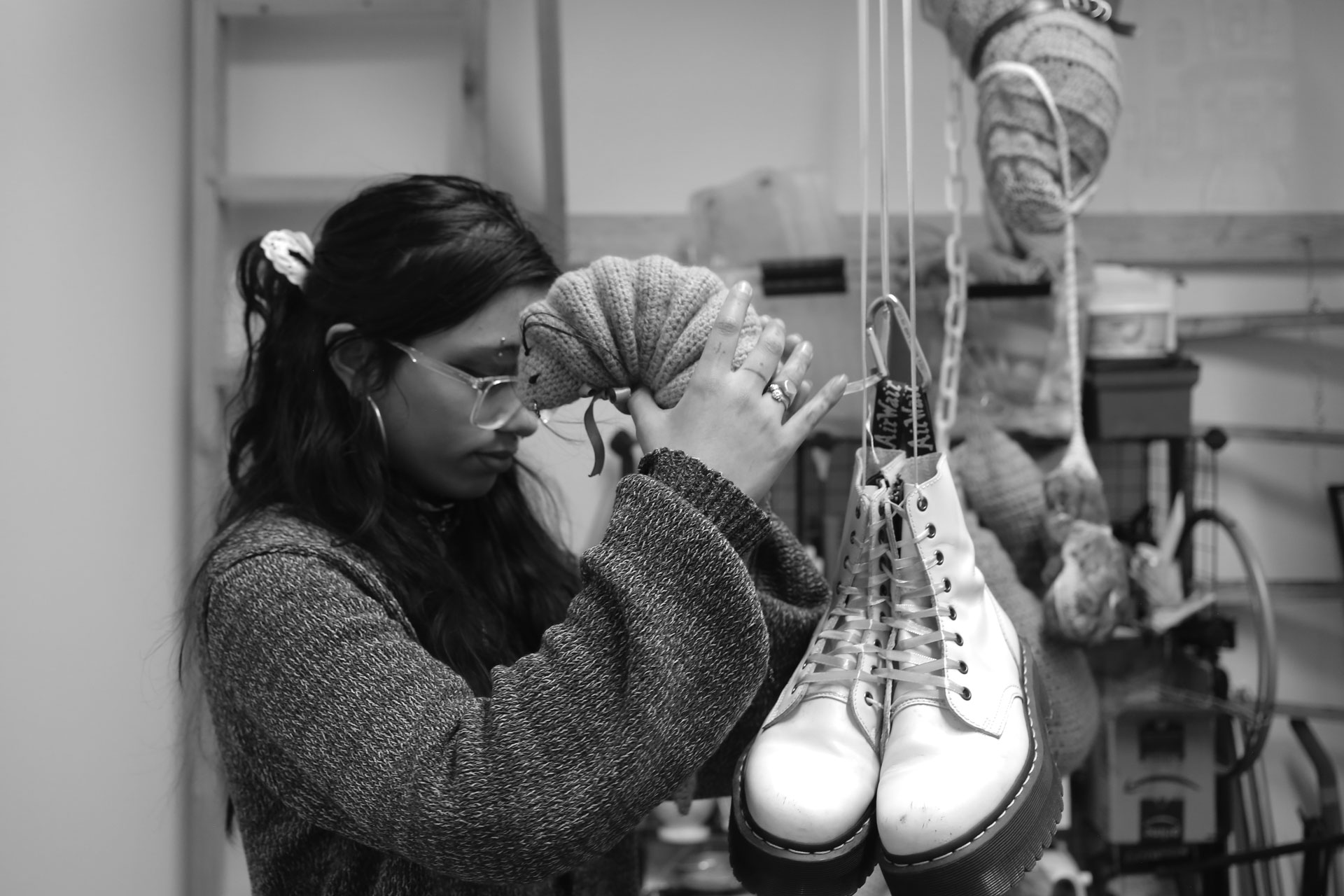
I see all of the labor I put into my art as Work, not work as defined by a system reliant on its exploitation of others but as defined by its fulfilling properties. It can be enjoyable, but many times it’s grueling, annoying or cumbersome with the pay off being found in its result or completion, the jouissance (6) of labor. My schedule is one of rigor and my implementation of strict discipline is one with the faintest stench of a catholic upbringing. Monday through Friday I attend the studio between 9:00 am to 7:00 pm and 10:00 am to 7:00 pm. On Mondays and Fridays I wake up at 7:00 am, do my morning routine of contortion or yoga (an alternating schedule to not injure myself) and arrive at the studio at 10:00 am. At this point I enter a windowless 11×16 ft room and close the doors until 7:00. Tuesdays through Thursdays I wake up at 6:00 am, do my morning routine and arrive at the studio at 9:00 am. My routine both in and out of the studio is one rooted in a reach for salvation, or maybe as a form of penance. There isn’t a minute I don’t spend listening to something, my showers are timed by ten minute news videos, my crochet cycles timed by online lectures and podcasts, my days mapped by audio books, the music I listen to being that of familiarity so I can read as it plays. This allows my mind to continually be in motion with my hands operating in a similar fashion. I’m practically always crocheting, I crochet on my walk to the train, on the subway and of course when I am in the studio. This is more muscle memory than anything else, obsession more than task or chore. Crochet is a form of time keeping, its proof that I exist, time may feel still or even fractured but i know i am present in its wake for there is output as a result to the input of motion, i make myself machine, pure.
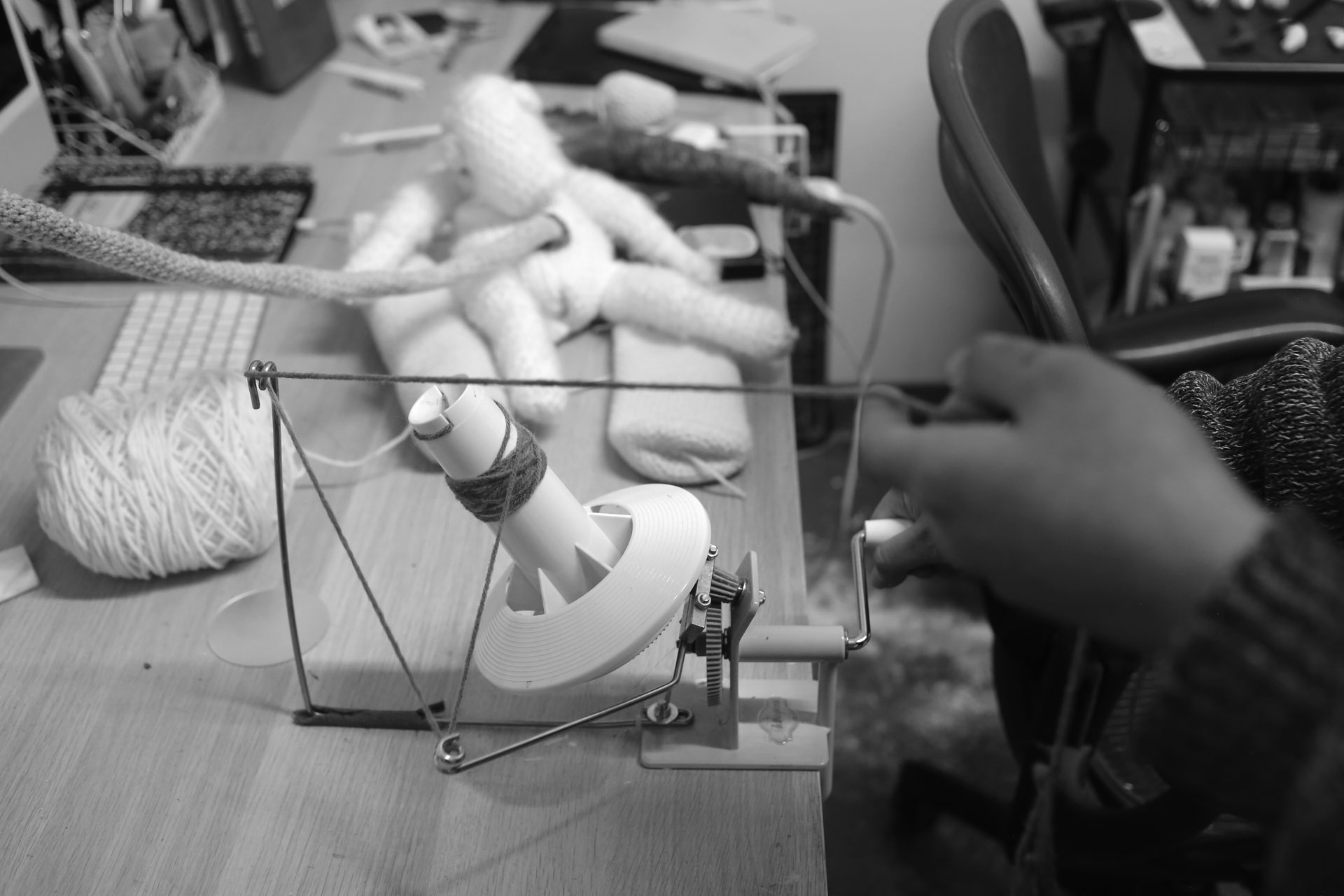
I purposefully allocate easier stitches and patterns to when I’m walking or reading and more intricate ones to the studio. The hum of the whole practice is guided by meditative motion. I can crochet without looking, I could do it behind my back, and more often than not, I’ll do it while reading. This is of course one facet of a studio life. Administrative tasks are an unspoken aspect for most artists and also the least enjoyable. This is what I’ll knock off my list first when I “clock in”, allowing me the freedom to bounce from piece to experiment to piece in all its stages and levels throughout the remaining hours of the day.
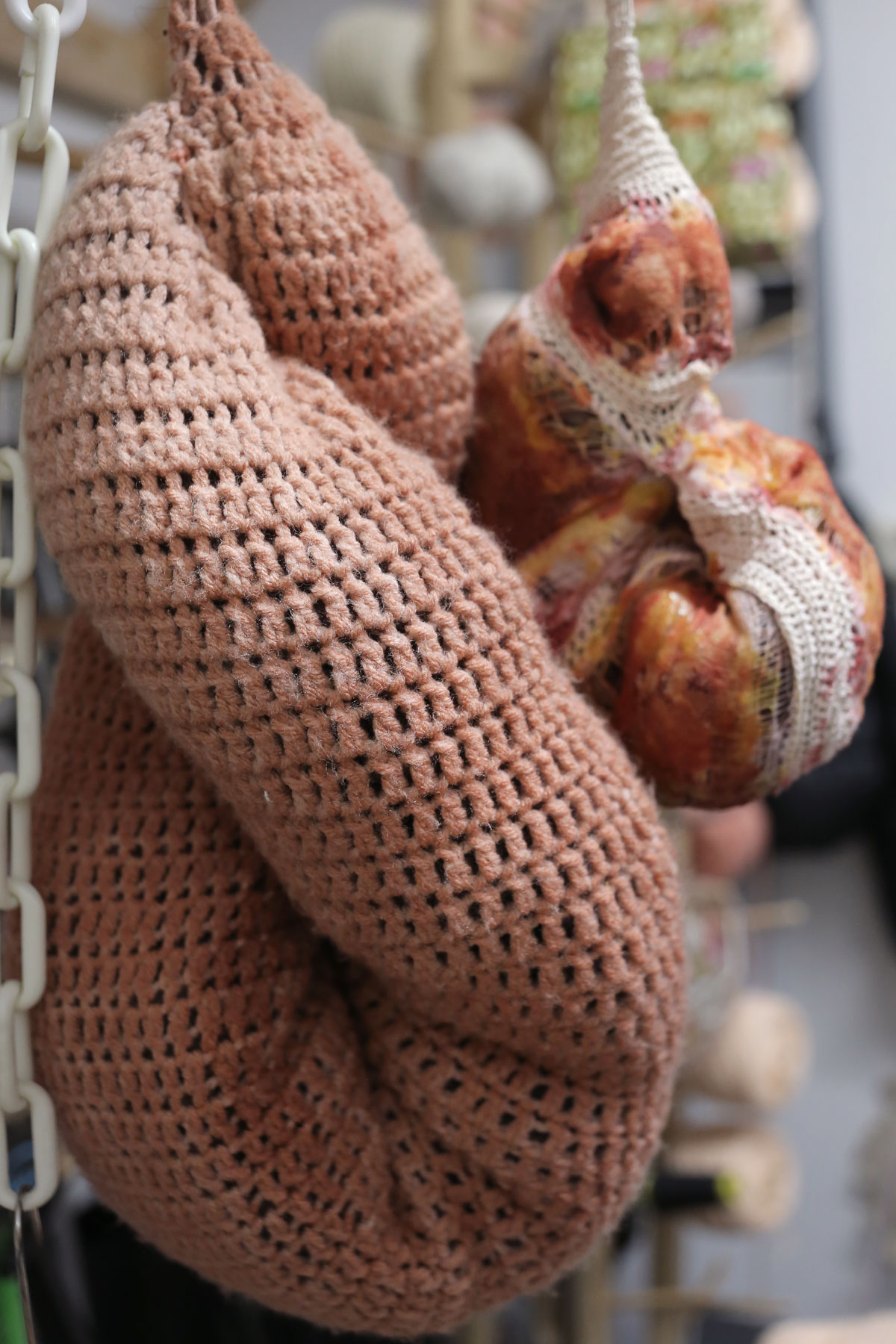
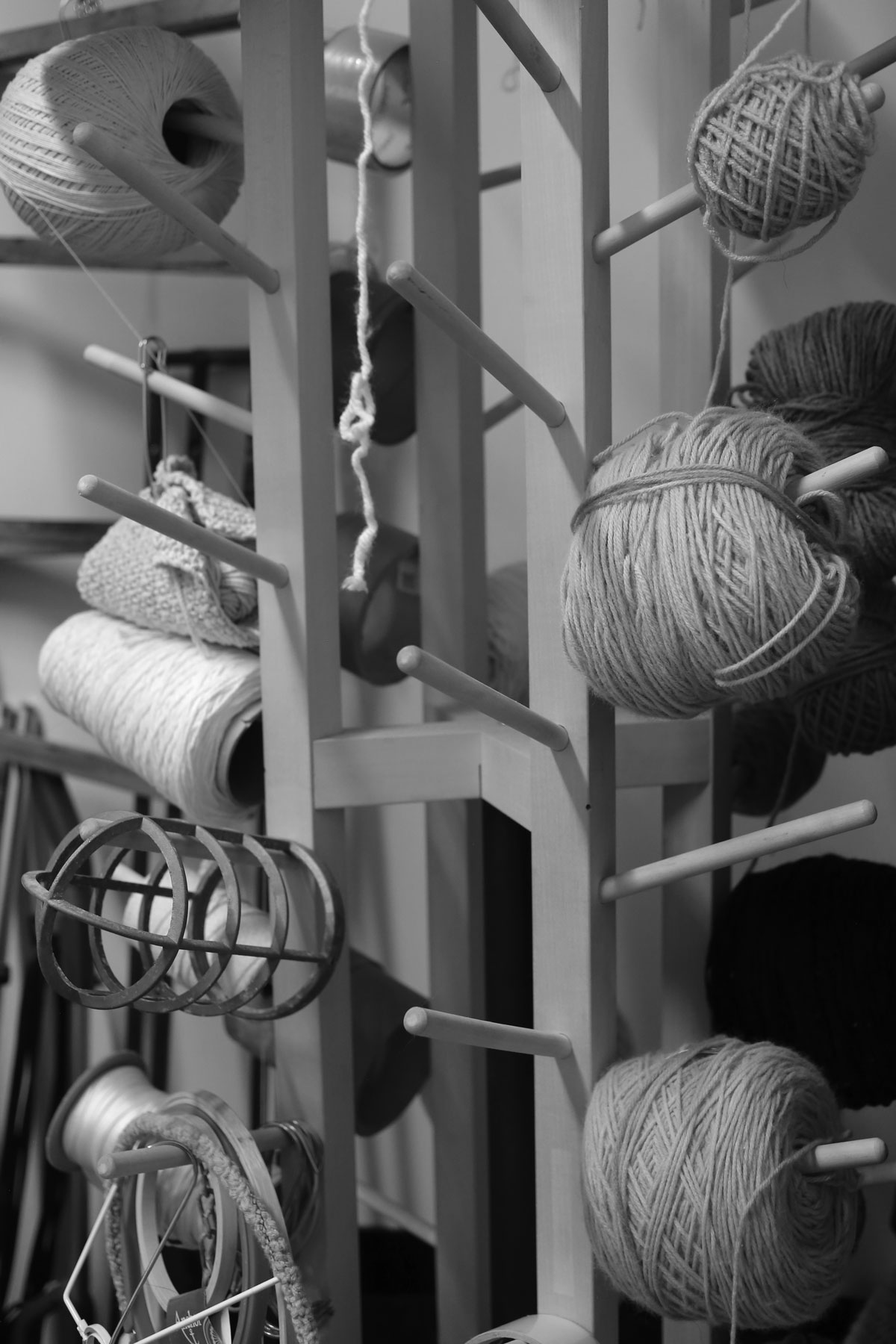
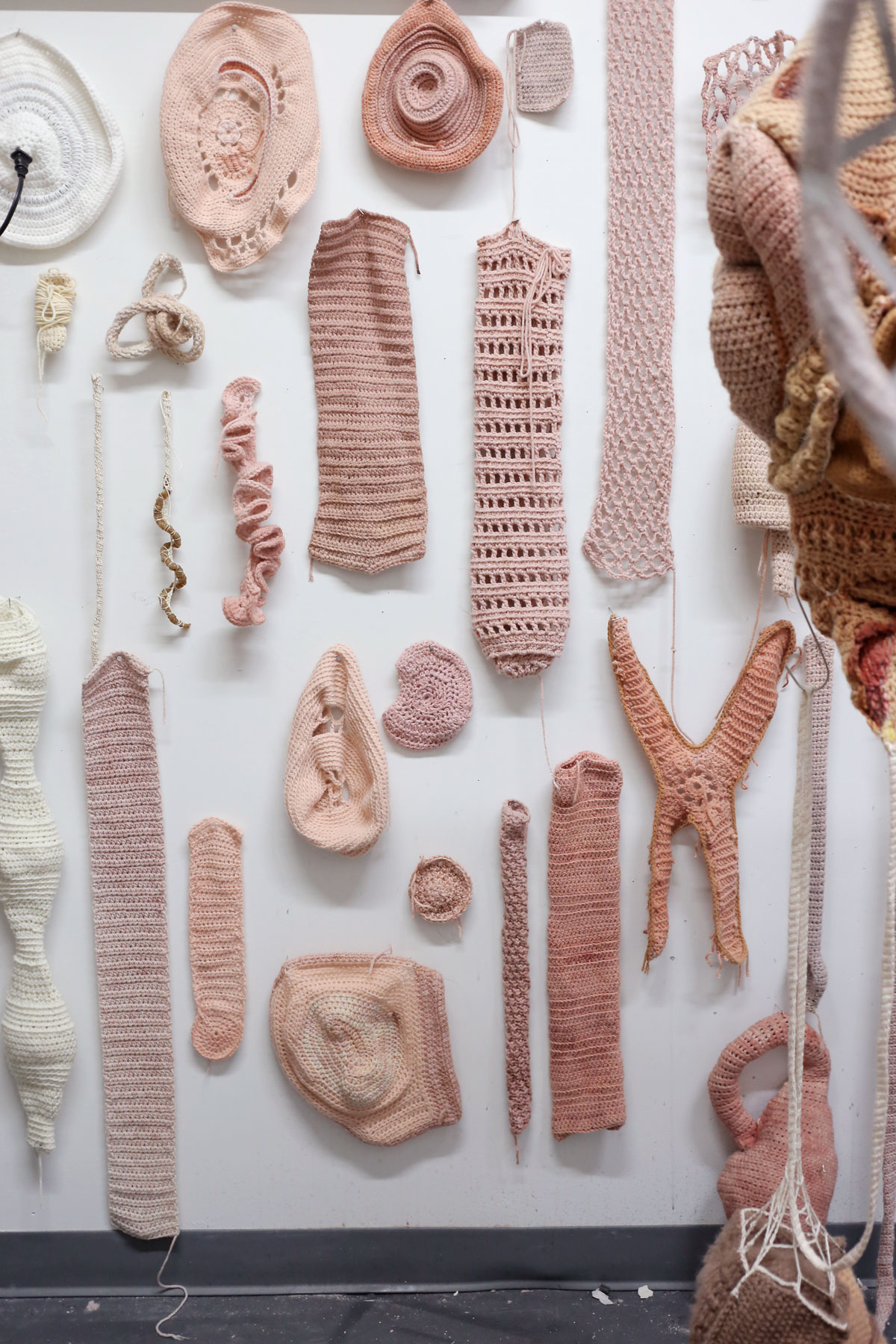
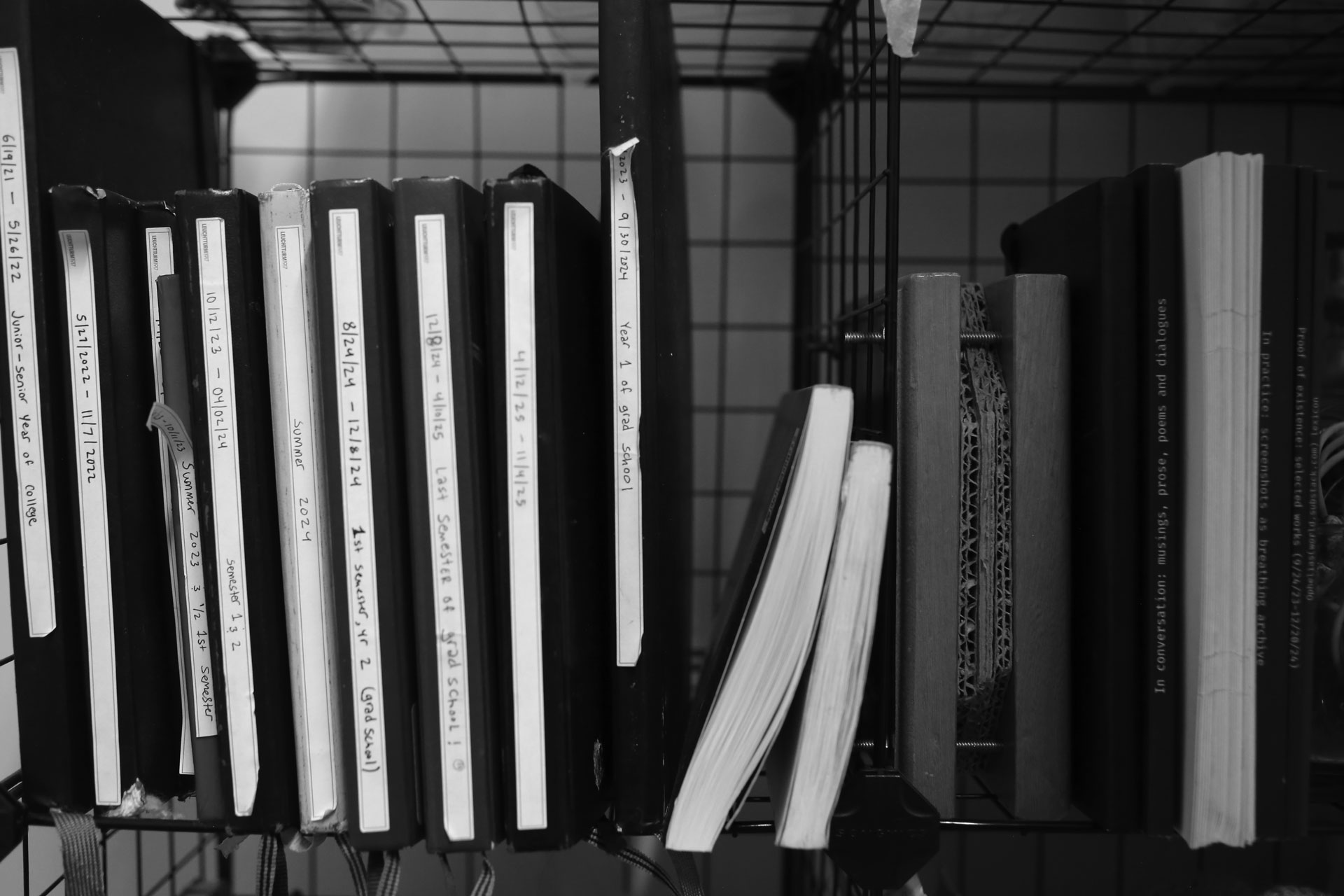
The crochet is guided by a set but flexible plan, the number of stitches, the pattern, the increases and decreases etc. All of my Work starts with a sketch. I’ve been keeping a sketchbook actively for the past 4 years. I’ve accumulated around 10 or so that are all dated. I look through them, I rewrite notes, I remind myself of what I was thinking about at a given point and time. Although my art is very tactile and material, the internet, in all its amorphous ambiguity functions as its subtext. As someone raised on the internet and fascinated by the ways everything connects, I am nothing if not a hoarder of digital notation. A tiktok video (7) leading me to a google search leading me to a blog from 2006 (8) about someone who is far too passionate about the history of quilts, leading me to this essay you are reading right now. Words, images, sounds, become segways to alternative endings. My research on parasites leading me to analogies of familial relationships, leads me to the understanding of sociopathy in the home, leads me to my brother, brings me to drawing about a memory of him and all of his mutilated and murdered lizards (9). The loops continue and persist, it looks like a circle but it’s a spiral in a 3 dimensional plane (10).
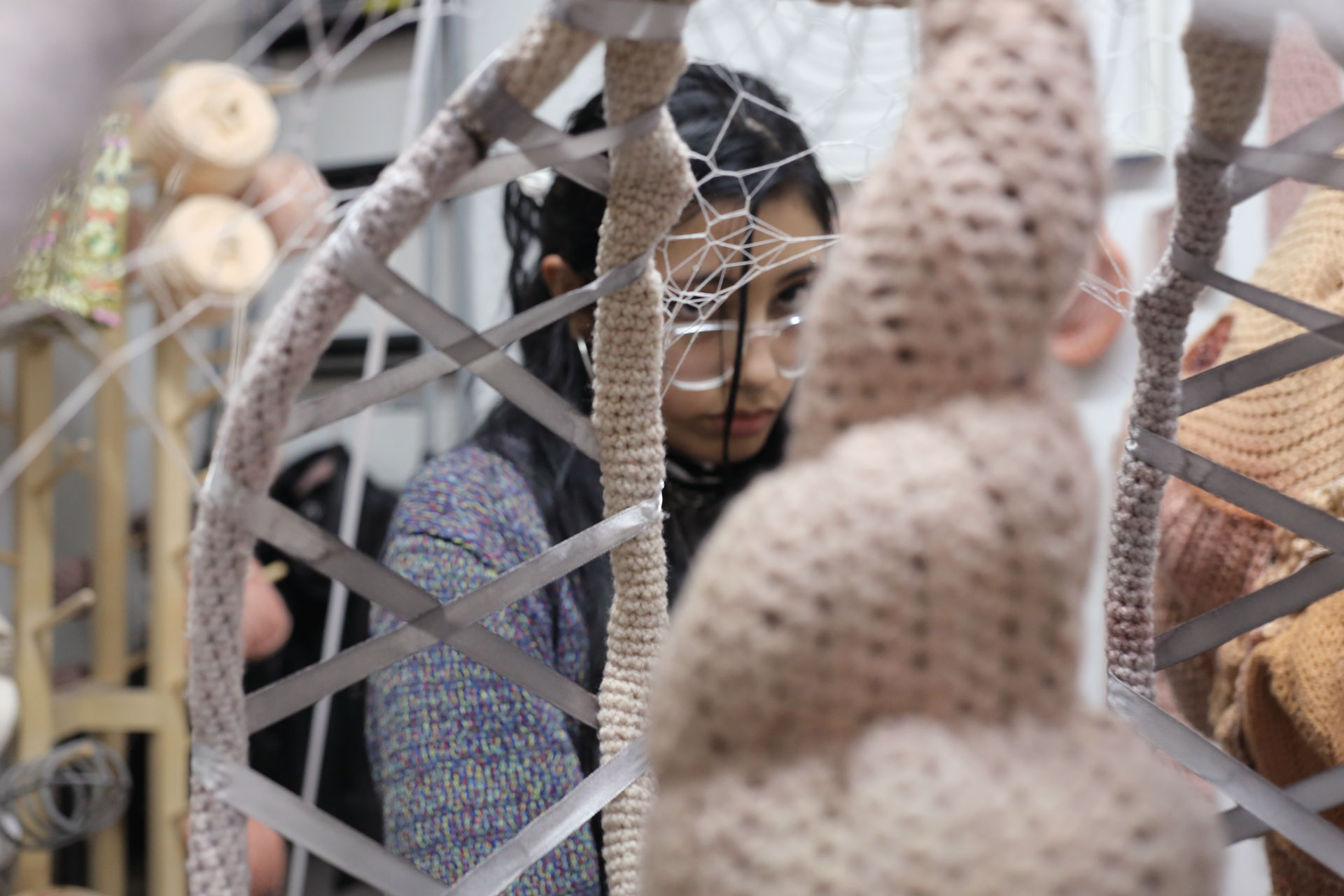
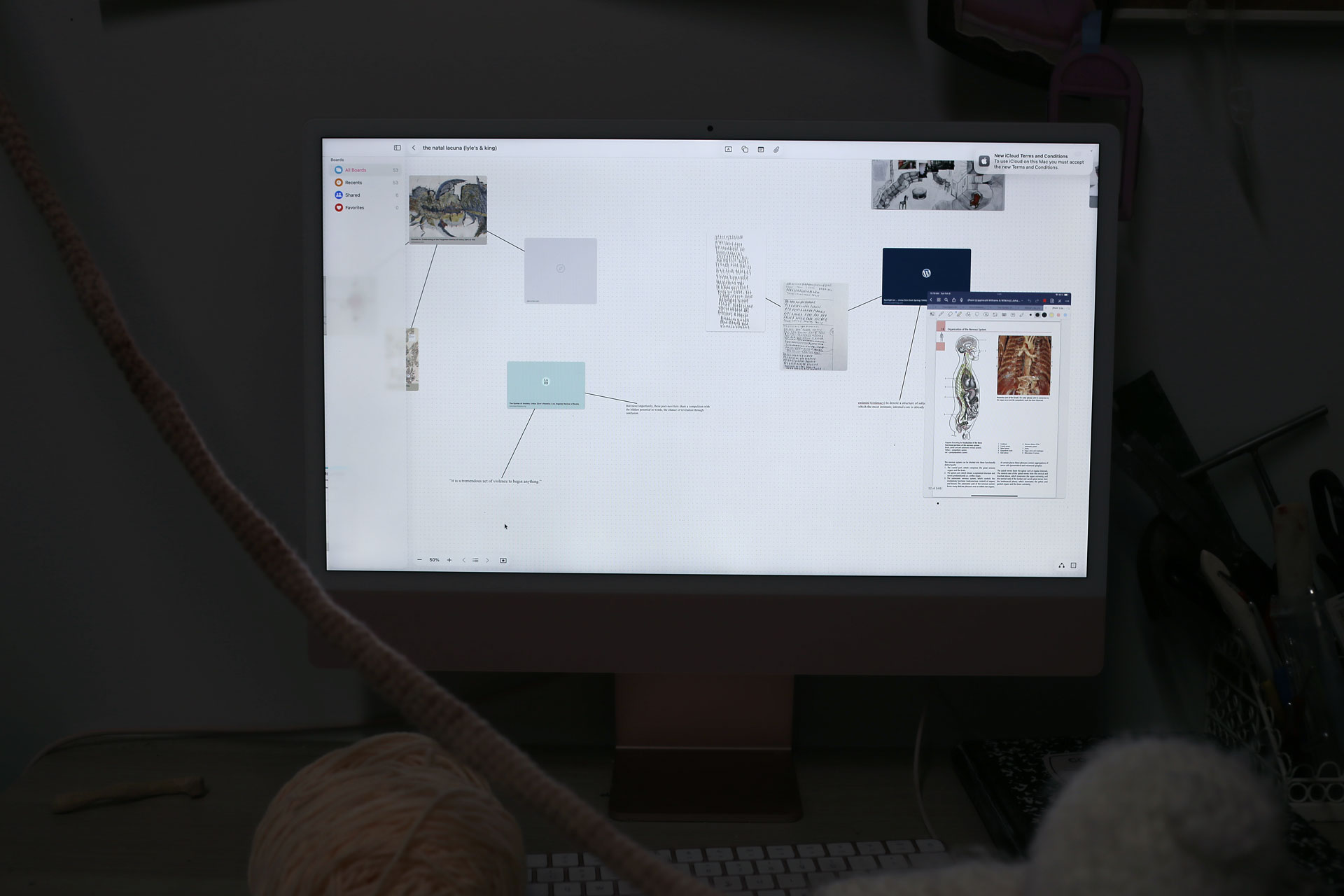
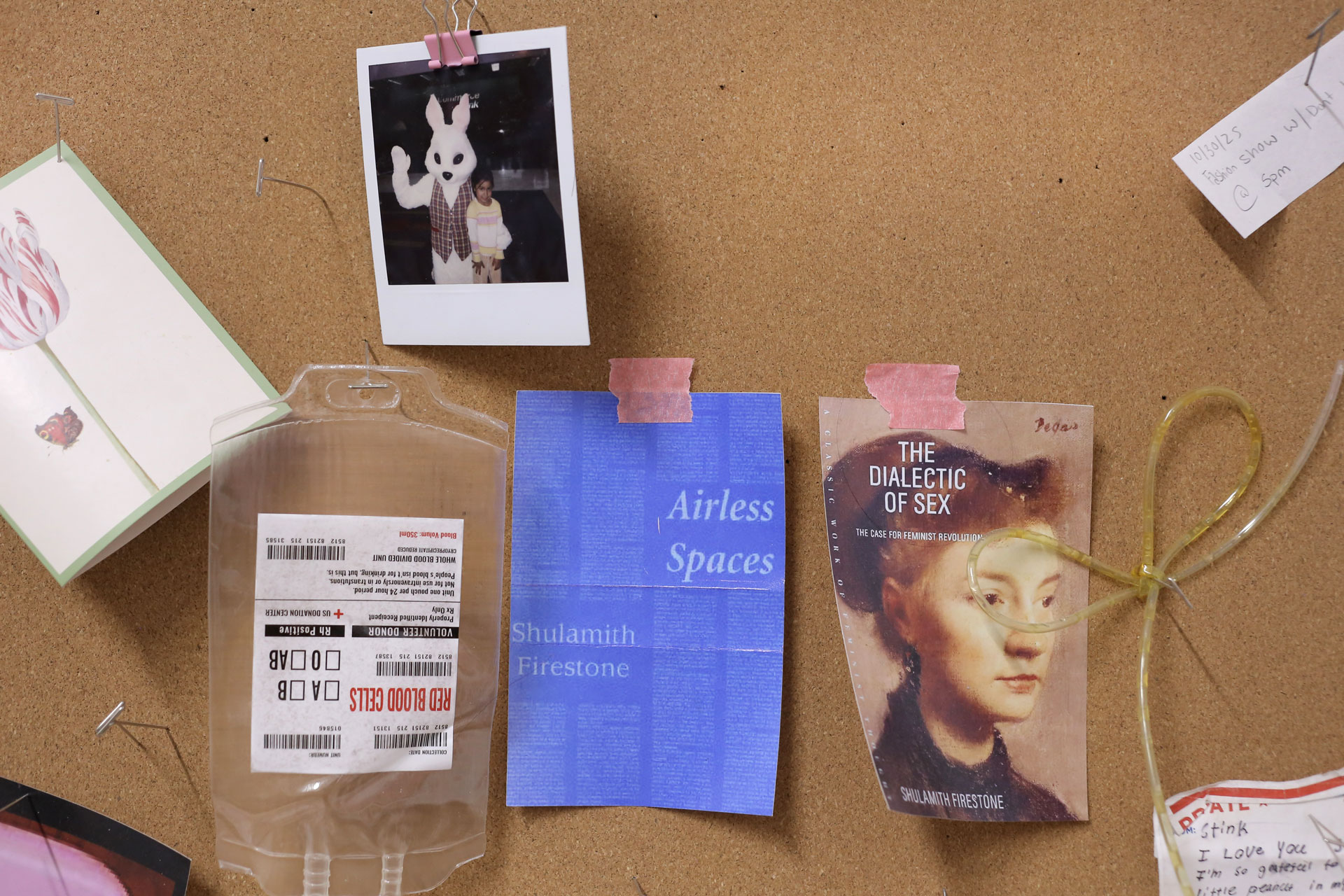
Every month I create a new “spider map”. This is somewhat like a mind map that sews together links, to photos, to sketches, to notations surrounding and branching off of a specific topic (11). The spider map is a breathing document that lives within the span of the first and the last day of any given month. When I’m not in the studio I treat the spider map as a dumping ground, a word I find interesting, a book I am recommended, a photo of a crack in the sidewalk filled with asphalt instead of cement. When I feel the knot forming in the palm of my hand from the repetitive motion of crochet, I pivot to cleaning up the dumping ground. Screenshots are parsed through and organized, I begin to further analyze why something caught my attention and I find the patterns within my findings. The board I am working on that month may have nothing to do with what is currently in production. I like to allow for an idea to ruminate, to gestate. I wait for the urge of impulse to to be so great it stops me in my tracks, (this piece was started mid sentence of my thesis book) (12). This method only functions because I’ve been doing this process of collection and accumulation for years, at this stage it’s self-sustaining even if I stopped consuming information. As productive as this method is for the way my brain works, it does make it harder when working for a show because deadlines are important and I’m not one to have a piece be dictated by a time constraint. This means the focus must be appropriately allocated, and I have to stave forks in my research for the meantime but it allows for the desire of what I want to explore and work on to grow ever more urgent.
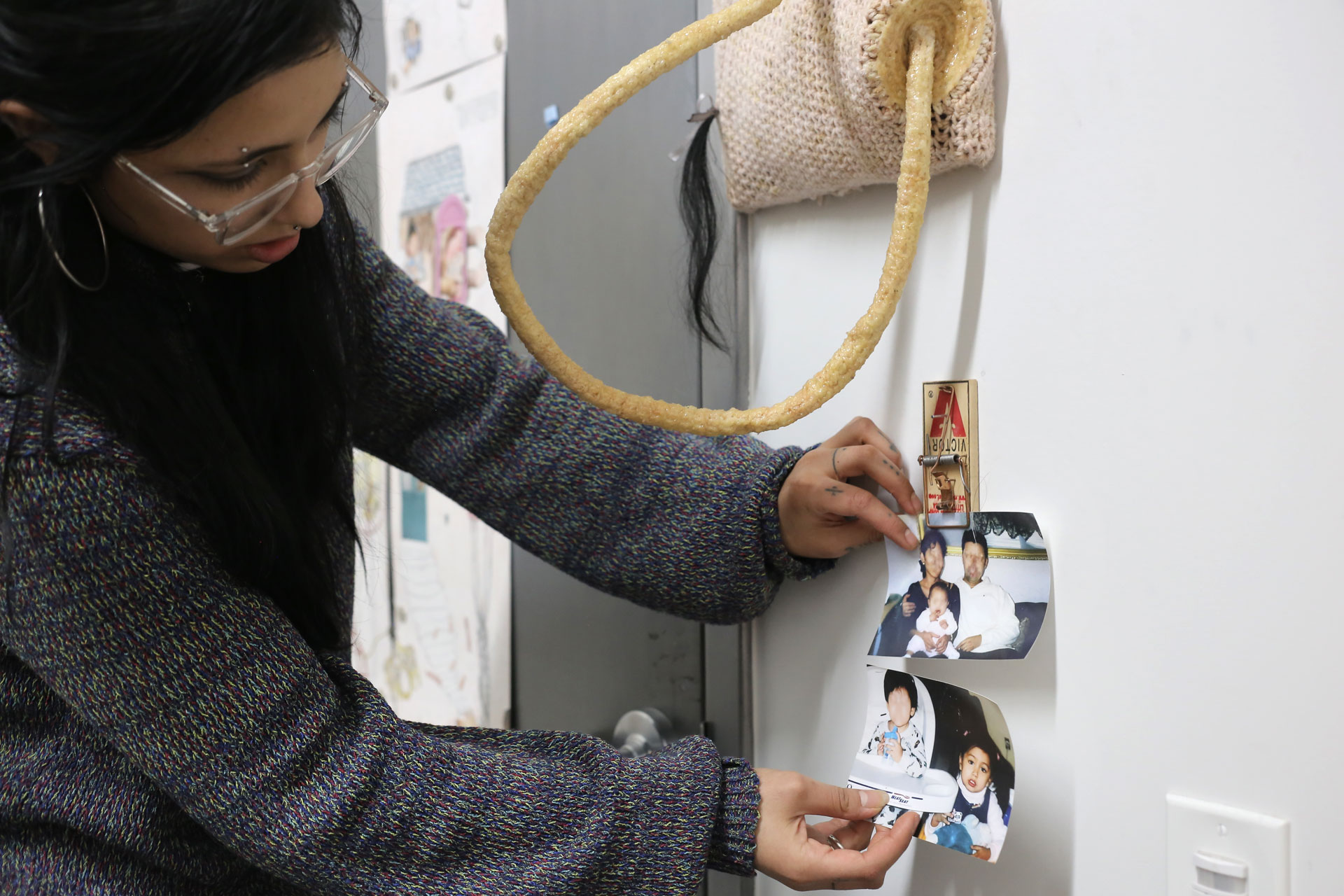
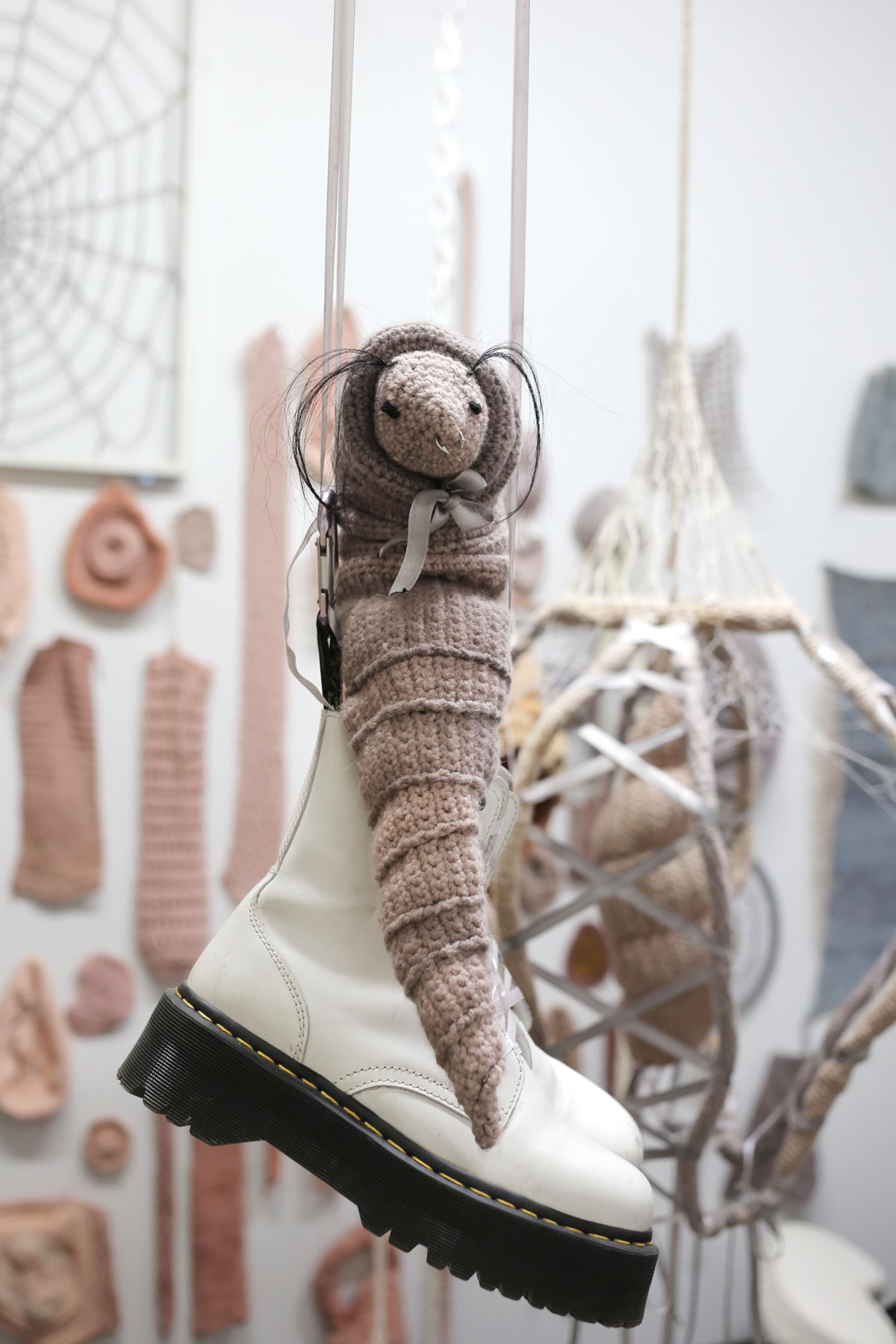
The piece I’m working on now is one derived from a memory of a clay unicorn I made at the hospital, the nurse breaking its horn and telling me the unicorn couldn’t have a horn because it’s too pointy, and there are no pointy things allowed in the hospital. This is a memory from over ten years ago, I’ve been thinking about it ever since, it finally feels ready to be executed.
Unicorns have a rich history in many cultures as well as within art. We used to believe unicorns existed, at least in the traditional sense we once conjured, and that their horns could purify water, heal ailments and solve our human woes. We looked for the unicorn to try and capture this healing power. A logic very akin to the way we have hunted for the tusks and horns of animals for their valuable ivory content. The first thing that comes to mind when I hear of the powers of the unicorn horn is how contradictory it is in conjunction with what the nurse told me a decade before. Why was my clay unicorn horn broken off if it theoretically symbolized the offering of a healing property? Obviously this is an illogical association but the humor and irony in it strike me nonetheless. Similarly, why was my yarn taken from me if it had previously been prescribed to help remedy mental anguish, wasn’t that what I was in there for?
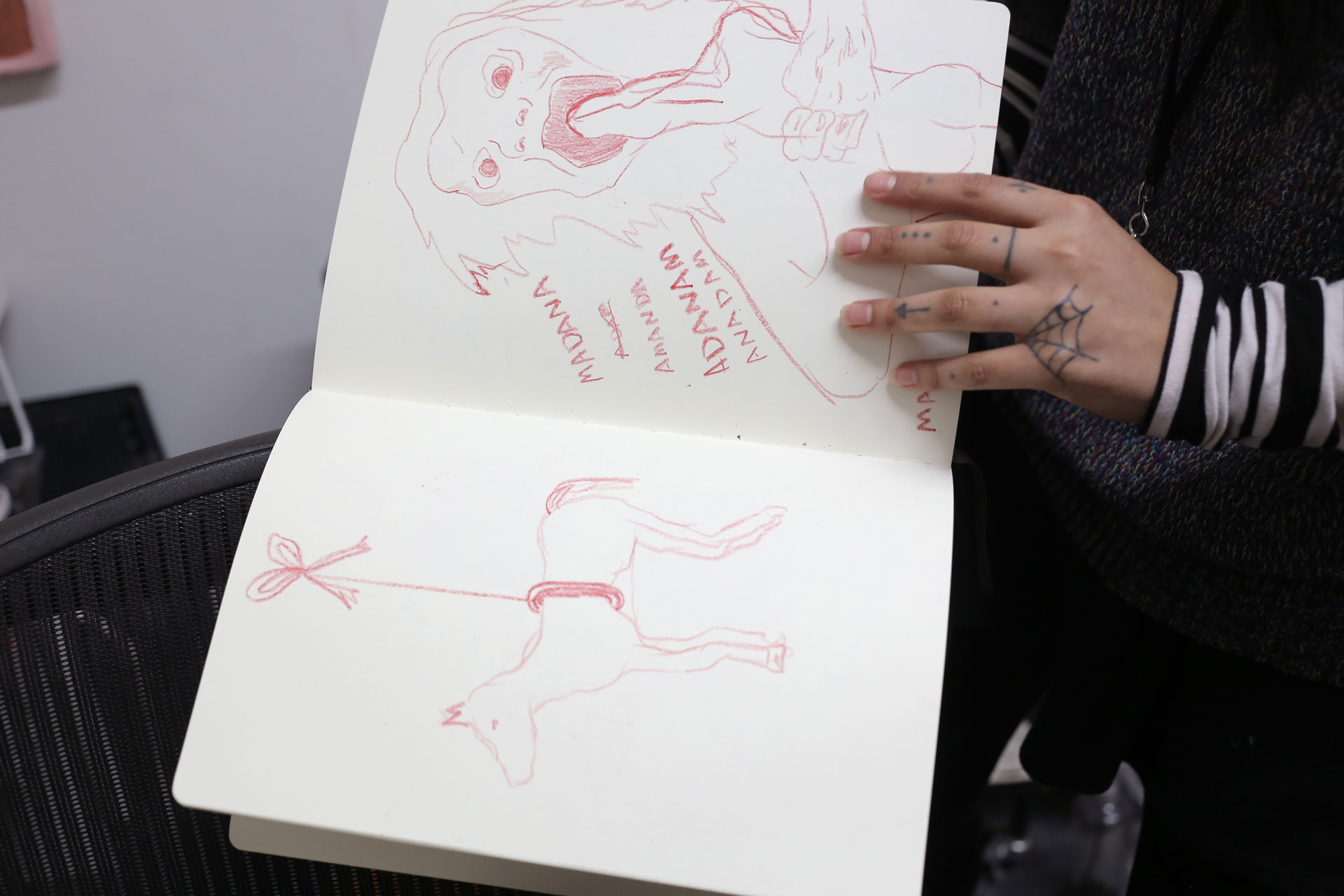
I’m of the belief that if something sticks with you, it’s important to see it through. Even if you don’t know what it’s importance is at the time. The universe or god or some secret third thing is telling you something, it’s a rabbit asking you to follow her through a hole, and you do so because, what else is there to do anyways. I’m interested in the parallels between de-horning a unicorn and psychiatric treatment (institutionalization and medication). In addiction communities there is this concept of the “unicorn syndrome”. It’s a suspicion coupled by logic and understanding that what you are doing is wrong and dangerous but that regardless of all that, you may just be the exception. You could engage in the addiction and not face its consequences. You can be the unicorn that survives despite all reasoning. If you’re familiar with any forms of addiction then you know this mindset quite well. The unicorn is rich in its history for a myriad of reasons; it’s a creature that exists in idea, a myth of sorts in legend alone, something that in reality is far uglier than we are led to believe (13).
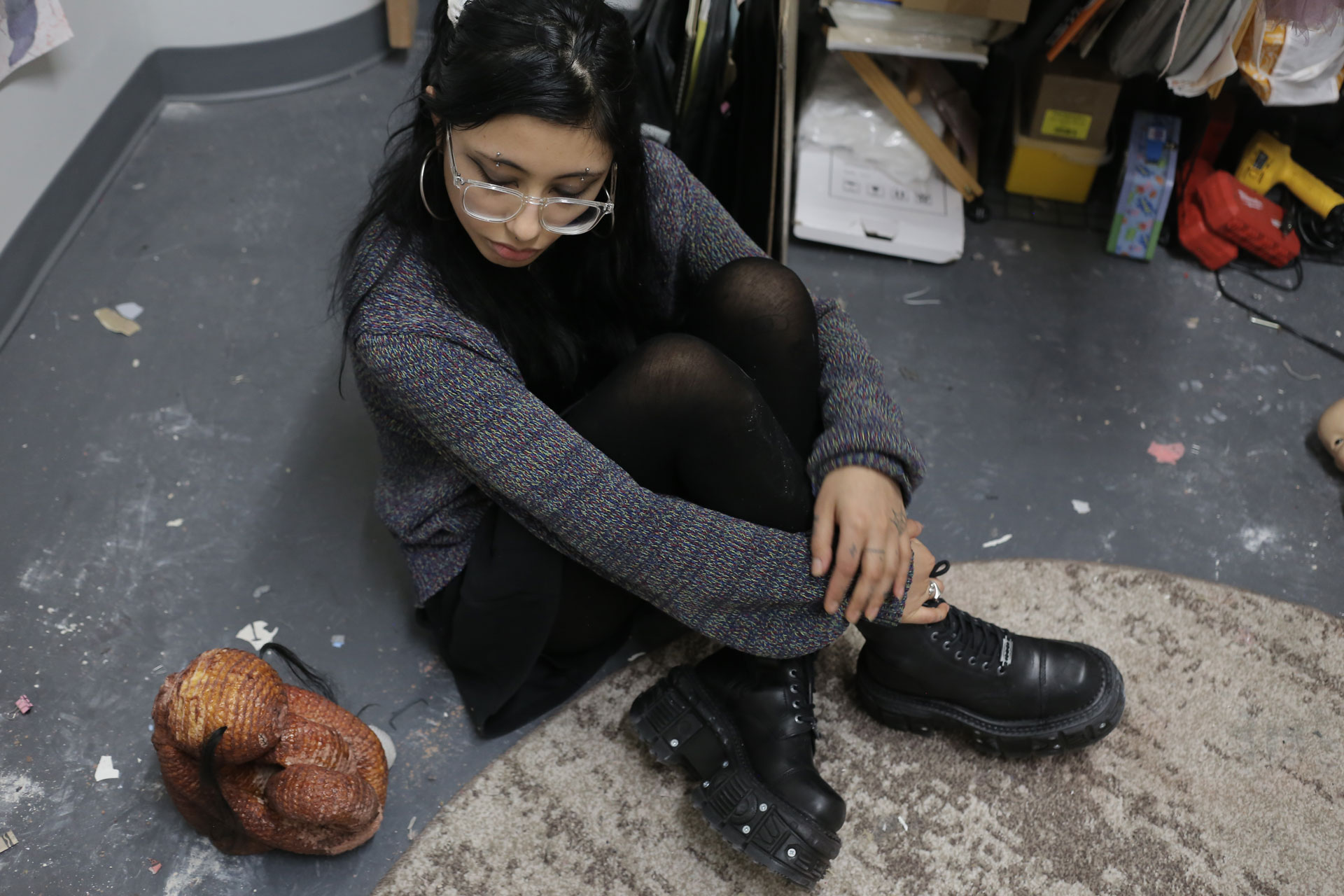
You can find out more about Ophelia Arc at @cease.and.perish // ceaseandperish.com
Photos: Anita Goes
2. medicalnewstoday.com/articles/the-controversy-of-female-hysteria#Female-hysteria-in-the-18th-century
3. psychiatryonline.org/doi/10.1176/ajp.2007.164.5.737
4 .aequor.com/resources/the-roots-of-occupational-therapy/
5. mdhistory.org/exhibitions/wild-and-untamed/
6. nosubject.com/Jouissance
7. tiktok.com/t/ZP8fA4tgc/
8. quiltershalloffame.net/william-rush-dunton-jr/
9. ceaseandperish.com/palimpsests/crueltytoanimals
10. are.na/block/42735959
11. en.wikipedia.org/wiki/Spider_mapping?wprov=sfti1#
12. ceaseandperish.com/flayings/harm-and-repair-dependency-cycle-intro
13. are.na/block/42738130