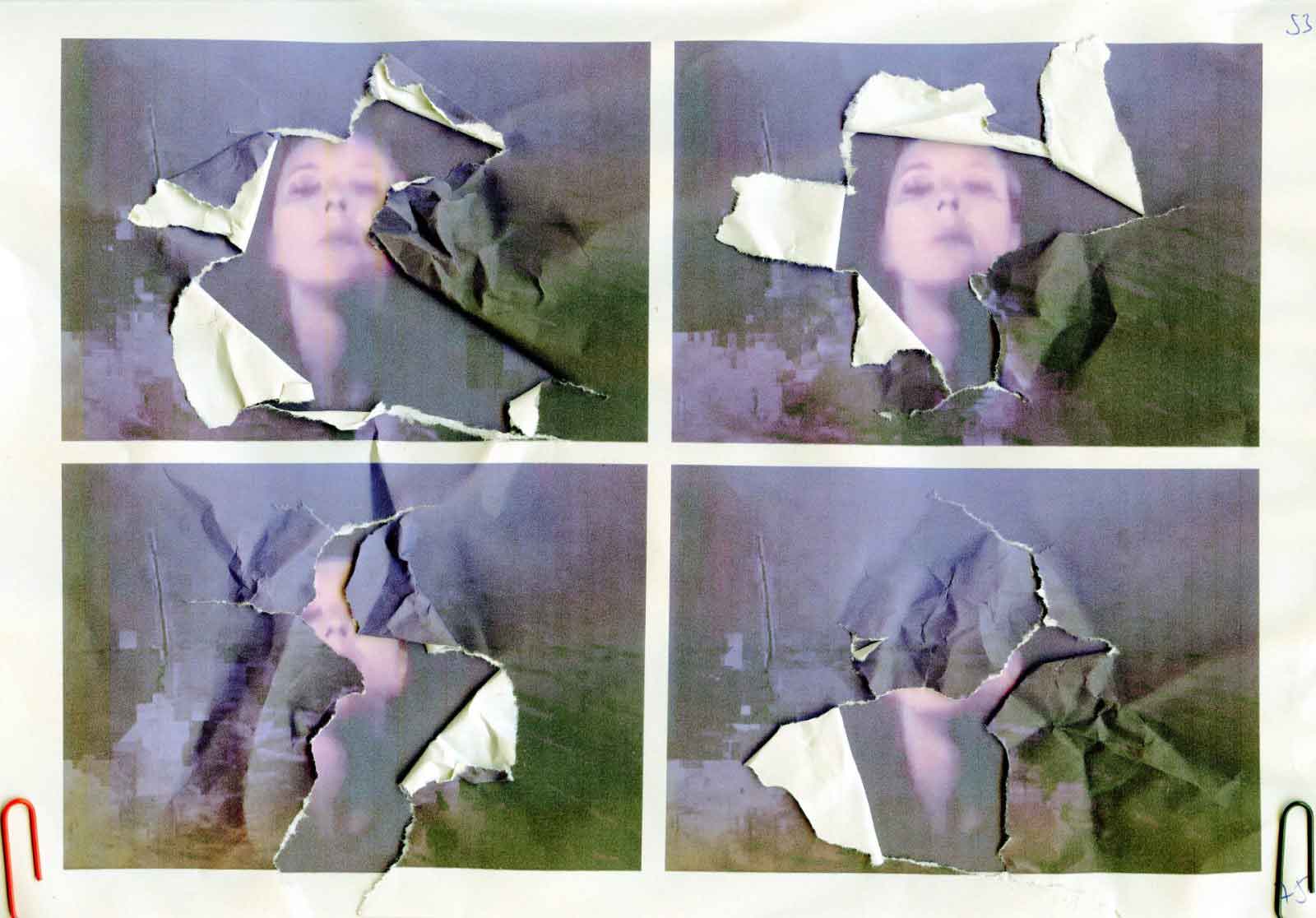
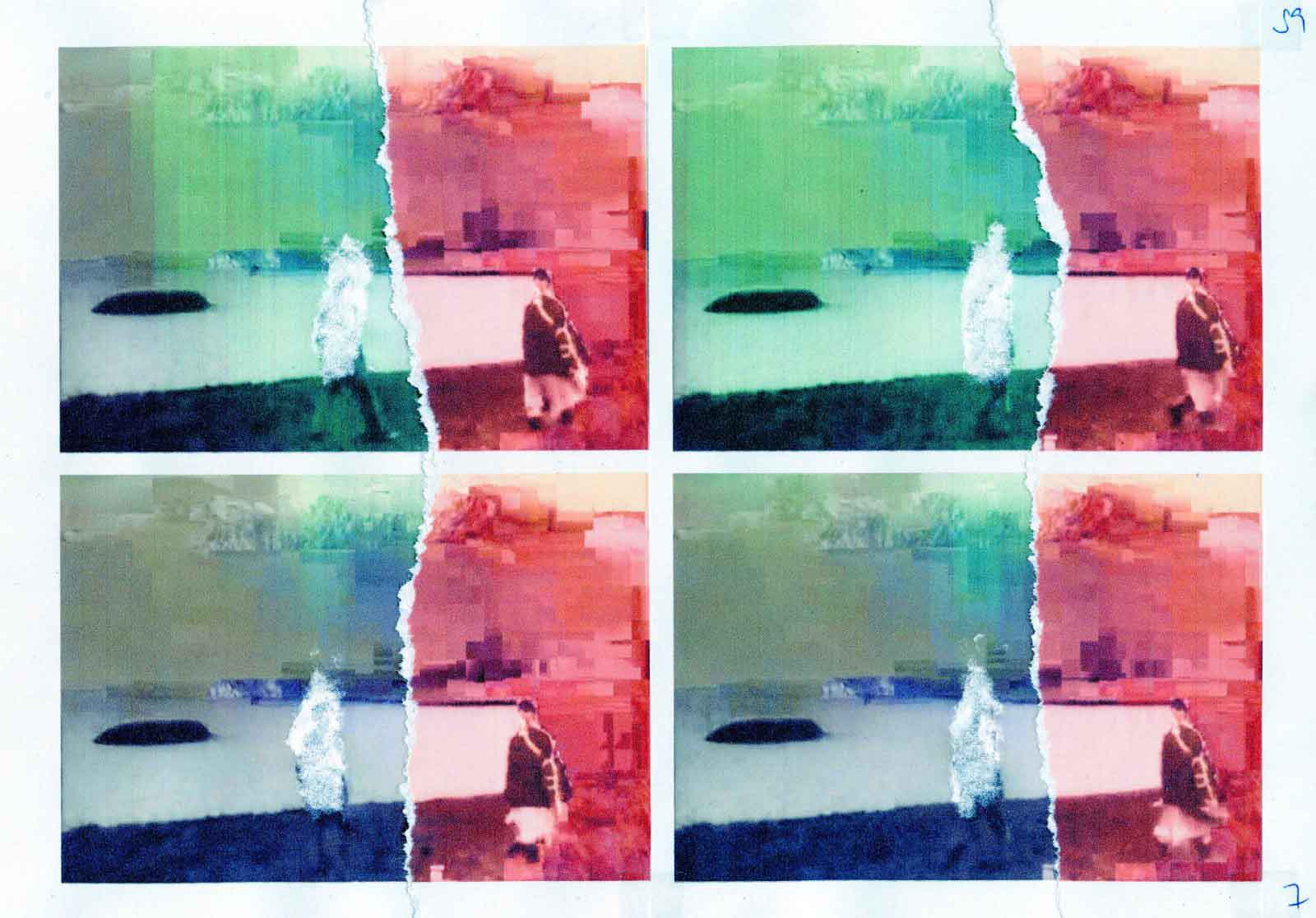
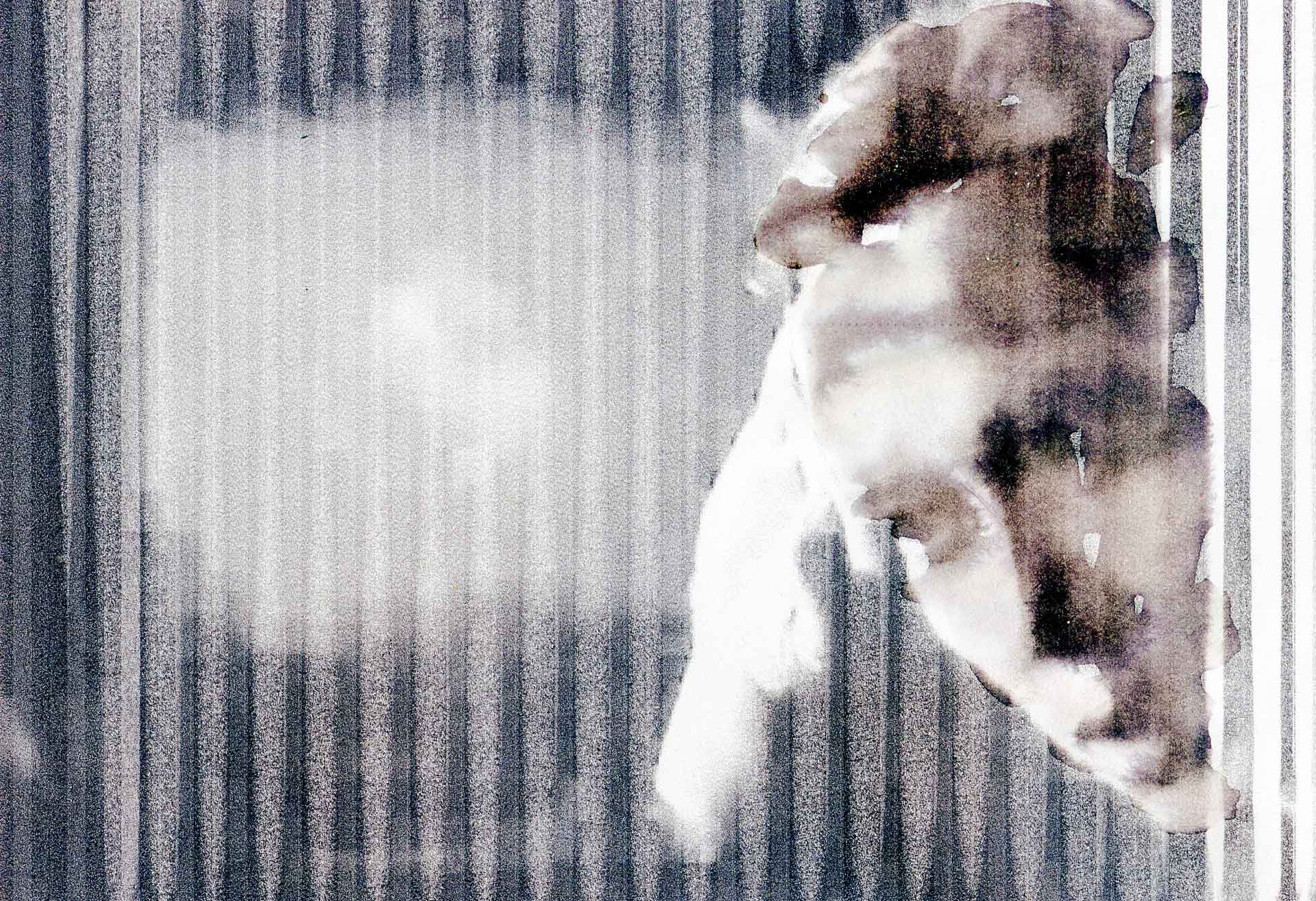
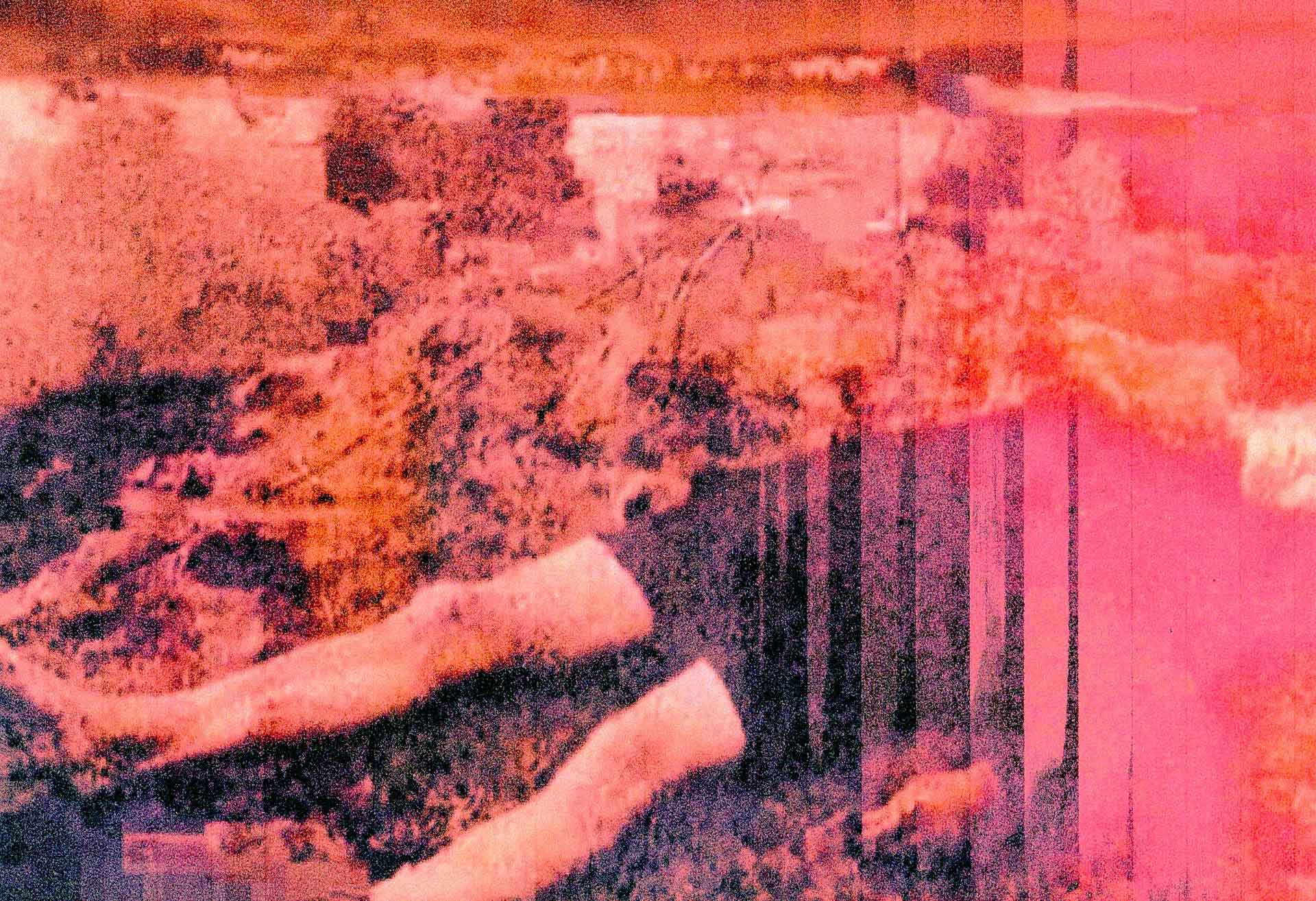
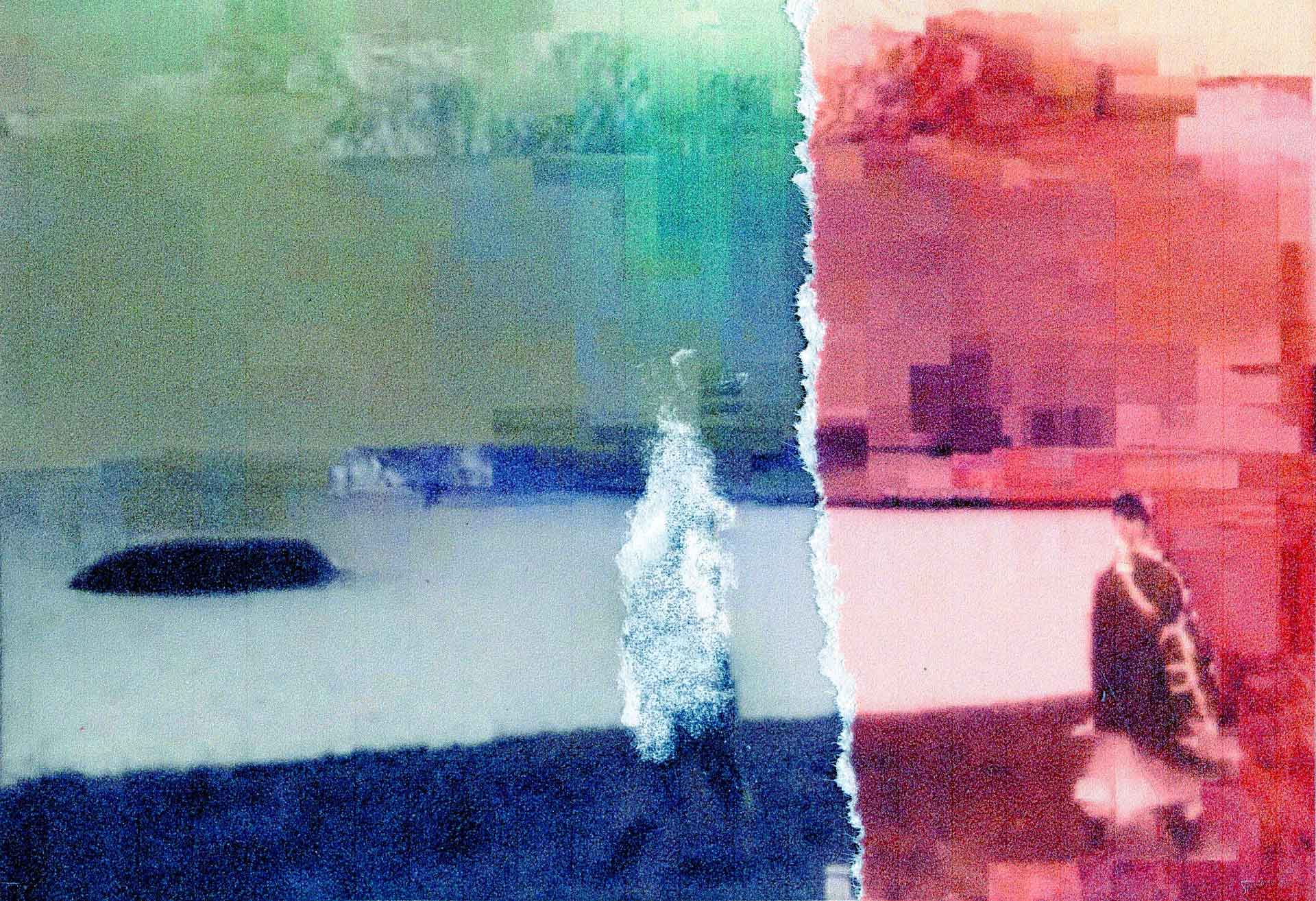
ölmondnacht, a film by Anna Malina, emerged as a visceral response to Russia’s invasion of Ukraine in 2022—the country where she was born. As harrowing images flooded social media, the overwhelming sense of devastation and helplessness became impossible to ignore.
The film became a way for Malina to process the violence she was witnessing from afar. She describes it as a kind of revenge fantasy—ultimately futile, yet necessary—a means of grappling with visions of terror that resist resolution. It is the expression of a distant observer confronting catastrophic events: a space where sadness and anger are reworked through the language of cinema, drawing on and reinterpreting the fictional worlds of Yevgeni Yufit.