Ghost
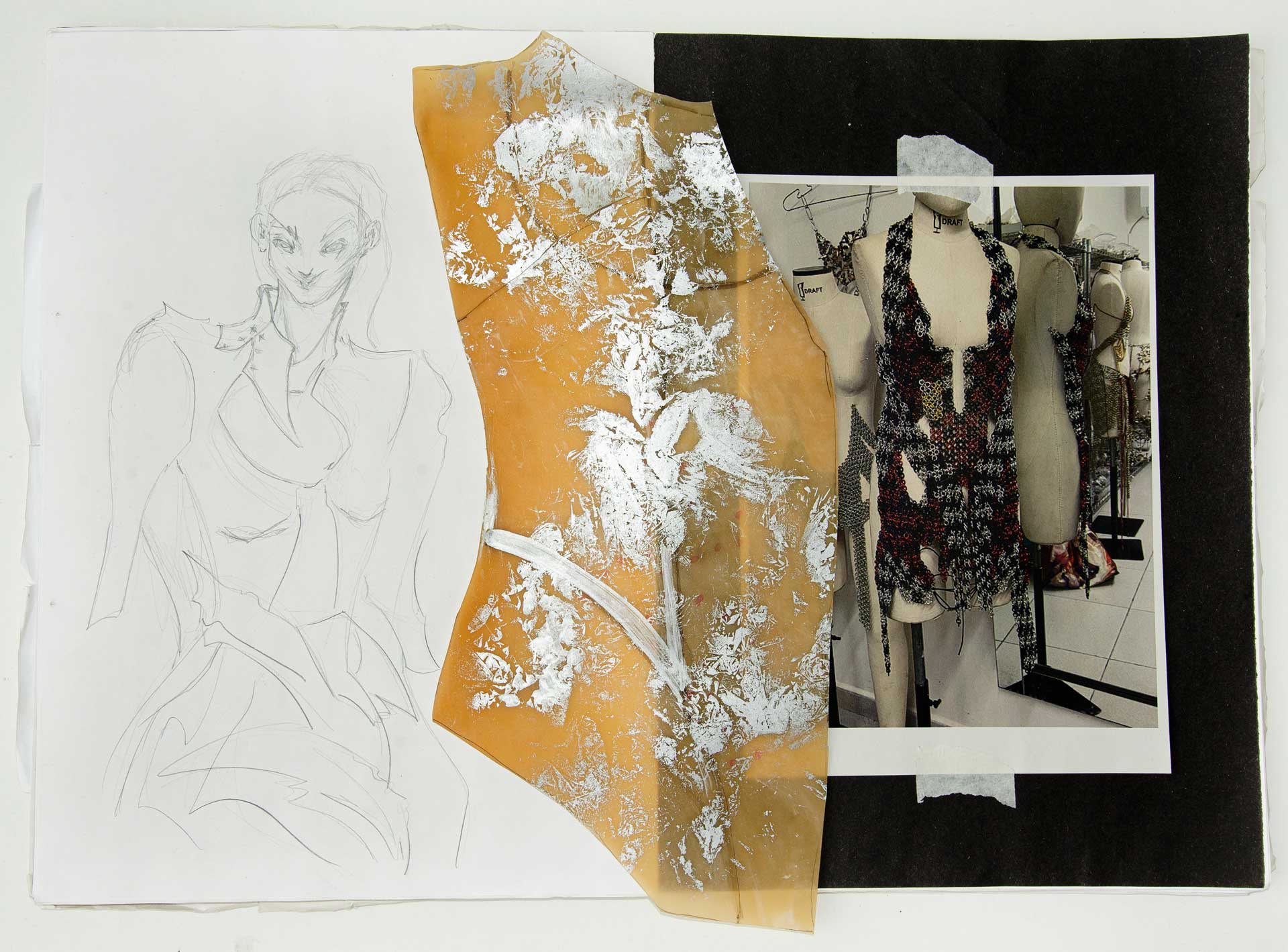
I like to think of my work as something that always carries a void—or rather, a reminiscence, a trace of something that was once there: a ghost. Even though most of it takes the form of sculpture, there is a conceptual matrix derived from printmaking—the existence of a unique initial object that dictates the construction of the final ensemble. In many pieces, I feel that the part is greater than the whole, and that the process is more present than the final object itself.
Obsession
I do not think much about the finished object, nor do I usually sketch more than a vague idea of a silhouette. The truth is that I work through the impulse of making—an intuitive and obsessive impulse. Our country, and therefore our reality, is intrinsically violent, and I cannot imagine a relevant practice that does not also carry a certain violence in its own form, whatever that form may be. For me, practice is a kind of addiction, and within its body sensuality and pain are essential.
Resilience here is one of the pillars of radicality: the pleasure found in the unequivocal existence of a gesture repeated countless times—violent in its order and silence.
The Act of Adornment
I build objects to adorn, and I adorn in order to construct meaning. For a long time, I thought that having a brand in the field of fashion meant creating a coherent range of products. Eventually, I realized that it is truly about creating a new reality—a parallel universe—and enchanting people into entering it.
In this sense, fashion and art resemble each other: it is necessary to create a world of one’s own, where the theory that originated it can prove and sustain itself independently of its plausibility in any other world, whether physical or imaginary.
Order and Decoration
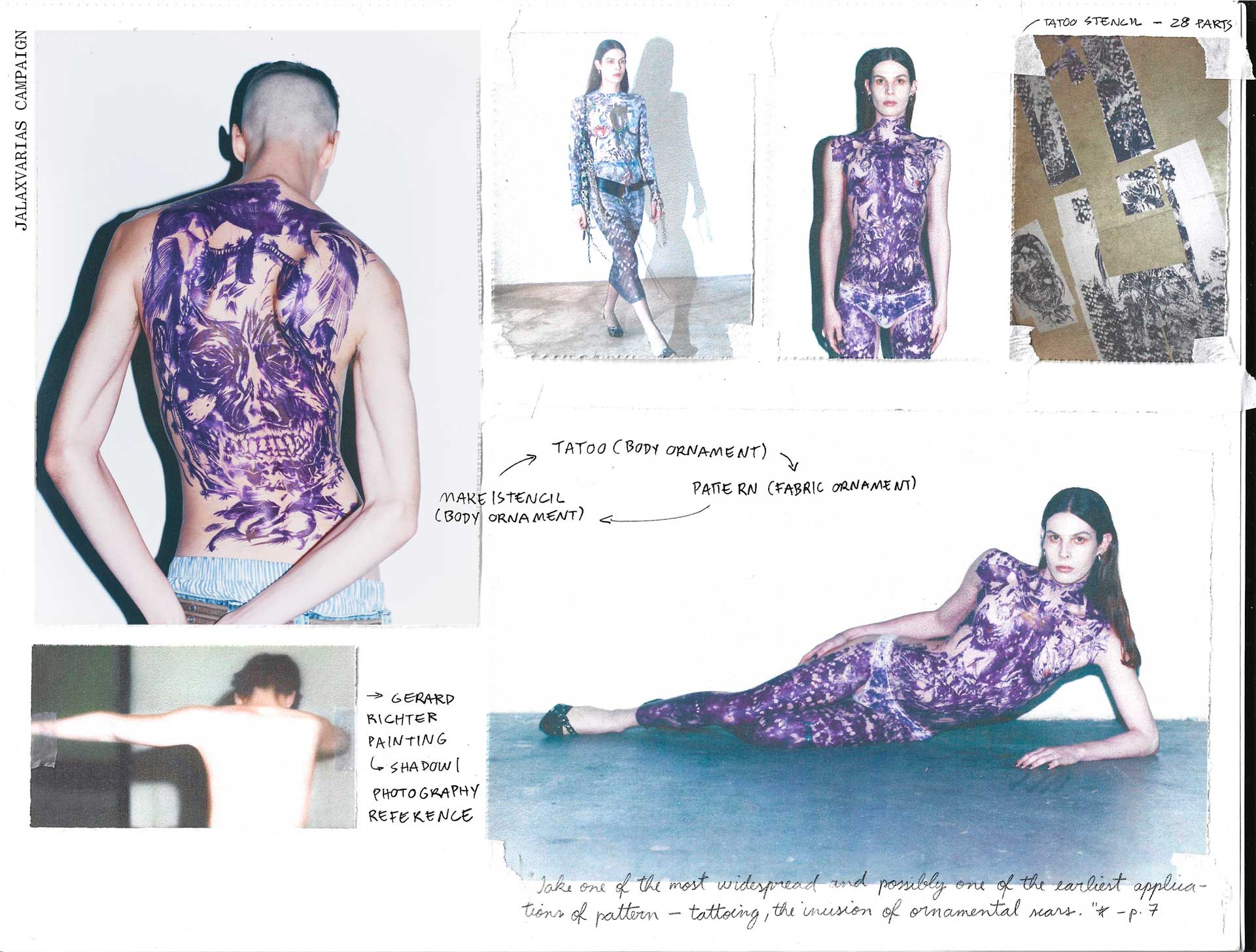
Across the different areas of my practice, I often think that my interest lies in constructing objects and destroying images. Both, however, follow a similar “ghost principle.” They are generated through a violent process of addition that ultimately destroys the initial signs and creates an amalgam of remnants.
This means that it becomes difficult to recognize the elements that compose the work and their original positions. Yet their construction is governed by an internal logic of repetition that follows an ordered system with applied variations—a practice similar to craft, or in its expanded form, decoration.
The Body and Faith
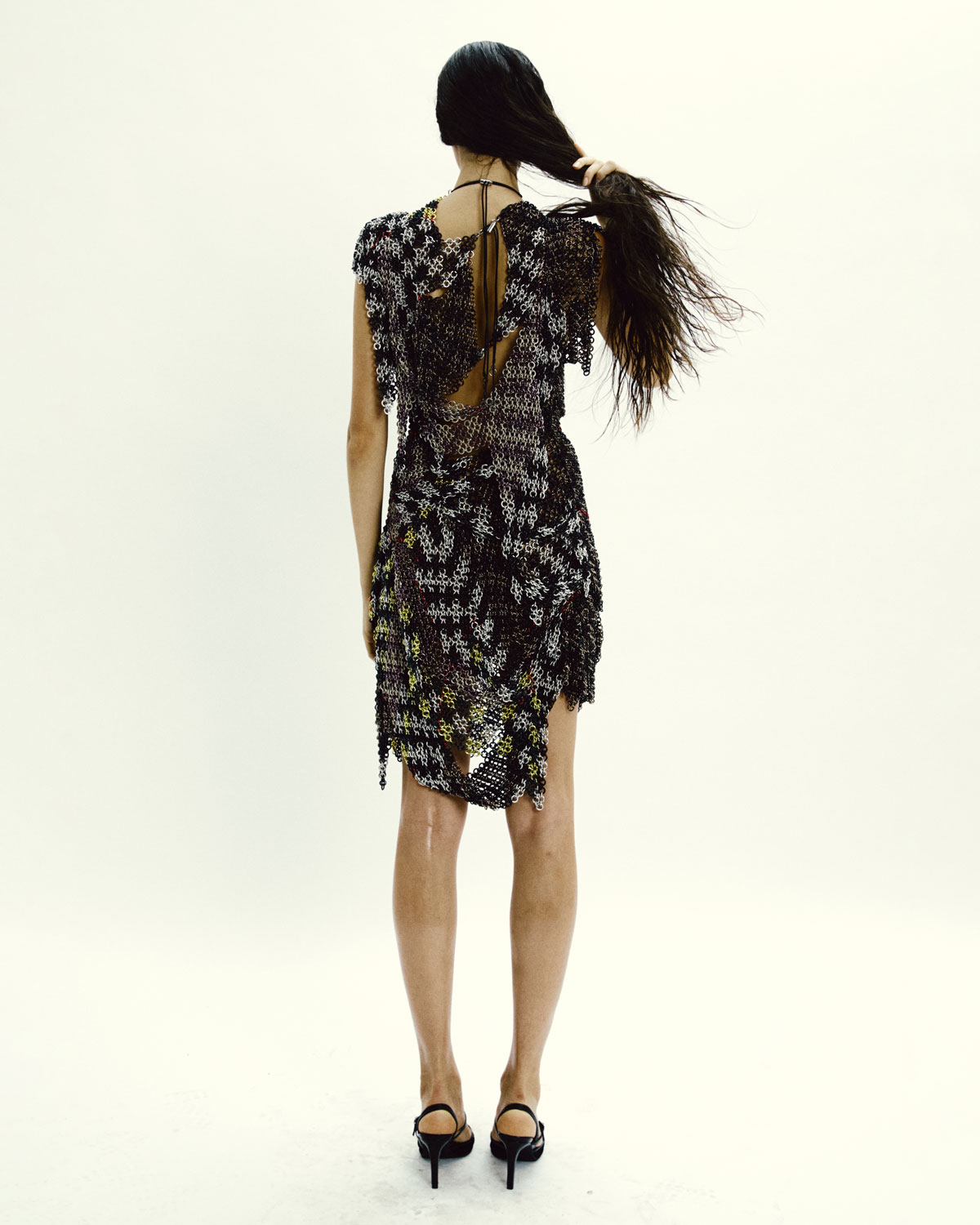
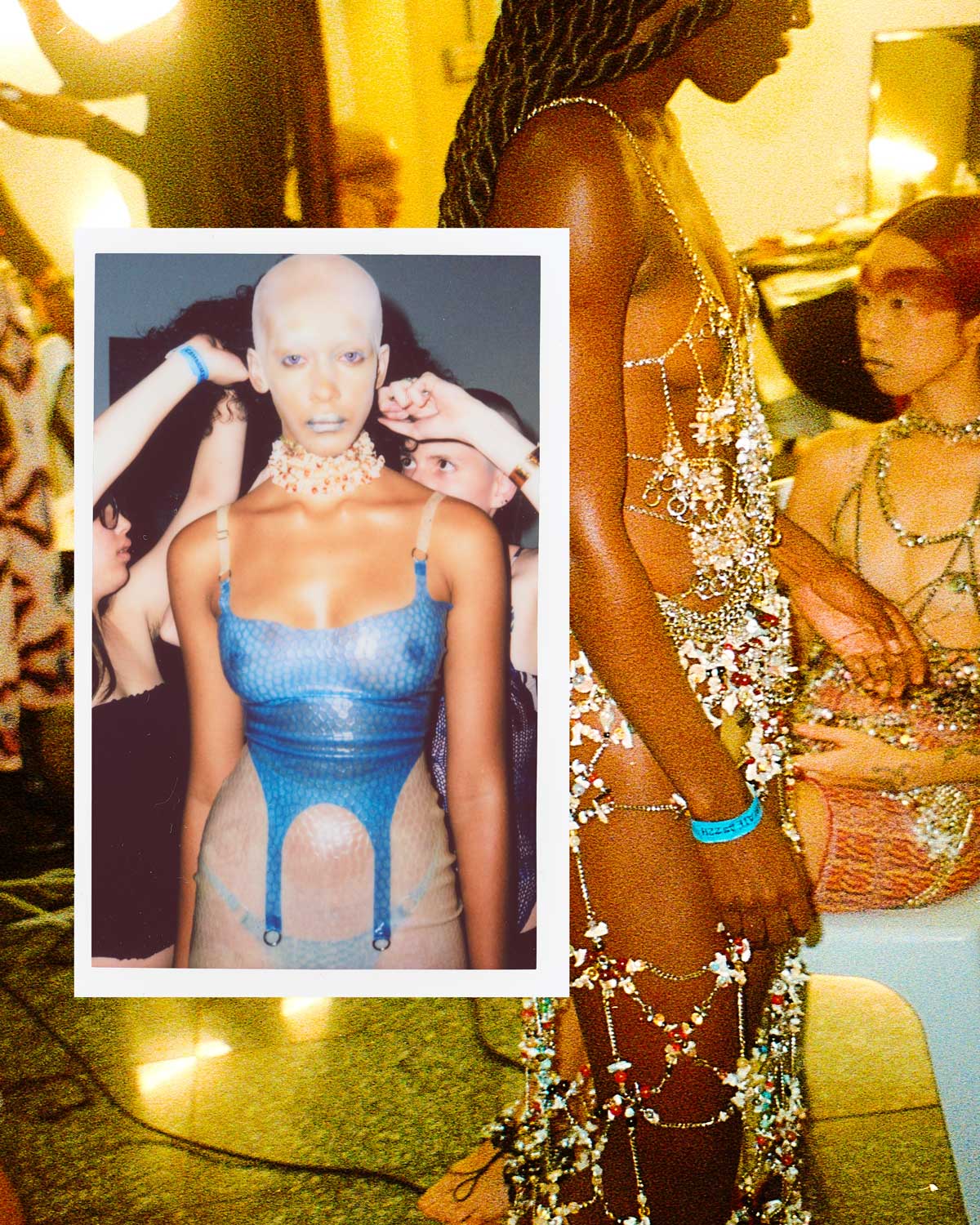
The idea of decoration particularly interests me at its intersection with religion. I often think of clothing or tattoos as the ornamentation of a temple. If the constructed object is the ghost, the body that wears it becomes the illustration of the mystical itself—uncertain, alive, present, mutable.
Faith is another fundamental concept that shapes my practice. There is no making without dream and belief.
Carnival
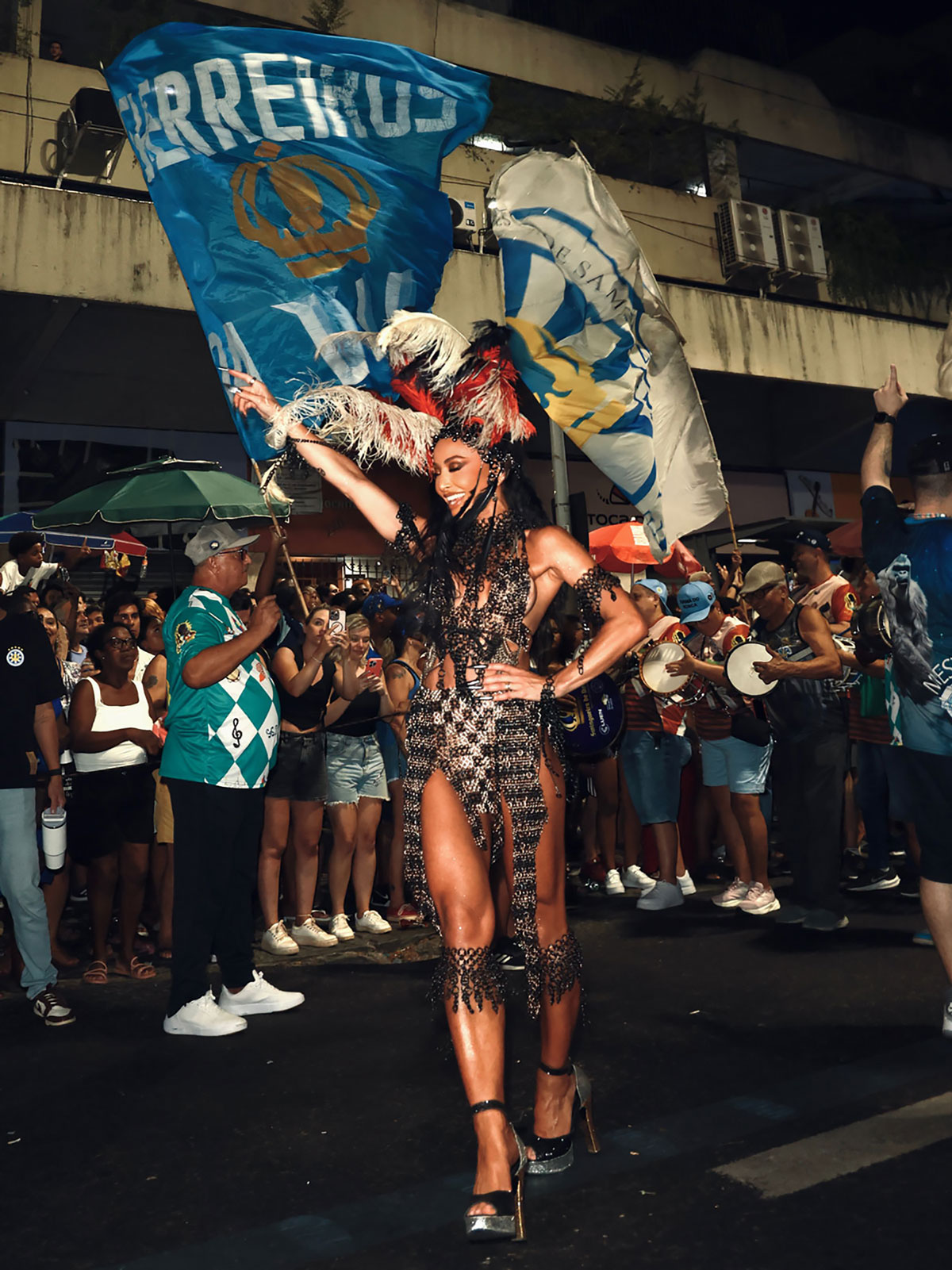
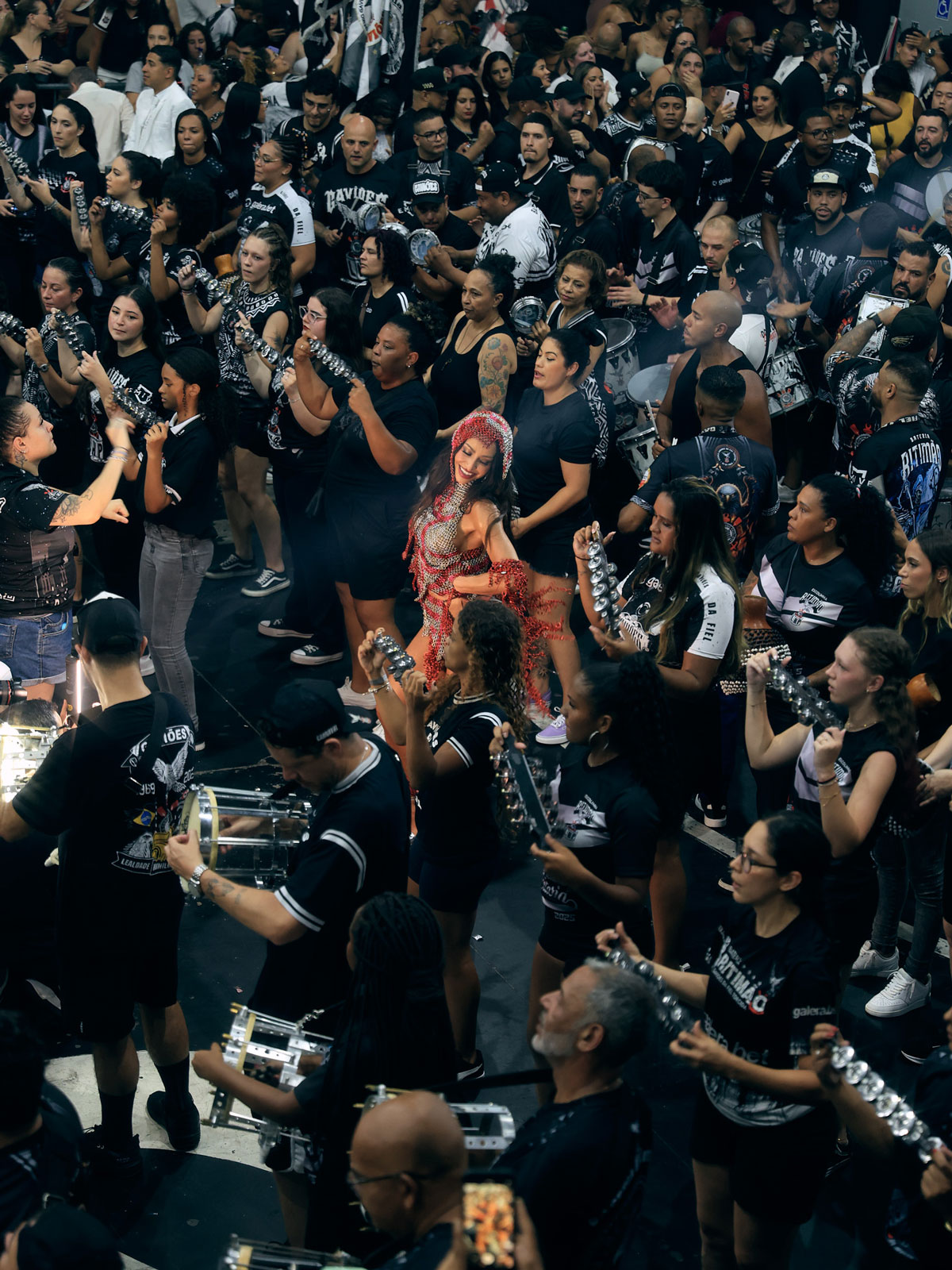
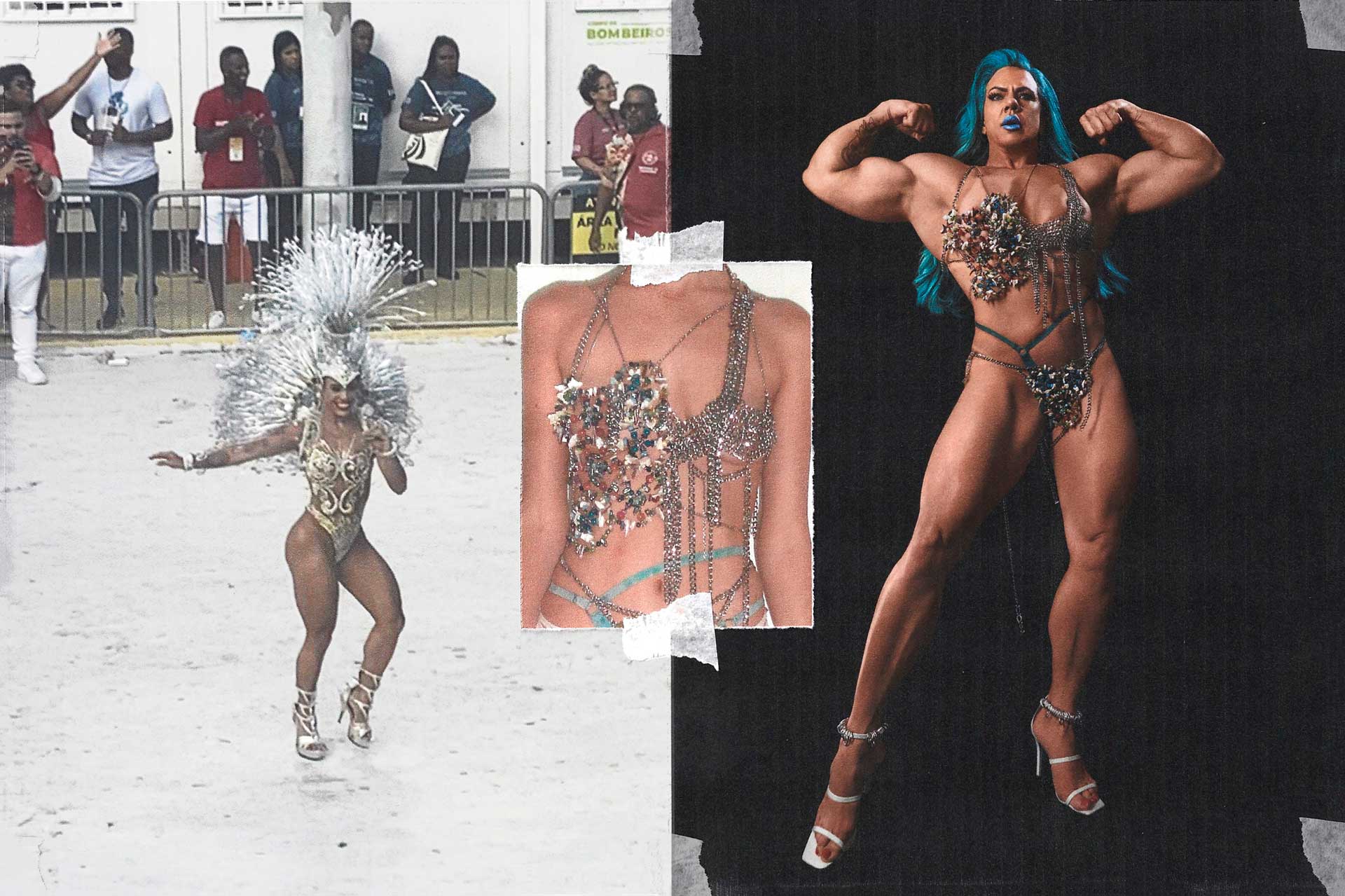
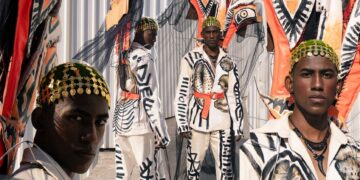
Faith is also one of the central questions of Carnival. Witnessing a parade means being overtaken by a sense of the absurd: the samba-enredo as mantra, the magnificence of the floats as a realized utopia. Persistent repetition filled with variation unfolds across the different sections, creating its narrative and, through it, its own kingdom—both earthly and divine.
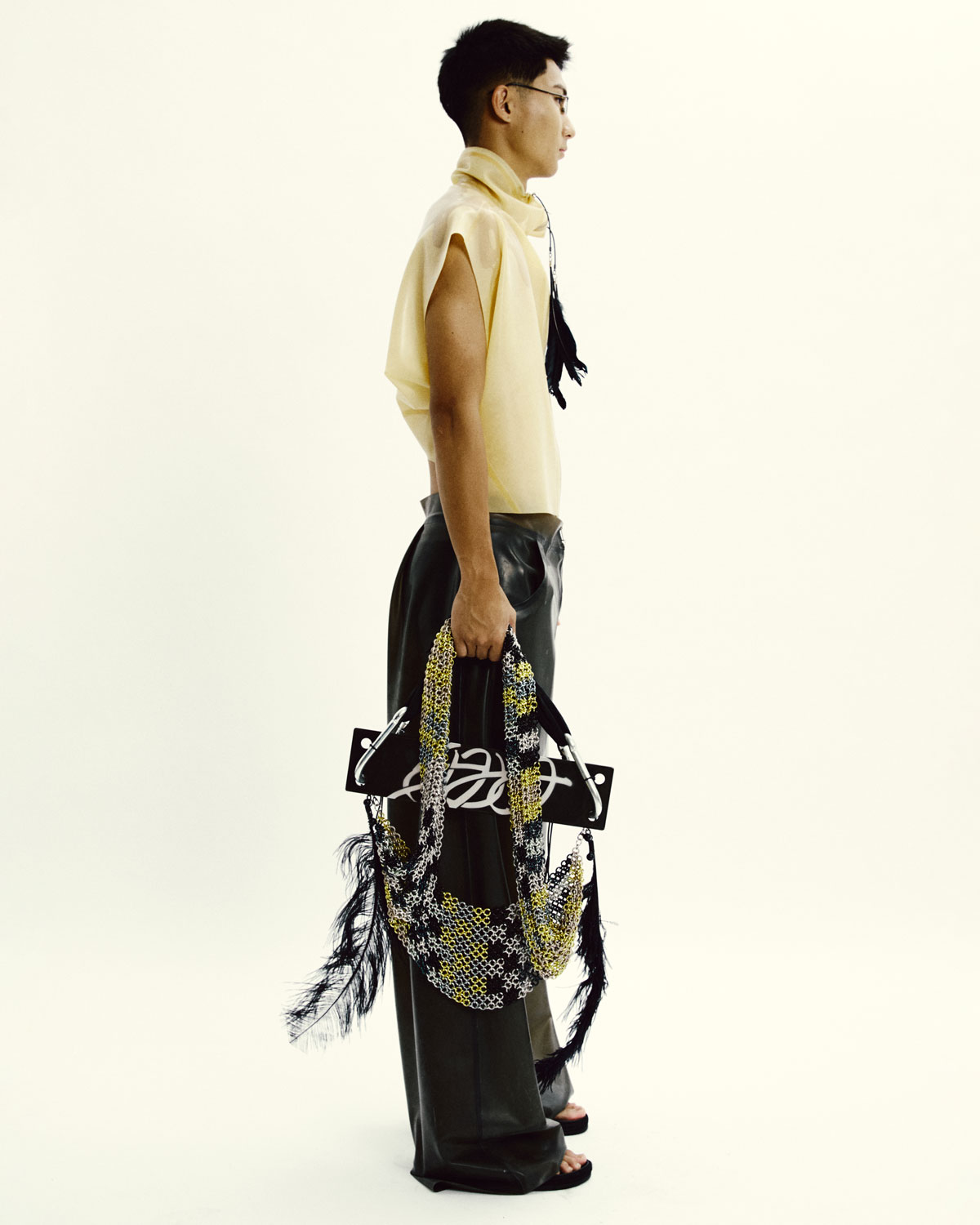
Carnival taught me how to perceive color progression—like when the color of a small goose feather detail at the tip of a spear in one costume reappears as the color of the ostrich feather backpiece in the next, expanding in form and intensity.
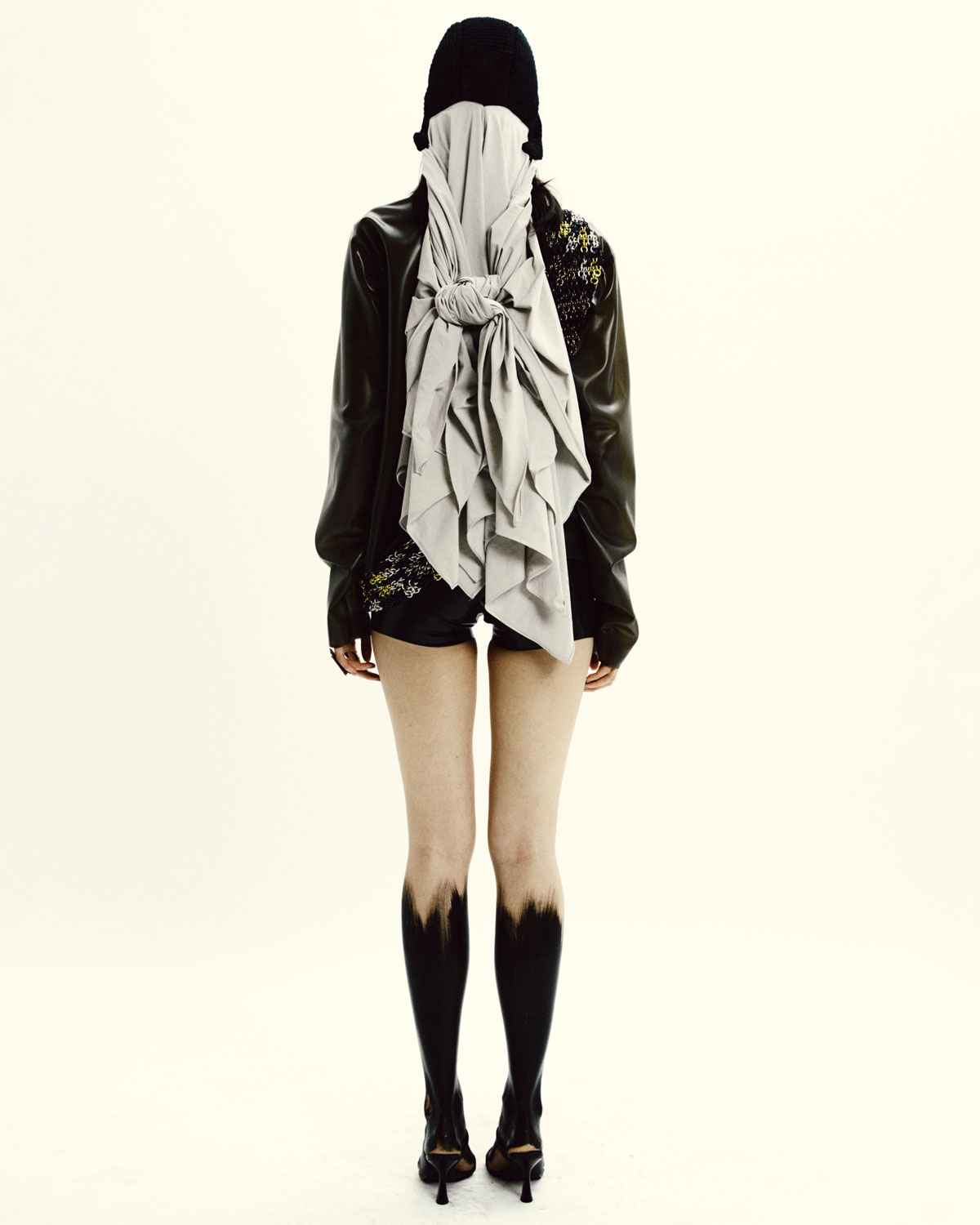
Carnival also taught me to see materiality: when a headdress made of thousands of shiny plastic fringes appears in the next section transformed into a straw balaclava. Carnival gave me a sense of belonging and community, and the certainty that the impossible is the only path forward.
The costume is not a representation; it is the very truth of its empire embodied in form, as long as the drums continue to play.
Checkered Pattern and Module
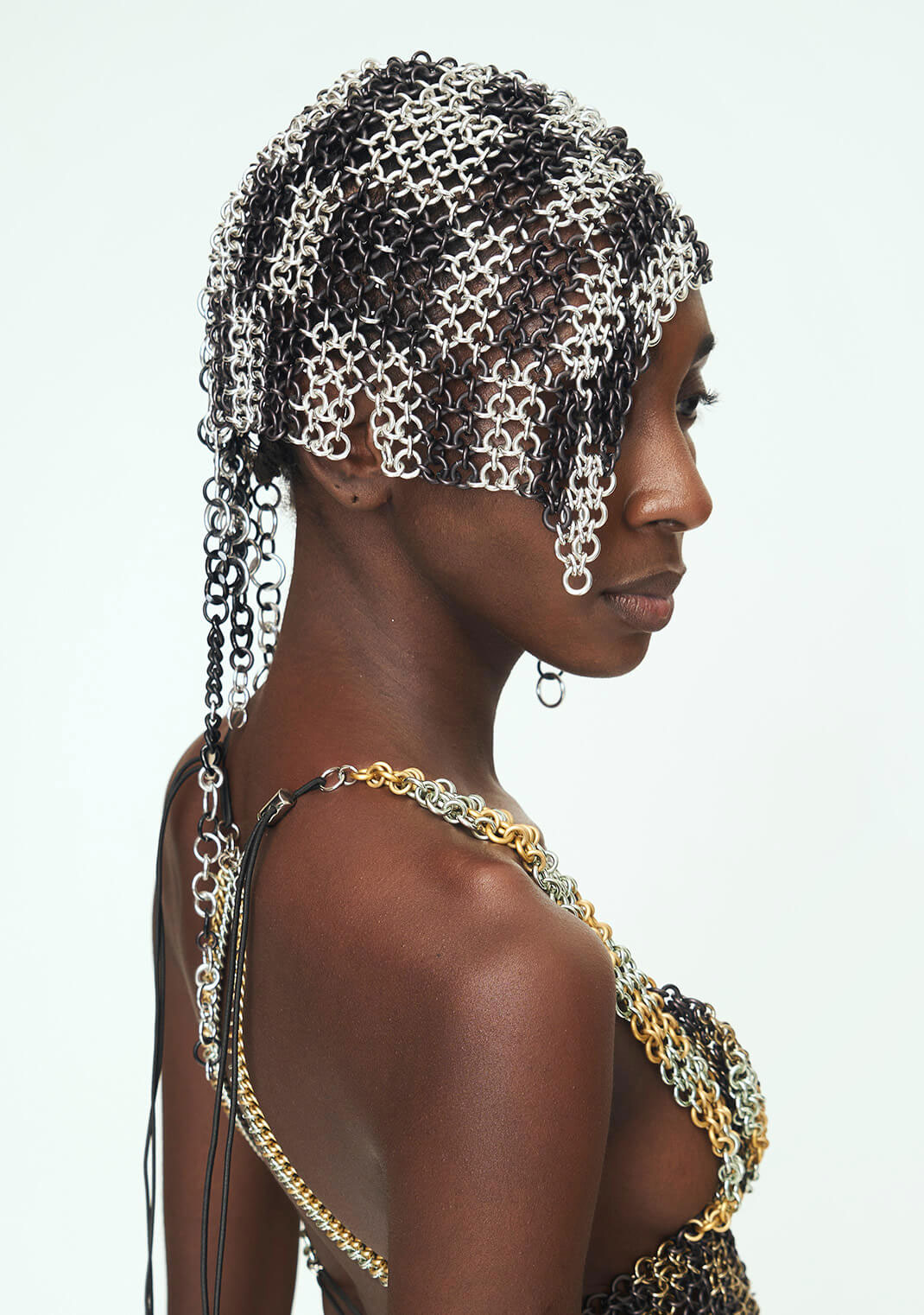
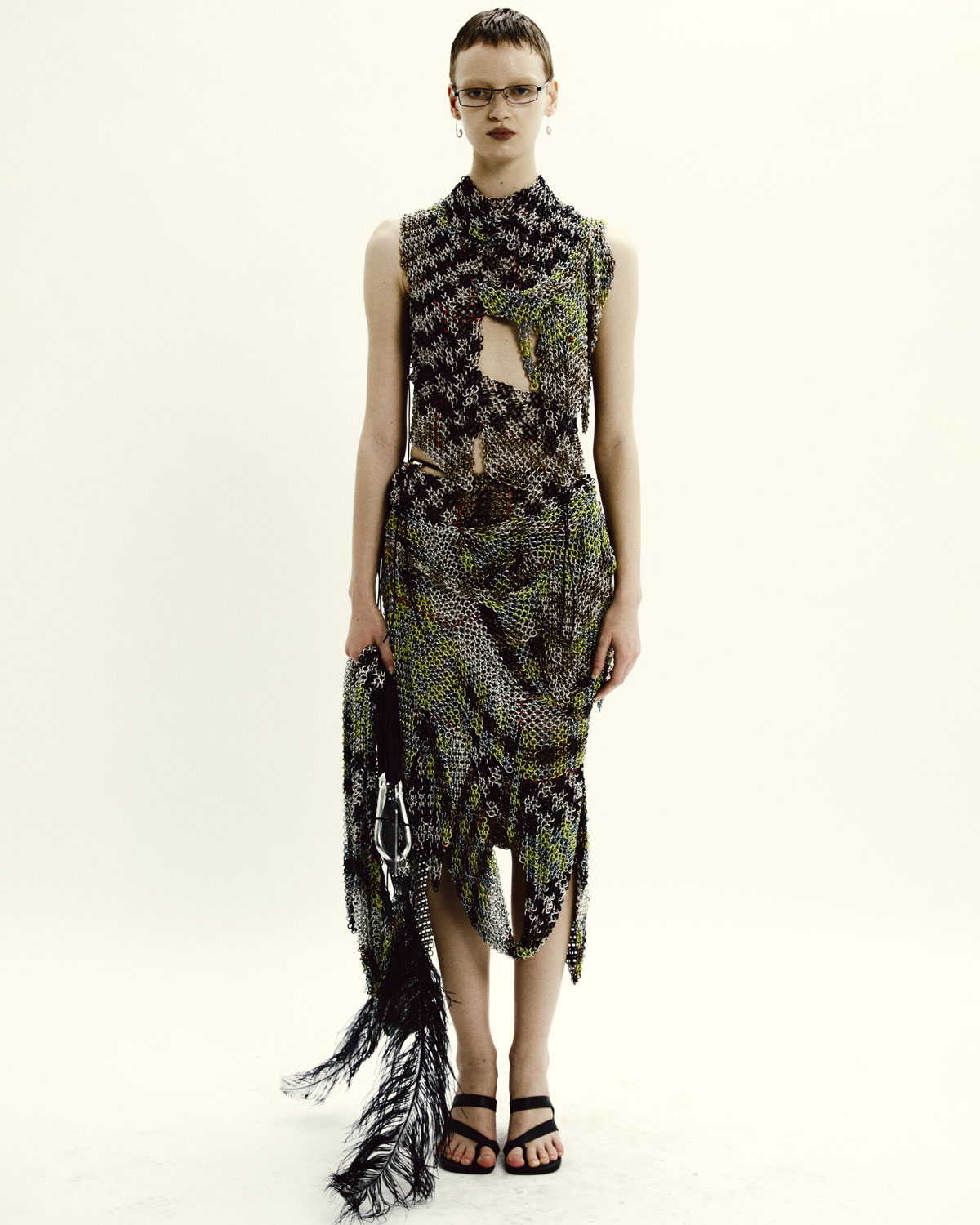
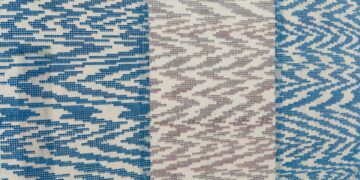
One of the foundations of my work’s construction is the use of the checkered pattern, both as an aesthetic element and as a guide. Aesthetically, the checkerboard refers to certain personal areas of interest such as games, circus imagery, and prints. The idea of play—more fundamentally that of addiction, desire, and risk—is the most important.
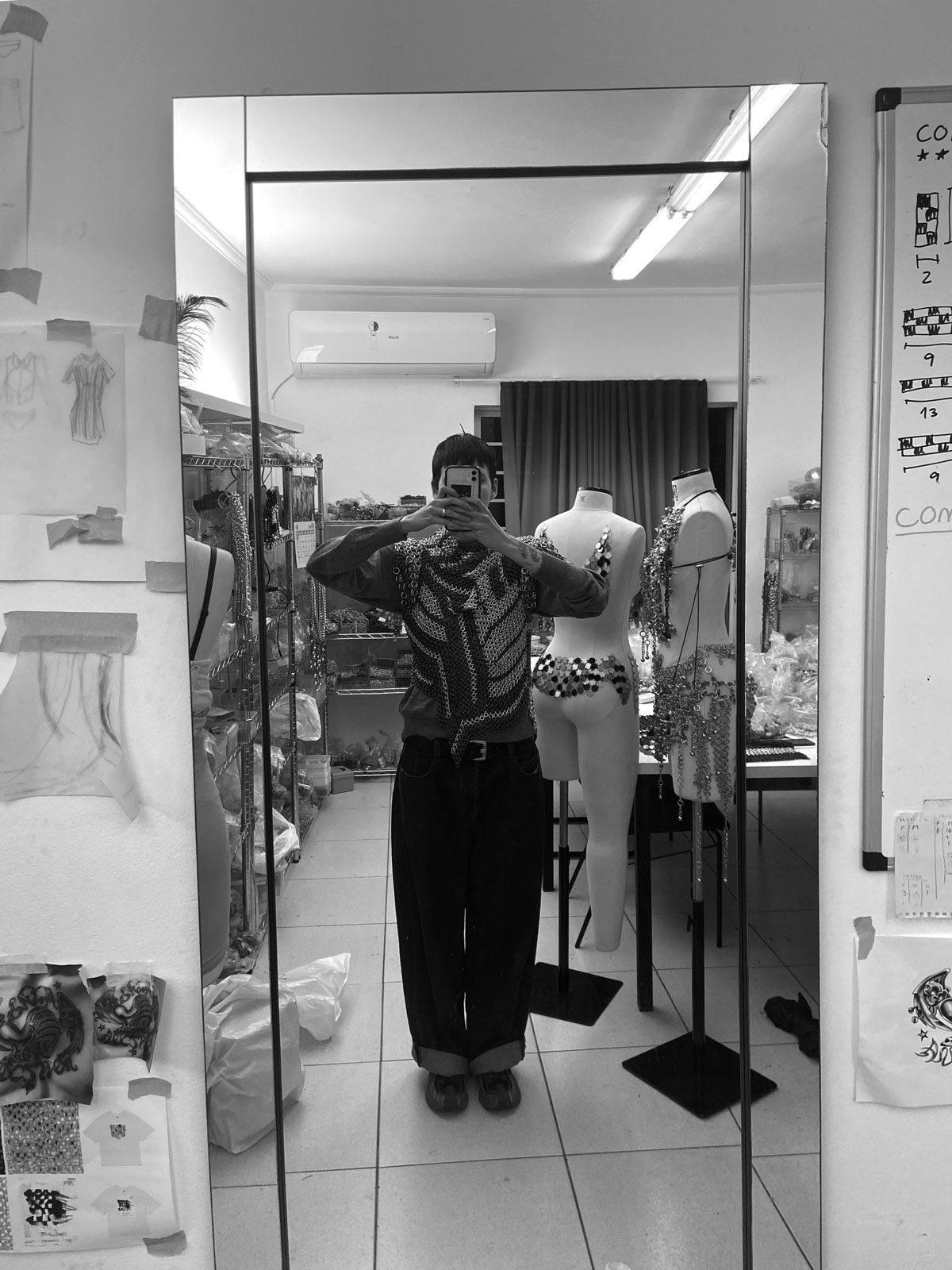
The checkered pattern is also a way to create and replicate structure. From it, modules can be generated and their positions visualized once inserted into a piece. For example, when making an L-shaped module, it is possible to determine which color begins in the upper-left corner and the direction it follows, considering that all ring connections are made in the same direction.
In this way, simple or highly complex patterns are built from the same principle and can be reproduced by a trained eye.
Composition
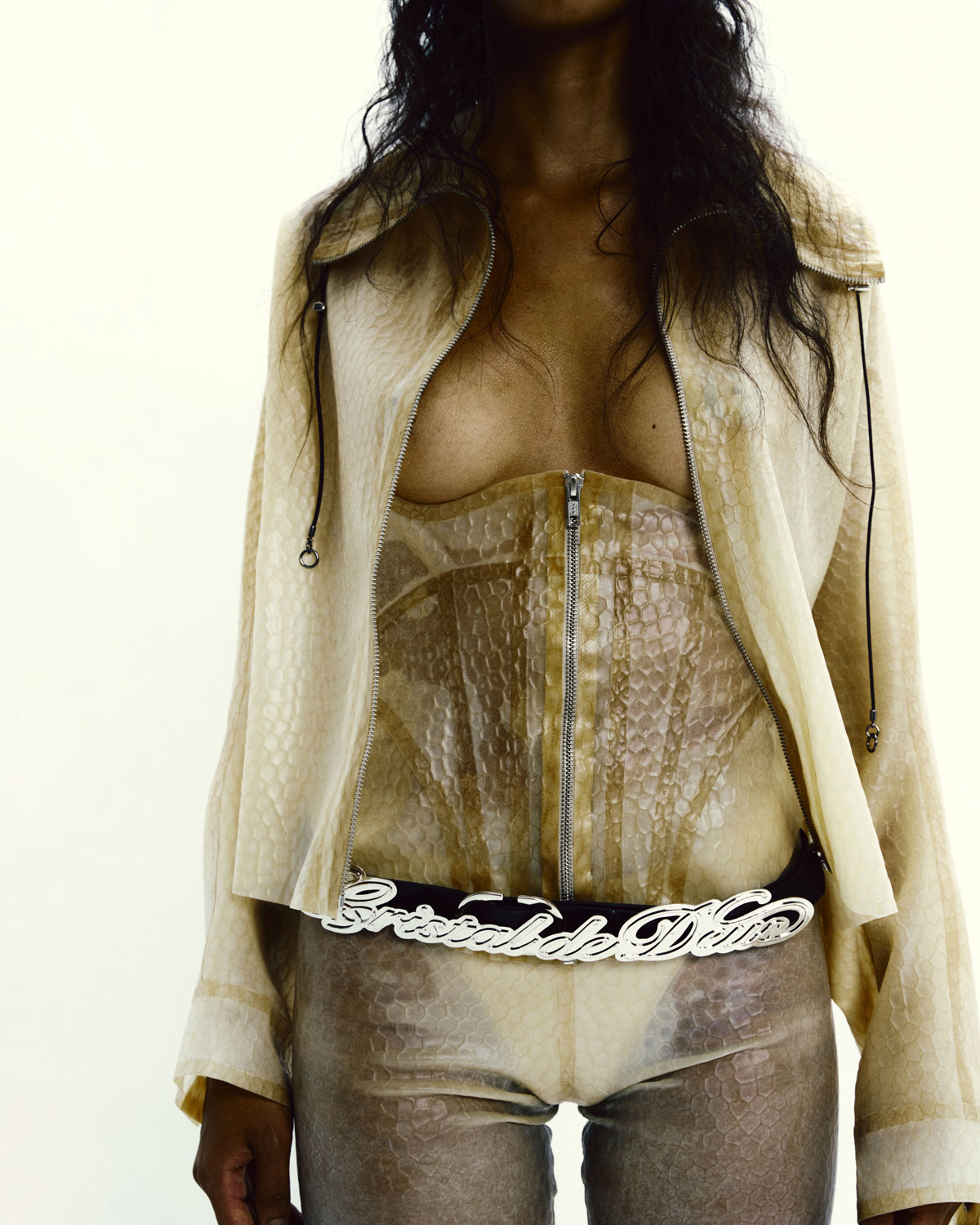
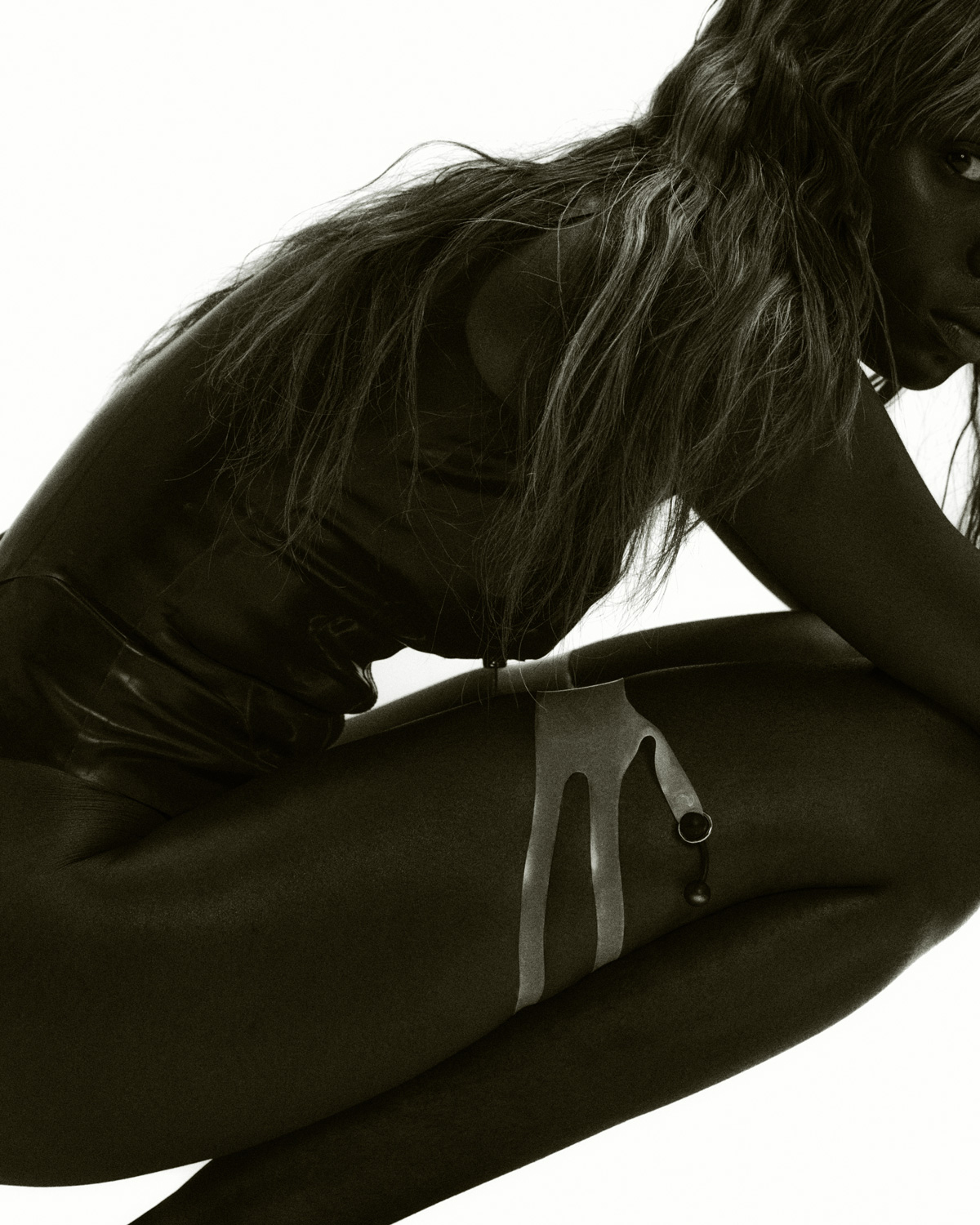
I consider myself primarily someone who composes. Shiny, matte, transparent, translucent, opaque, stained, bicolored, multicolored, reflective, metallic—within a very restricted field of objects it is possible to encounter infinite surfaces and, from them, establish a delicate balance of light projection, color, and texture.
Verticality, horizontality, and thickness are also essential factors when considering proportion—even in a single pin within each piece.
Weight and Balance
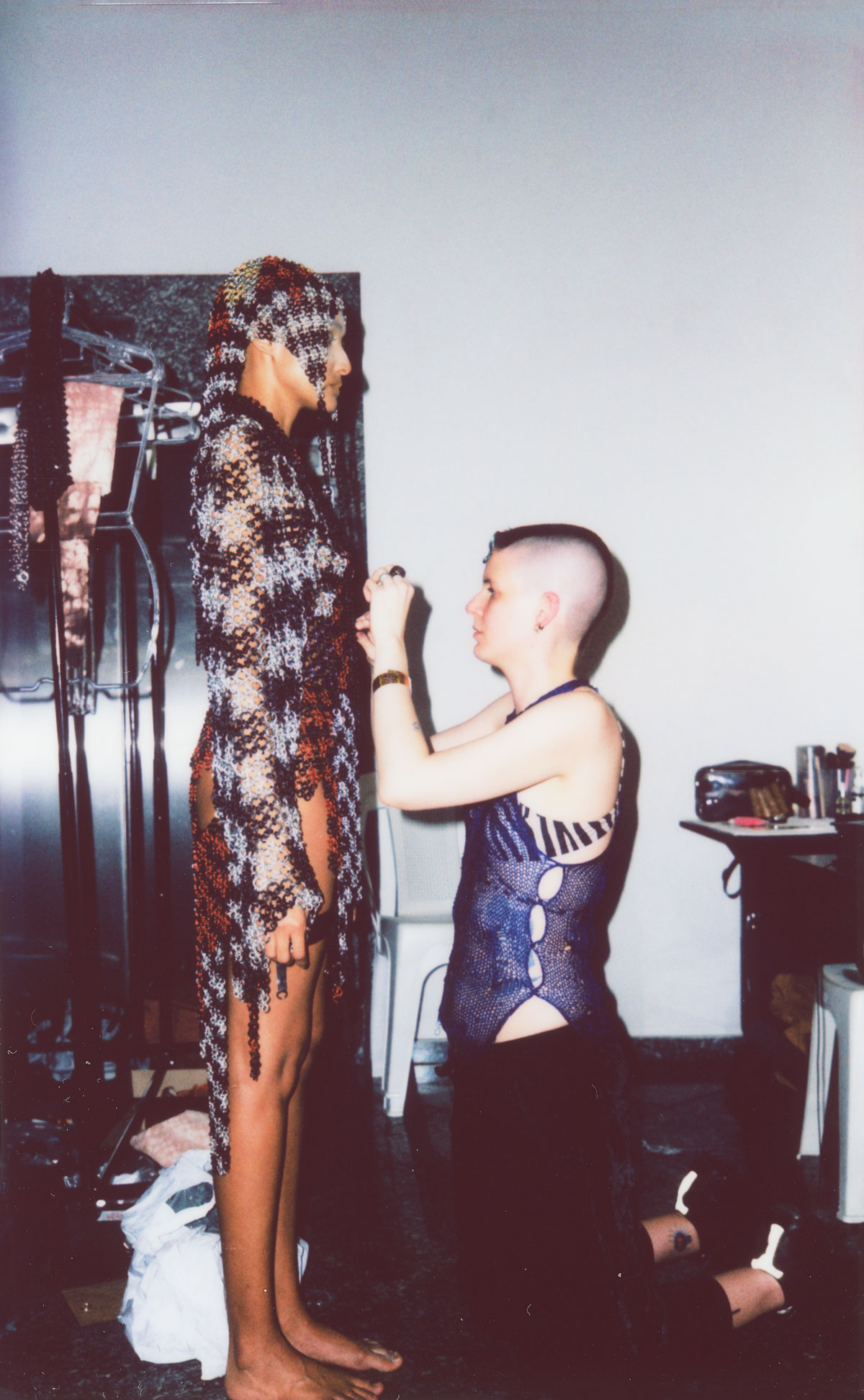
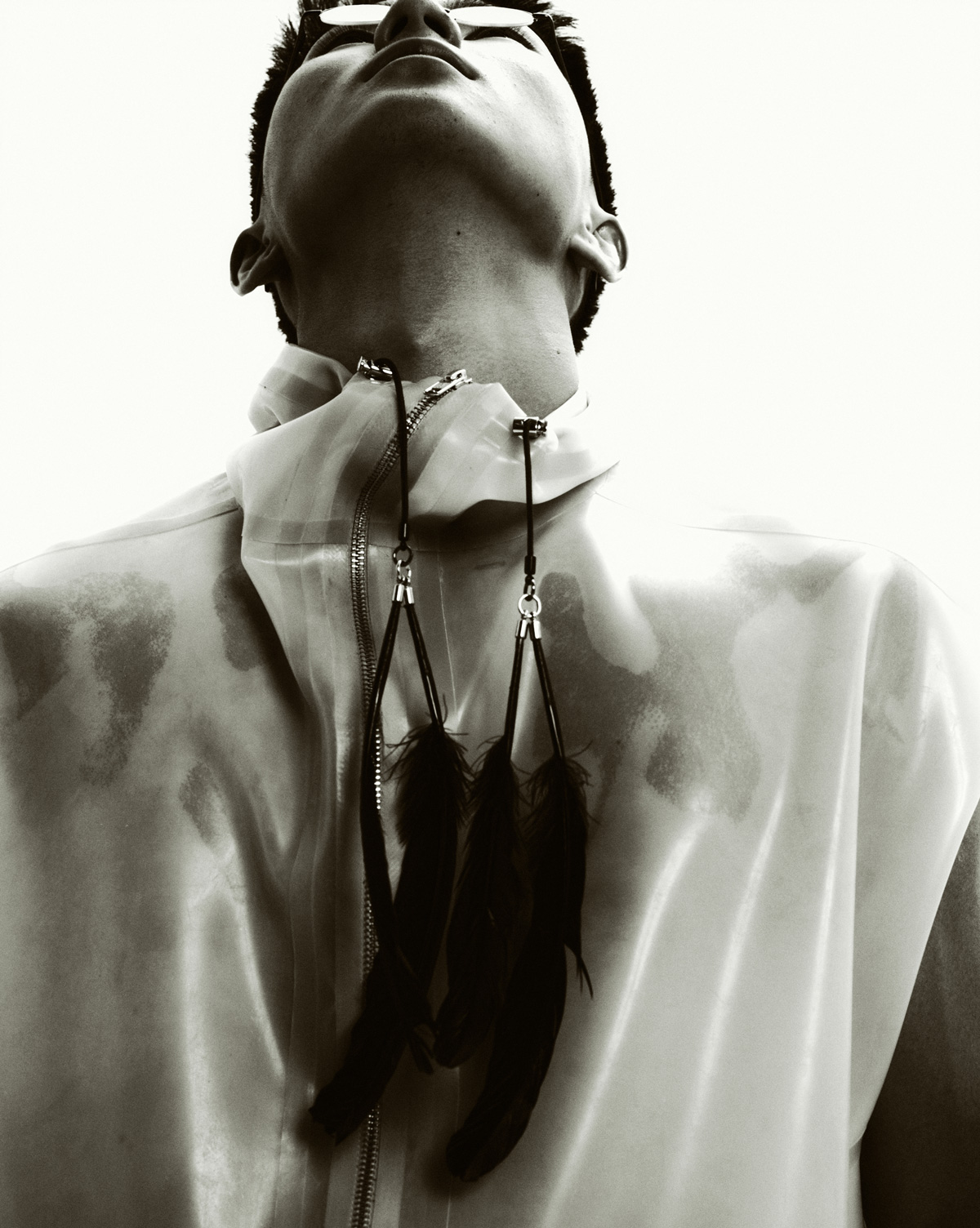
Since every object created will be worn, one of the most complex and time-consuming aspects of the process is achieving balance so that, regardless of weight, the invention can be worn for as long as necessary.
The goal is to invite the wearer into fantasy—sound and touch are welcome elements. However, it is essential that the body and the artifact exist in harmony, so that the illusion truly integrates with the person wearing it. To achieve this, we often rely on certain sportswear solutions, such as elastic structures and anatomical supports, balancing aesthetics and usability.
Music and Presence
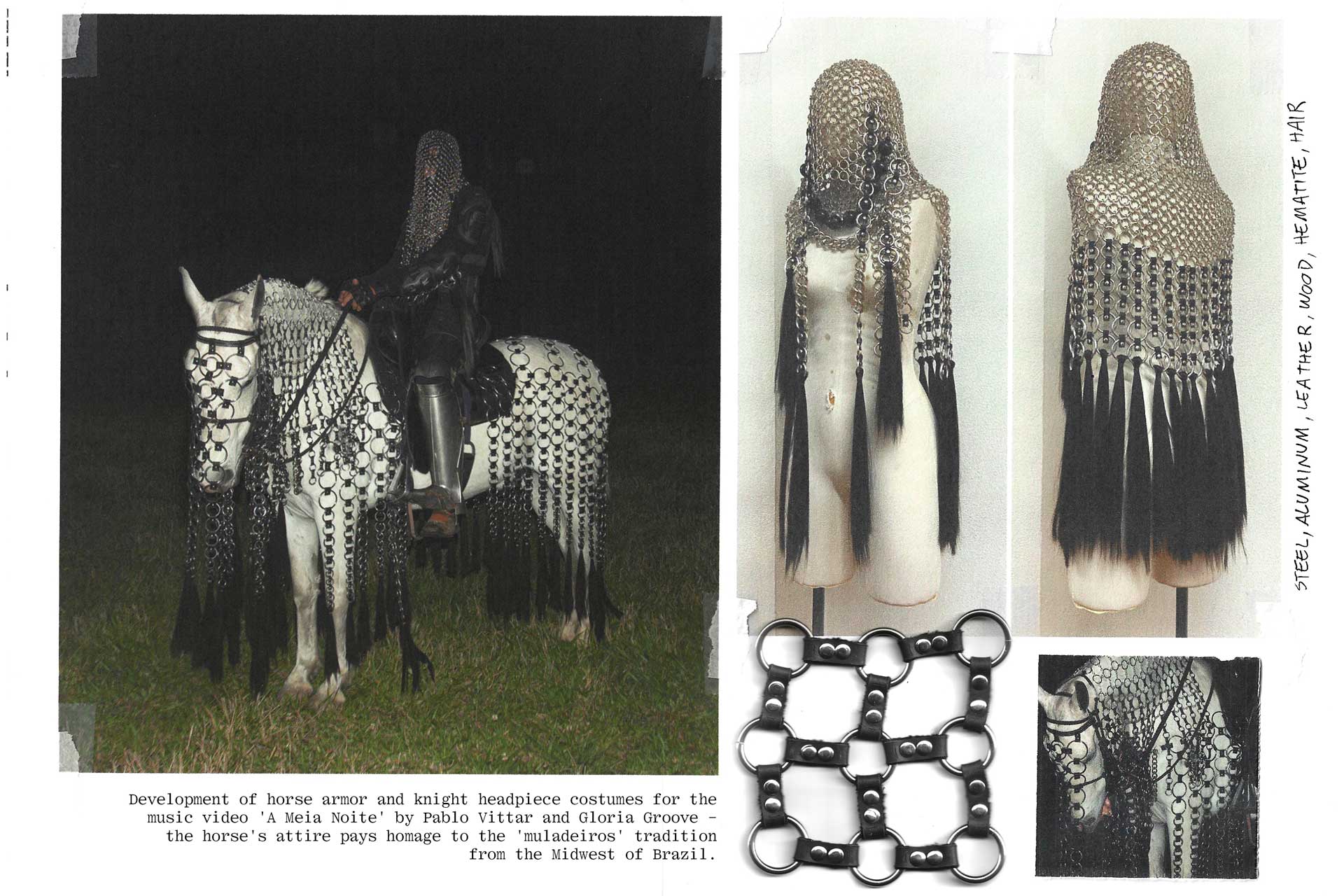
Music is one of the most permeable forms of art within society and plays a fundamental role in introducing new ideologies to broader audiences. It is therefore both an honor and a responsibility to participate in a field capable of shaping minds on a large scale—even if it often requires the simplification, and sometimes the loss, of complex ideas in order to optimize communication within a capitalist system.
Despite these obstacles, it is important to remember that any insertion into popular culture is valuable and offers insight into the contemporary moment. For this reason, as an artist, I do not believe in any form of “purity” or isolation. I insist on being present—whether comfortably or not—in the spaces that challenge me, unsettle me, or with which I may not fully agree.
I believe artistic practice should be a dialogue, not a monologue.
You can find out more about Jala at @jalaconda
Photos: Courtesy of the artist