A house, a journey — and the making of a gallery
Photo: Marcus Steinmeyer & Courtesy of Apartamento 61
Location: Apartamento 61
Words: Anita Goes, André Visockis & Vivian Lobato
São Paulo/New York, 2025
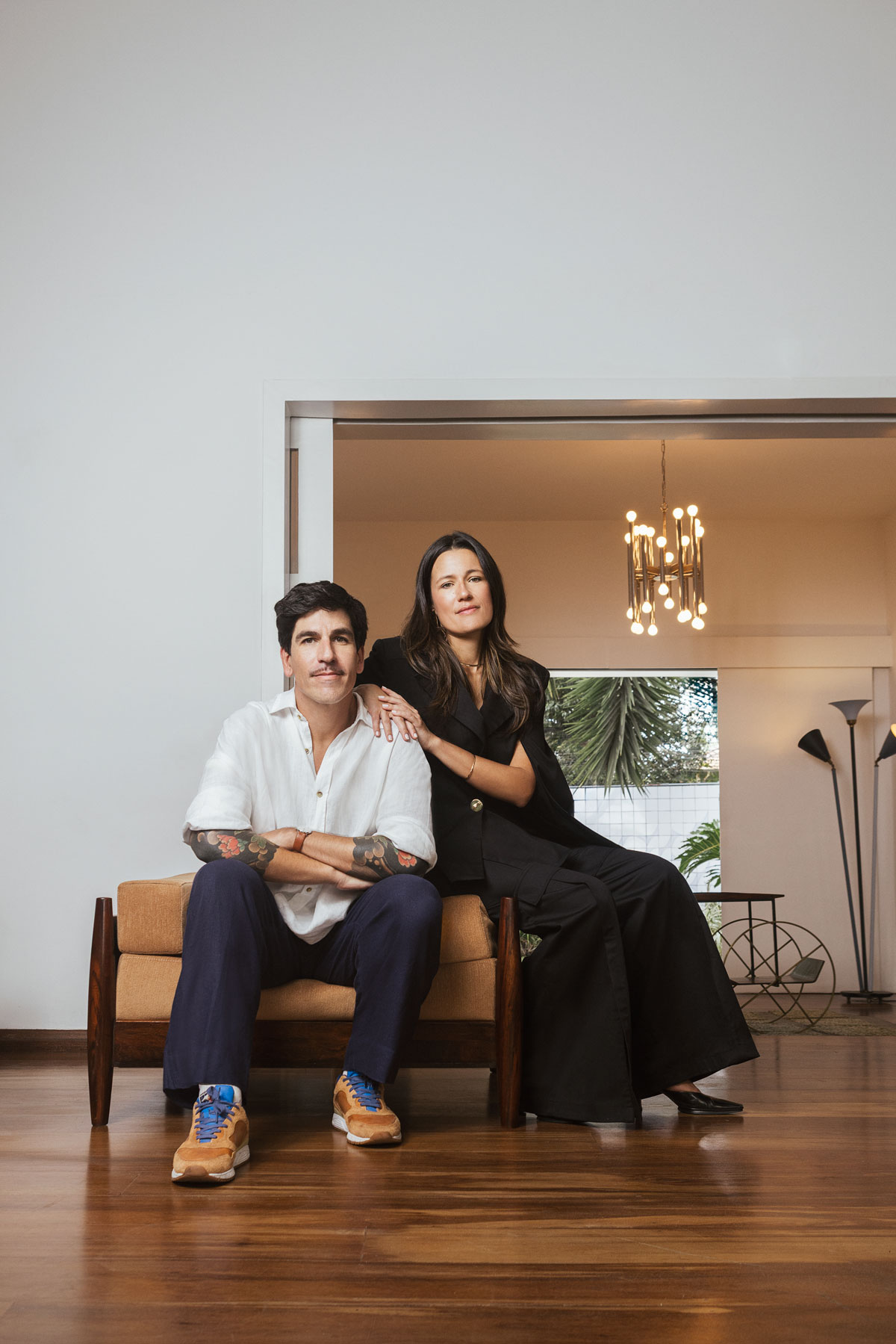
Before it existed as an address, Apartamento 61 began as an everyday gesture: the need to furnish an empty apartment — and, without realizing it, to open a professional path that would bring together curation, design, research, and storytelling.
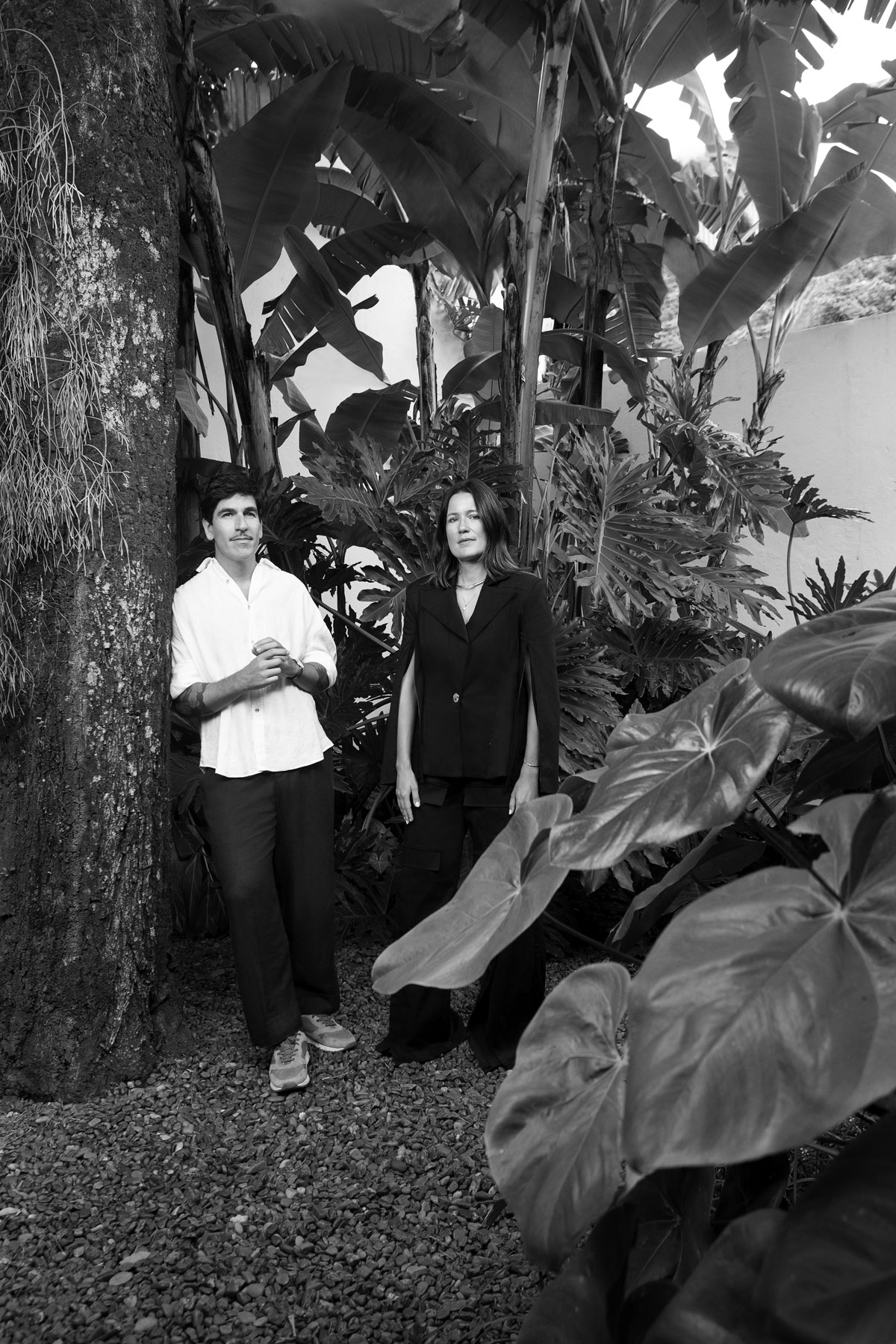
“We actually started, before the house itself, as a website,” recalls Vivian Lobato. She is a journalist; André Visockis, a graphic designer. Young, recently living together, without furniture, and with downtown São Paulo as their compass.
The suggestion came from a friend: instead of following the obvious route of ready-made furniture, why not go hunting? “You should go to the shops downtown… it’s the same price, but sometimes you find really interesting things,” she remembers. What began as necessity became preference. And what was preference soon turned into method.
As they began furnishing their home, Vivian and André found themselves drawn to an aesthetic that diverged from the taste of their generation. Without formal initiation into the collecting circuit, but with a keen visual sensibility, they gradually built a home that caught people’s attention — and with it came the first requests.
“People started asking me for advice… ‘could you help us?’” What began as casual conversations with friends turned into a practice: locating, selecting, advising. The curatorial eye — not yet named as such — was already there.
And as happens with any form of collecting, even informal, exchange soon became inevitable. “You can’t fit two sideboards in the apartment… we had to find someone to take the previous one,” André recalls. Logistics pushed the hobby toward a business.
Apartamento 61 truly began when daily life could no longer fit within the house alone and started demanding structure. The turning point came at a moment of rupture: André left his agency job, began working from home, and arrived with a plan.
“I saw some opportunities… we could start online, because we wouldn’t have that heavy fixed cost,” Vivian remembers. André designed the layouts, Vivian wrote the texts, and the website went live. It was around 2013–14 — when Instagram was still organic, chronological, without algorithms filtering what people saw. At that moment, almost no one in the field was doing this consistently.
There was also a rare differentiator: authenticity. What they shared was real — and that is why it resonated.
The first major test came during an event introducing the brand, and the response was immediate. “It blew up… we sold almost everything,” they recall. What seemed like “just a website” began to assert itself as a platform, a community, and a market.

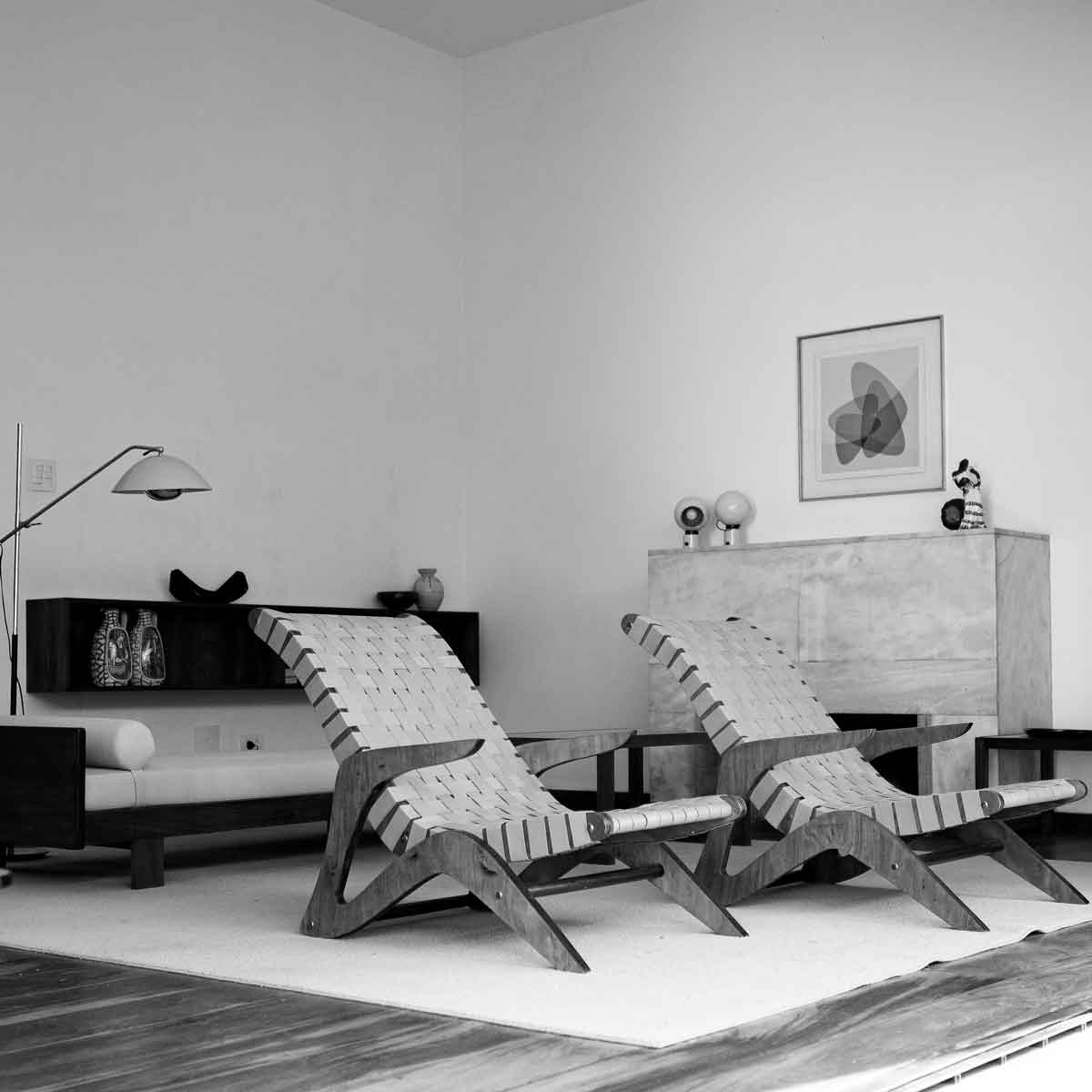
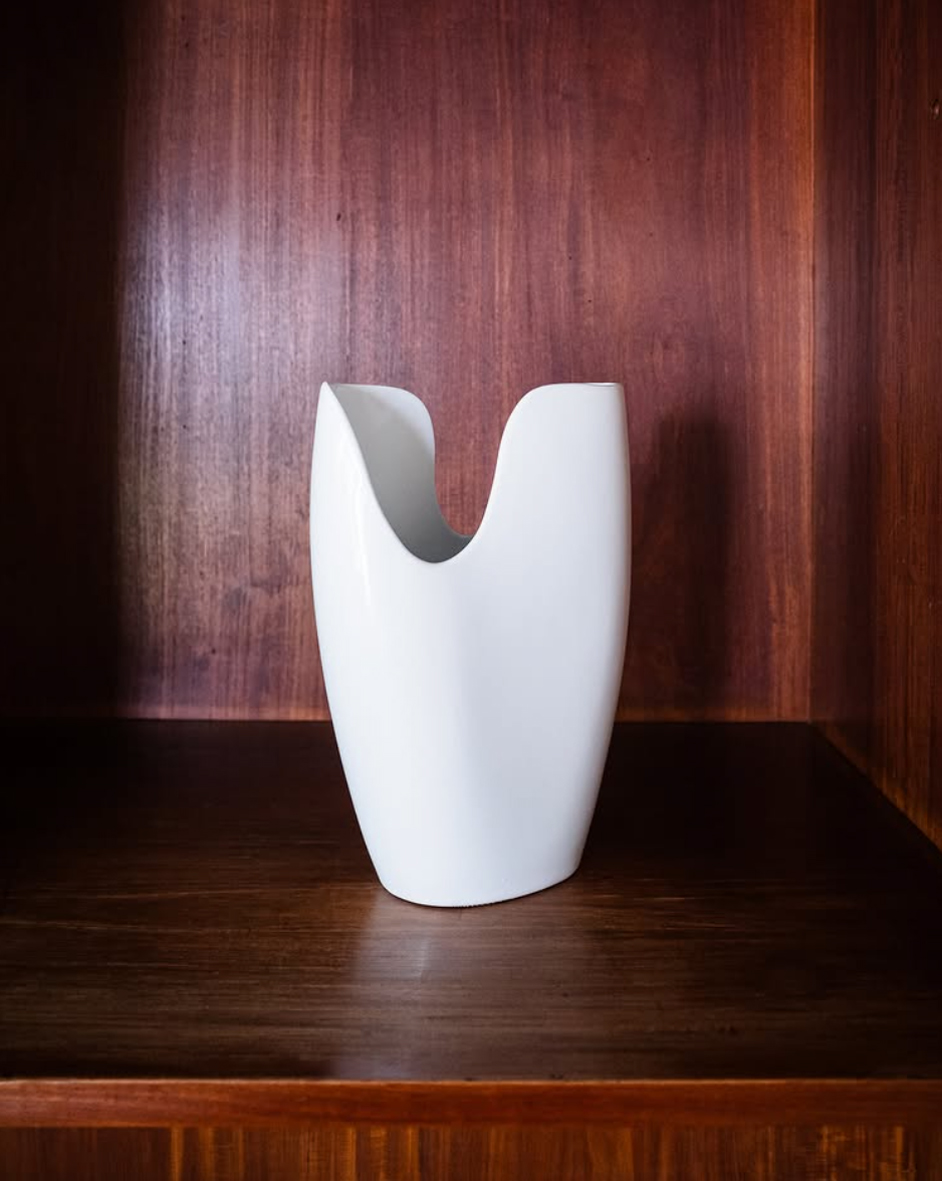
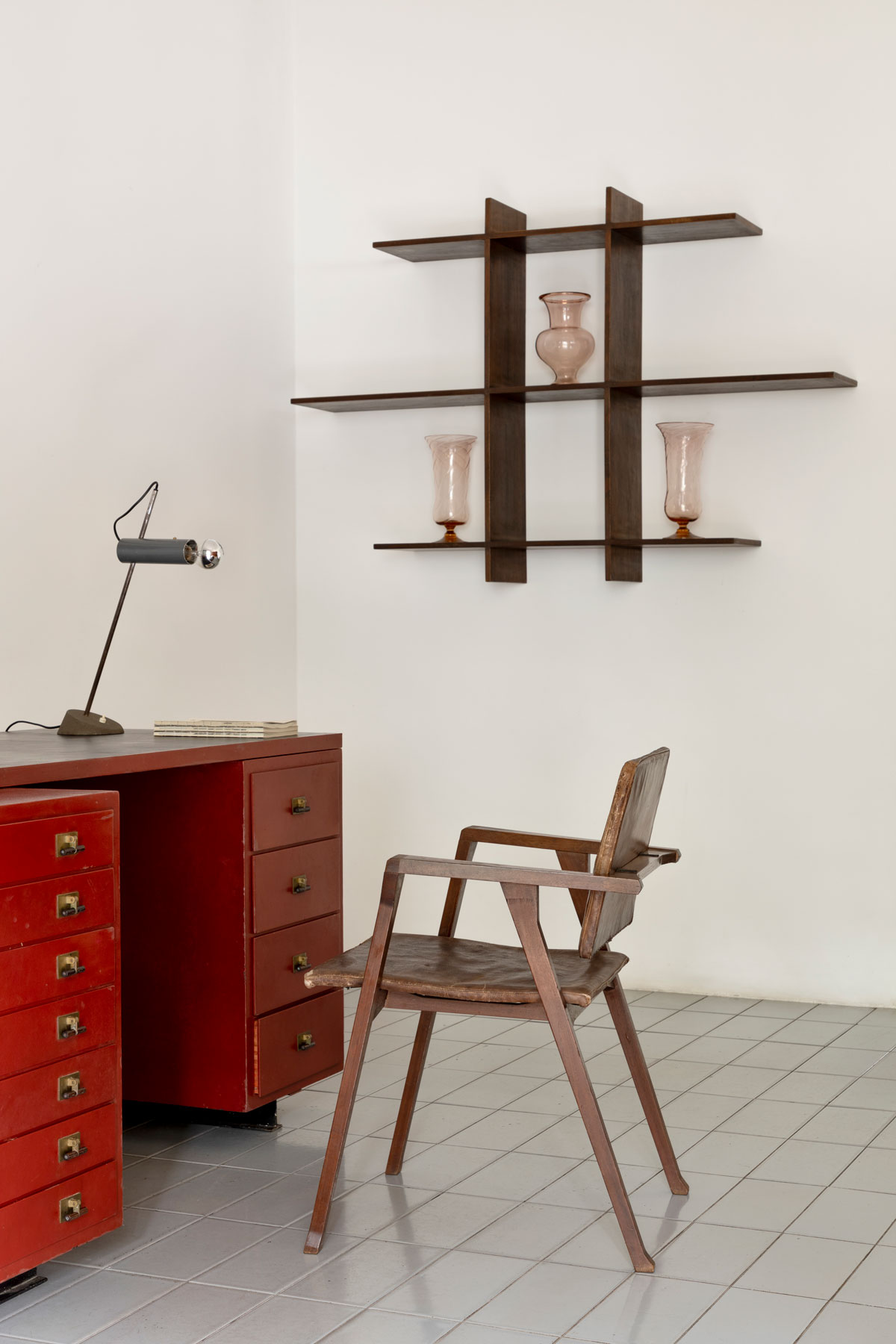
As the project grew, the operation naturally expanded from objects to furniture — and with that came a crucial realization: vintage requires presence. “If you’re buying an armchair… you don’t want to buy it 100% online,” André explains. A piece has body, history, marks, restoration, structure. Seeing it in person is no longer a luxury; it becomes a criterion.
They began receiving visitors in the apartment. The “lean operation” soon reached a concrete limit. “There’s only so much you can really revolutionize,” André admits. Some of the romantic ideas of entrepreneurship were gradually refined — such as an attempt at “transparent pricing,” which, although ethical and interesting, confused the public and depended on a sales volume impossible for a market built on unique pieces.
“There’s no way to scale our business that much… it’s extremely niche”.
A meeting with an international buyer reshaped everything. Vivian and André began accompanying a foreign client who purchased intensively, and through this process they entered — from within — the mechanisms of the global market for Brazilian modern design.
For the pieces to leave the country, they needed to professionalize: company registration, export procedures, bureaucracy, “radar.” They entered a space that almost no one wanted to deal with. “No shop… nobody wanted to export pieces,” Vivian explains. Suddenly, a couple who had started selling online were opening the way for something larger: an international circulation network for Brazilian modern design. But visibility also has its costs: the international boom accelerated demand — and later fueled replication and disputes.
Finding the house
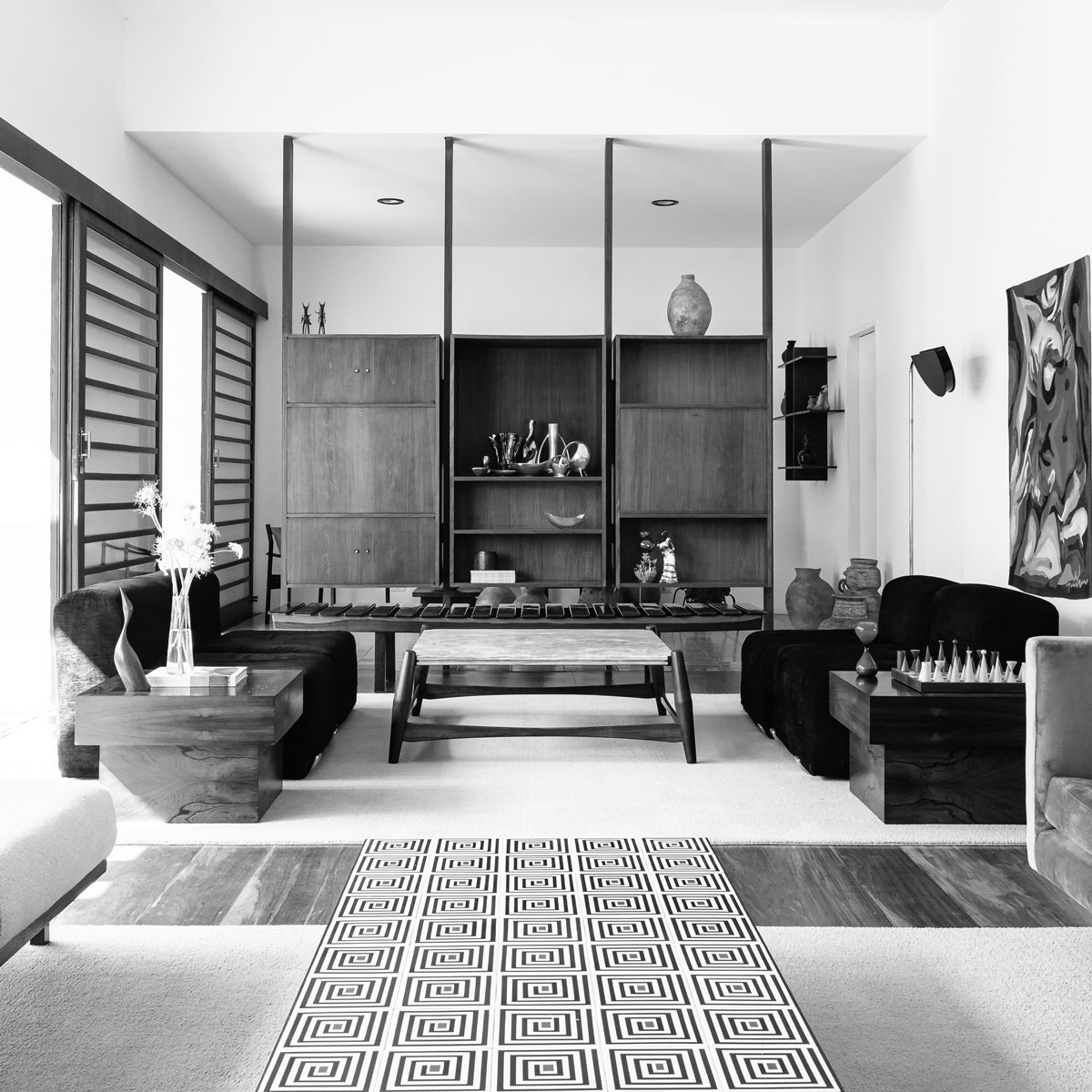
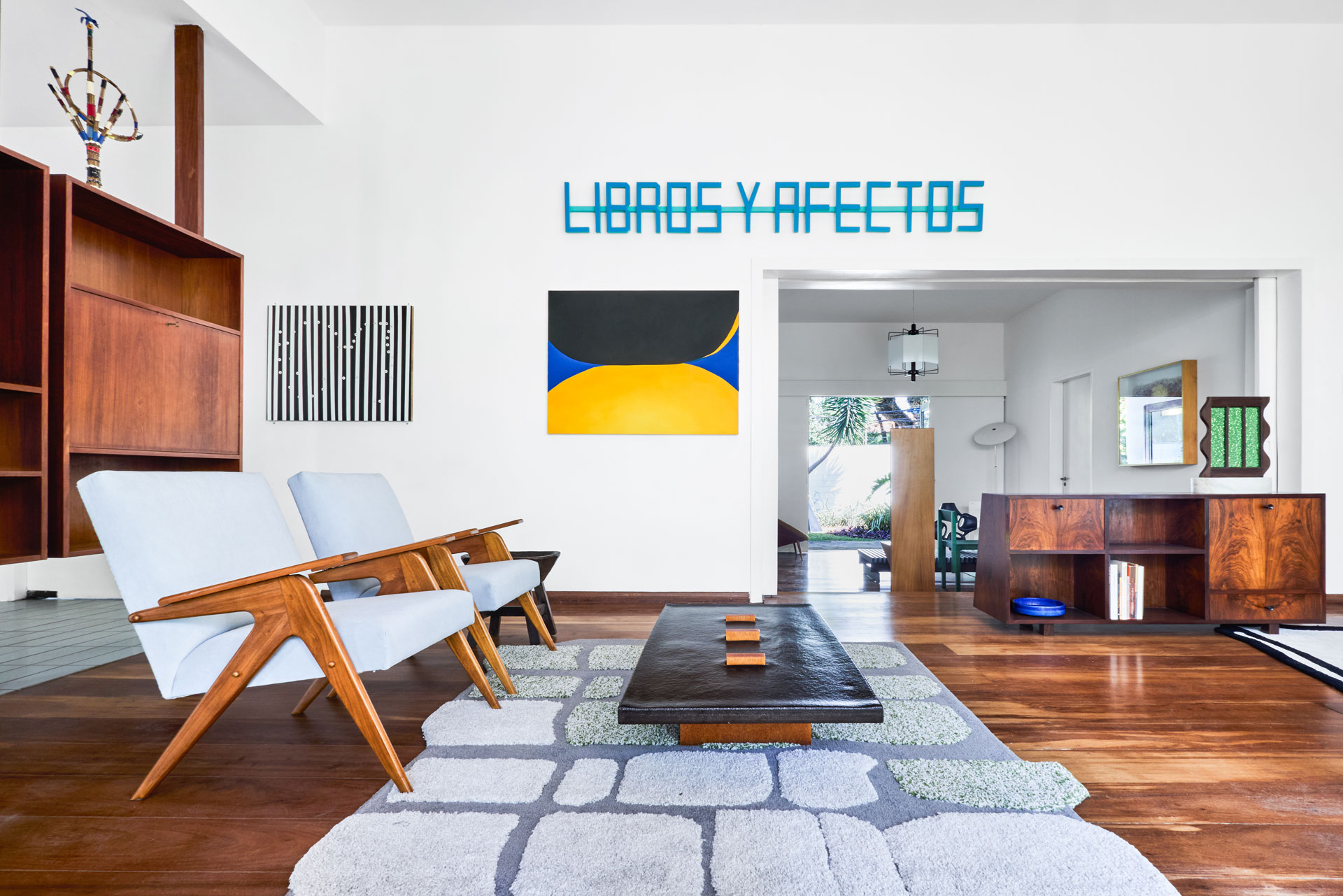
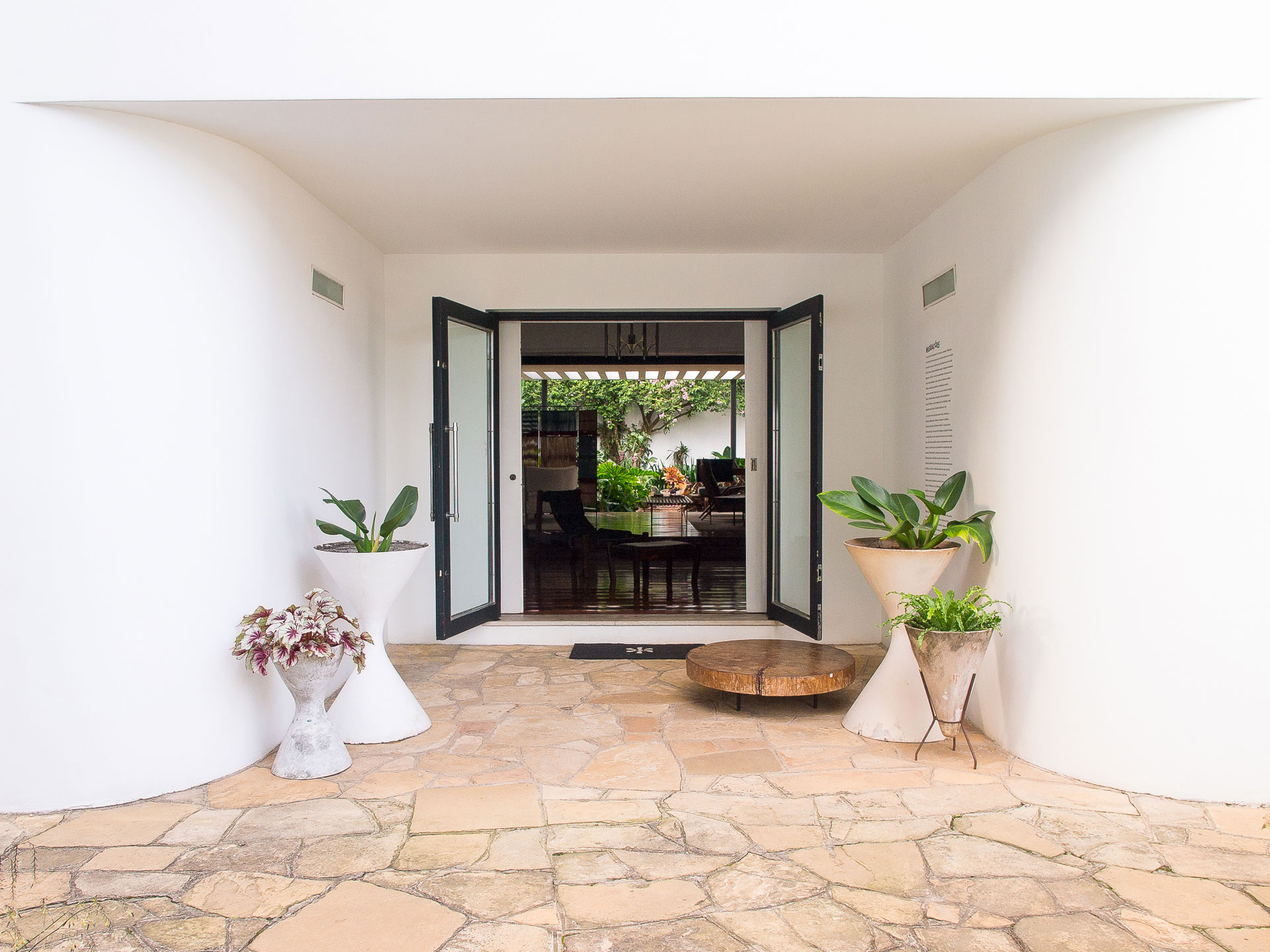
The search for a physical space was long and full of surprises: expensive renovations, uncertainty, houses that felt like “Pandora’s boxes.” Then one day they came across a property with “bad photos” and a description that changed the project’s direction: the former home of the sculptor Victor Brecheret, renovated by the modernist architect Rino Levi.
“I read the description… ‘house of the sculptor Victor Brecheret.’ I thought: wow! This house still has a story.”
The address was unbelievably close: “Behind my grandmother’s building. How had we never seen this house?” There was another rare element: the owners, connected to the Brecheret family, wanted someone who understood the architectural and historical significance of the place.
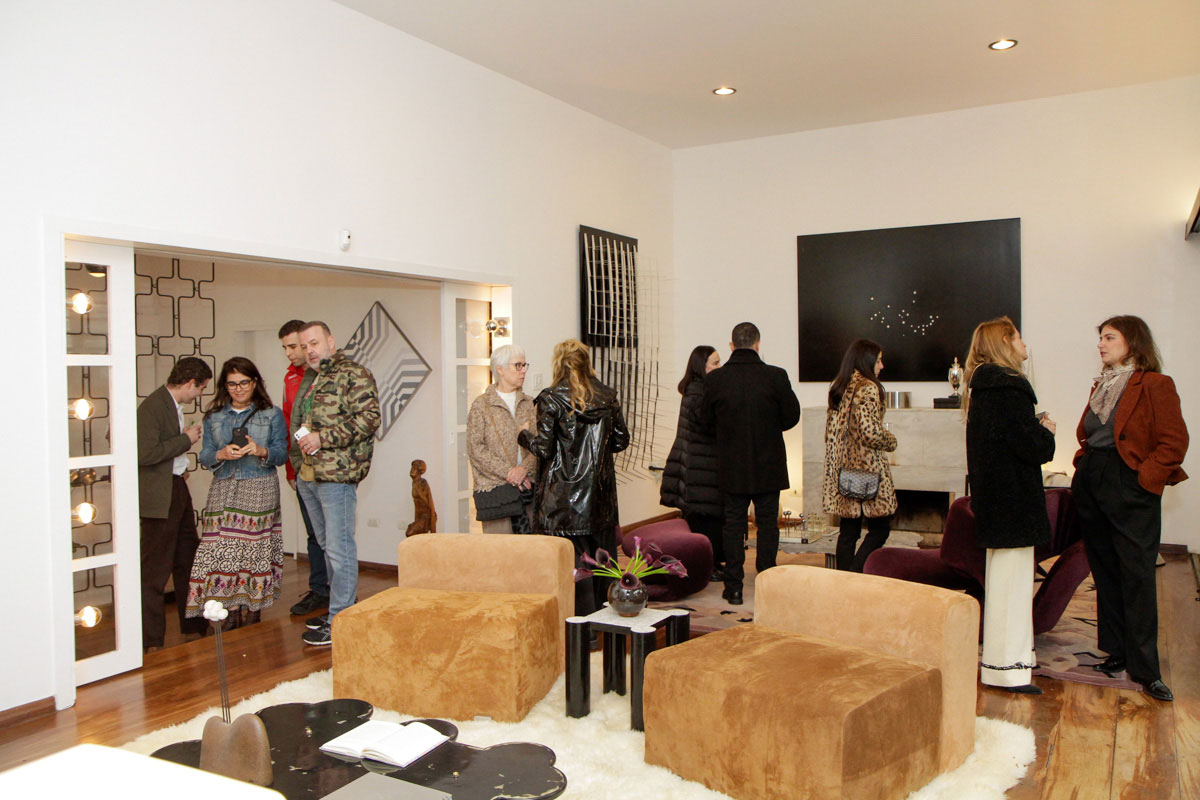
The move came with courage and improvisation. “We moved in on faith and courage,” Vivian says. The first employees arrived, renovations happened in real time, and the opening turned into a city-wide event. “It was crazy… Heineken sponsored it, it became this huge party.”
And something essential happened: people discovered that the house existed — even though it had always been there, hidden behind a wall. “It’s a house that’s so close to everything, and nobody knows it.”
Pandemic: vintage as an immediate response
During the pandemic, when it seemed impossible to host visitors in a house with the couple’s newborn baby, the business actually grew. High-income clients began investing more in their domestic spaces — and Apartamento 61 had something few others did: a mature online operation and immediate availability of restored pieces.
“We already had the whole operation running… and we sold very well,” they say. During that period, vintage also became a solution to the production and import bottlenecks affecting the conventional furniture market.
Growth, however, brought new challenges: logistics and domestic life became intertwined. A second location emerged (on Rua Cristiano Viana), after realizing that clients rarely traveled back and forth between two points. Eventually, the decision was made to concentrate the operation once again in the house on Rua João Moura.
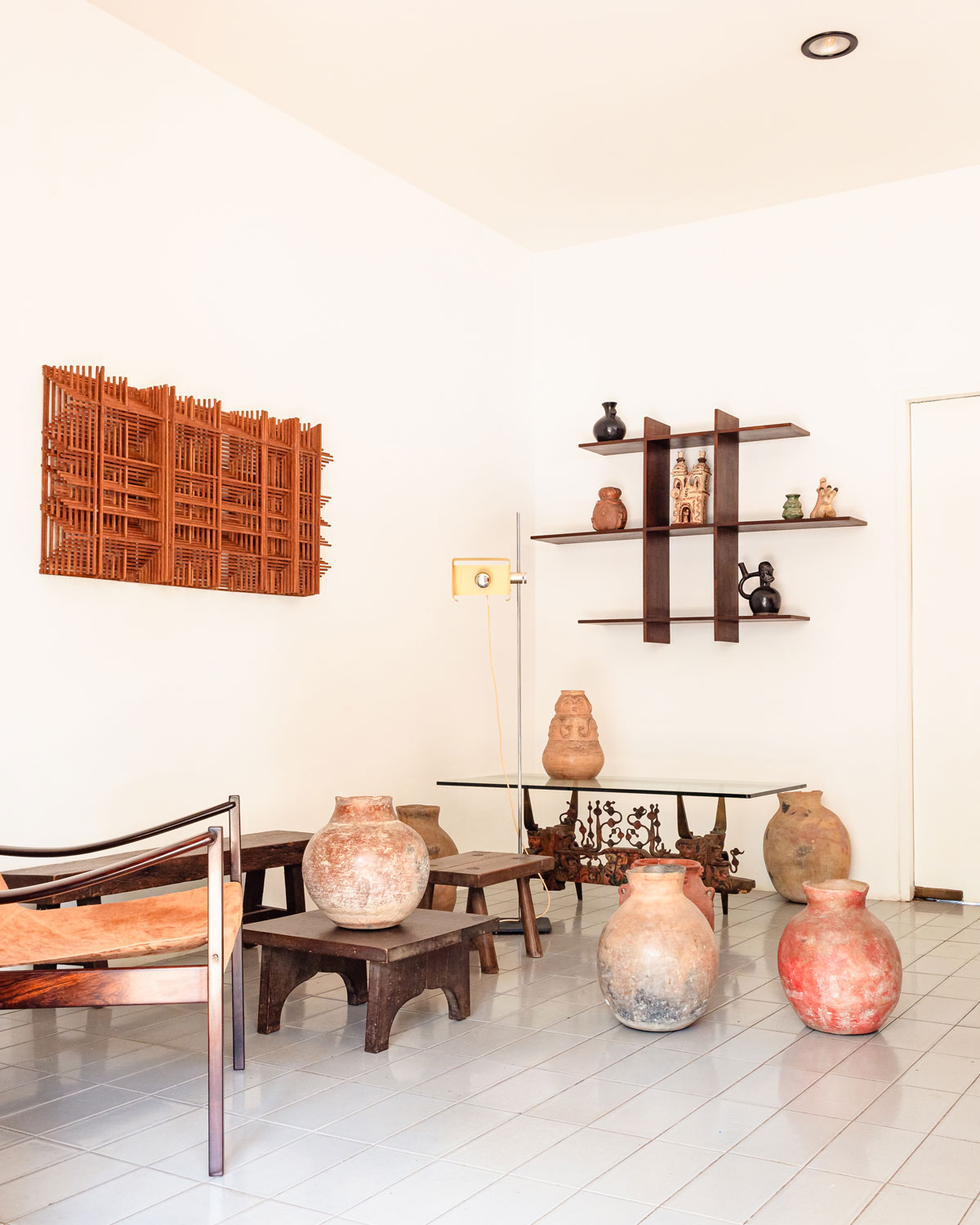
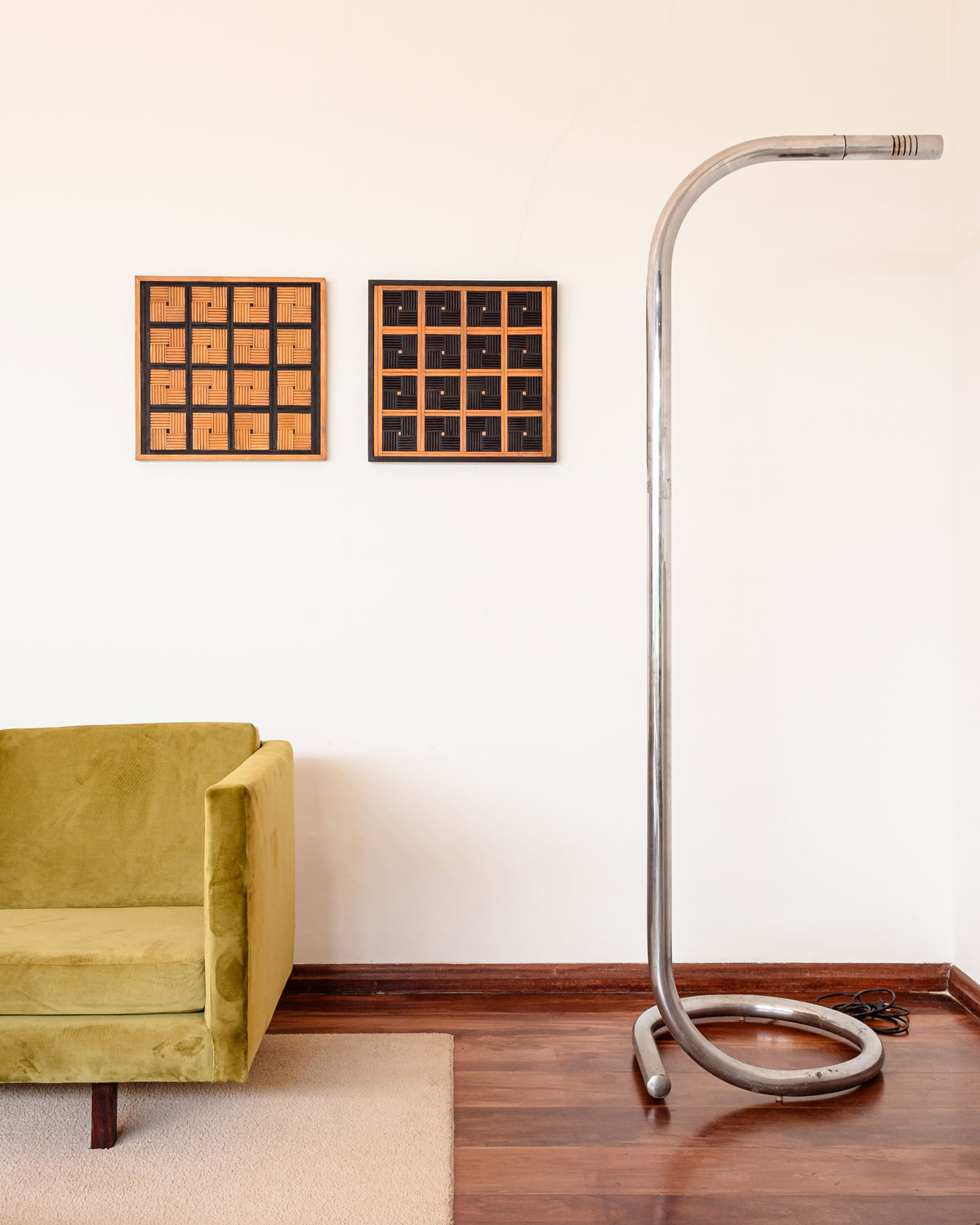
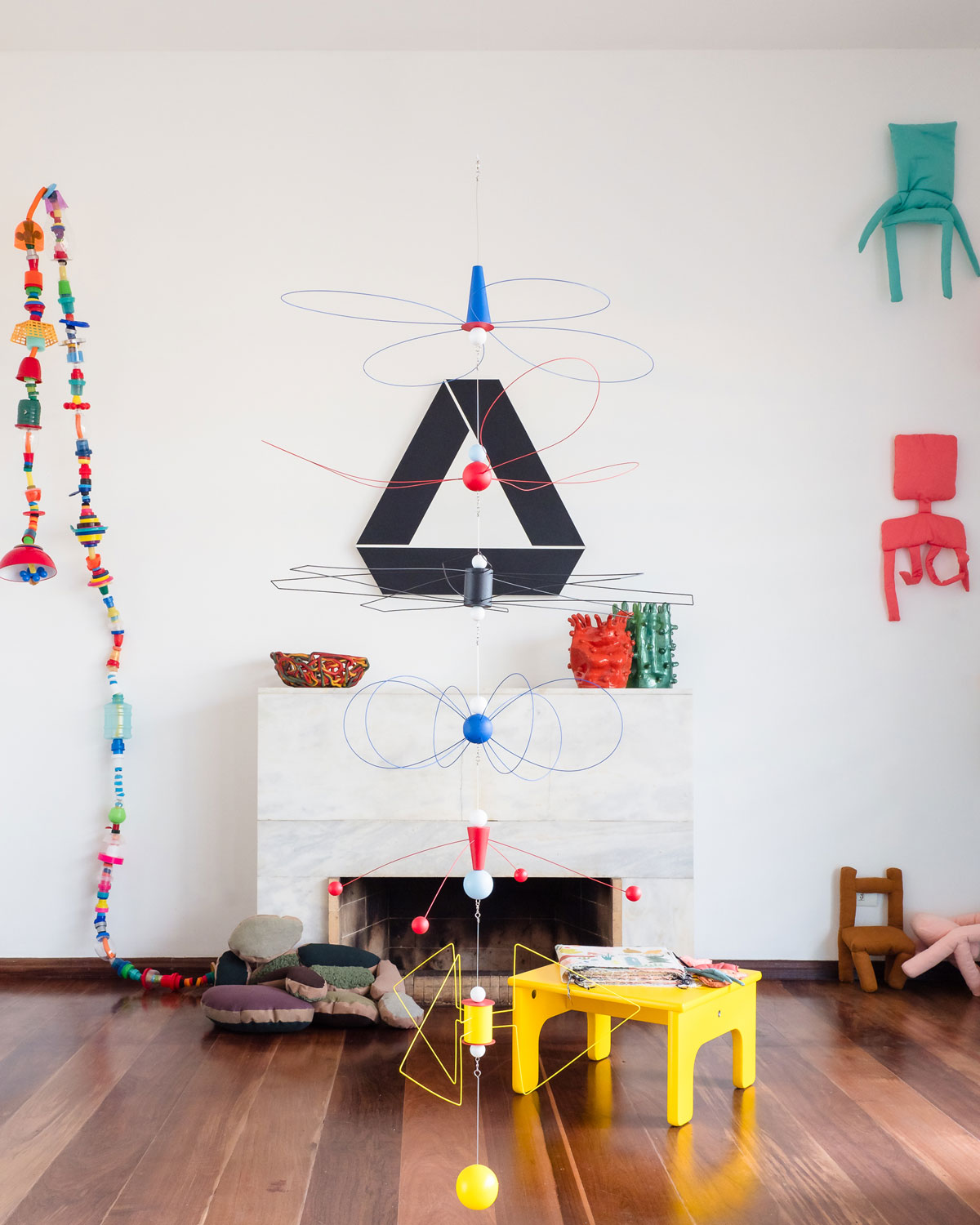
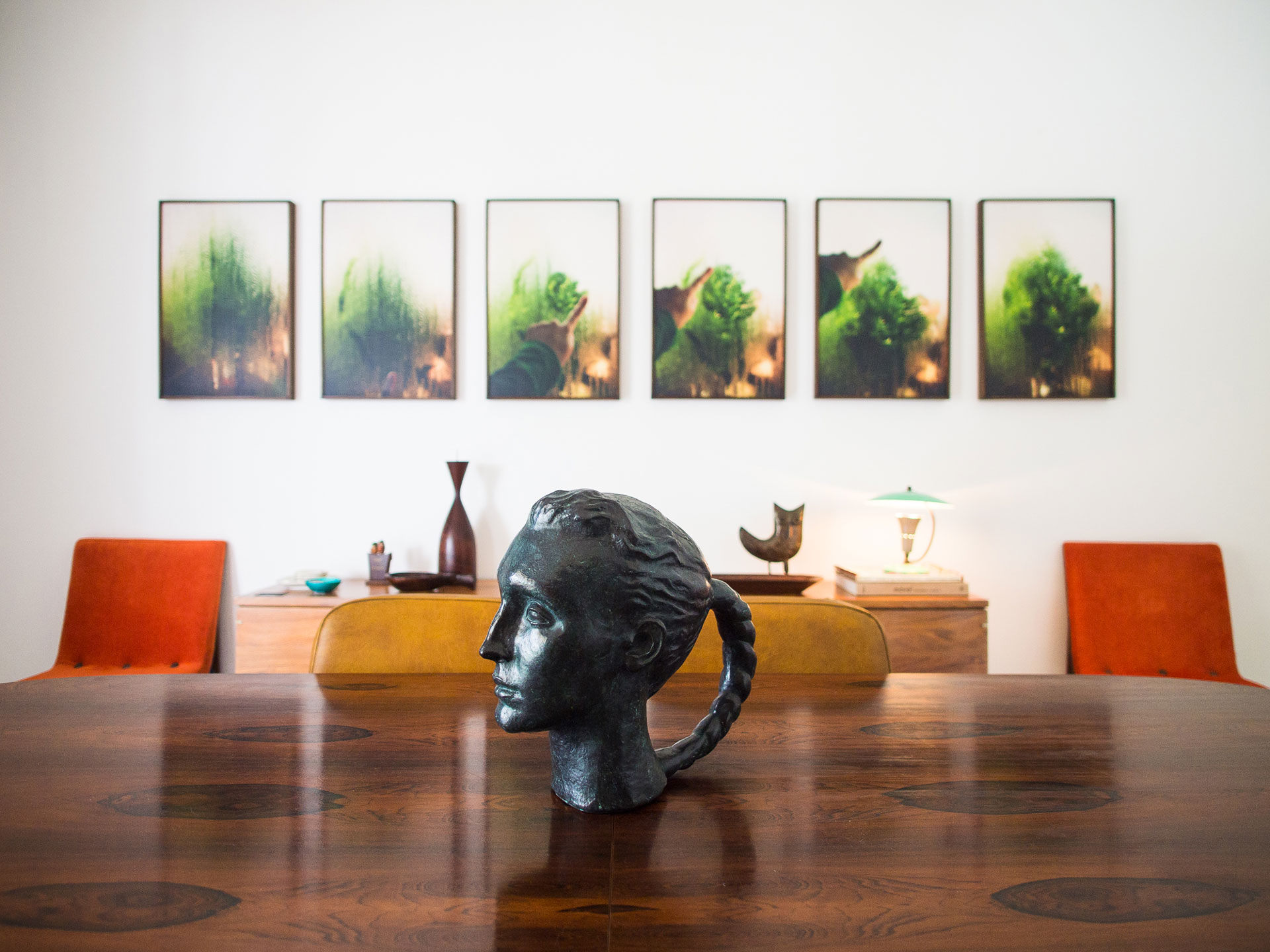
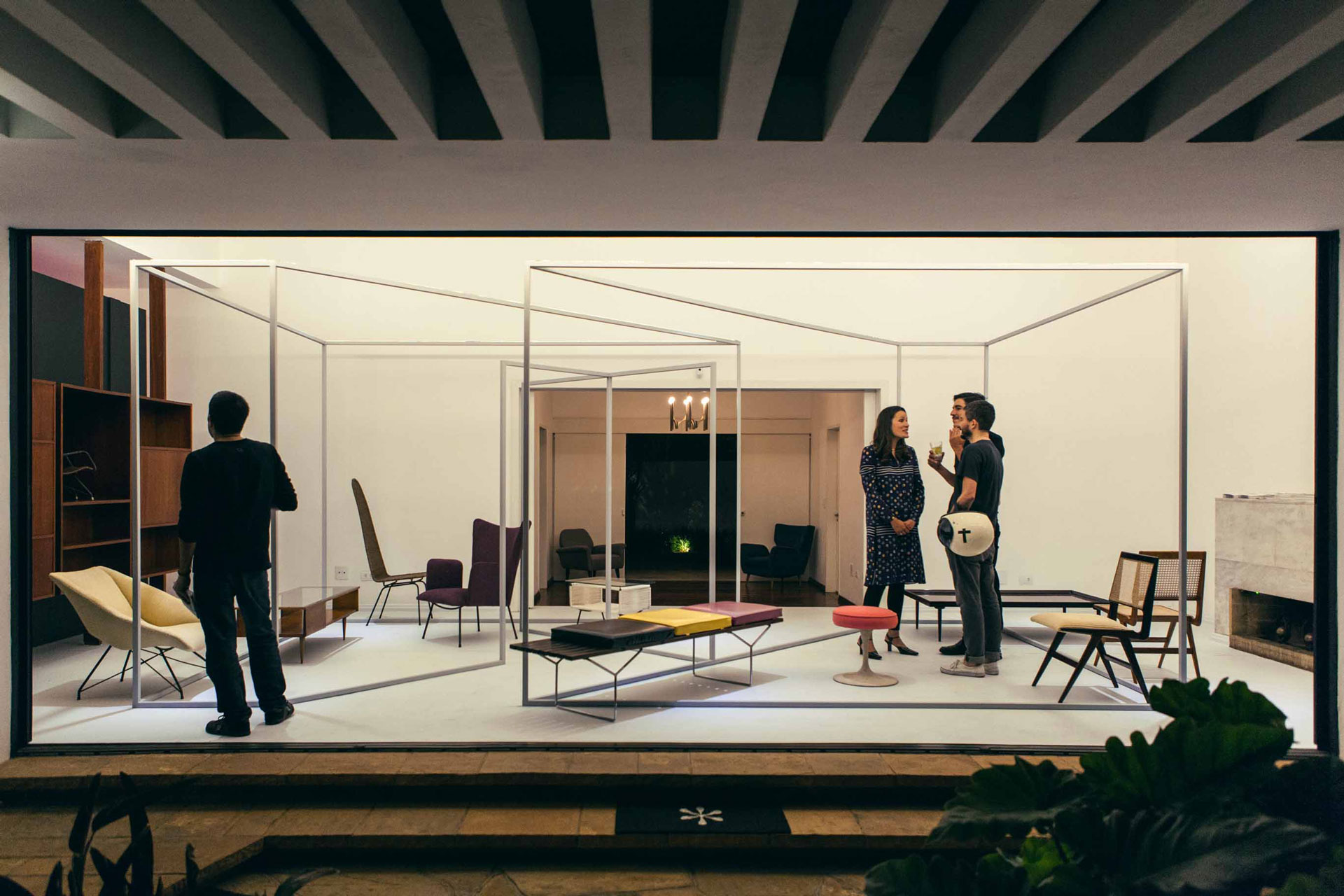
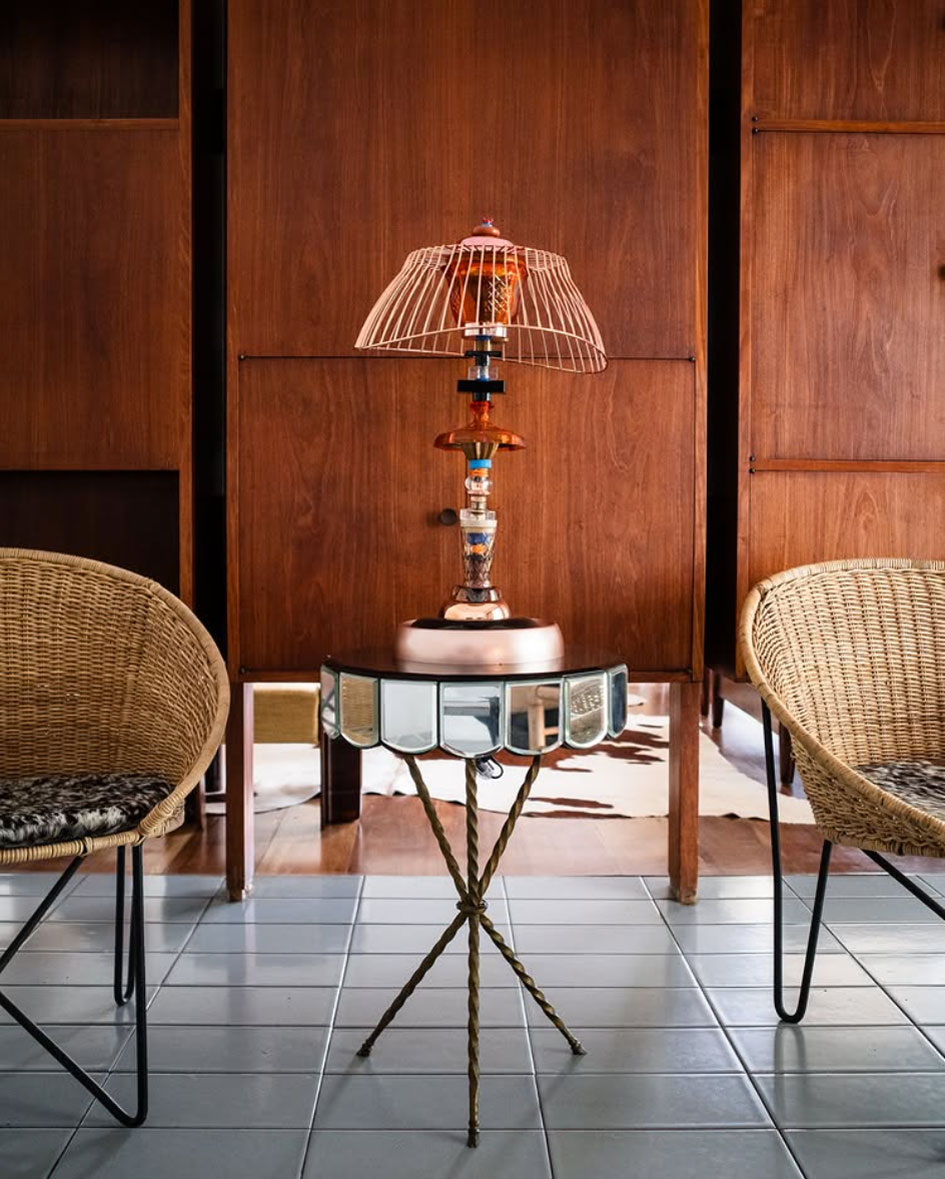
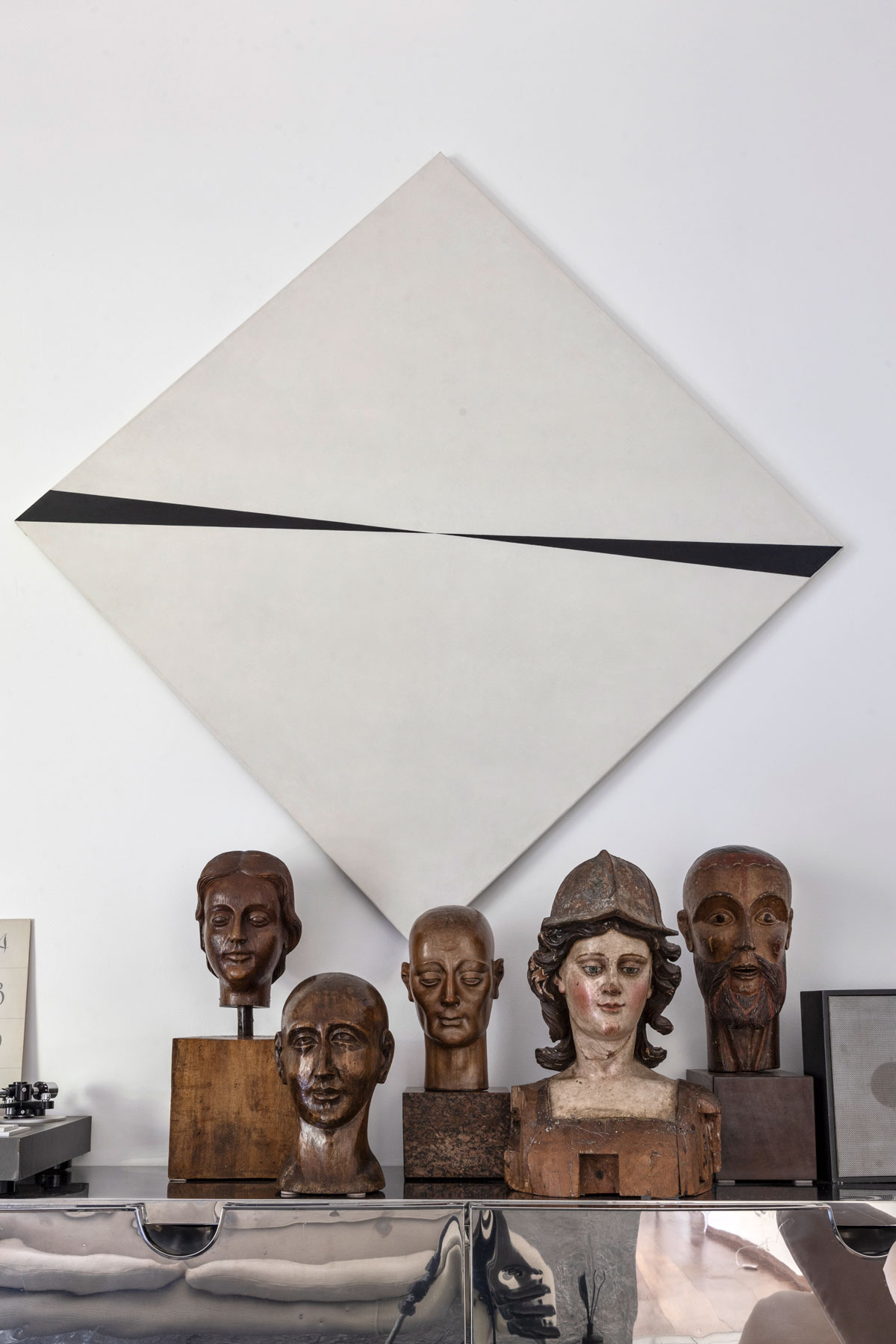
Today, Apartamento 61 speaks less about “decoration” and increasingly about the logic of a gallery: exhibition calendars, curatorship, context, narrative, and the coexistence of vintage and contemporary.
More seriously, the international boom has raised prices, reduced the possibility of discoveries, and increased the circulation of replicas.
For this reason, the future seems clear. “The contemporary will become increasingly contemporary,” André says. Not as a trend, but as a matter of survival and vision. Vintage still sustains the business, but contemporary production builds horizon, relevance, and its own language.
At the same time, they acknowledge the challenge: the vintage collector is not always the contemporary collector. Here the house once again becomes decisive: it allows people to visualize the encounter — and when they do, it convinces them. “When clients see it, they say: ‘wow, that could actually work.’”
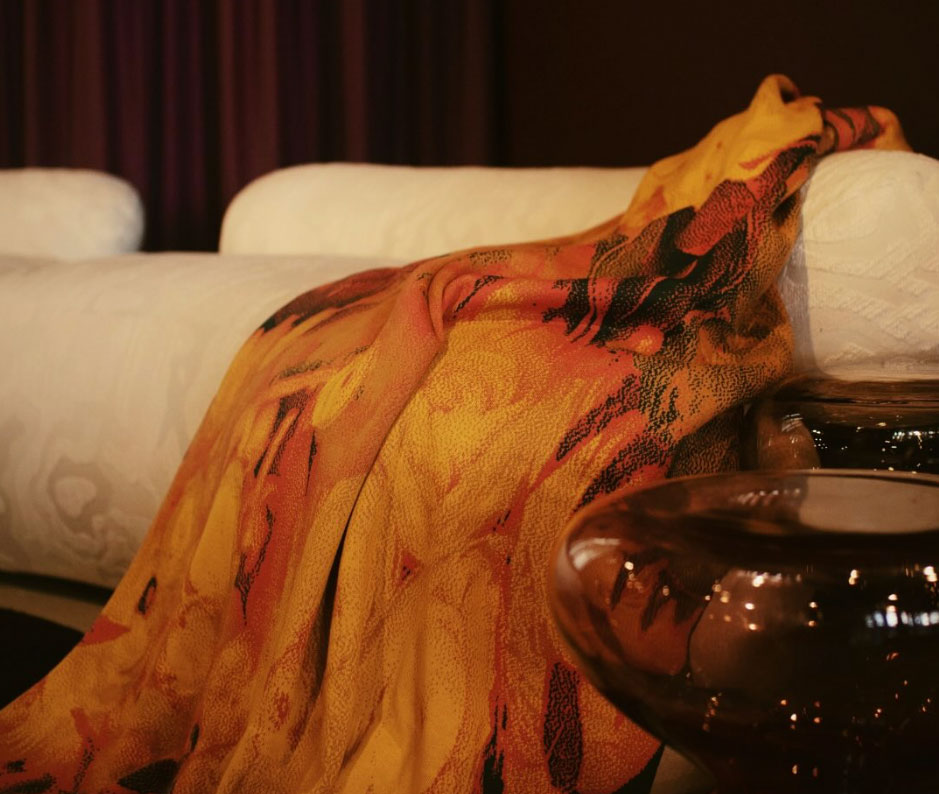
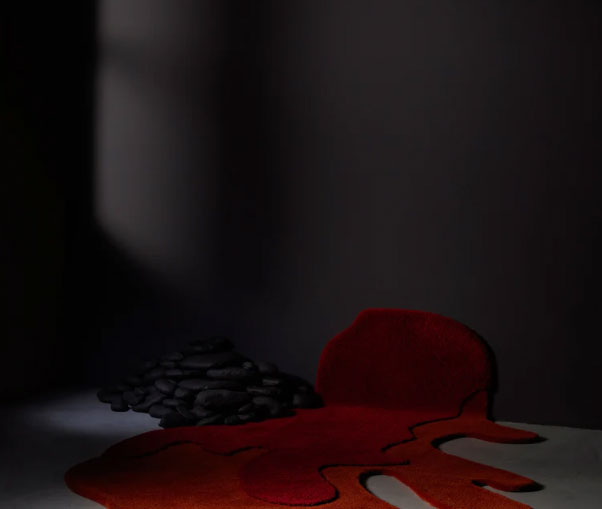
One of the new paths for the project is the representation of artists. The first is Paola Muller, whose practice operates at the intersection of textile design, material research, and graphic language. Working with knitting, she creates surfaces and objects that explore color, structure, and pattern, combining artisanal processes with contemporary modes of production.
Material choice is also central to her research. In her rugs, for instance, she uses threads such as Econyl, a regenerated fiber produced from recycled fishing nets and textile waste, aligning process and material with principles of durability and environmental responsibility.
Perhaps that is the key to the project: a rare combination of research and sensibility, curatorship and real life, discipline and improvisation. After all, Apartamento 61 began as an attempt to fill a domestic void — and ended up creating a place in the market where design, history, and experience coexist as they should: with time, care, and presence.
The name itself comes, of course, from apartment 61 — the address where André and Vivian began not only their own business, but also the partnership that has united them for more than a decade.
A trajectory built through experimentation
The story of Apartamento 61 is not the linear narrative of people who planned everything from the beginning. It is more interesting than that: it is the story of people who learned by doing, adjusted their route, and built consistency with little glamour and a great deal of attention.
“It was all very much trial and error… and we matured together with the business,” Vivian says.
Apartamento 61: @apartamento61 // apartamento61.com.br
Marcus Steinmeyer: @marcus. steinmeyer
Paola Muller: @lolamuller