In the Studio: The Discipline of Matter and the Silence of Creation
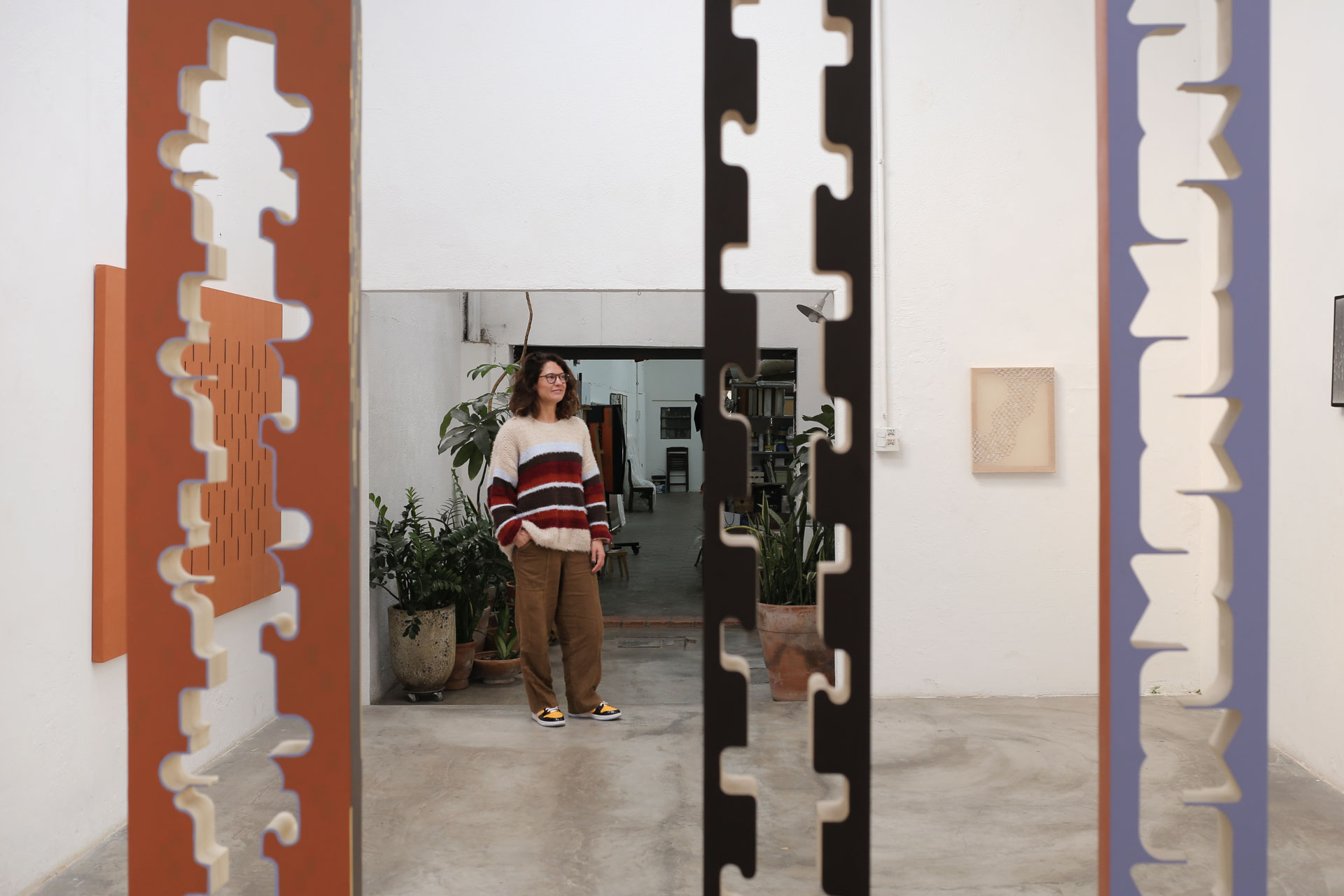
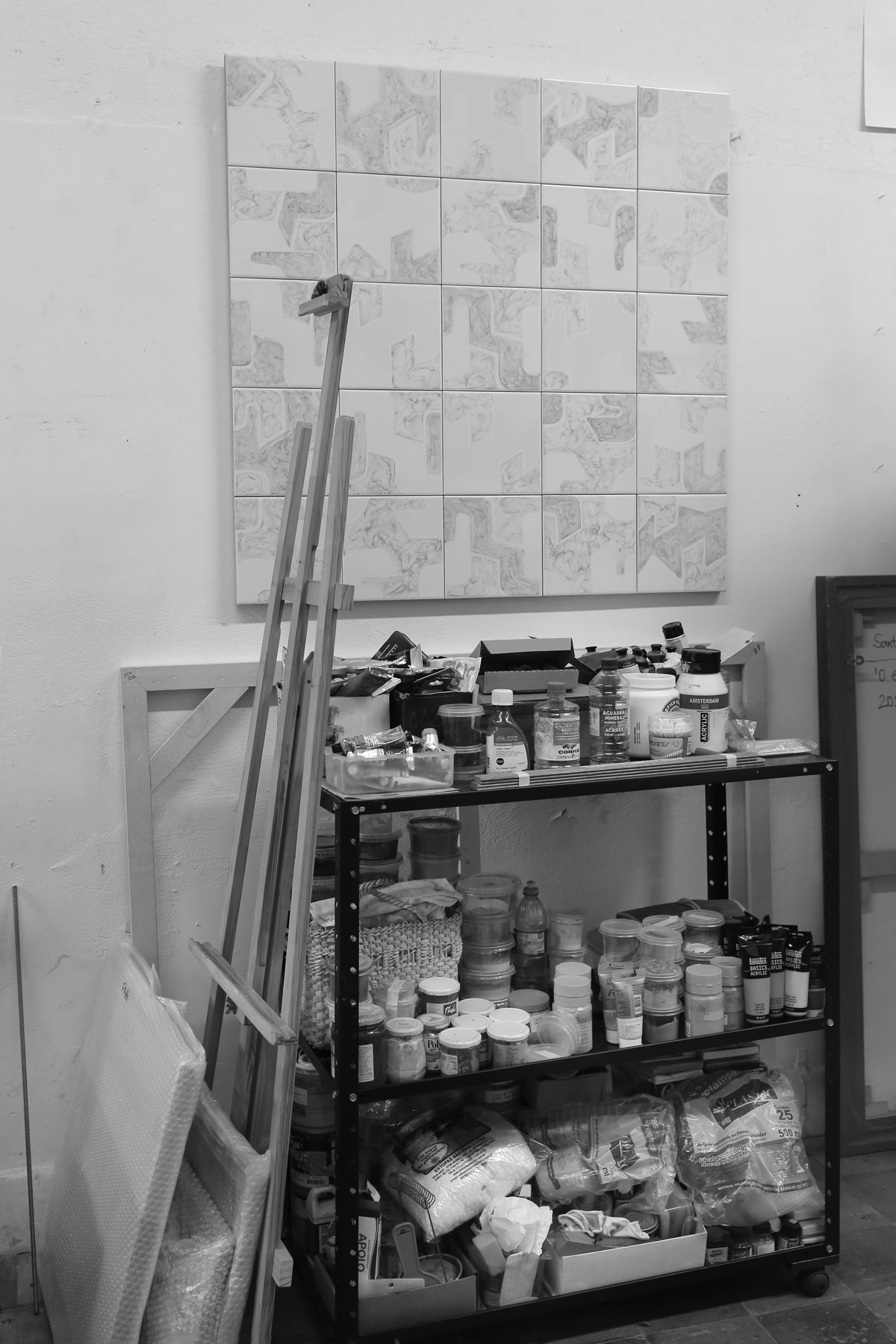
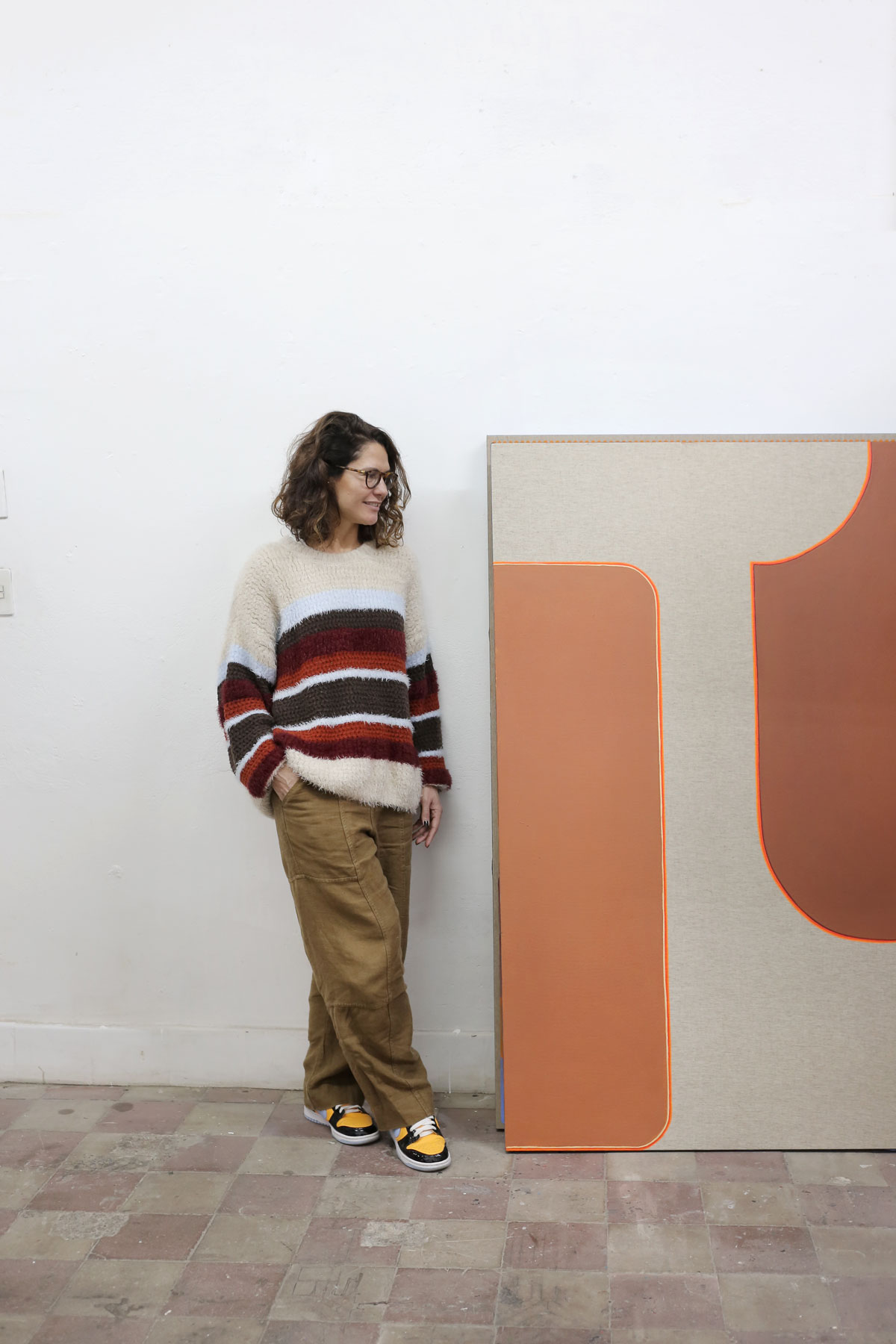
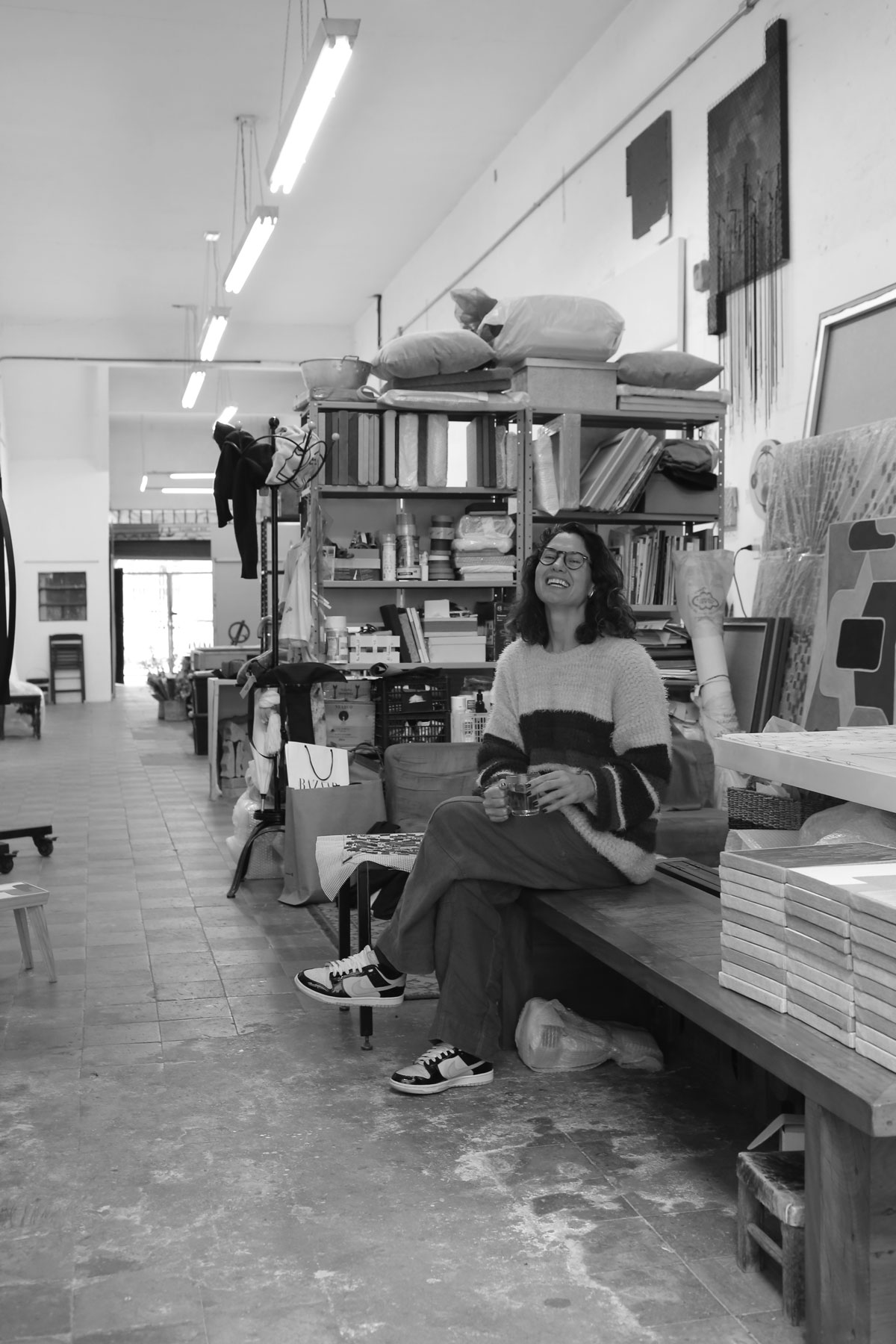
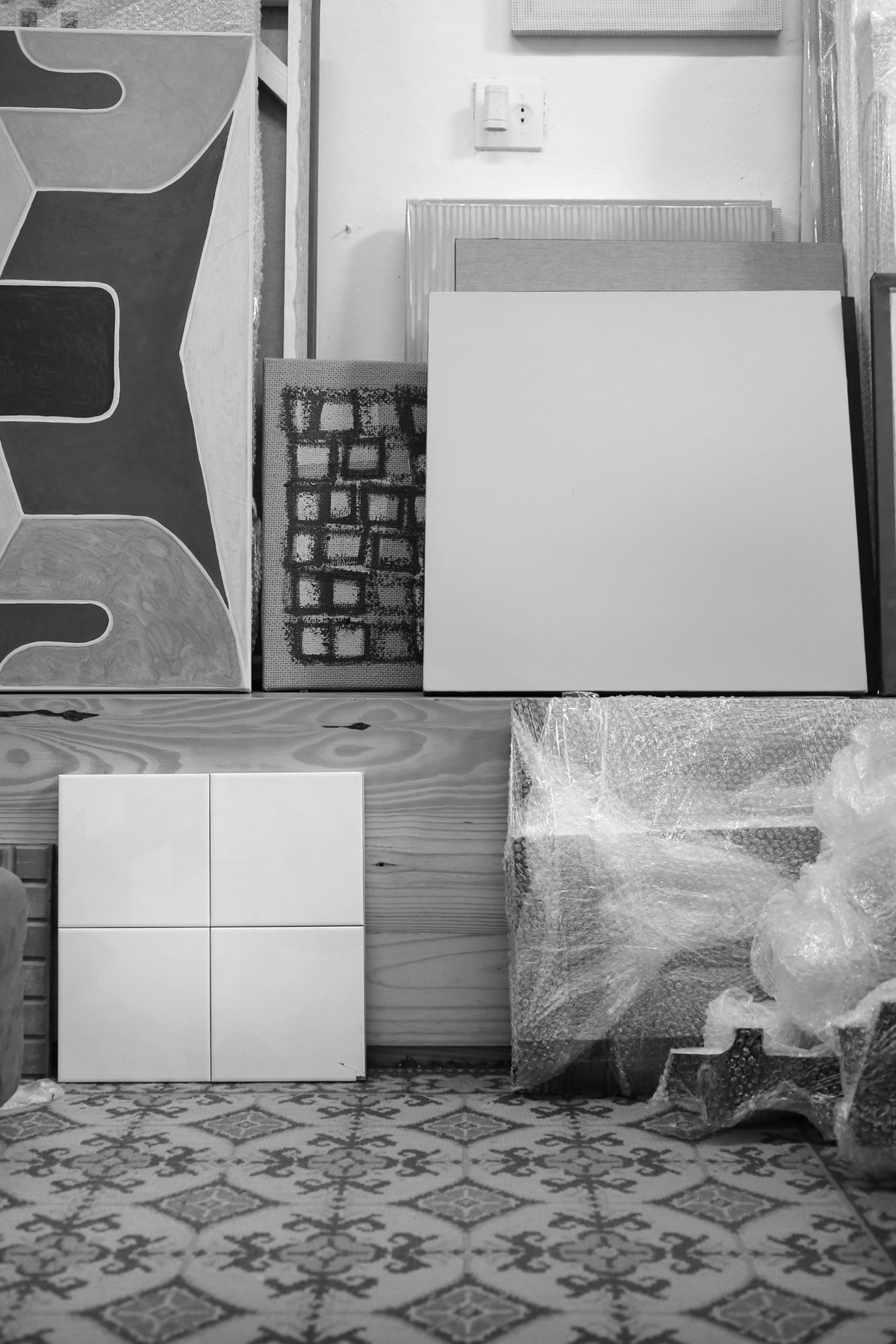
The moment I step into my studio, the chaos of São Paulo stays outside. The separation is necessary. Silence is essential for my paintings to find their voice. I spent seven years working in a shared studio, and only recently was I finally able to claim a space of my own.
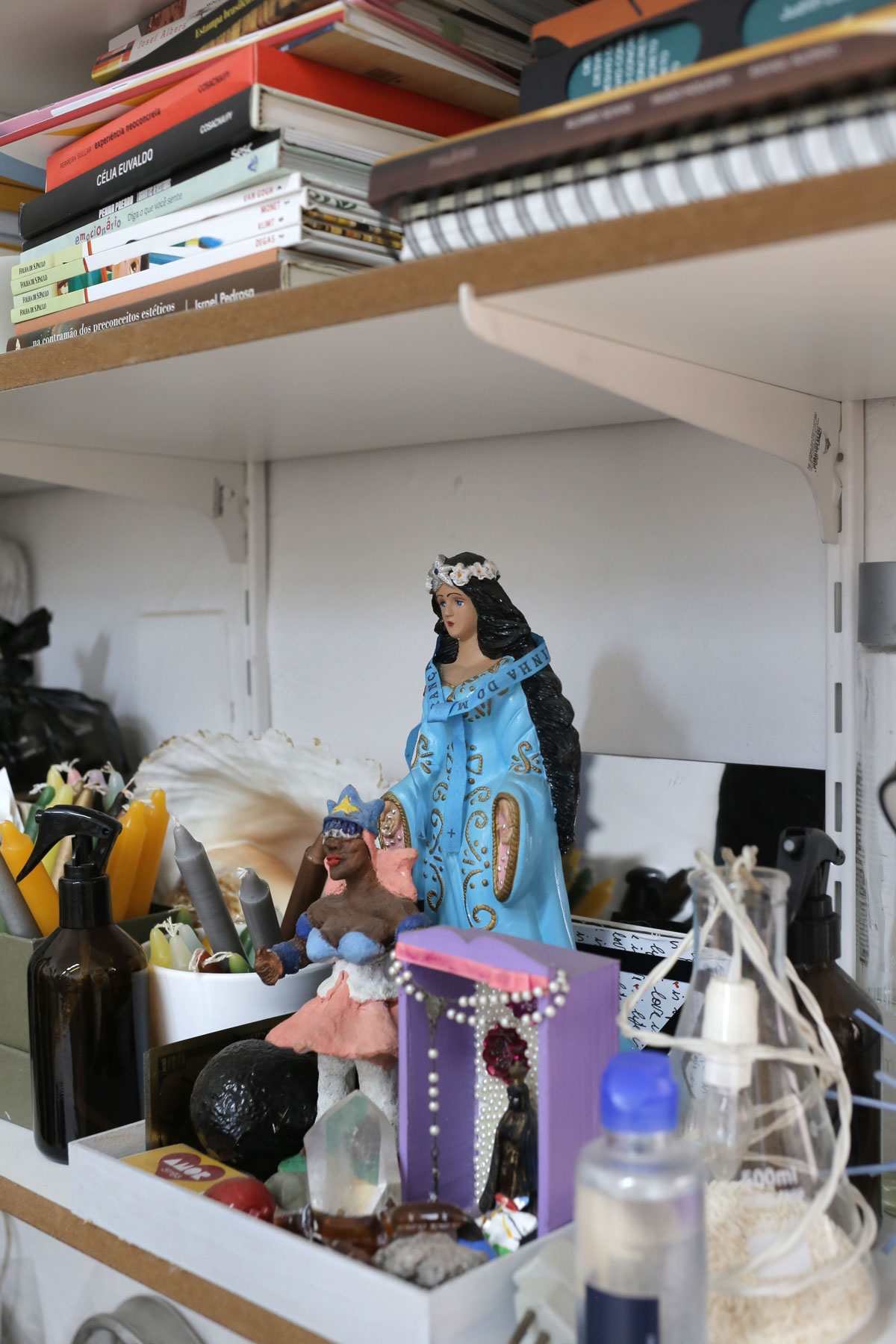
My routine, however, remains unchanged. I arrive around ten in the morning, open every door and window to invite in light and circulating air. Sometimes I light a candle and burn incense. Only then do I begin the day’s work — but not before placing a piano melody in my headphones. The minimalist compositions of Ludovico Einaudi gather and steady my thoughts, constructing an invisible architecture within which I feel grounded and safe to create.
My studio is currently located on one of the busiest streets in Barra Funda. The constant flow of pedestrians, the engines of cars and trucks, the music from the bar — in short, all the interferences of the outside world are not completely muted around me. I seek silence, but at times the noise ends up influencing my production. These noises — or presences, as I prefer to call them — are always present in my works in some way.
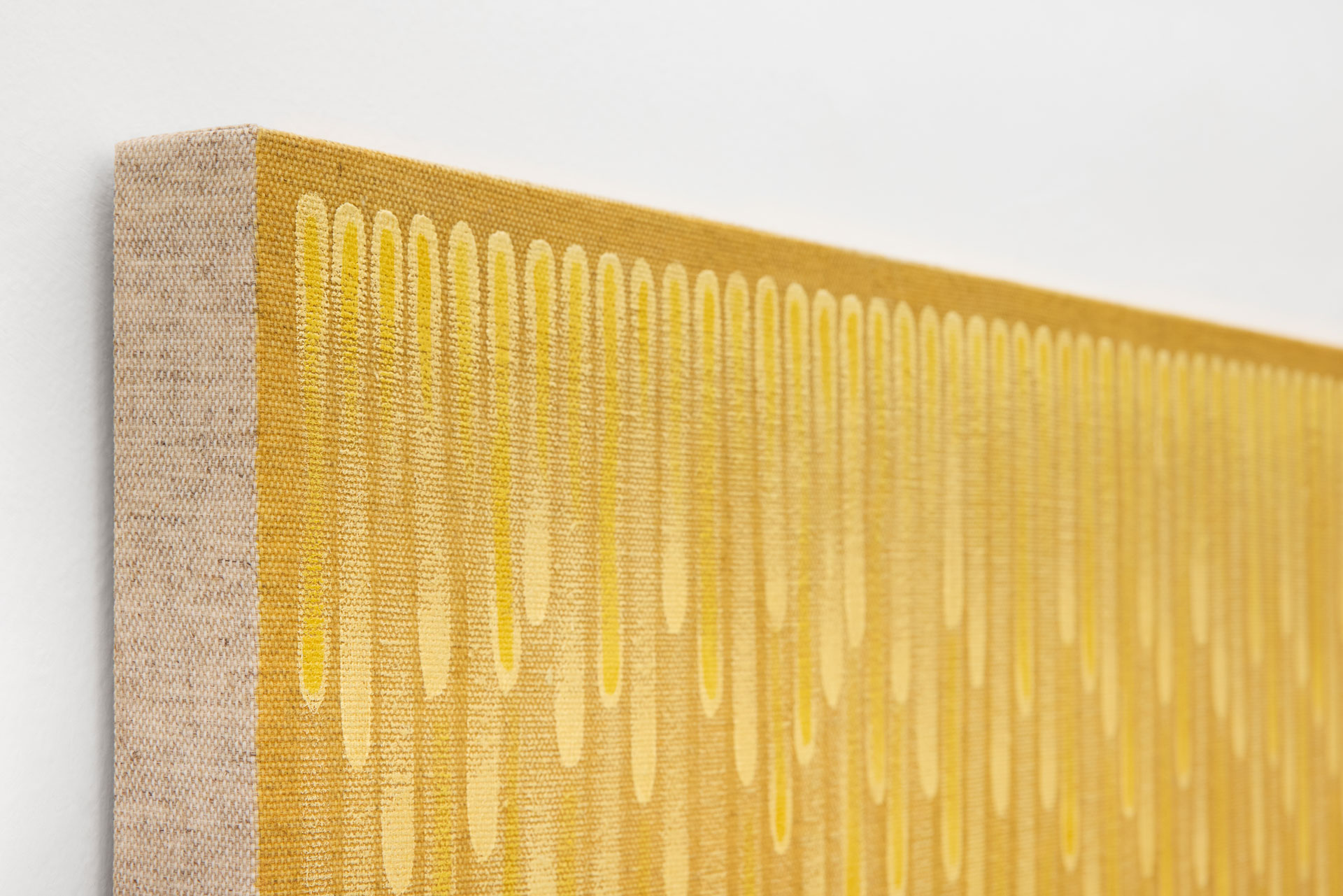
The Chorinho series, for instance, takes its name from the modinhas drifting in from nearby bars as I spent long nights painting in my former studio, which was encircled by a handful of taverns. The music would slip in uninvited, yet inevitably set the tempo of my brushstrokes, turning visual repetition into a kind of syncopation.
My process is methodical. Rigor and precision form the structural pillars of my practice, undoubtedly influenced by my academic training in Industrial Design. Yet whenever I set aside templates and pre-established formulas, I allow space for these presences to emerge within the work.
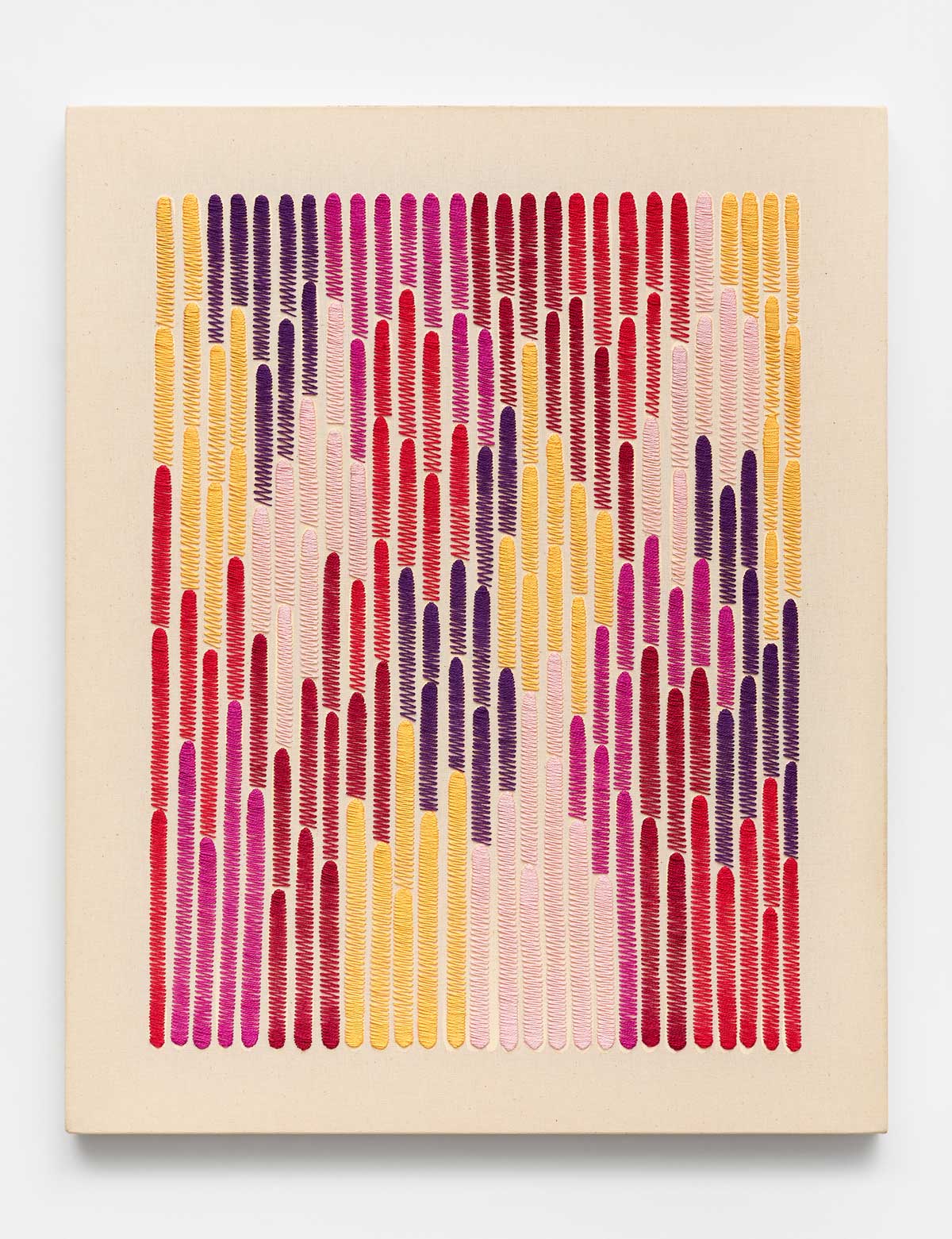
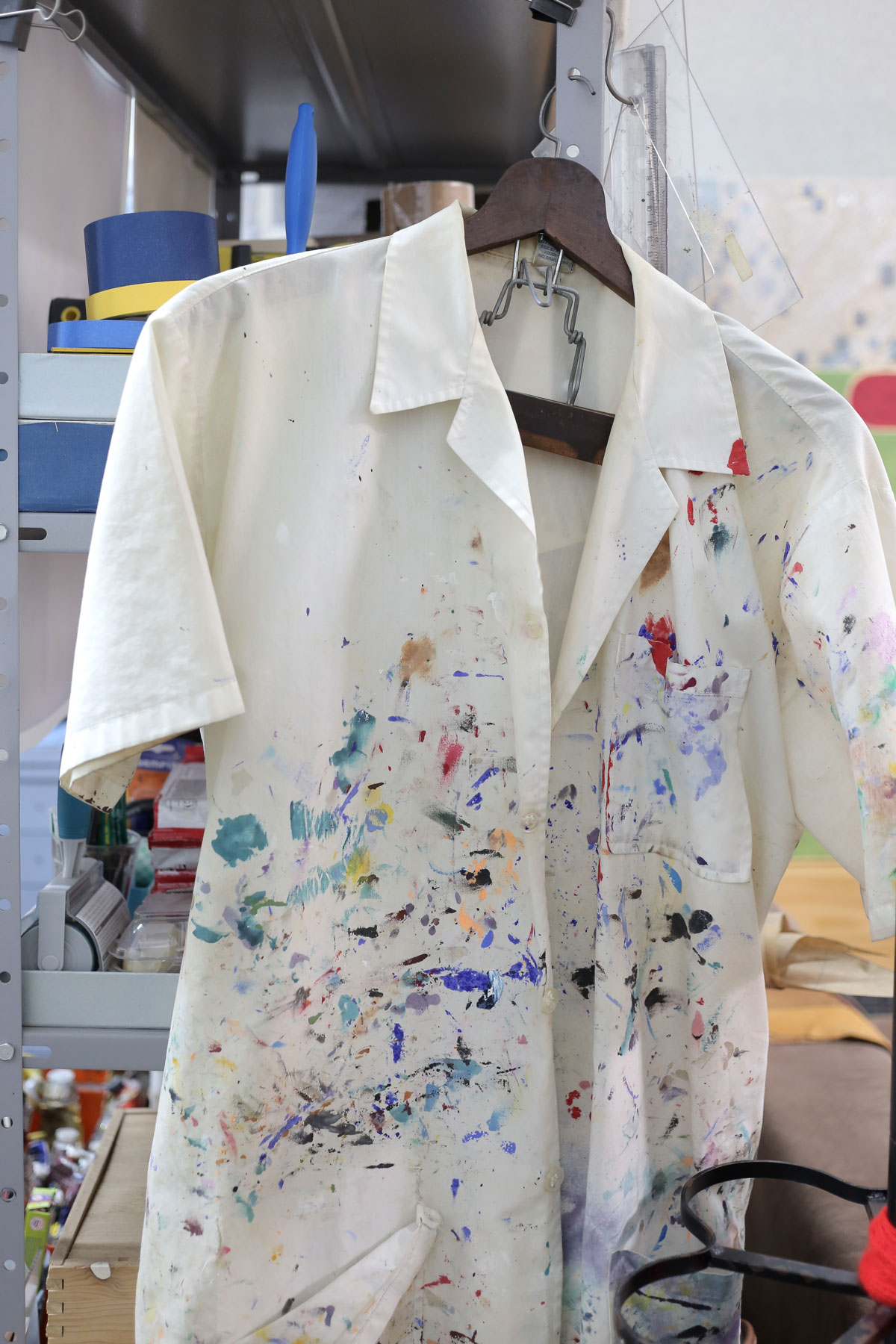
What I do is exhaustingly repetitive. Still, in every brushstroke across the canvas resides the force of the hand, the weight of the arm, and occasionally the flaw — a subtle rupture that reveals the human presence beneath the layered fields of multicolored lines, strokes, and points. These traces matter deeply to me. The gesture I repeat for eight or nine consecutive hours requires an almost meditative state of awareness, and it feels essential that this concentrated presence remains perceptible to those who stand before the painting.
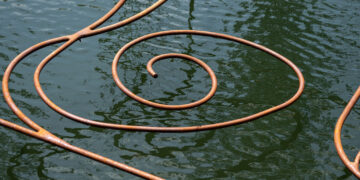
Another way to understand my creative process is through my relationship with water. I am a long-distance open-water swimmer and spend many hours training in the pool. To an outside observer, swimming might seem like nothing more than the monotonous repetition of strokes. But anyone who has been submerged knows that no movement is ever the same. Each stroke responds to the density of the water, its temperature, and the breath available in that precise second. Without sustained force and momentum, the body simply does not advance beneath the surface.
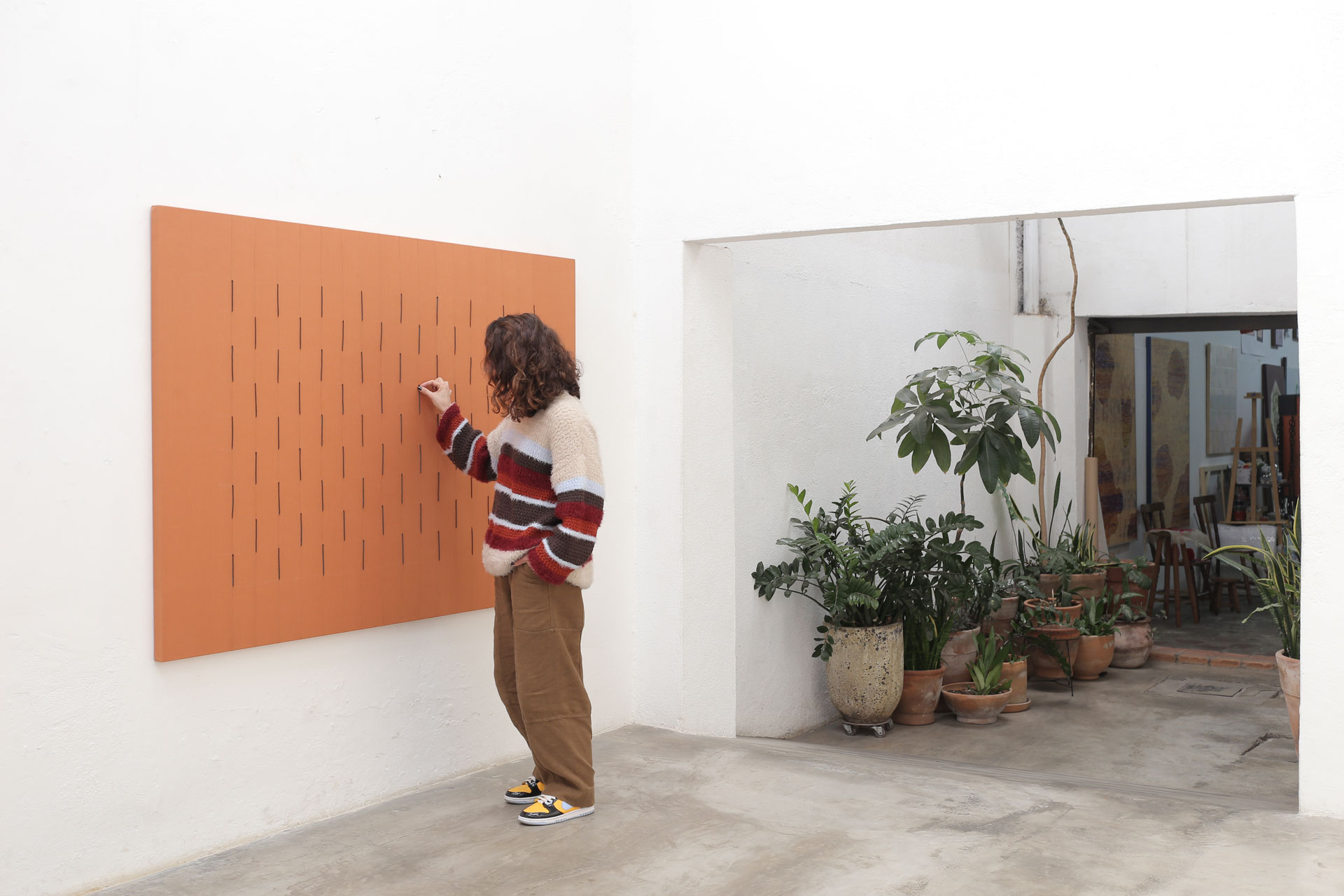
In my work — and in the way I move through life — these gestures are ever-present. On the canvas, each mark functions almost like a record of performance. Every trace carries the intention of the hand and the weight of my arm at that precise moment. I paint with my entire body and with a mind fully alert. It is a practice of focus, endurance, and breath. I have come to understand that staying afloat — whether in the sea or within an artistic career — depends on consistency and discipline.
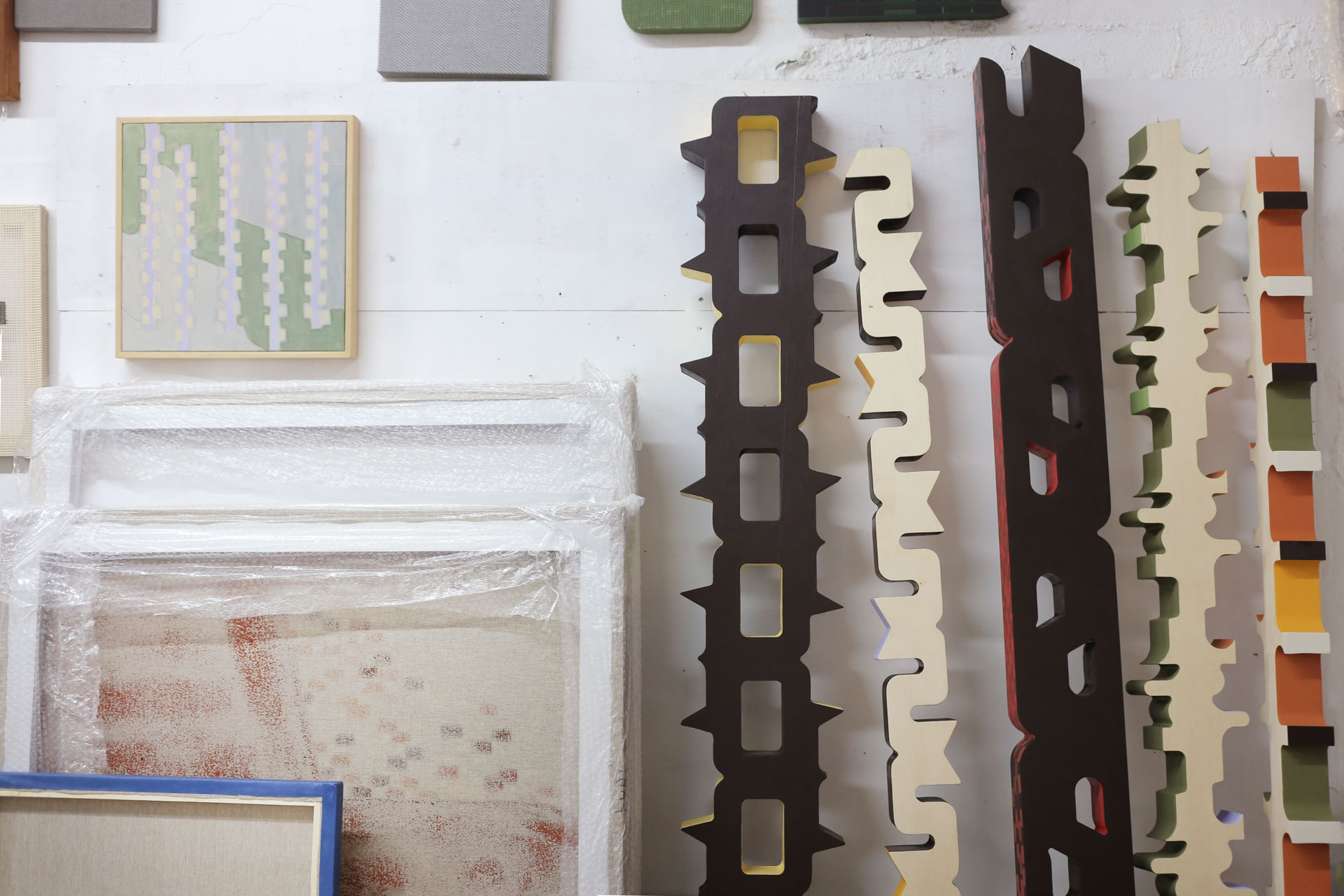
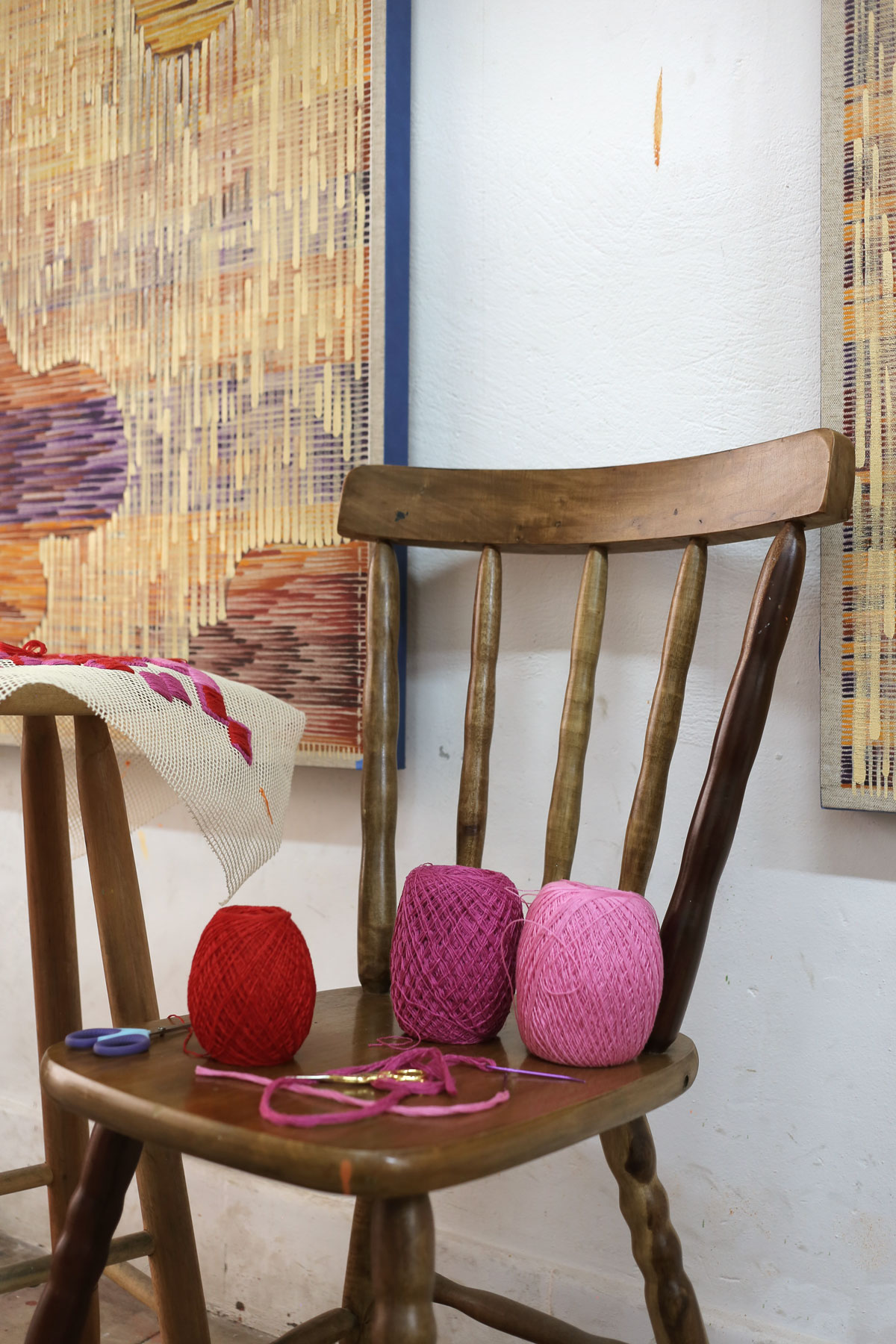
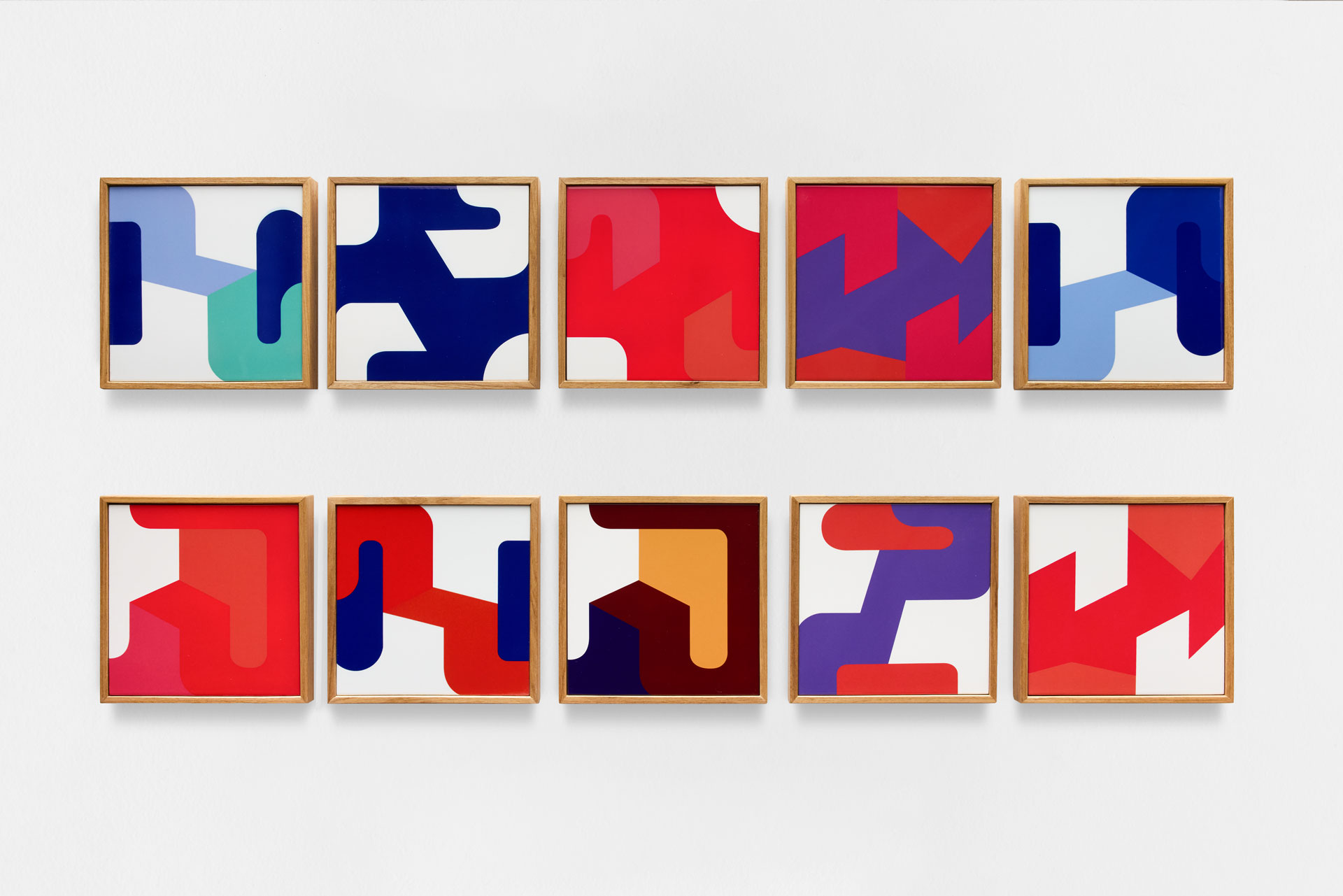
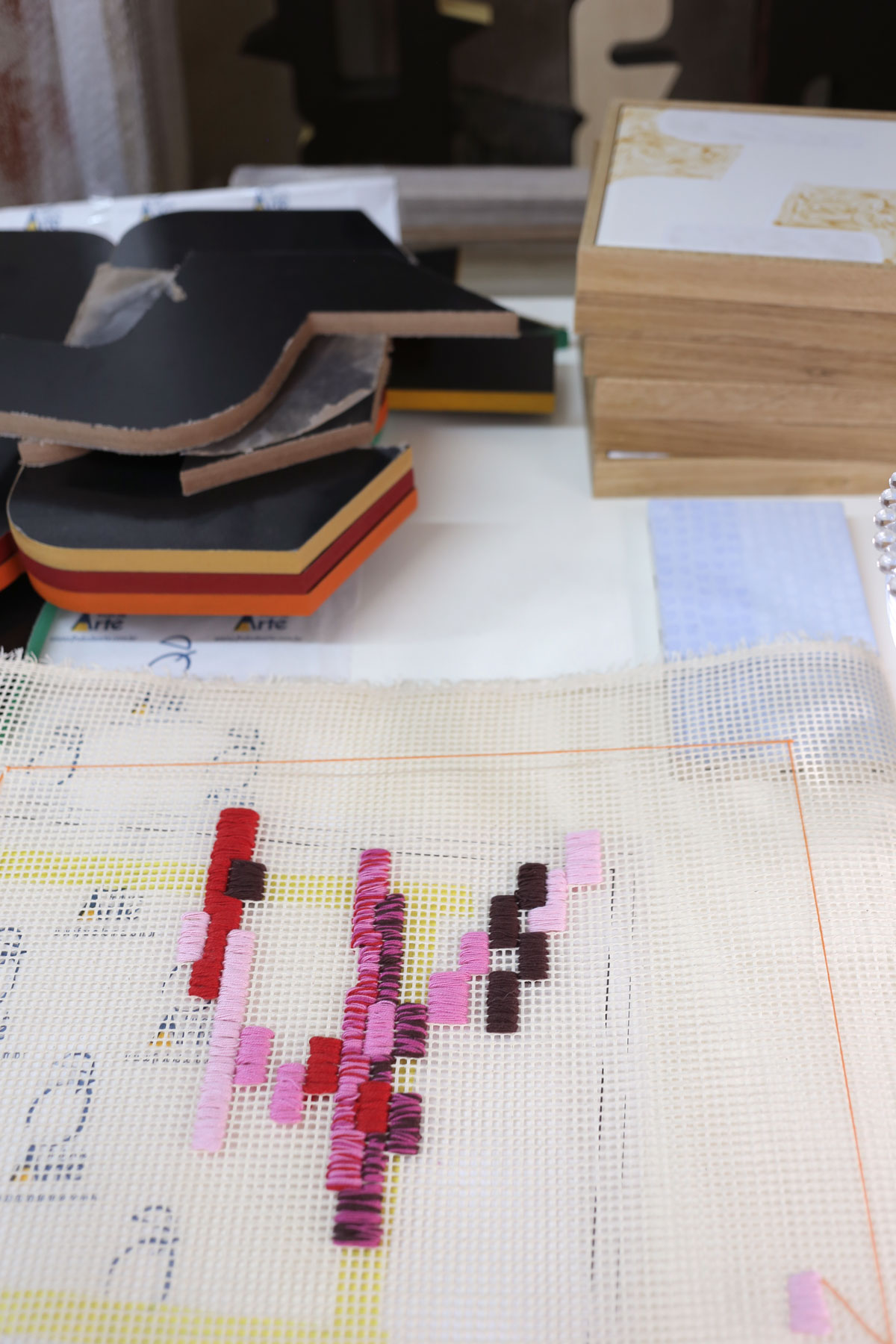
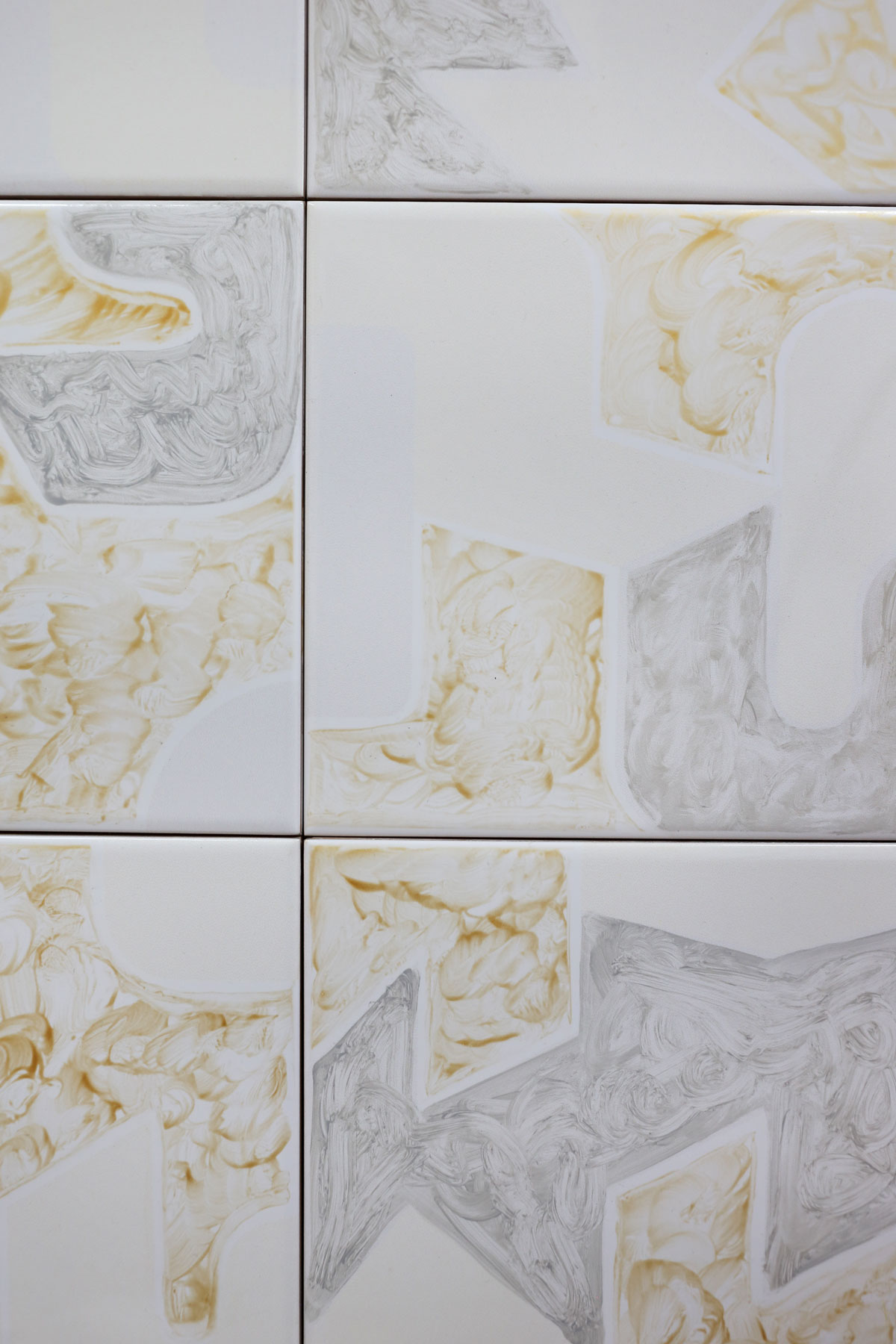
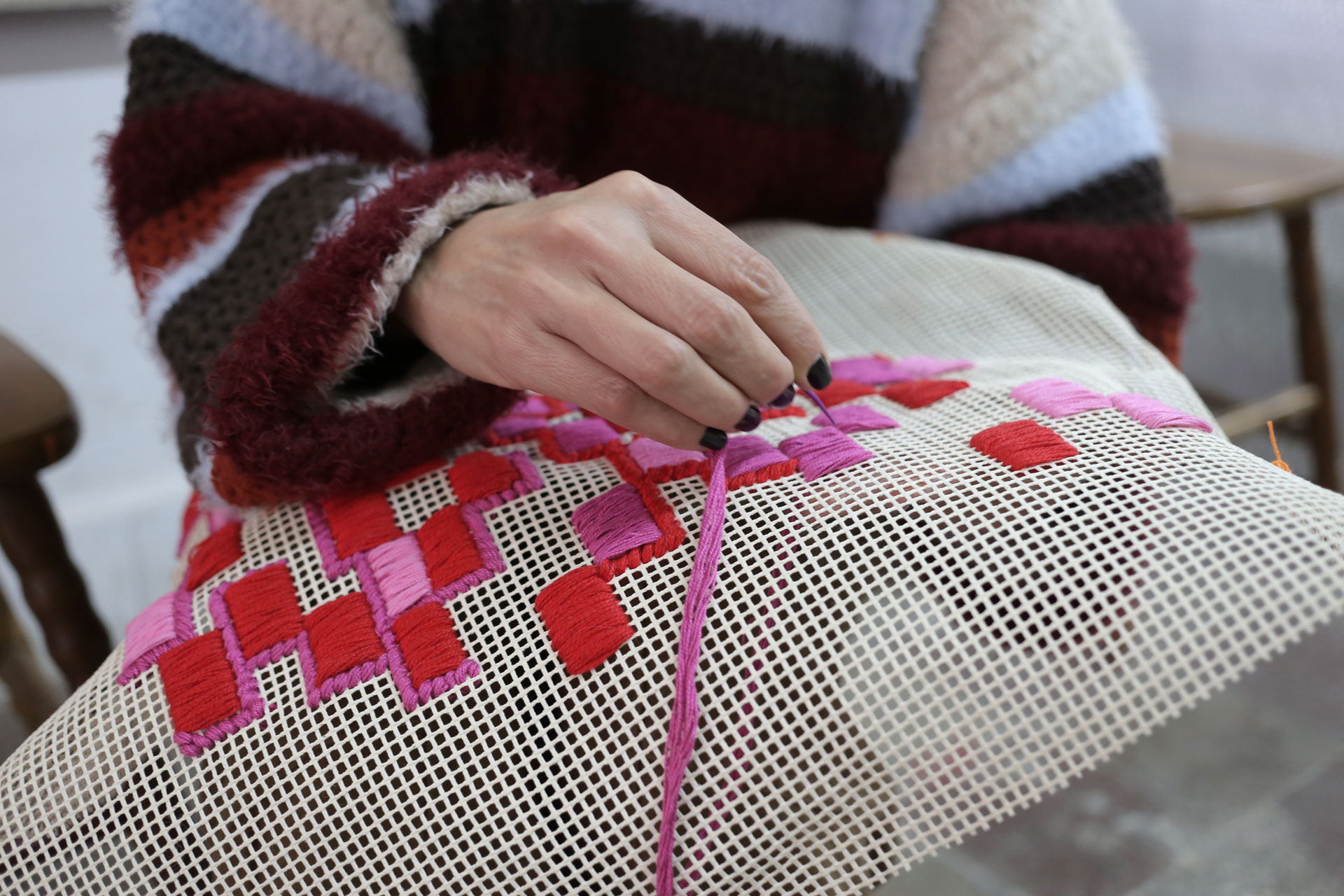
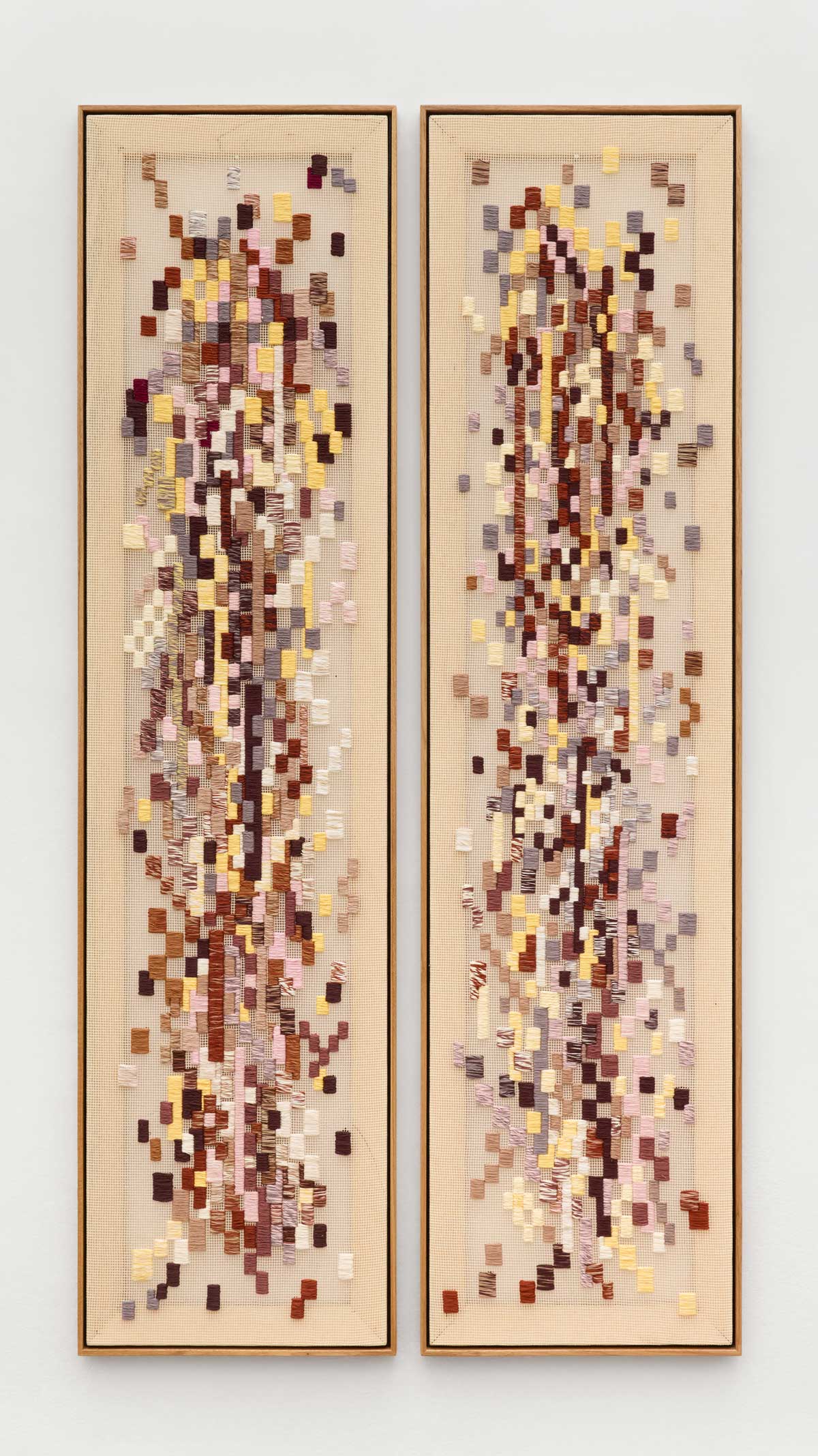
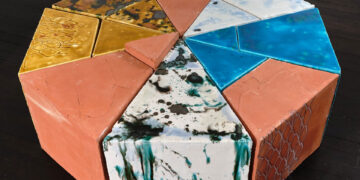
Another central concern in my practice is materiality. I chose pure linen as the primary support for my paintings and for part of my embroidery works, which share mesh-based grounds such as needlepoint canvas and mosquito netting. Yet I also like to “listen” to what each material expresses on its own terms; I have created works on leather, jute, velvet, and ceramic tiles. Each weave — or even its complete absence, as in the smooth surface of industrial ceramic — carries its own narrative. I remain attentive to how these textures speak to the colors I lay upon them, to the dialogue that unfolds between surface and pigment.
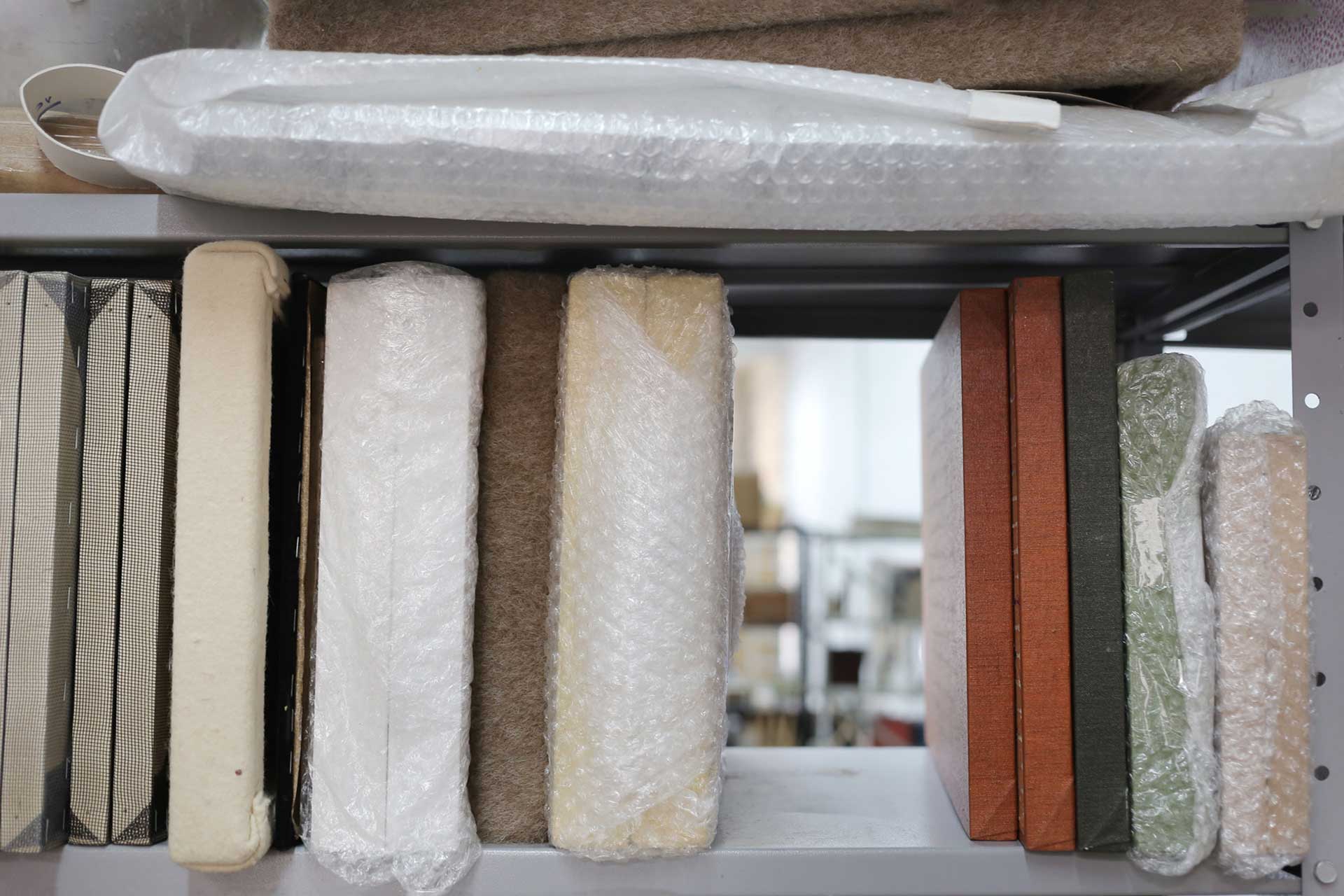
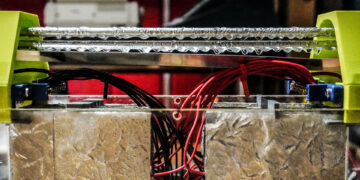
I am equally attentive to structure. Over the years, I have become increasingly concerned with the longevity of my work — with how it withstands the slow, inevitable action of time. I gradually abandoned wooden stretcher bars, which can warp and deteriorate, and began incorporating aluminum frames into my larger pieces. They preserve the tension of the fabric for decades and, in addition, offer a structural lightness that wood simply cannot provide.
This pursuit of the “best” is non-negotiable and extends far beyond the studio. Whenever possible, I travel in search of both excellence and inspiration. My journeys become sensory expeditions. In the Canary Islands, I immersed myself in a landscape shaped by volcanic force, where the raw light striking black sand revealed a palette I had never before encountered. I returned saturated by that experience, attempting to translate onto canvas the sensation of living, breathing earth.
From Japan, I brought back spools of exquisitely crafted thread — but also quieter lessons. Through Kintsugi and Ikebana, I learned to honor the scar, to recognize beauty in repair, and to appreciate the eloquence of negative space between forms.
This permeability between the refined and the raw informs my decisions. In the Mímese series, I engage with camouflage, evoking cross-stitch patterns that subtly deceive the eye. In Jardim, I place natural growth in tension with technique, employing industrial hatchings to impose geometry upon the organic — organizing its apparent chaos without stripping it of its vitality.
The art world often expects the artist to be ethereal, detached — almost martyr-like. I am the opposite. I am pragmatic. I am a woman of conviction. I want my work to be seen, recognized, and valued. I am ambitious, and I regard ambition as a virtue — the fuel that propels me to rise early, refine my technique, and relentlessly pursue the highest level of finish.
Yet beneath this outward strength lies a core of profound sensitivity. The studio is where these dimensions converge. It is where the determined woman who moves through the world with certainty allows herself the meticulous delicacy of the stitch, the patience of the line, the vulnerability inherent to creation. I do not switch off easily. I carry the work with me constantly — except in those rare moments when I am surrounded by people, celebrating life, laughing without restraint. Still, everything eventually returns to the studio. For me, creating is a way of inhabiting the world with intensity. It is the place where art and the sea meet — bound by an unconditional love of the current, and by the courage to surrender to it without fear.
You can find out more about Fabiana Preti at @fabianapreti/ fabianapreti.com
Photos: Anita Goes